
Parents of only children occupy a strange cultural space. They raise their kids, make their choices, and still somehow find themselves on the receiving end of unsolicited commentary from relatives, neighbors, and the occasional stranger in a grocery store checkout line. The comments usually come dressed up as concern, but underneath, they carry decades of outdated assumptions that have been thoroughly disproven by modern research.
The notion of “only child syndrome” has long been a subject of intrigue and misconception, with the theory suggesting that children without siblings are inherently spoiled, selfish, and socially maladjusted having persisted for over a century. The world in which these ideas first took hold was vastly different from the interconnected society we live in now, and the original research would be considered quite flawed by today’s standards. Here are the nine things parents of only children hear most often, and why science says they’re simply not true.
1. "Your Child Will Be So Lonely"

1. "Your Child Will Be So Lonely" (Image Credits: Unsplash)
It has long been suggested that only children tend to be lonely and have difficulties making friends, but research comparing peer relations and friendships during primary school found that only children had the same number of friends and of the same quality as children with siblings. The loneliness assumption often comes from imagining a child stuck at home with no one to play with, which is a picture that hasn't matched reality for most families in a very long time.
Only children receive their parents' full attention, and they also have cousins who fill up sibling spaces and friends who they are actively encouraged to spend time with. Social connection doesn't require a sibling in the next bedroom. It requires opportunity, encouragement, and a child who feels secure enough to reach out, and only children have all of those things.
2. "They'll Turn Out Spoiled"

2. "They'll Turn Out Spoiled" (Image Credits: Pexels)
China once feared it was raising a generation of "little emperors" under its one-child policy, but researchers looking back 30 years later found that only children are not particularly spoiled. The fear of spoiling is one of the oldest and most persistent myths in the entire only-child conversation, yet it keeps cycling back as though the evidence was never gathered.
Toni Falbo's landmark meta-analysis found that only children show no significant personality differences from children with siblings except one: they have stronger bonds with their parents. More recent large-scale studies confirm this, with a 2019 analysis of over 20,000 New Zealand adults finding that personality differences between only children and those with siblings are so small they don't even reach the threshold for a small effect size. A close parent-child bond isn't spoiling. It's just attentive parenting.
3. "They'll Be Selfish and Unable to Share"
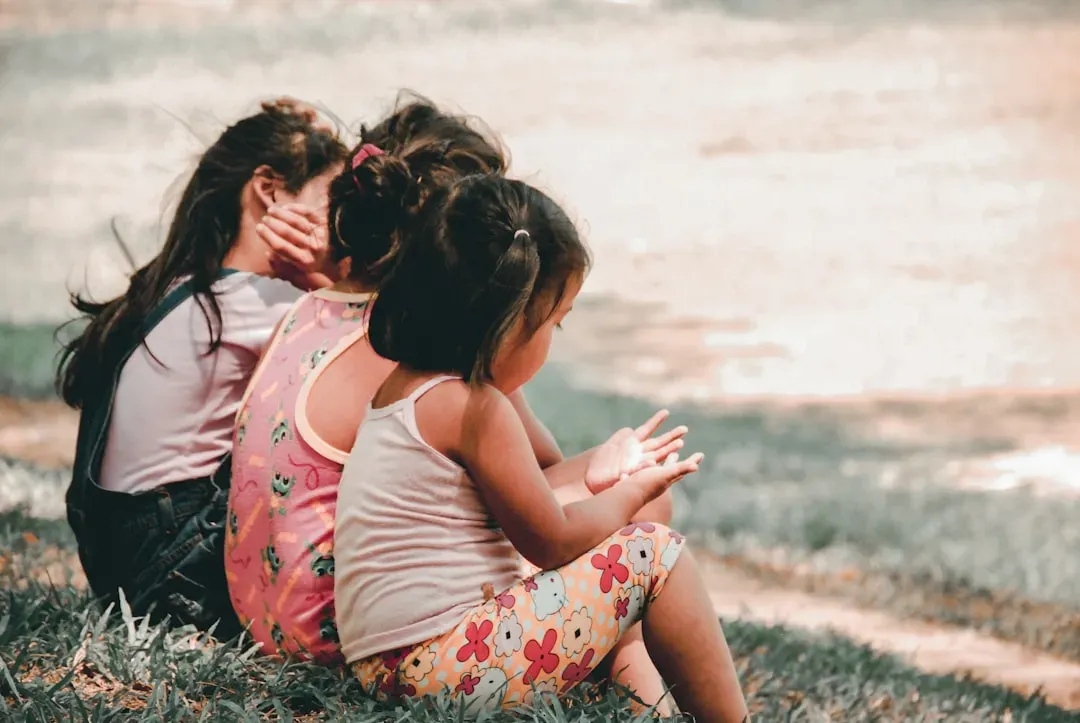
3. "They'll Be Selfish and Unable to Share" (Image Credits: Unsplash)
Research published in Social Psychological and Personality Science directly challenges this assumption, finding that only children are not more narcissistic than people who grew up with siblings. Only children do not have poorer social skills, and they are not more selfish or narcissistic. The logic behind the myth sounds reasonable on the surface, since a child with no siblings never has to negotiate over a toy, but sharing is learned in dozens of settings every single day.
A study of almost 2,000 German adults found that only children are no more likely to be narcissistic than those with siblings, and the title of the study is simply "The End of a Stereotype." Schools, playgrounds, classrooms, sports teams, and friendships all provide constant opportunities to practice generosity and cooperation. The sibling experience is one path to learning those skills. It's hardly the only one.
4. "You're Being Selfish by Not Having Another"
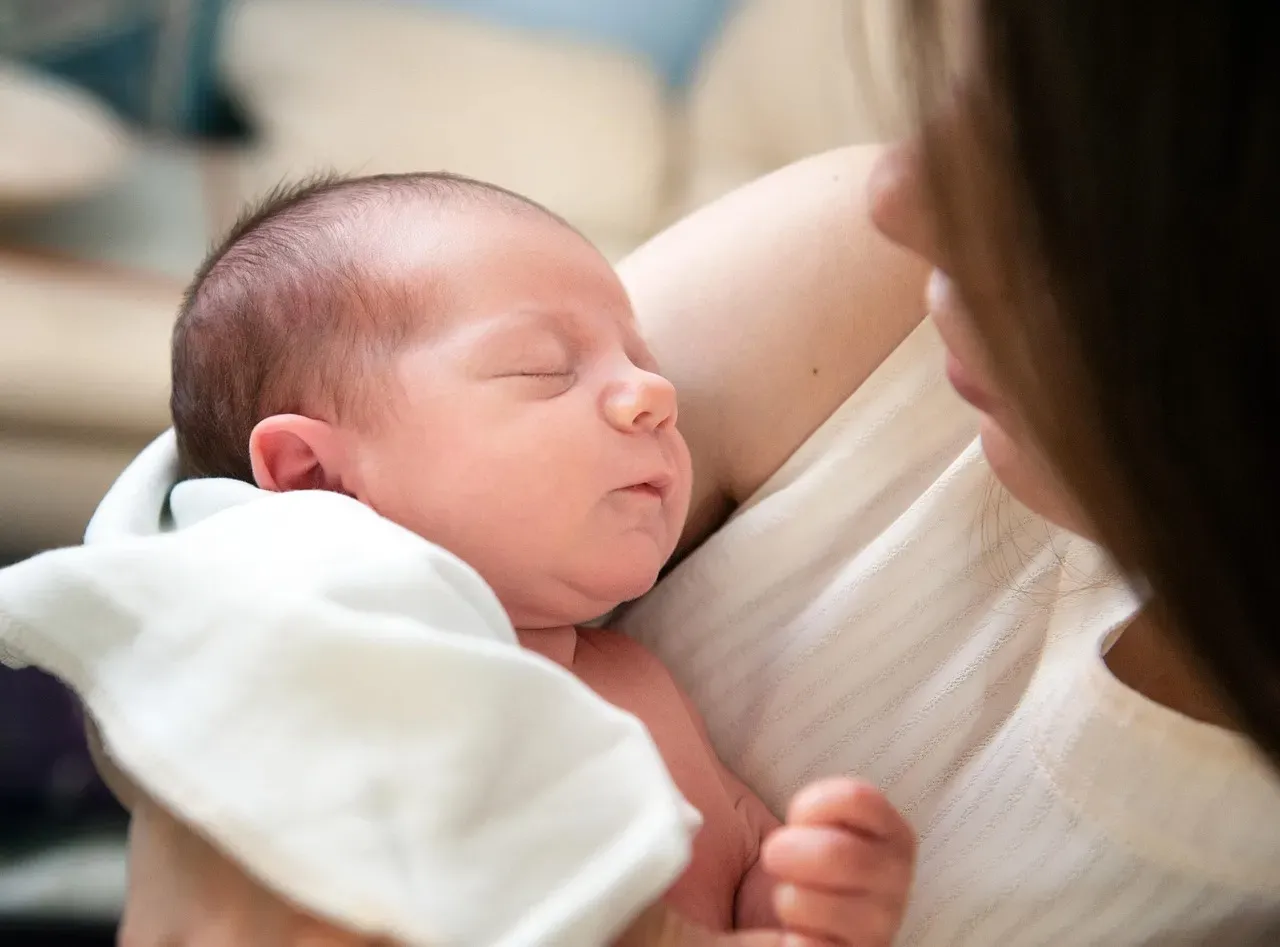
4. "You're Being Selfish by Not Having Another" (Image Credits: Pixabay)
This one is less about the child and more about the parents, and it stings in a particular way because it turns a deeply personal decision into a moral failing. Some parents wanted another baby but their partner did not, or parents experienced significant disagreements in how to parent, and having to explain and justify reasons to family, friends, or even strangers who feel entitled to ask can be clearly distressing.
Though the birth rate continues to decline, most Americans still think the ideal family has more than one child, which means the pressure to "complete" a family with a second child comes baked into cultural expectation rather than any real evidence about wellbeing. According to Pew Research, the one-child family is the fastest growing family form in the United States, and the same is true across the UK, most of Europe, and Japan. Families come in many shapes, and none of them require external approval.
5. "They Won't Know How to Get Along With Others"

5. "They Won't Know How to Get Along With Others" (Image Credits: Unsplash)
When researchers look at personality, no differences are found between people with and without siblings in traits such as extroversion, maturity, cooperativeness, autonomy, personal control, and leadership. The idea that sibling conflict is the primary training ground for social skills has a certain folk wisdom appeal, but it doesn't hold up when you look at the data across thousands of children and adults.
Research has found that only children are not different from their peers with siblings when it comes to character and sociability. Only children often develop what psychologists call "precocious interests," including adult-oriented hobbies and perspectives that develop from spending more time with adults than peers, and they learn to read adult emotions early and navigate adult social contexts. That kind of social fluency is genuinely useful throughout life.
6. "Your Child Will Struggle Academically Without the Competition"

6. "Your Child Will Struggle Academically Without the Competition" (Image Credits: Unsplash)
Only children tend to have higher achievement motivation, which is a measure of aspiration, effort, and persistence, as well as stronger personal adjustment than people with siblings. This higher achievement motivation may explain why they tend to complete more years of education and reach more prestigious occupations. The absence of a sibling doesn't remove academic drive. Often, it concentrates it.
Some studies have found that only children tend to be more intelligent and have higher academic achievement than people with siblings. Only children did at least as well as other kids on cognitive tests during childhood and measures of well-being in adulthood, according to research comparing four cohorts of children born in the United Kingdom across different decades. The academic argument against raising one child simply doesn't have the evidence to back it up.
7. "They'll Have No One When You're Gone"
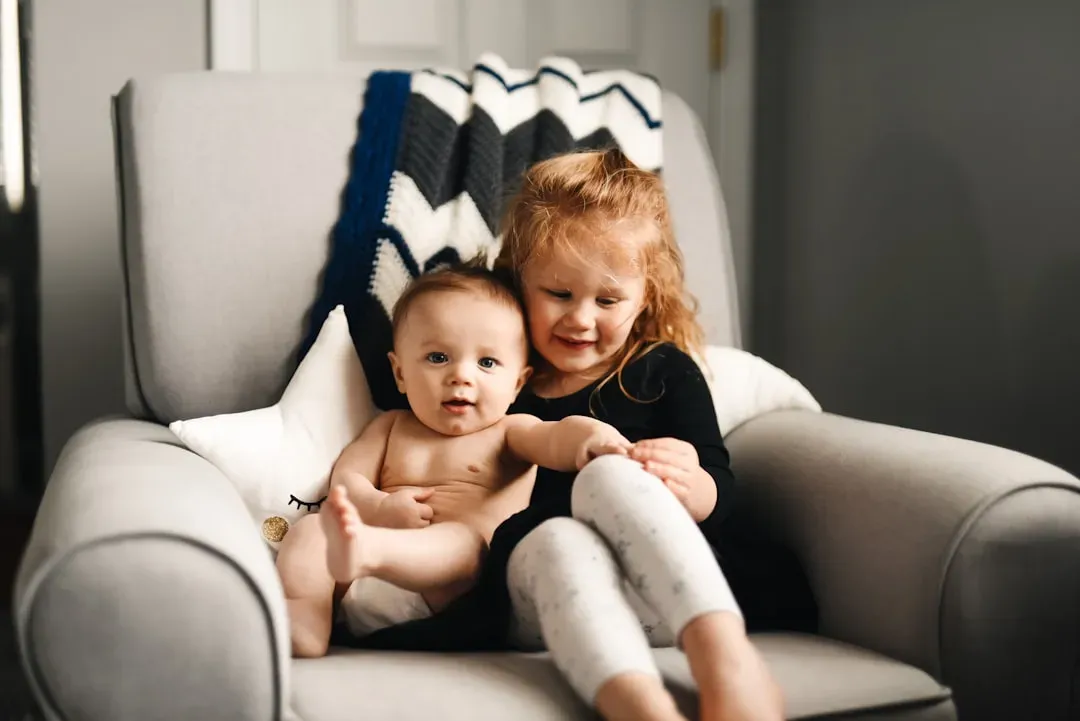
7. "They'll Have No One When You're Gone" (Image Credits: Unsplash)
This comment is delivered with the best of intentions and yet it lands like a small blade. The implication is that a sibling is a guaranteed lifelong companion, which anyone with estranged siblings can tell you is far from certain. Whether children have siblings is much less important to how they develop than their families' financial and emotional resources.
As life trajectories and family priorities continue to shift, only children may soon outnumber children with siblings in many countries, and contrary to the stereotypes, those conducting the research say that is not a cause for concern. Close friendships, chosen family, and deep community ties are all sources of connection that adults build over a lifetime. Siblings are one possible thread in that fabric, not the whole cloth.
8. "They Must Be Weird or Unusual"

8. "They Must Be Weird or Unusual" (Image Credits: Unsplash)
The psychology of only children looks remarkably similar to that of people who grew up with siblings, and modern meta-analyses examining decades of data consistently find that personality differences are minimal at best. When researchers do find differences, the effect sizes typically fall below 0.2, meaning the differences are so small they're essentially negligible in real-world contexts.
The problem is that stereotypes stick. It's hard to make them go away because of confirmation bias: when a person has a long-held belief such as "only children are lonely" and is confronted with evidence that disproves it, the person often doubles down on the original belief. The original flawed 19th-century study established attitudes that persist to this day, despite plenty of research into family dynamics that refutes those findings. That's not evidence. That's cultural inertia.
9. "You'll Regret Not Giving Them a Sibling"

9. "You'll Regret Not Giving Them a Sibling" (Image Credits: Pexels)
The stereotype that an only child is selfish, lonely, and maladjusted has been studied extensively, and according to professor of educational psychology Toni Falbo at the University of Texas at Austin, who has studied only children for more than 40 years, that stereotype cannot be confirmed by any empirical social science research. Regret is a personal matter, and no one can predict it from family size alone.
The results of modern research suggest that having or not having siblings does not have a large impact, and growing up in a disadvantaged household appears to carry a larger effect on how children develop than being an only child versus growing up with siblings. The majority of research on the various outcomes of only children consistently demonstrates advantages of being an only child, particularly in educational and academic outcomes. The conversation about regret belongs to each individual family, not to anyone standing on the outside looking in.
The myths around only children are old, deeply embedded, and surprisingly resistant to correction even when decades of research contradicts them. For parents raising one child, it helps to know that the science is firmly on their side. Families are defined by the quality of their relationships, not by their headcount.