
Walk into any appliance repair shop and you’ll hear the same stories. Certain machines come through the door again and again, sometimes barely a few years old, already dead or struggling. The techs who fix these things for a living develop a very clear picture of which appliances are worth buying and which ones are quietly terrible bets.
A survey from Puls Technologies found that roughly seven out of ten repairs carried out by their technicians are on appliances five years old or younger, suggesting machines that should last a decade or more are breaking down far earlier than expected. The nine appliances below are the ones repair professionals flag most often. Some are genuinely unreliable by design. Others carry specific features that almost guarantee an early service call.
French Door Refrigerators with In-Door Ice Makers
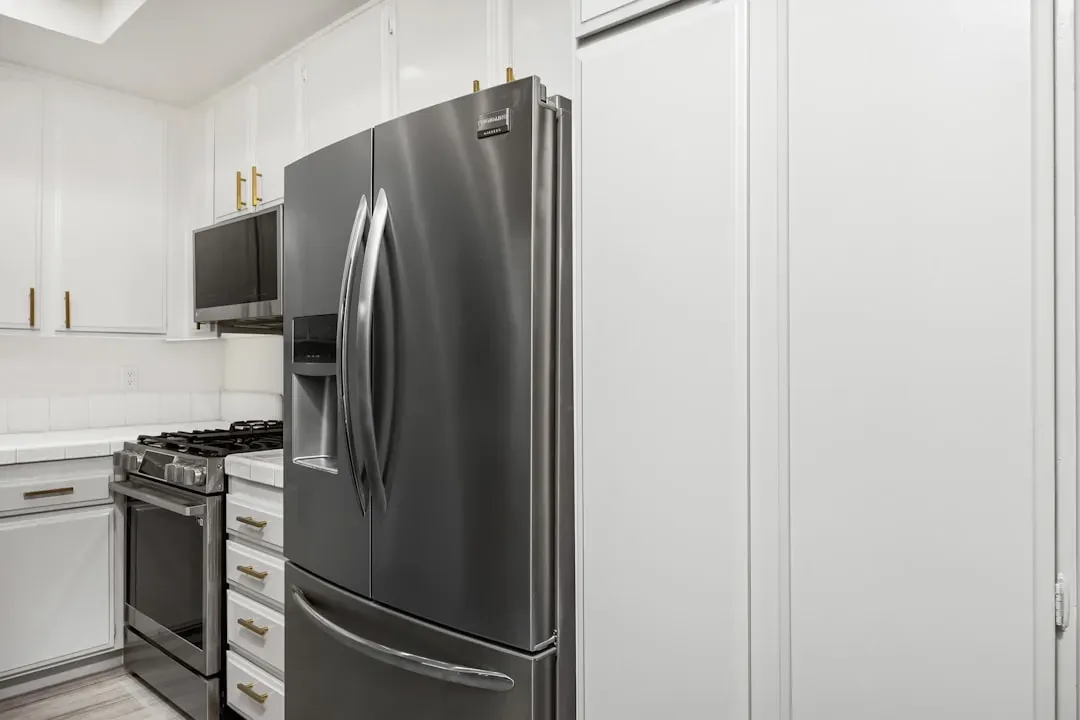
French Door Refrigerators with In-Door Ice Makers (Image Credits: Unsplash)
Consumer Reports estimates that roughly three in ten refrigerators with ice makers will have a problem by the end of their fifth year of ownership, making them one of the least reliable product categories tracked. Refrigerators break down more often than many other household appliances, and among all new units purchased since 2015, nearly half have experienced a problem such as an inability to make ice or a broken compressor.
One analysis projects that half of all French door refrigerators will experience a failure requiring repair or replacement within five years of purchase, a rate described as nearly seventy percent higher than a comparable side-by-side and roughly double that of a conventional refrigerator. The average repair on a French door unit is also about a quarter more costly than a comparable side-by-side repair. The ice maker sitting in the warm fresh-food section is a core design problem that no amount of good branding fully resolves.
Front-Load Washing Machines
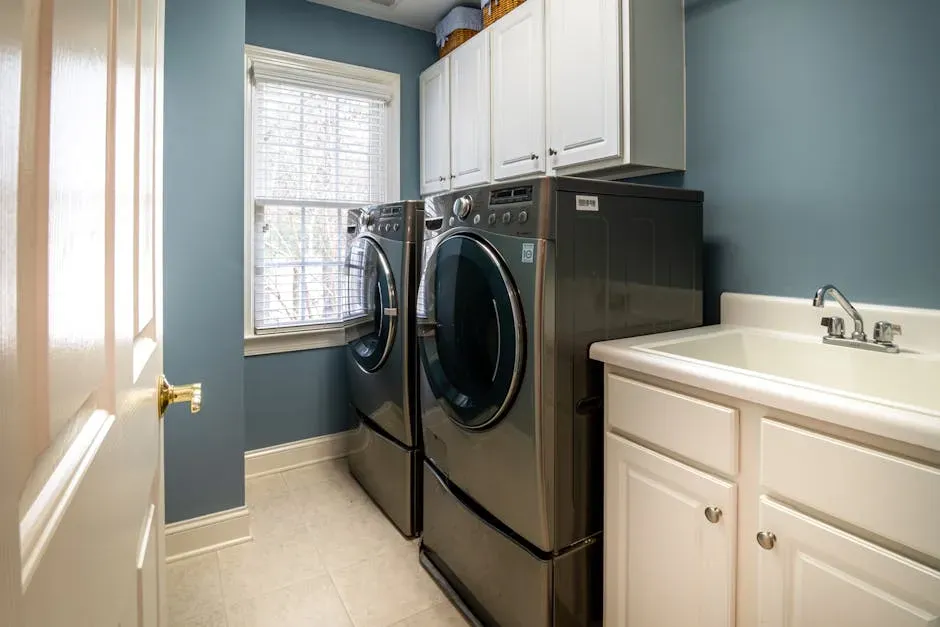
Front-Load Washing Machines (Image Credits: Pexels)
Of all the appliance categories evaluated in the 2025 JD Power U.S. Appliance Reliability and Service Study, front-load washers recorded the highest rate of reported problems, averaging 89 problems per 100 appliances. That's a striking number for a machine most households run multiple times a week.
Consumer Reports multi-year surveys consistently show front-load machines entering the moderate failure zone several years earlier than top-load equivalents. The primary culprits in front-loaders are door boot seals, drum bearings, and control boards. Beyond mechanical issues, fourteen percent of surveyed owners also reported mold around the front-loading door. It's a design trade-off that rewards efficiency while punishing anyone who skips regular maintenance.
Smart Appliances with Wi-Fi and Bluetooth Connectivity

Smart Appliances with Wi-Fi and Bluetooth Connectivity (Image Credits: Pexels)
According to the inaugural JD Power U.S. Appliance Reliability and Service Study, smart technologies that make use of built-in Wi-Fi and Bluetooth are contributing to widespread reliability issues. Washers, dryers, dishwashers, refrigerators, and cooking appliances with connectivity features experience an average of 87 problems per 100 appliances, while those without any connectivity experience an average of 63.
In other words, smart features add roughly forty to fifty percent more problems. Every added sensor, board, and wireless module is another failure point, and the data shows it clearly: the more an appliance can do, the more ways it can break. Brands that rapidly introduce touchscreens, Wi-Fi connectivity, and proprietary electronics often experience higher failure rates once warranties expire. Choosing a simpler model is one of the few reliability decisions entirely in the buyer's control.
Samsung Refrigerators
Samsung Refrigerators (Image Credits: Unsplash)
Samsung showed above-average problems in the vast majority of JD Power categories, with an estimated one in three refrigerators experiencing a failure within five years. Its slow parts supply turns each failure into a multi-week repair wait. That combination, frequent failures and slow resolution, is what makes it a standout on technicians' avoid lists.
A few years ago, Samsung refrigerators were cited in hundreds of complaints to the Consumer Product Safety Commission for malfunctioning ice makers and temperatures that were too warm, leading to spoiled food. Many of those complaints involved Samsung French door refrigerators, which receive poor ratings for predicted reliability and owner satisfaction in Consumer Reports survey results. All seven independent repair companies in one structured 2026 interview advised against Samsung refrigerators, citing both frequent failures and the difficulty of sourcing parts.
Budget and Entry-Level Dishwashers
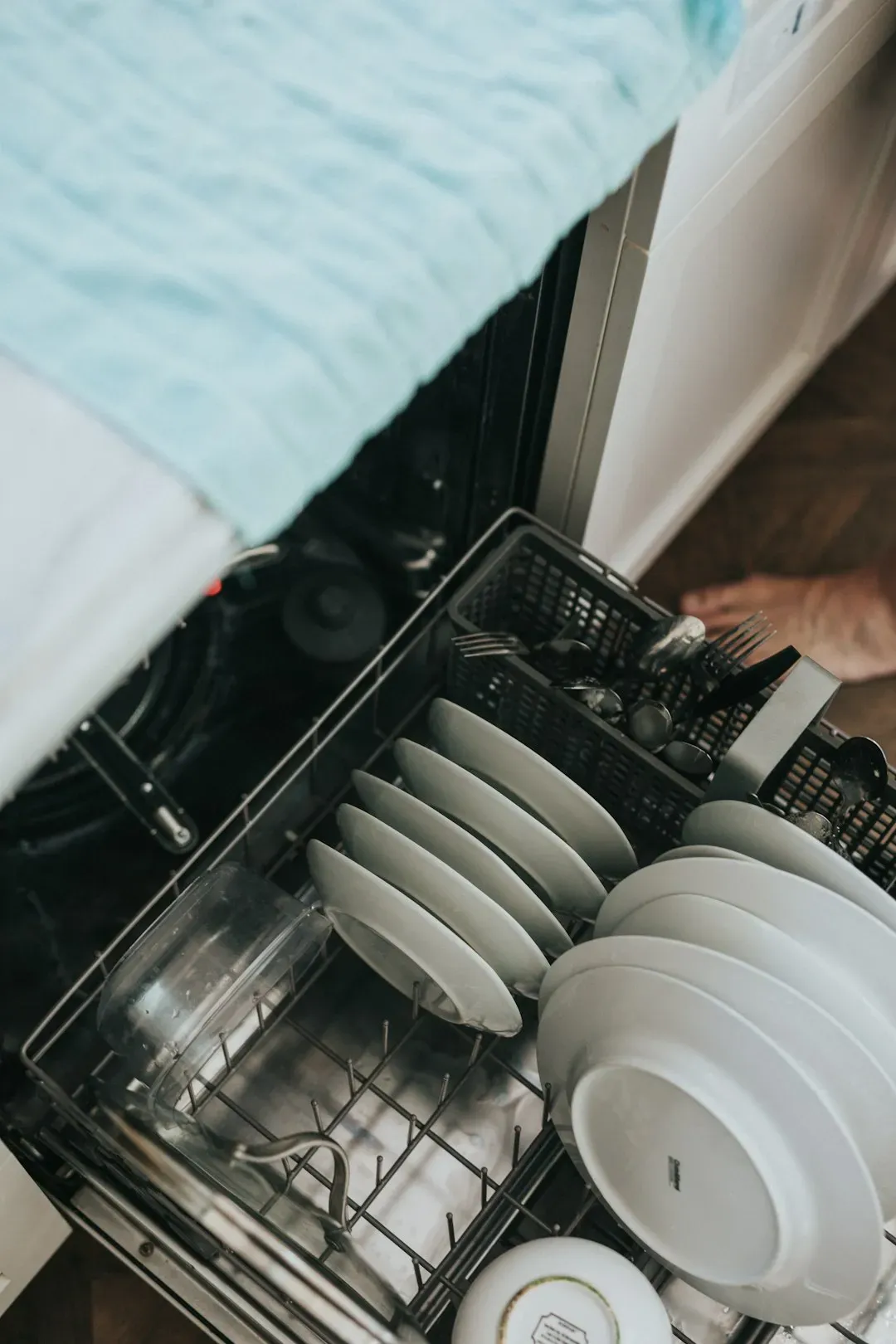
Budget and Entry-Level Dishwashers (Image Credits: Unsplash)
Dishwashers have a shorter average lifespan than most homeowners expect. The NAHB Study of Life Expectancy places the average at just nine years, and Consumer Reports' 2024 reliability data shows dishwashers entering moderate repair territory as early as years four through seven. Common failure modes include drain pump failure, inlet valve failure, control board issues, and spray arm deterioration.
Dishwashers require repairs at a rate of roughly one in four units within the first five years, with drain pump failures leading the list. Control board issues account for another significant share, followed by water inlet valve problems. The increasing electronic complexity of modern dishwashers, with sensors and computerized controls, has contributed to rising repair rates compared to simpler mechanical models from earlier generations. Budget models in the four hundred to seven hundred dollar range tend to feel this hardest.
Professional-Style Ranges

Professional-Style Ranges (Image Credits: Pexels)
Standard electric and gas ranges are relatively reliable, but professional-style ranges are among the most service-prone appliances in the home. They run hotter, carry more burners and more electronics, and their igniters are the single most commonly serviced range component, right behind refrigerator ice makers.
French door refrigerators and professional ranges are the most service-prone categories, with common issues around ice makers in fridges and igniters plus other high-heat components in professional ranges. Samsung electric ranges have also illustrated just how quickly reliability can shift, with their service rate jumping dramatically from one of the lowest of any brand in one year to one of the highest the very next. A pro-style range looks impressive in a kitchen, but repair costs on premium units can run significantly higher than on standard models.
Over-the-Range Microwaves
Over-the-Range Microwaves (Image Credits: Unsplash)
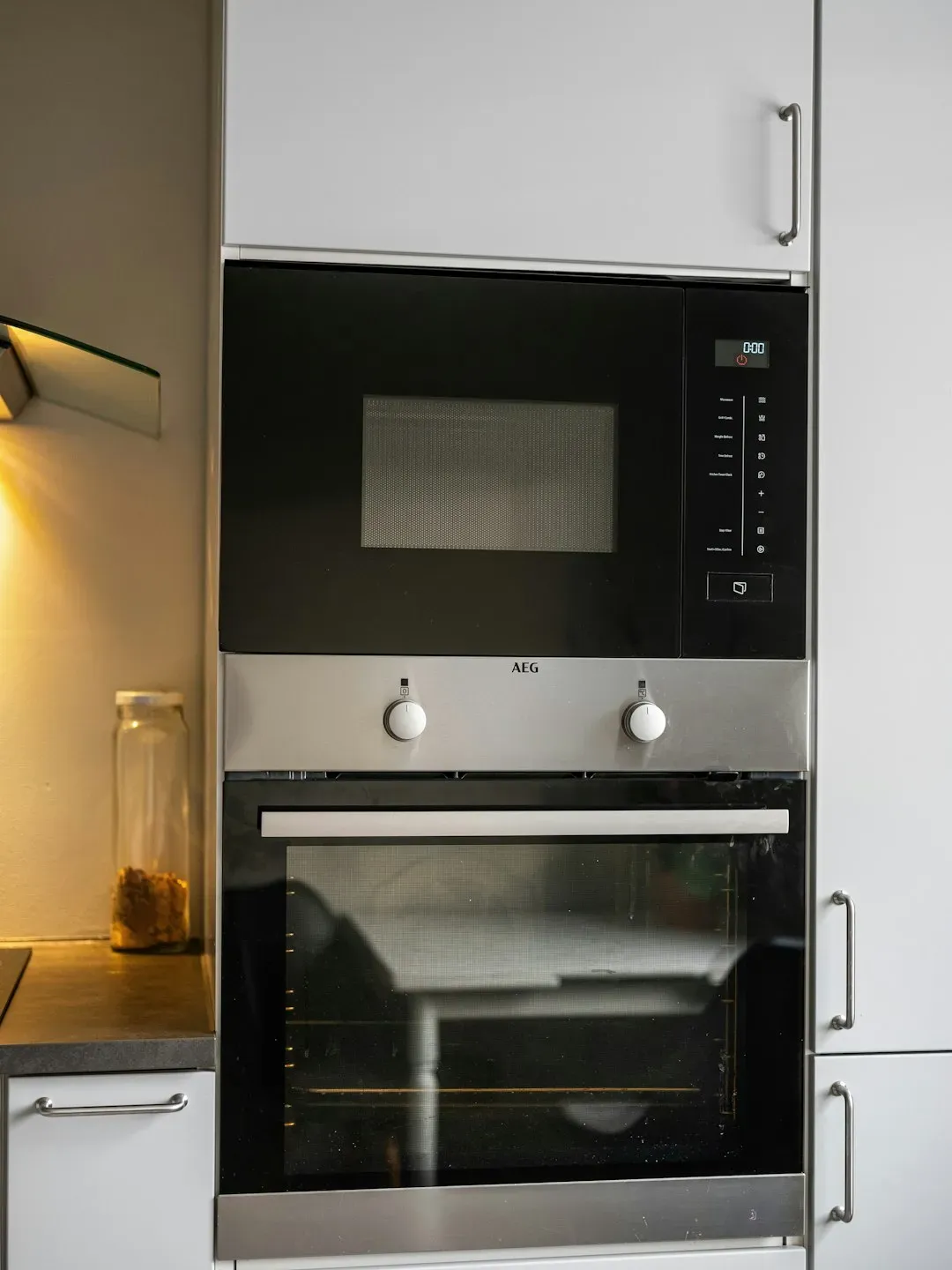
According to Consumer Reports reliability surveys, French door refrigerators and front-load washing machines consistently show the highest repair rates among major appliances. Over-the-range microwaves also show elevated failure rates relative to their short expected lifespan of just nine years. For an appliance that doubles as a ventilation hood, that's a lot of mechanical stress packed into one unit.
According to the NAHB Study of Life Expectancy of Home Components, microwaves last nine years on average. Combining a cooking appliance with a ventilation system in a single integrated unit simply multiplies the failure points. Microwave repairs, when feasible, usually cost between one hundred and two hundred dollars, though many homeowners opt for replacement given the relatively low cost of new units. Techs often point out that a countertop microwave with no ventilation duties will outlast most over-the-range models by a meaningful margin.
LG Refrigerators with Linear Compressors
LG Refrigerators with Linear Compressors (Image Credits: Pexels)
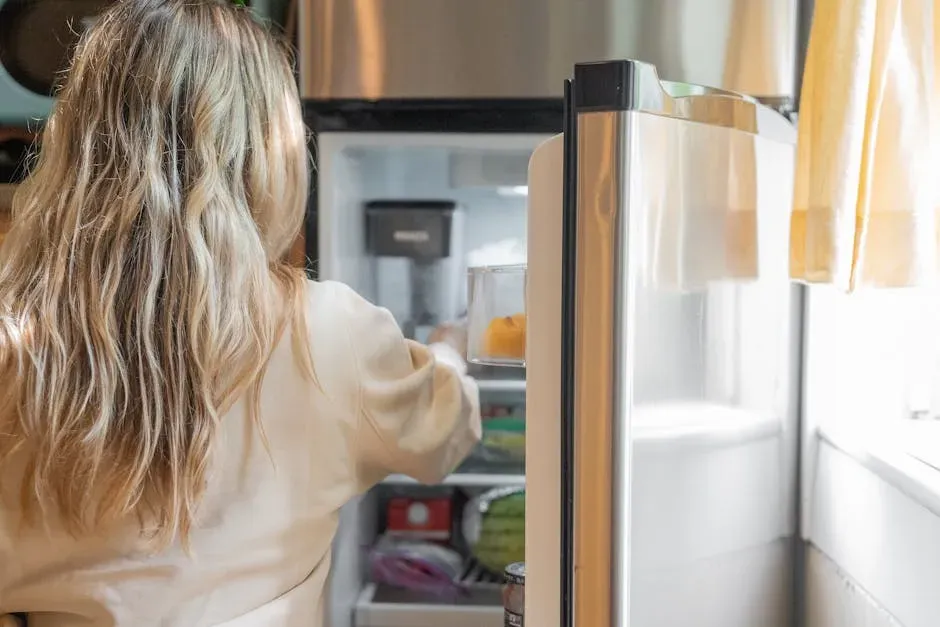
Consumer Reports surveys reveal that LG French door, side-by-side, bottom-freezer, and built-in refrigerators are more likely to have compressor problems than models made by most other brands. The linear compressor, while efficient and backed by a longer warranty, carries its own set of known failure patterns.
Once an LG linear compressor fails past year five, the repair bill covering labor, a new compressor, and refrigerant routinely reaches somewhere between eight hundred and twelve hundred dollars. Reviewers have noted that the compressors on LG refrigerators are prone to failure, and the compressor is typically the most expensive part to replace on any refrigerator, making this much more than a minor inconvenience. LG's laundry products are a different story entirely, but refrigeration is a category where caution is warranted.
Appliances with Proprietary Electronic Control Boards
Appliances with Proprietary Electronic Control Boards (Image Credits: Unsplash)
Every surveyed professional technician cited less durable materials as either a very significant or primary factor in reducing appliance lifetimes. All of the participating technicians also indicated that computerized components were at least a somewhat significant factor in declining appliance lifespans. Control boards sit at the center of this problem.
Appliances with complex electronic control boards fail more often within the first five years. Brands that prioritize mechanical reliability over smart features experience fewer breakdowns, and repair frequency varies significantly depending on appliance type. Repair barriers was the most popular choice for "primary factor" among the technicians surveyed, with roughly nineteen out of thirty-eight selecting it as a primary driver of shortened lifespans. In other words, technicians believe appliances would last longer if manufacturers made them easier to fix. When a proprietary board fails and the manufacturer no longer supports it, even a relatively young appliance can become a write-off.