
Most neighbor conflicts don’t start with something dramatic. They start with a bin left at the curb two days too long, or a party that ran a little past the reasonable hour, or a complaint posted online instead of spoken at the door. The friction builds not from malice, but from a simple unawareness of the unwritten code that keeps shared residential spaces livable.
Social norms are the unwritten rules about what is considered acceptable or appropriate in a community, and they’re usually things people just “know” – often enforced by others through either social rewards or quiet disapproval. In a neighborhood setting, those quiet signals can go unread for years. Here are five common violations that most people commit without ever intending to.
1. Treating Noise Limits as Suggestions Rather Than Standards

1. Treating Noise Limits as Suggestions Rather Than Standards (Image Credits: Unsplash)
Noise is one of the most common sources of neighborly disputes, and being mindful of noise levels, especially during late hours, is a basic form of respect for those living nearby. The problem is that many people gauge what's "acceptable" by their own comfort rather than by their neighbors' walls. Sound travels differently in different homes, and what feels moderate inside a kitchen can be clearly audible next door.
Familiarizing yourself with local noise ordinances matters more than most people realize. Quiet hours are typically set between 10 PM and 7 AM, though the specifics vary by municipality. If those ordinances are being violated, neighbors can contact their local police department or animal control service to file a noise complaint, and repeat violations can lead to citations and real fines. Most people don't realize how enforceable these rules actually are until they're on the wrong end of one.
2. Letting Trash Bins Linger at the Curb
2. Letting Trash Bins Linger at the Curb (Image Credits: Unsplash)
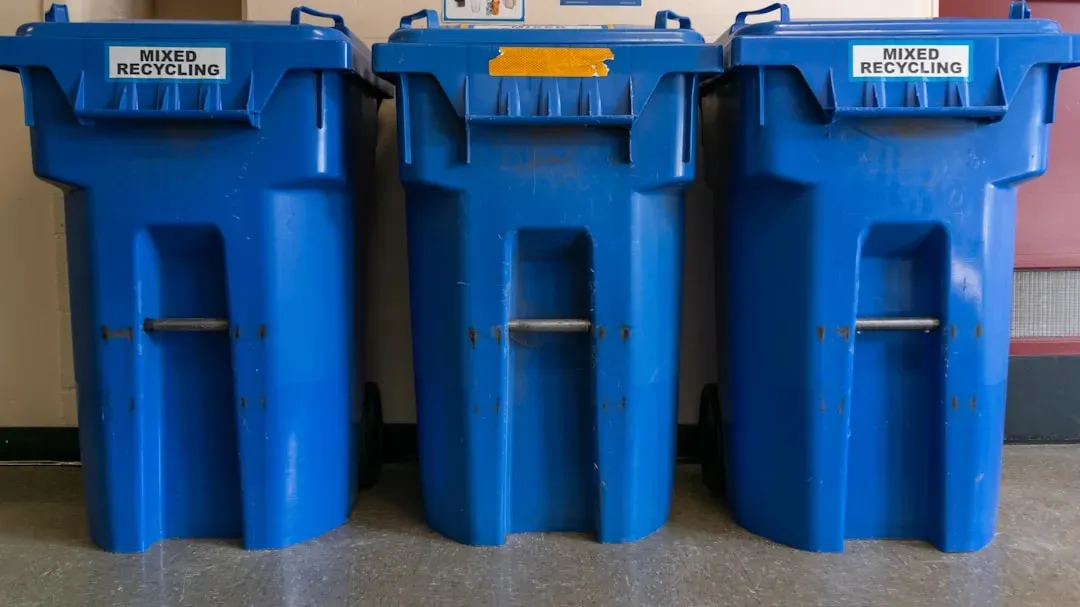
It seems minor. It isn't. Leaving garbage bins at the curb well after pickup is one of the most quietly resented habits in residential neighborhoods, and it tends to cluster around holiday weeks when schedules shift. Some HOA rules specifically prohibit bins from being left outside too long, and beyond aesthetics, placing a can out too early before pickup can even be a security risk, giving anyone the chance to rifle through personal papers.
Some counties in California, for example, only allow bins to remain on the public street for up to 36 hours, and similar rules exist across many other states and municipalities. If you're heading out of town on trash day, the considerate move is to arrange with a friend or neighbor to bring your cans in for you. It's a small logistical detail that quietly signals to the entire street whether you're a thoughtful neighbor or an oblivious one.
3. Ignoring the Property Line in Subtle Ways
3. Ignoring the Property Line in Subtle Ways (Image Credits: Pexels)
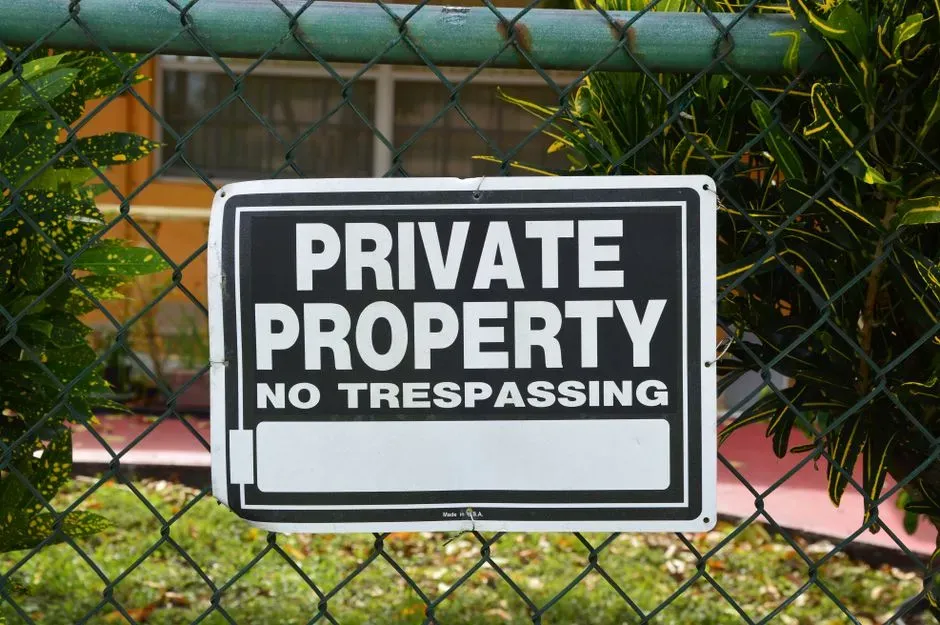
Property disputes happen more often than most people expect, and whether they involve boundaries, noise, or shared access, these disagreements can easily escalate and impact peace, property value, and community relationships. The most common version isn't a dramatic fence feud. It's a shrub that quietly encroaches, debris that drifts over, or a corner of a driveway that gets casually claimed over time.
Property line disputes often stem from ambiguity in property boundaries or ownership, with the absence of accurate boundary lines leading to confusion and genuine disagreements between neighbors. You do have the right to cut down branches that encroach on your property, but you must notify the property owner of your intentions first. If you damage the tree or affect its cosmetic appearance, you could be liable for up to three times the value of the tree – which can turn a casual afternoon of yard work into an expensive legal matter.
4. Complaining Online Before Talking in Person

4. Complaining Online Before Talking in Person (Image Credits: Unsplash)
When people have problems with neighbors or the local community, many go to apps like Nextdoor instead of facing the conflict head-on. In one widely circulated thread from late 2024, a user posted about a neighbor's early leaf-blowing without ever having had a conversation with that neighbor – which led to a 94-comment message stream. That pattern is remarkably common. A minor irritation gets broadcast to hundreds of people before the person next door has any idea there's even a problem.
Keyboard warriors are everywhere these days, using neighborhood apps and social media groups to share their frustration over everything from parking to pet behavior, but airing grievances publicly doesn't do much to actually solve the problem and typically just marks the person as a complainer. If you have a genuine problem with a particular neighbor, talking to them offline and not calling people out by name on social media is far more effective and far more respectful. Direct conversation resolves most issues that a comment thread never will.
5. Underestimating How Much Pets Affect Shared Spaces
5. Underestimating How Much Pets Affect Shared Spaces (Image Credits: Pexels)
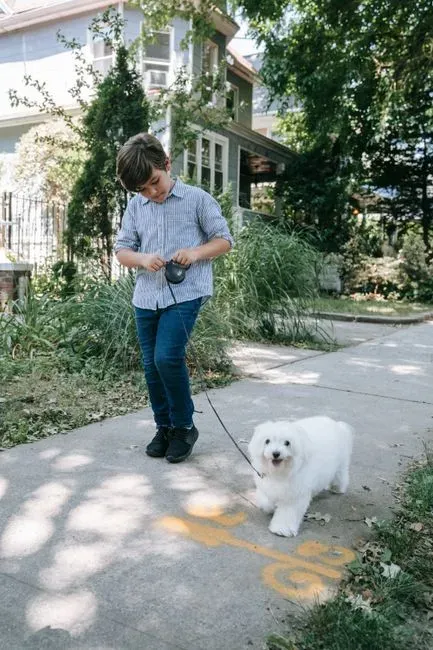
Being a responsible pet owner is crucial to maintaining peace within a community. That includes always cleaning up after your pets when walking them in shared spaces – which is not only courteous but genuinely hygienic. Most dog owners are well-intentioned, yet a surprising number skip the cleanup when no one's watching, or let a leash slip in a space that technically belongs to someone else.
Barking dogs can be a significant disturbance to surrounding homes, and ensuring pets are well-trained or kept indoors during quiet hours is part of basic neighbor consideration. A simple conversation about a barking dog might reveal that the pet owner is entirely unaware of the disturbance and genuinely willing to implement solutions like obedience training. Most of these situations aren't about bad neighbors. They're about information gaps that never get closed because the conversation never happens.
The thread running through all five of these rules is the same: the gap between what we intend and what our neighbors actually experience. Being a good neighbor isn't just about being friendly and approachable – it also involves showing consideration, respect, and empathy towards those living nearby, and building those positive relationships can genuinely improve safety and quality of life in a neighborhood. Awareness is usually enough to change the pattern. Most people, once they realize the effect, are happy to adjust.