
There was a very specific social economy running through every middle school hallway in the 1990s. You either had the stuff, or you didn’t. Status wasn’t measured in followers or algorithmic reach. It was measured in whether your backpack had the right keychain, whether your jeans were wide enough, or whether your pager actually went off in class. The rules were unspoken but universally understood.
Looking back from 2026, it’s almost surreal how seriously those signals were taken. Some of them were genuinely inventive. Others were just… spectacularly strange. Either way, here are the 15 things that once crowned you royalty in the school hallway and now mean absolutely nothing.
1. Owning a Pager (Beeper)
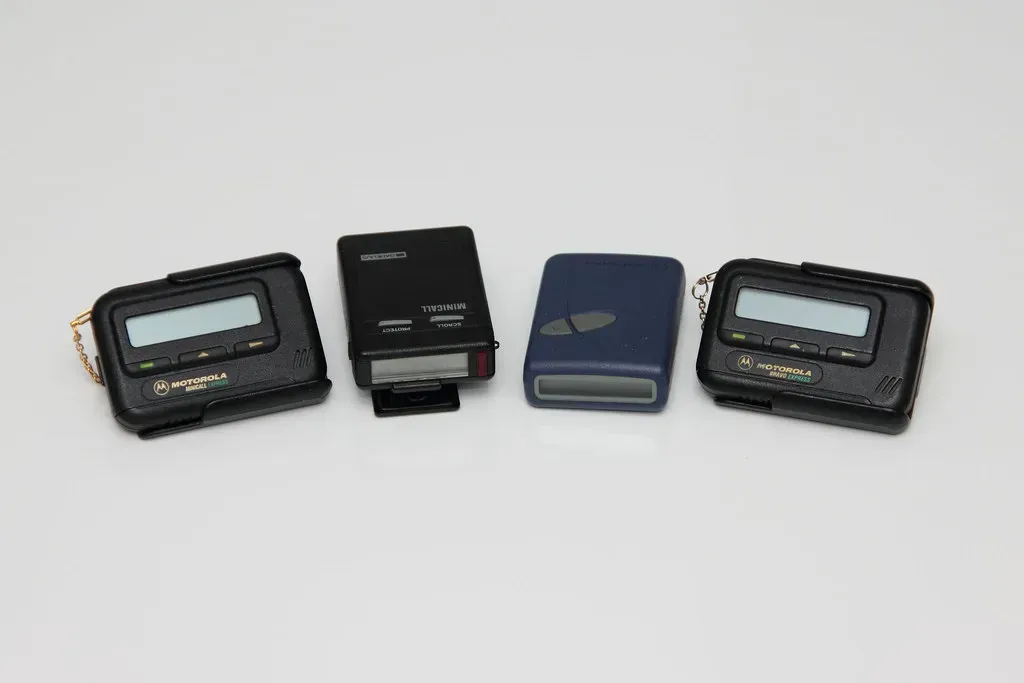
1. Owning a Pager (Beeper) (Hades2k, Flickr, <a href="https://creativecommons.org/licenses/by-sa/2.0/" target="_blank" rel="noopener">CC BY-SA 2.0</a>)
Before the age of smartphones and instant messaging, there was the humble pager. It was a small device that allowed you to receive short messages, and in the ’90s, having one clipped to your belt was the ultimate status symbol. It meant you were important, someone who needed to be reached at all times. The irony, of course, is that you still had to find a payphone to actually respond.
Pagers were a status symbol owned by roughly 61 million people at their peak, and those people no doubt thought they looked cool getting beeped in front of all their friends. Today, a pager on your belt would genuinely confuse most people under thirty. It’s not just obsolete; it’s essentially a museum piece.
2. Having a Tamagotchi Dangling from Your Backpack

2. Having a Tamagotchi Dangling from Your Backpack (Image Credits: Pixabay)
Having a Tamagotchi hanging from your backpack was like wearing a badge of honor in the ’90s. You had to feed it, clean up after it, and make sure it did not “die” from neglect. Kids compared their pets’ ages like bragging rights, and the older your digital pet was, the cooler you were. Teachers, predictably, were not fans.
Tamagotchi is a brand of handheld digital pets marketed since 1996 by Japanese toymaker Bandai, and the original release quickly became a major global toy fad. As of 2025, over 98 million units have been sold worldwide, though the playground cachet of keeping one alive through a double period of math class is long gone.
3. Wearing JNCO Jeans
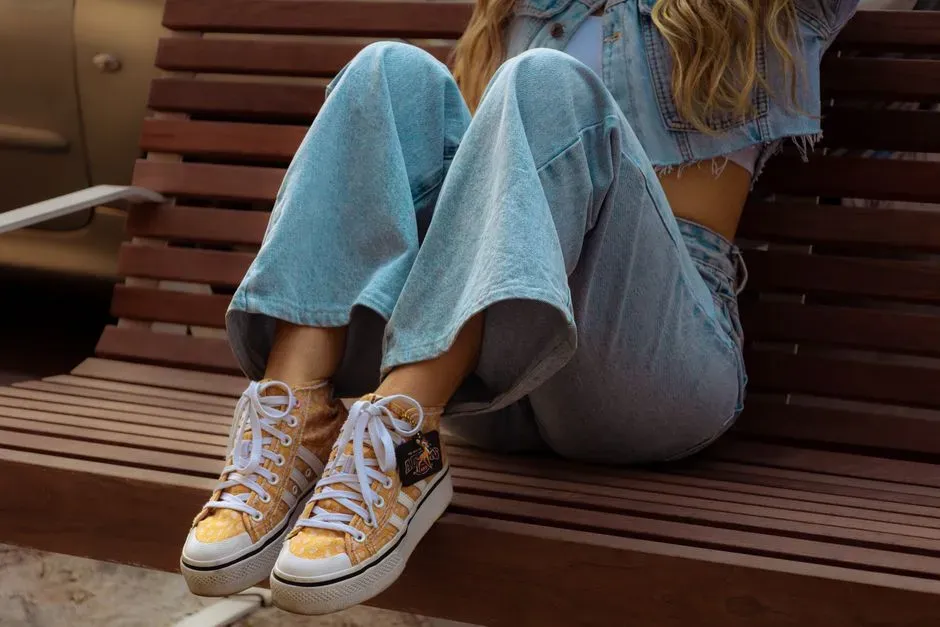
3. Wearing JNCO Jeans (Image Credits: Pexels)
JNCO jeans, short for “Judge None Choose One,” were synonymous with ’90s skater culture. These denim pants had ridiculously wide legs and became a symbol of anti-establishment cool. Wearing JNCOs signaled you belonged to the “freaks,” skaters, or ravers, not the preppy jocks or mainstream crowd. It was a badge of non-conformity in an otherwise conformist decade.
JNCO jeans peaked in popularity from around 1995 to 1999, with nearly $200 million in sales in 1998 alone. The extreme bagginess looked dated almost instantly after the turn of the millennium. While baggy pants were still around for guys in the early 2000s, it was a more tailored, refined bagginess. The pendulum was already swinging toward what would eventually become the skinny jean era.
4. Collecting Beanie Babies
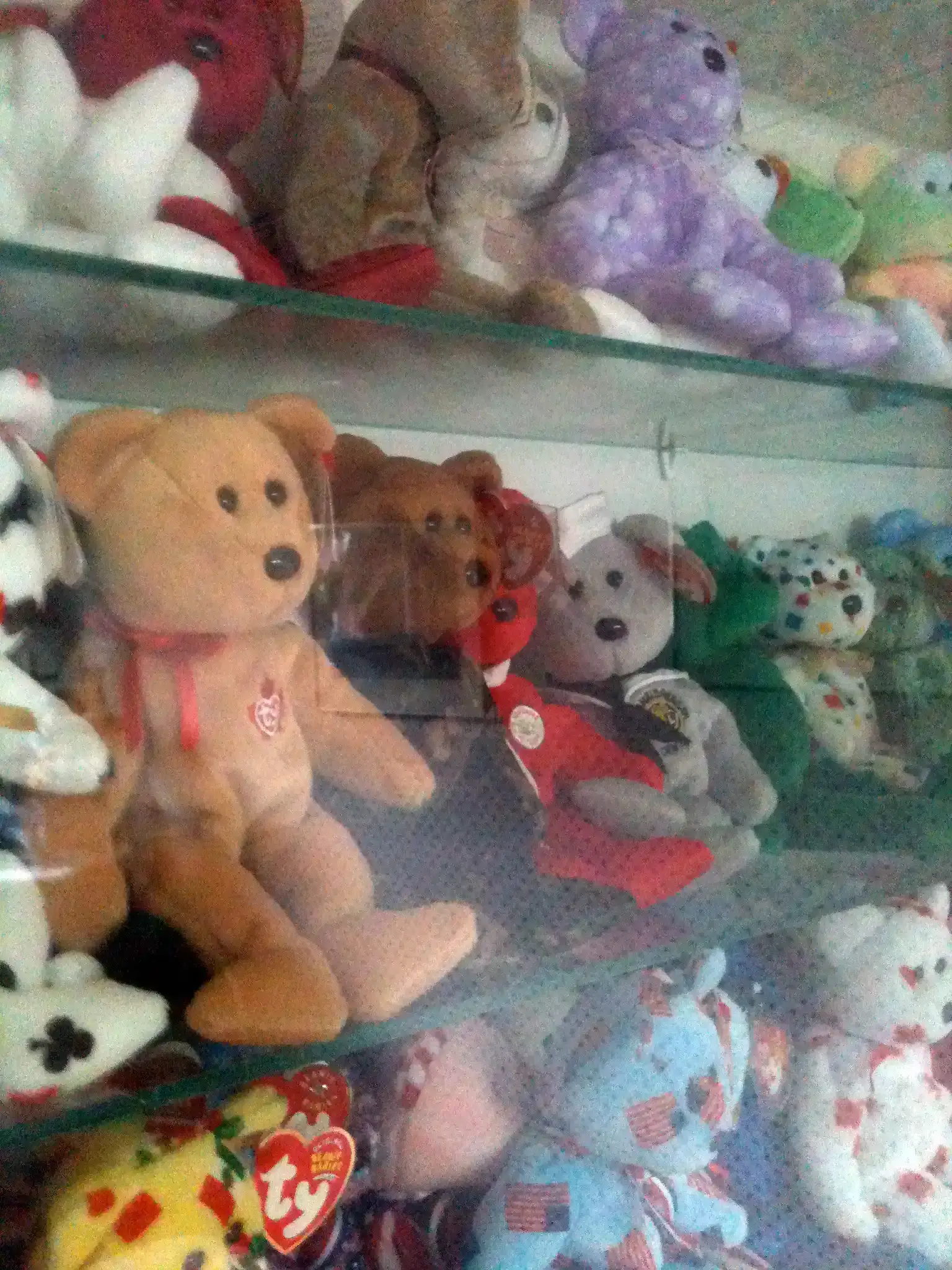
4. Collecting Beanie Babies (Mom's Beanies, <a href="https://commons.wikimedia.org/w/index.php?curid=79892376" target="_blank" rel="noopener">CC BY-SA 2.0</a>)
Launched by Ty Inc., Beanie Babies weren’t just plush toys – they were marketed as rare collectibles. Parents and kids alike hunted down limited runs, convinced they’d be worth a fortune someday. By the late ’90s, stores sold out within hours of new releases. The social currency of owning a hard-to-find Beanie Baby was very real at the time.
The Beanie Baby bubble burst, and those “rare” collectibles ended up in garage sales and second-hand stores. Today, seeing a grown adult with a serious Beanie Baby collection might raise some eyebrows, serving as a quirky reminder of how quickly fads come and go. Unfortunately for die-hard collectors, Beanie Babies never exploded in value, other than a few rare ones.
5. Sporting a Starter Jacket

5. Sporting a Starter Jacket (michaelcupino, Flickr, <a href="https://creativecommons.org/licenses/by-sa/2.0/" target="_blank" rel="noopener">CC BY-SA 2.0</a>)
When you think of 1990s sports memorabilia, there’s probably one image burned deep into your subconscious: the Starter jacket. Think a little longer and you’ll probably remember a snapback with a splash logo or maybe even a ceramic mug stamped with a faded team crest. There’s a reason why so many symbols of ’90s sports marketing are easily identifiable – the era was iconic.
While not everything from the era holds value, the ’90s were a turning point for apparel, and it’s the era when sports merchandising became something more than just fan gear. Starter jackets meant you had money, taste, and probably a very specific sports allegiance. Wearing one in 2026 reads as a costume choice rather than a status signal.
6. Slap Bracelets Stacked Up Your Arm
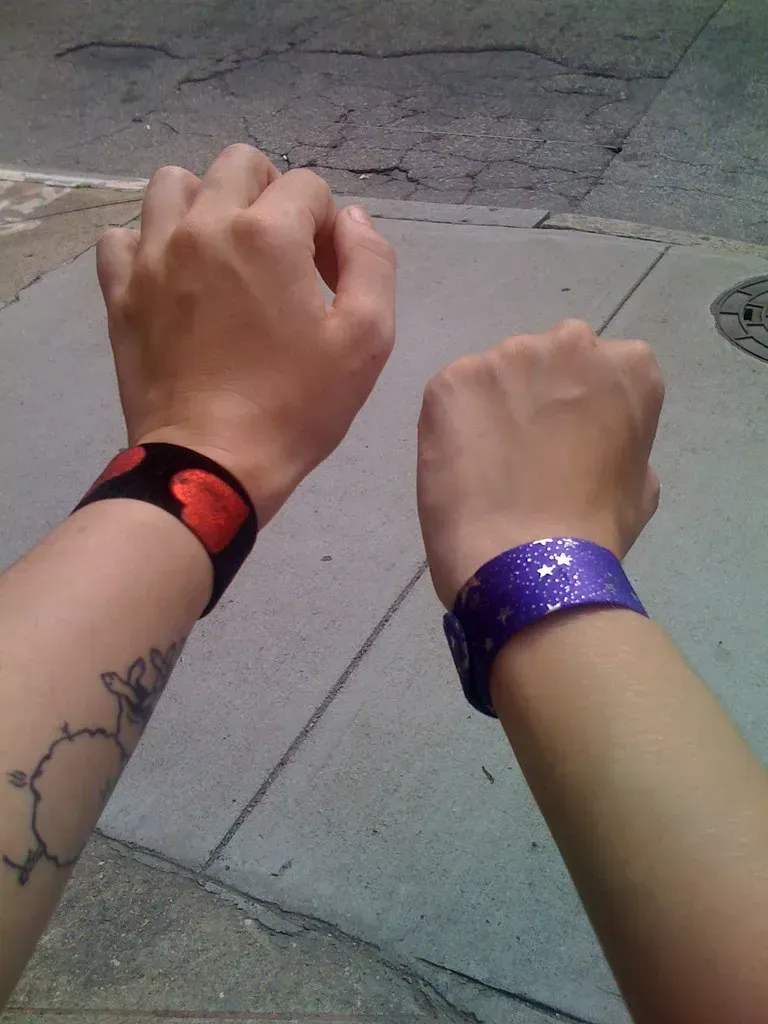
6. Slap Bracelets Stacked Up Your Arm (jyllish, Flickr, <a href="https://creativecommons.org/licenses/by-sa/2.0/" target="_blank" rel="noopener">CC BY-SA 2.0</a>)
Slap bracelets were one of the most exciting accessories a ’90s kid could have. There was something almost magical about taking a flat, colorful strip, slapping it against your wrist, and watching it wrap around perfectly. They came in every pattern and color imaginable, from neon animal prints to sparkly metallic.
Trading them with friends was practically a rite of passage, and having a collection on your arm made you feel like the coolest kid around. Part of their charm was also the sense of rebellion they carried. For a while, slap bracelets were banned in schools because teachers thought they were distracting, or even dangerous, thanks to a few rumors of cheap ones breaking apart. These days they’re a party bag novelty item, not a social ranking system.
7. Knowing the Best Blockbuster Pick
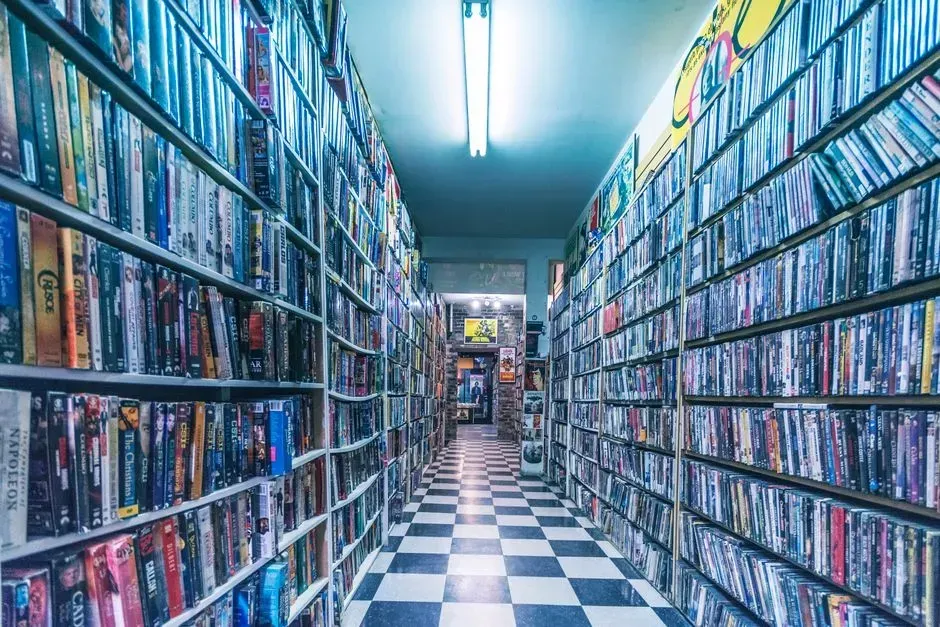
7. Knowing the Best Blockbuster Pick (Image Credits: Pexels)
Friday night at Blockbuster was a genuine social ritual. Every Friday night, kids and families would head to Blockbuster to pick out a movie, and being the person who always recommended the right title gave you a real kind of authority among your friend group. Knowing what was newly released – or snagging the last copy of a hot title – carried weight.
Blockbuster had roughly 9,000 stores at its peak in the early 2000s before streaming dismantled the entire model. Now, one single store remains open in Bend, Oregon. The social clout that came with a great Blockbuster recommendation has migrated entirely to streaming queues and algorithm-driven watch parties, where nobody really gets credit for anything.
8. Having the Coolest AIM Screen Name

8. Having the Coolest AIM Screen Name (Image Credits: <a href="https://commons.wikimedia.org/w/index.php?curid=328065" target="_blank" rel="noopener">LGPL</a>)
AOL Instant Messenger, or AIM, was the social network before social networks existed. Your screen name was your identity, your brand, and your personality compressed into a string of random words and numbers. A clever or edgy handle like “xXsk8r4lifeXx” or “volleyballgrl99” carried genuine social weight at school the next day.
AIM was officially shut down by AOL in December 2017, closing a chapter that had defined how an entire generation first learned to communicate digitally. The away message you crafted with a cryptic song lyric to hint at your feelings? That was performance art in its day. Now it sounds like a punchline, and rightly so.
9. Owning the Newest Game Console on Launch Day
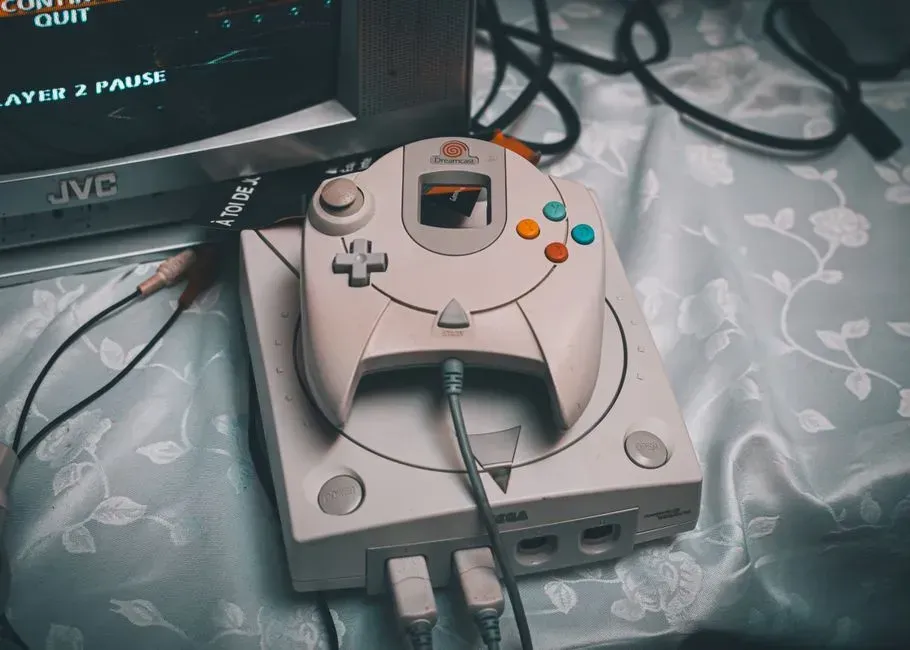
9. Owning the Newest Game Console on Launch Day (Image Credits: Pexels)
The ’90s were a pivotal time for technological advancements, and the revival of retro gaming consoles like the Nintendo 64 and the Sony PlayStation has rekindled the love for classic video games. At the time, though, simply having one of these on launch day made you the automatic center of every after-school gathering. Kids came over not necessarily for you, but definitely for the console.
The social dynamics around gaming have shifted completely. Today, gaming is one of the most mainstream entertainment categories on the planet, with hundreds of millions of players across every demographic. The prestige of owning the newest console has been diluted by the sheer scale of the industry. Everyone has one. Nobody is particularly impressed anymore.
10. Lisa Frank Everything
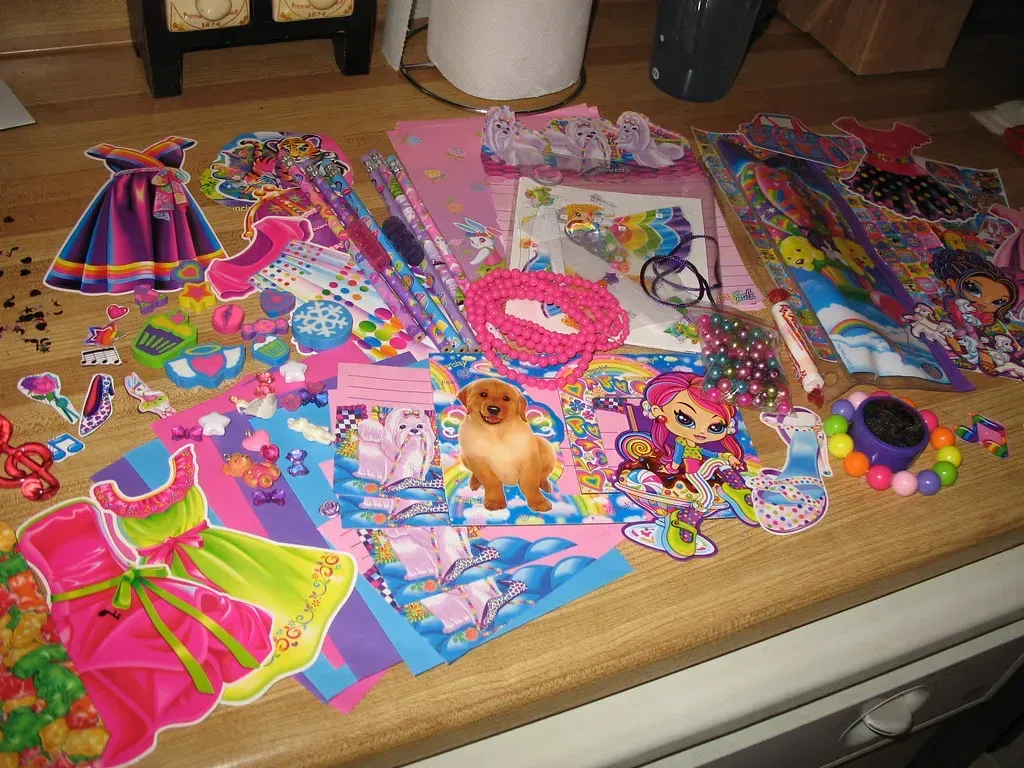
10. Lisa Frank Everything (exousiavampira, Flickr, <a href="https://creativecommons.org/licenses/by/2.0/" target="_blank" rel="noopener">CC BY 2.0</a>)
Lisa Frank’s neon-colored unicorns, dolphins, and rainbows were everywhere in the ’90s. Having her stationery made school supplies feel like a fashion accessory. It was a colorful way to show personality in an otherwise dull classroom. A full set of Lisa Frank folders, notebooks, and pencil cases was a legitimate flex on the first day of school.
The brand technically still exists and has attempted periodic comebacks, often through licensed collaborations and nostalgia-driven merchandise. The core product, however, a fluorescent trapper keeper, just doesn’t carry the same weight it once did. Ironically, the aesthetic has been reclaimed by internet culture as a kind of retro-ironic badge, which is a different thing entirely from genuine status.
11. Knowing Every Word to the Fresh Prince Theme

11. Knowing Every Word to the Fresh Prince Theme (Image Credits: Pexels)
Quoting lines from Will Smith or singing the theme song instantly made you part of the in-crowd. The show’s mix of humor, music, and style influenced fashion and slang. Knowing every character’s quirks was a sign you were pop culture-savvy. The Fresh Prince of Bel-Air ran from 1990 to 1996 and was one of the defining cultural touchstones of the decade.
The show still holds up surprisingly well, and its streaming presence on platforms like Peacock has introduced it to new audiences. The ’90s were a golden age for television, with iconic shows like The Fresh Prince of Bel-Air defining the cultural landscape. These shows not only captured the humor and social dynamics of the era but also became ingrained in the collective consciousness of viewers. Still, rattling off the entire theme song in 2026 gets you a polite smile, not a crowd.
12. Saturday Morning Cartoon Expertise
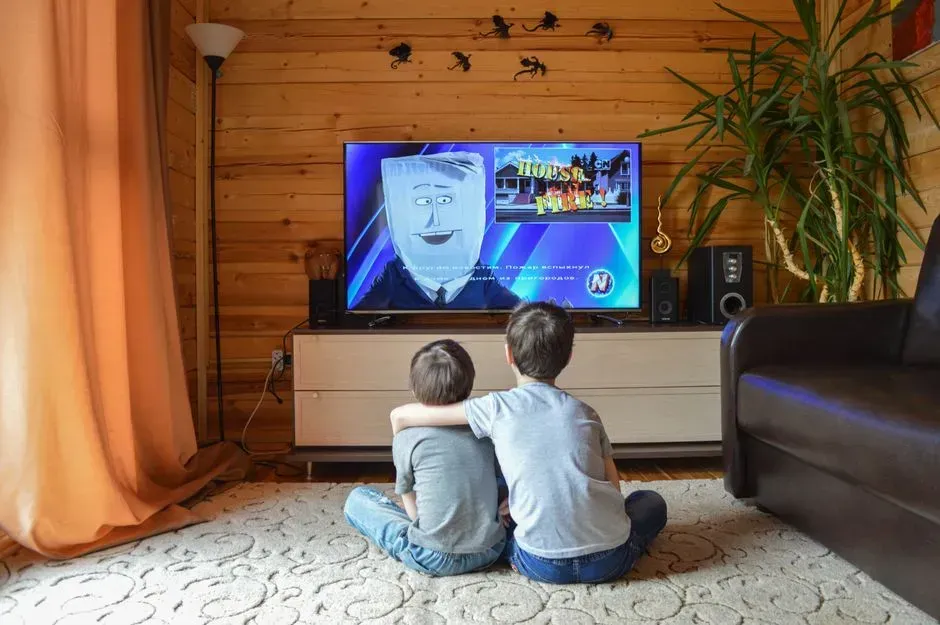
12. Saturday Morning Cartoon Expertise (Image Credits: Pexels)
Saturday morning cartoons belonged to a media era built on limits rather than personalization, a time before everything was curated. The schedule was shared, the choices were finite, and the experience was collective. Knowing which cartoon was on which channel at exactly 8 a.m. was a form of tribal knowledge that separated the truly devoted from casual viewers.
This collection of cartoons wasn’t just entertainment. They became cultural touchstones that helped to shape childhoods and sparked endless joy through playground conversations. In an age of on-demand streaming where every episode of every show is available at any moment, the shared experience of waiting for a cartoon to air simply doesn’t exist. The communal ritual is gone, replaced by something more convenient but undeniably more solitary.
13. Having a Massive CD Collection
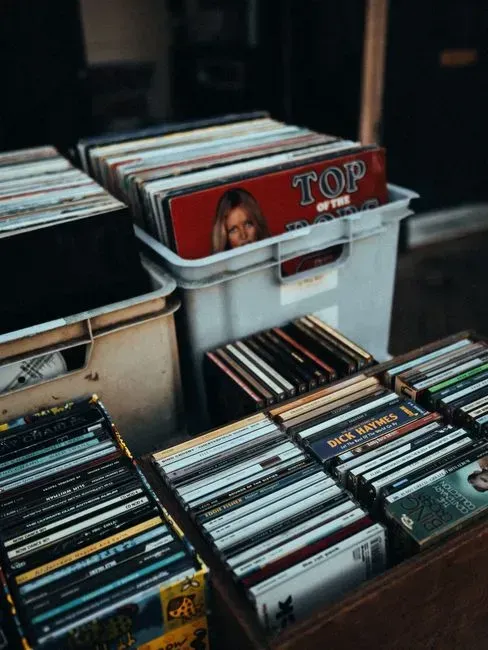
13. Having a Massive CD Collection (Image Credits: Pexels)
A dedicated CD rack stacked floor to ceiling in someone’s bedroom was once a serious statement of identity. The artists you chose, the number of albums you owned, and whether you’d gone to the trouble of getting the import edition all communicated something specific about who you were. Browsing someone’s collection told you everything you needed to know about them.
There’s been the resurgence of vinyl as the trend-setters’ choice of music consumption rather than the ease of a digital download, but the CD itself occupies an awkward middle ground – too recent to be retro, too old to be current. Streaming services have made access essentially free and borderless, which means ownership signals almost nothing about taste or commitment anymore.
14. Pulling Off a Fatality in Mortal Kombat
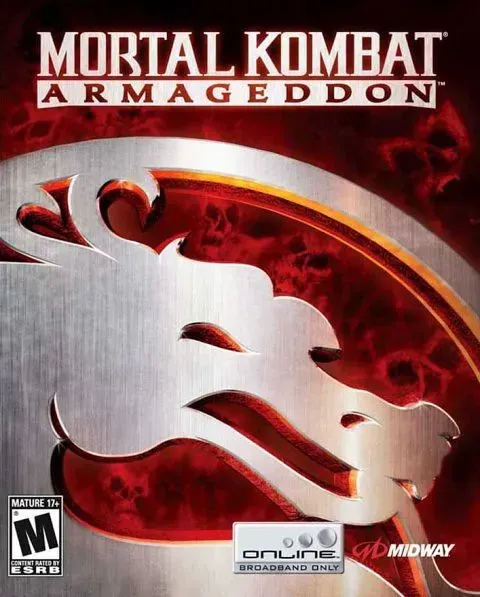
14. Pulling Off a Fatality in Mortal Kombat (ManuelSagra, Flickr, <a href="https://creativecommons.org/licenses/by/2.0/" target="_blank" rel="noopener">CC BY 2.0</a>)
Arcade and console gaming were at their peak in the ’90s, and Mortal Kombat ruled the scene. Pulling off a fatality in front of your friends proved you had skills. The button combinations were memorized like sacred texts. Being the kid who could execute Sub-Zero’s spine rip without hesitation commanded genuine admiration in any basement or arcade.
Mortal Kombat is still a thriving franchise, with new titles continuing to sell well in the mid-2020s. The gaming skill ceiling has risen dramatically across the industry, and competitive gaming now involves professional esports leagues with millions in prize money. A memorized fatality combo from 1993 impresses nobody. The bar has moved to an entirely different stratosphere.
15. Being the First to Know a New Slang Word

15. Being the First to Know a New Slang Word (Image Credits: Pixabay)
Before social media compressed cultural transmission into milliseconds, new slang moved through communities slowly, in real time, person to person. Being the first kid to drop a new phrase – “all that,” “talk to the hand,” “whatever” with the hand gesture – gave you a brief but very real moment of linguistic authority. You were, demonstrably, ahead of the curve.
The ’90s represented a period of cultural and technological transition. It was the bridge between the analogue and digital worlds, a time when society was on the cusp of the internet age. This unique blend of nostalgia and transformation makes the ’90s a particularly compelling era to revisit. Today, a slang word can travel from one corner of the internet to global mainstream usage in under 48 hours. Nobody is “first” to anything anymore, which might be the most telling change of all.
What’s striking about looking back at this list isn’t that these things were silly. Most of them were genuinely fun. What’s striking is how local and tangible the whole system was. Coolness in the ’90s required physical proof: something you wore, carried, owned, or could perform on demand. The digital age dissolved that entirely, replacing it with metrics that are simultaneously more visible and far less personal.