
There’s a particular kind of clarity that sets in about twelve months after you move into a new home. The staging is gone, the novelty has faded, and the house you were so certain was “the one” starts revealing itself in ways no open house ever could. It’s a moment millions of Americans know well.
Nearly half of recent homebuyers report regret within the first year, with unexpected maintenance, financial overextension, and hidden repair needs topping the list. The “forever home” idea – this notion that the right purchase permanently solves where and how you live – turns out to be more complicated in practice than it ever seemed on paper. Here are the six features and decisions buyers most commonly wish they’d thought harder about.
Too Much Maintenance, Too Little Warning
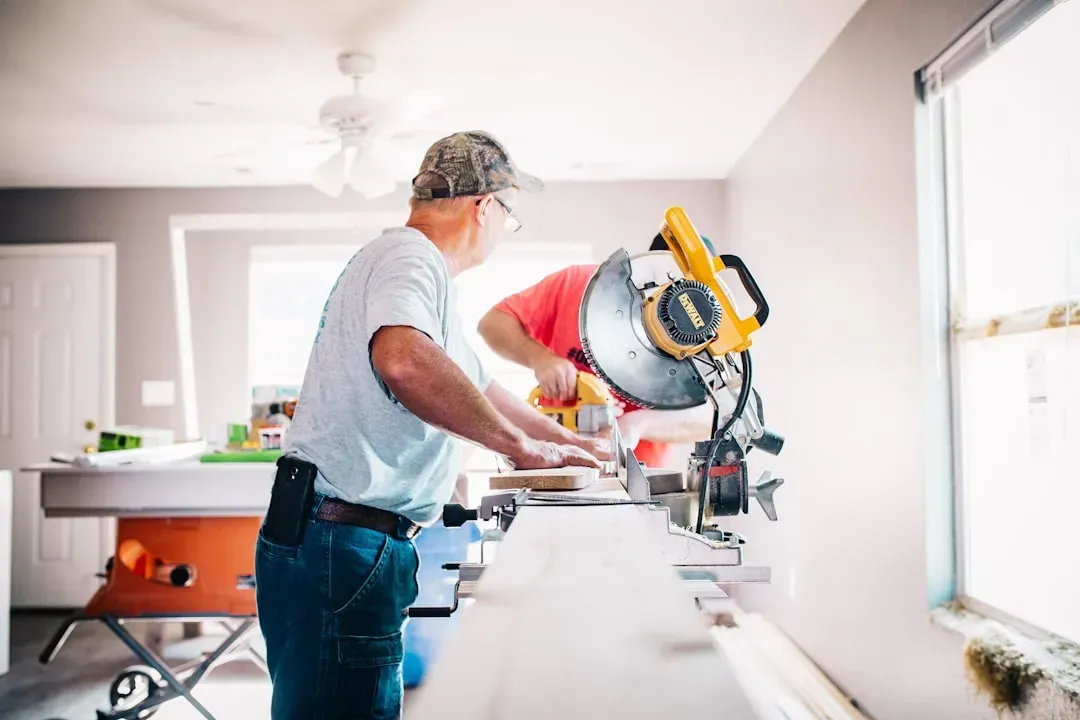
Too Much Maintenance, Too Little Warning (Image Credits: Unsplash)
Among Americans who bought a home in 2023 or 2024, the single most common regret is buying a home that requires too much maintenance. For the roughly one in four buyers who feel this remorse, the cost and time needed to maintain a home can be a shocking discovery, especially when a significant portion say the seller was not upfront about how much maintenance the home would require. The problem isn’t just inconvenience. It hits the wallet hard.
A 2024 Angi survey found new homeowners spent an average of $6,400 on unexpected repairs in their first 12 months. HVAC failures, water heater replacements, and appliance breakdowns are the most common surprises. Buyers who purchased older homes of 20 or more years reported spending nearly double that figure. For buyers who skipped or rushed the inspection process to win a competitive offer, this particular regret tends to sting the most.
Stretching the Budget Beyond Comfort

Stretching the Budget Beyond Comfort (Image Credits: Pexels)
Financial overextension is a close second among post-purchase regrets, with roughly three in ten surveyed buyers admitting they stretched beyond their comfortable budget. These two categories, maintenance costs and overspending, alone account for most buyer’s remorse cases heading into 2026. The gap between what buyers planned to spend and what they actually spent has been a persistent pattern across multiple years of survey data.
About 38% of buyers say they exceeded their initial budget when purchasing a home, and 37% think they overpaid. It’s a particularly common sentiment among first-time buyers, who often have smaller savings, limited budgets, and more conservative loans. Nearly half of new buyers exceeded their budget, compared to about one in three repeat buyers. Almost half of people who bought homes during that timeframe say they feel “in over their heads financially” since making their purchase, and 44% have taken on extra debt to maintain their lifestyle.
The Wrong Size Home for Real Life
The Wrong Size Home for Real Life (Image Credits: Pexels)
Among the top specific regrets cited in a 2025 Guardian Service survey, choosing the wrong home size ranked second, reported by nearly one in five buyers. This cuts both ways. Some buyers purchased more square footage than they needed, only to discover that heating, cooling, and furnishing it was far more expensive than expected. Others went smaller to win a bidding war and felt cramped within months.
Beyond location, outgrowing the home too quickly was a concern cited by roughly one in five buyers. Notably, homebuyer preferences around size have actually been shifting, with buyers in 2024 looking for homes around 2,070 square feet, compared to 2,260 square feet two decades ago. Even so, the mismatch between what a buyer thinks they need during the purchase excitement and what they actually live with day to day remains one of the most quietly persistent sources of regret.
Location Compromises That Never Quite Heal

Location Compromises That Never Quite Heal (Image Credits: Pixabay)
Location-related remorse, including commute length and neighborhood noise, ranks among the top five causes of buyer’s remorse. This is particularly true for younger buyers who were pushed further from preferred areas by affordability constraints. Gen Z buyers, among whom only about one in four reported a regret-free purchase, pointed to lifestyle mismatches such as commute and neighborhood dissatisfaction. Younger respondents were also more likely to be caught off guard by location compromises, showing how affordability pressures can push first-time buyers farther from preferred areas.
Beyond the common regret of a bad location, cited by roughly one in four buyers, other prevalent location-adjacent concerns include bad neighbors, high interest rates, and expensive mortgages. The top priority among buyers was finding a home in a good neighborhood, but of those, nearly one in four had to settle for a home in a less-desirable area. Once you’re living somewhere, the commute adds up daily in ways that a Saturday afternoon visit to the neighborhood never reveals.
Rushing the Decision Under Market Pressure

Rushing the Decision Under Market Pressure (Image Credits: Unsplash)
Rushed decisions were a common source of regret. In fact, 38% of first-time buyers said they felt pressured to decide quickly, and those who did were nearly three times more likely to experience buyer’s remorse. The competitive markets of the early and mid 2020s made this problem especially acute. Buyers who waived inspections or skipped contingencies to compete often paid for it later.
The Clever survey found that 22% of home buyers said they bought their home too quickly. There’s real structural evidence that slowing down helps. The Realtor.com 2025 Consumer Attitudes and Usage Study shows that in 2025 nearly four in ten recent buyers reported no regrets about their home purchase, up six percentage points from 2023. With homes sitting on the market a median of 63 days in October 2025, nearly two weeks longer than the same month in 2023, the slower pace gave buyers more time to weigh their decisions.
Skipping or Underweighting the Home Inspection
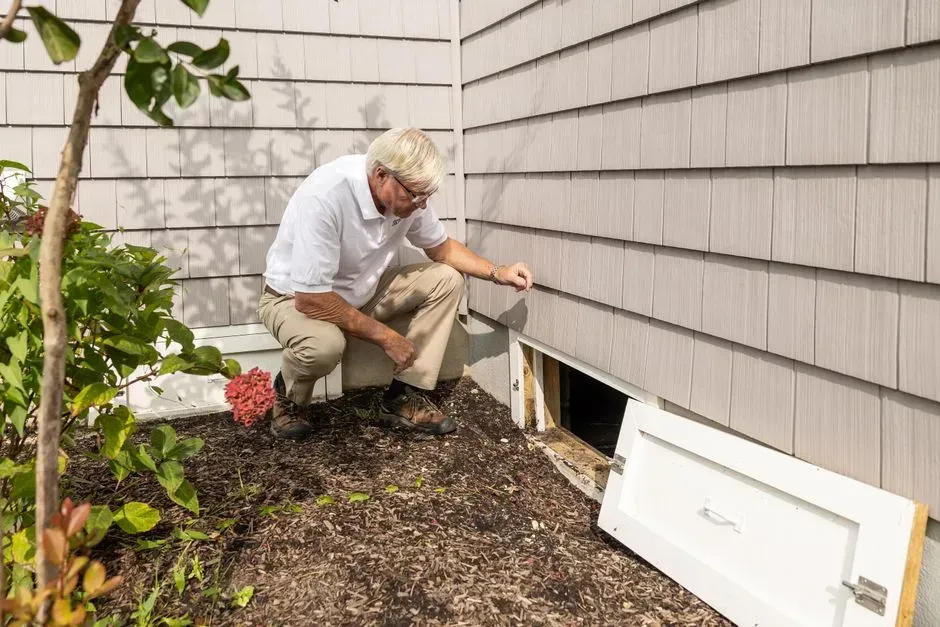
Skipping or Underweighting the Home Inspection (Image Credits: Pexels)
Gen Z buyers were the most likely to experience post-purchase remorse, with only about one in four reporting no regrets at all. They specifically cited skipping inspections, higher ownership costs, and household spending as top post-purchase concerns. The pattern traces directly back to the bidding-war era, when waiving inspection contingencies became a common tactic to win offers.
Foundation problems top the list of costly surprises, with repairs averaging between $5,000 and $15,000 and sometimes exceeding $30,000. Roof replacements run between $8,000 and $25,000 depending on materials and square footage. Outdated electrical panels and polybutylene plumbing, common in homes built before 1995, cost between $4,000 and $12,000 to replace. Survey respondents rated updated kitchens and remodeled bathrooms as the most important features during their home search, rating these much higher than more operational aspects of a home like having a solid foundation or updated electrical system. That disconnect between what catches the eye and what actually matters is, in many ways, the entire story of post-purchase regret.