
A regular paycheck has a way of creating a convincing illusion of financial stability. The deposits arrive on schedule, the bills get paid, and life continues to look more or less fine from the outside. Yet for a growing number of Americans, that surface-level calm masks a financial reality that’s quietly deteriorating beneath it.
The gap between earning a steady income and actually being financially secure has widened considerably in recent years. About 34% of Americans in 2026 describe their financial situation as “struggling” or “in crisis,” up from 22% in 2021 – a 55% increase in just five years. If you’ve been wondering why each month feels tighter than it should, here are six signs worth taking seriously.
1. Your Emergency Fund Is Basically Nonexistent
1. Your Emergency Fund Is Basically Nonexistent (Image Credits: Unsplash)
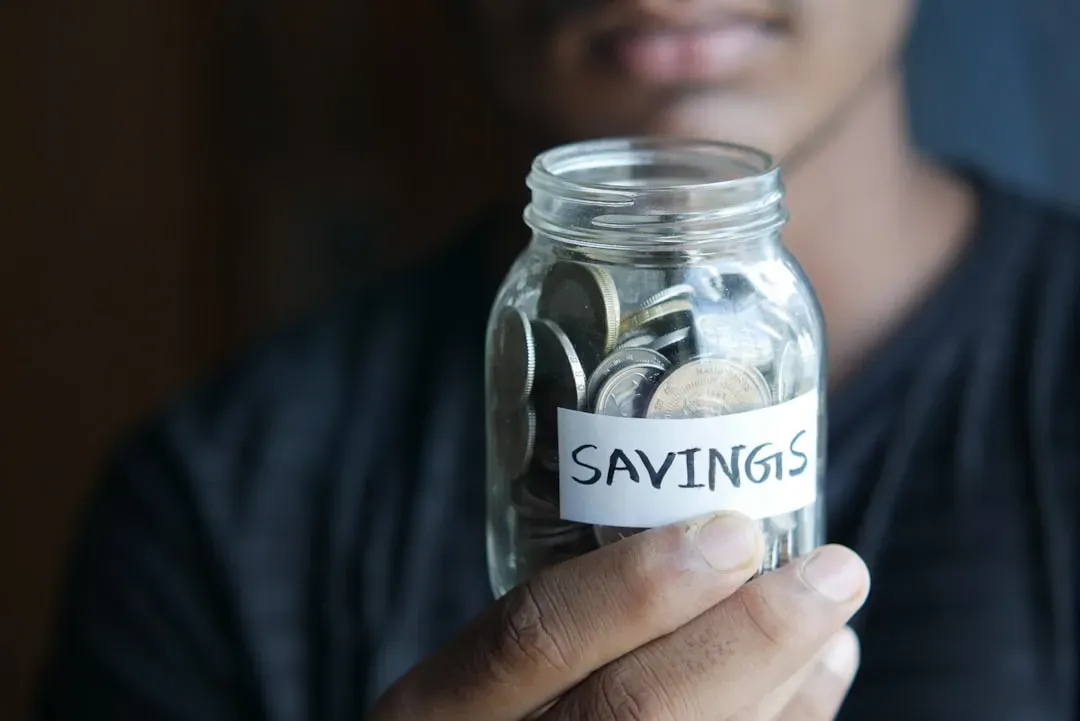
The standard advice to keep three to six months of expenses in an accessible savings account sounds straightforward enough – until you try to actually build it. According to Bankrate's 2026 Emergency Savings Report, more than half of Americans have more credit card debt than emergency savings, and 17% have no emergency savings at all, with 58% saying their savings haven't grown in the past year. That's a striking number, even for people with predictable income coming in every two weeks.
Just 47% of Americans indicate they have sufficient liquidity or access to funds to cover a $1,000 emergency expense, according to Bankrate. That means if your car breaks down or a medical bill appears out of nowhere, you're likely reaching for a credit card, not a savings account. A steady paycheck doesn't protect you if all of it is already spoken for before the next one arrives.
2. Inflation Is Eating Your Raises Alive
2. Inflation Is Eating Your Raises Alive (Image Credits: Unsplash)
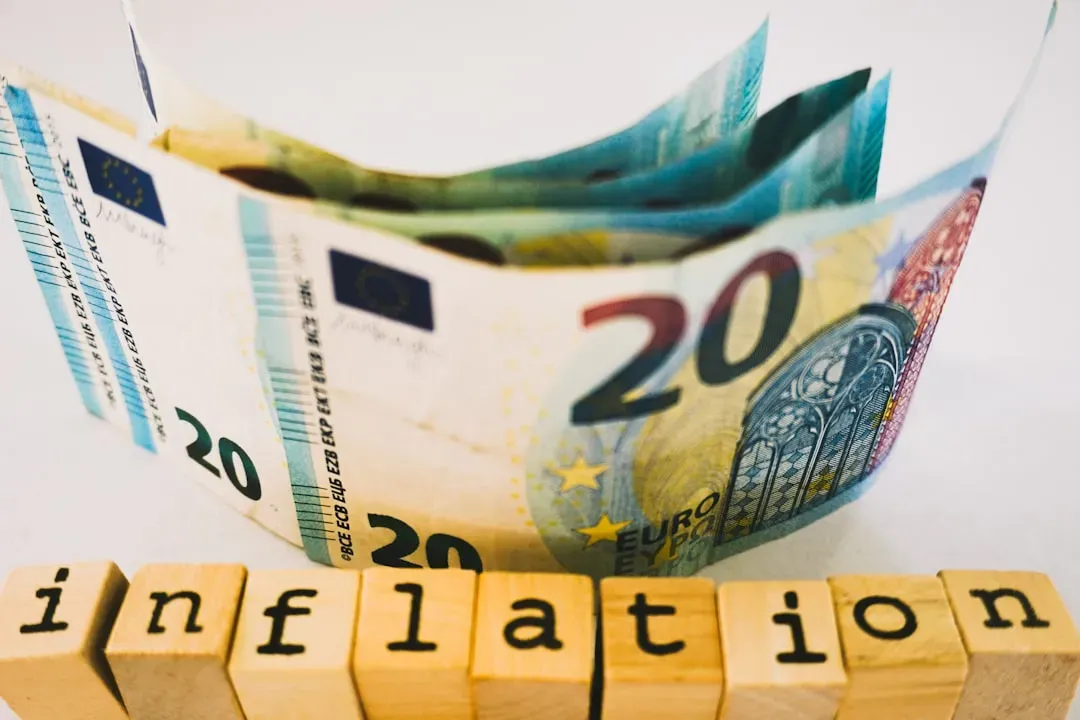
Getting a raise feels like progress. The number on your paycheck goes up, and it's natural to feel like you're moving forward. The problem is that for many middle- and lower-income earners, the raise isn't even keeping pace with rising costs. Inflation has stayed fairly high, up 3.0% year-over-year, and after-tax wage and salary growth for middle- and lower-income households has not kept pace, increasing only around 2%.
Getting a 2% annual raise feels good until you realize your expenses increased 4% – you're actually falling behind despite working harder and earning nominally more. This erosion is gradual and easy to miss because your bank account never hits zero in any dramatic way. It just slowly shrinks your margin, month by month, until there's almost none left.
3. You're Carrying Revolving Credit Card Debt

3. You're Carrying Revolving Credit Card Debt (Image Credits: Unsplash)
Credit cards work perfectly well as a tool when you pay the full balance each month. They turn into a slow financial drain the moment you start carrying a balance. U.S. credit card debt reached $1.28 trillion in the fourth quarter of 2025, with the average cardholder owing $7,886 at a 25% APR, costing nearly $2,000 annually in interest alone. That's thousands of dollars a year that never goes toward anything you actually want or need.
A clear warning sign is when your salary has increased but your credit card debt has risen rather than been paid down. It suggests that your spending is outpacing even your growing income. The number of households making just the minimum payment on credit cards has been rising, according to Bank of America research. Minimum payments barely touch the principal, and at current interest rates, debt compounds faster than most people realize.
4. Lifestyle Creep Has Quietly Taken Over Your Budget
4. Lifestyle Creep Has Quietly Taken Over Your Budget (Image Credits: Unsplash)
Lifestyle creep is one of the harder financial problems to detect because it doesn't feel like a problem at all. Each individual upgrade seems reasonable, even deserved. A nicer apartment when you got a promotion. A newer car when the old one needed repairs. Streaming services that add up to well over a hundred dollars a month. Lifestyle creep, which experts call lifestyle inflation, sneaks up when your spending grows along with your income – your bigger paycheck leads to small luxuries like more restaurant meals or premium items you wouldn't have called affordable before, and this money trap can wreck your long-term financial health if you don't catch it early.
According to a 2024 report by PYMNTS Intelligence, roughly one in three of those earning $200,000 or more still live paycheck to paycheck. High income alone doesn't solve the problem. Some high earners have impressive incomes, but their net worth doesn't reflect their earnings – instead of building wealth, they've let their income dictate their lifestyle. The paycheck funds the lifestyle rather than building anything beneath it.
5. You're Behind on Retirement Savings Without Knowing It

5. You're Behind on Retirement Savings Without Knowing It (Sustainable Economies Law Center, Flickr, <a href="https://creativecommons.org/licenses/by-sa/2.0/" target="_blank" rel="noopener">CC BY-SA 2.0</a>)
Retirement can feel abstract when you're in your thirties or forties. There's always next year, the next raise, the next bonus. Yet time is the single most valuable ingredient in retirement savings, and years lost to low contribution rates are genuinely difficult to recover. People caught up in lifestyle inflation often end up with small emergency funds, too little retirement savings, or stuck with high-interest debt. The three problems tend to come as a package.
The median retirement savings for working-age Americans is just $87,000. For most people, that figure falls dramatically short of what a comfortable retirement actually requires. One sure sign that your lifestyle may be creeping up too much is that you begin saving and investing less and less, as a little debt begins to pile up – and as you spend more on extras, there's less money left for your savings, retirement plans, and investments, which can delay reaching your financial goals. The math compounds quietly in the wrong direction the longer contributions stay low.
6. A Single Unexpected Expense Would Genuinely Destabilize You

6. A Single Unexpected Expense Would Genuinely Destabilize You (Image Credits: Pexels)
This is perhaps the clearest measure of financial fragility, and it's worth sitting with honestly. If your car needed a $1,500 repair tomorrow, would you be able to handle it without borrowing money, delaying a bill, or feeling genuine panic? When you aren't able to save money because your whole paycheck is going toward bills, you can't create a buffer to cover unexpected expenses – and the unexpected always comes, whether it's a car repair, a medical bill, or a broken appliance – and when there's no cushion, a small money emergency can quickly become a full-blown crisis.
About half of U.S. adults experienced an unexpected money emergency in the last five years. That's not a rare event – it's almost a statistical certainty over any meaningful stretch of time. Miss one paycheck and everything collapses: a car repair becomes a financial emergency, a medical bill requires credit cards or payment plans, and there is no buffer, no margin for error, and no path forward if income stops. If that description sounds familiar rather than alarming, that's the sign itself.
A steady paycheck is genuinely valuable, but it's only a starting point – not a destination. The income tells you what's possible. What you do with it determines where you actually end up. Recognizing these patterns early is the difference between course-correcting with room to breathe and finding out too late that the gap was larger than it appeared.