
Most people think bank service is the same for everyone. You walk in, take a number, and wait your turn. The teller smiles, processes your request, and you leave. Simple, transactional, equal. That picture isn’t entirely wrong, but it misses a layer that experienced bank employees see every single day.
The truth is, customer experience has become the new competitive edge in banking, with trust and satisfaction now outweighing interest rates or product variety in building long-term relationships. What that means in practice is that banks are paying close attention to behavior, and certain habits quietly open doors to more attentive service, better terms, and a relationship that actually works in your favor.
1. Consolidating Your Accounts Under One Roof
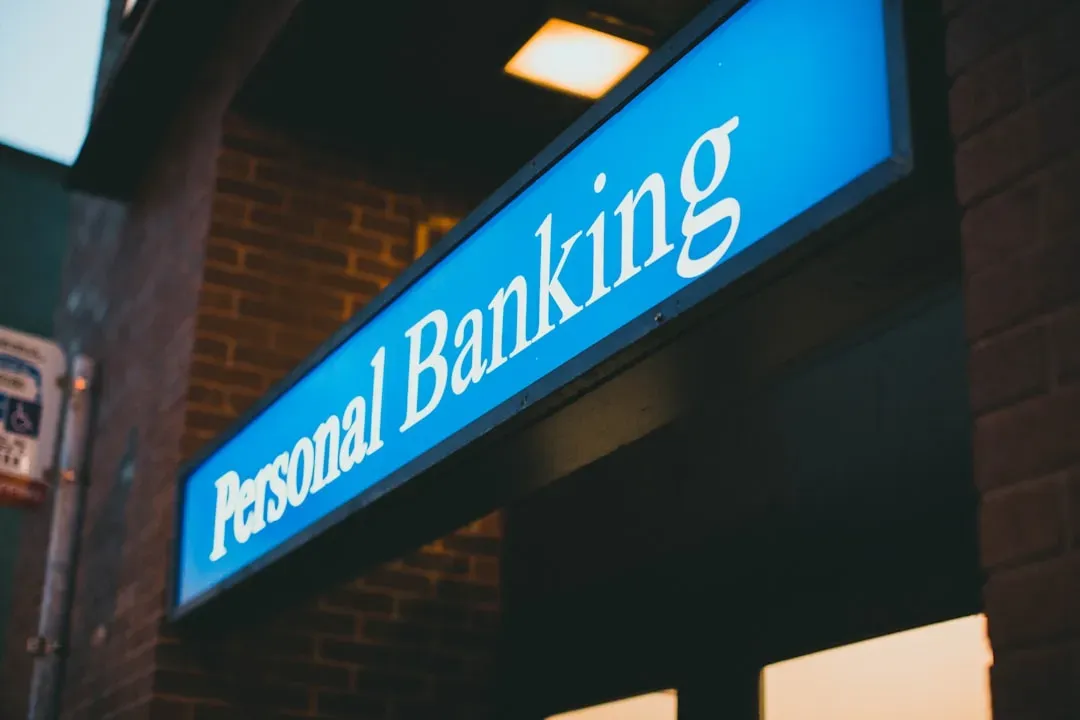
1. Consolidating Your Accounts Under One Roof (Image Credits: Unsplash)
Many banks offer relationship-based levels of service and pricing based on how many accounts and services you hold with them. When you consolidate your money under one roof, you're more likely to meet balance thresholds that qualify you for premium interest on savings, lower loan rates, and waived fees. It's a straightforward equation that most customers overlook.
When a single bank manages your full financial profile, your banker can see the whole picture, making them better equipped to offer personalized advice and more flexible solutions. This means you're no longer just another account number – you become a known customer backed by a partner who understands your situation.
2. Setting Up Direct Deposit
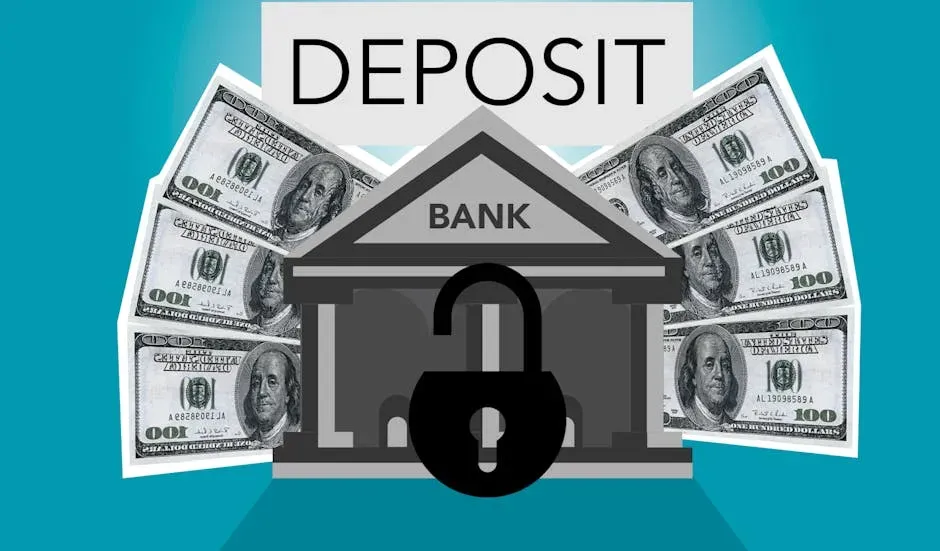
2. Setting Up Direct Deposit (Image Credits: Pexels)
Direct deposit is a convenient and efficient way to receive your paycheck, but beyond that, it can also have indirect effects on your financial relationship with a bank. It signals stability and regularity, two things that bank staff genuinely notice over time.
While direct deposit does not directly affect your credit score, its benefits can lead to positive changes in your financial habits and stability. By ensuring timely payments and helping with budgeting, direct deposit can help you maintain and improve your overall financial profile over time. Banks see consistent direct deposit customers as lower-risk, which translates into smoother service conversations.
3. Maintaining a Clean Banking History

3. Maintaining a Clean Banking History (Image Credits: Pexels)
Banks pay close attention to your deposit account score. It tells them how you've handled regular bank accounts – whether you've had unpaid fees, bounced checks, or accounts closed in the past. It's essentially an internal reputation score that follows you quietly.
If your score is too low, you might have trouble opening a new account, or you could be offered fewer options, more fees, and less flexibility. Customers who keep accounts in good standing, avoid chronic overdrafts, and pay fees promptly earn a kind of quiet trust that makes future requests far easier to process.
4. Using Digital Channels Regularly

4. Using Digital Channels Regularly (Image Credits: Unsplash)
The number of mobile banking users has reached roughly 3.6 billion as of 2025, and nearly eight in ten banking interactions now occur through digital channels. Customers who engage through apps and online platforms demonstrate familiarity with their finances, which banks regard as a positive behavioral signal.
Self-service is becoming the norm, with most customers trying to resolve issues before contacting support. Well-designed portals and mobile banking apps reduce call volume and improve the overall customer experience. When you show up for in-person conversations already informed and prepared, branch staff can skip the basics and focus on genuinely helping you.
5. Communicating Proactively Before Problems Arise

5. Communicating Proactively Before Problems Arise (Image Credits: Unsplash)
The key to preserving engagement and satisfaction lies in maintaining open lines of communication. Actively seeking feedback and staying in contact underscores that you value the relationship, which in turn contributes to enhancing service delivery. This works both ways: the customer who calls ahead to flag an unusual transaction or an upcoming large withdrawal is the one who avoids account freezes and delays.
Being proactive means reaching out before problems even surface. Instead of waiting for an issue, stepping in early shows the other party they're valued and keeps the relationship running smoothly. Branch managers and relationship bankers remember customers who communicate clearly – and they respond in kind when those customers need something done quickly.
6. Asking Thoughtful Questions About Your Financial Goals

6. Asking Thoughtful Questions About Your Financial Goals (Image Credits: Pexels)
A bank relationship manager's fundamental duty is to cater to the financial needs of clients and nurture a lasting bond as their primary point of contact. They oversee accounts, predict future financial requirements, and recommend additional services. Relationship managers evaluate financial goals and offer customized advice for both immediate and long-term aspirations.
Customers who treat those conversations as genuine exchanges rather than formalities get more out of them. Banks that prioritize relationship banking invest substantial resources into understanding and anticipating your financial needs. This means taking time to have meaningful conversations, allowing the bank to truly grasp your unique situation and adapt accordingly.
7. Keeping a Healthy Credit Profile
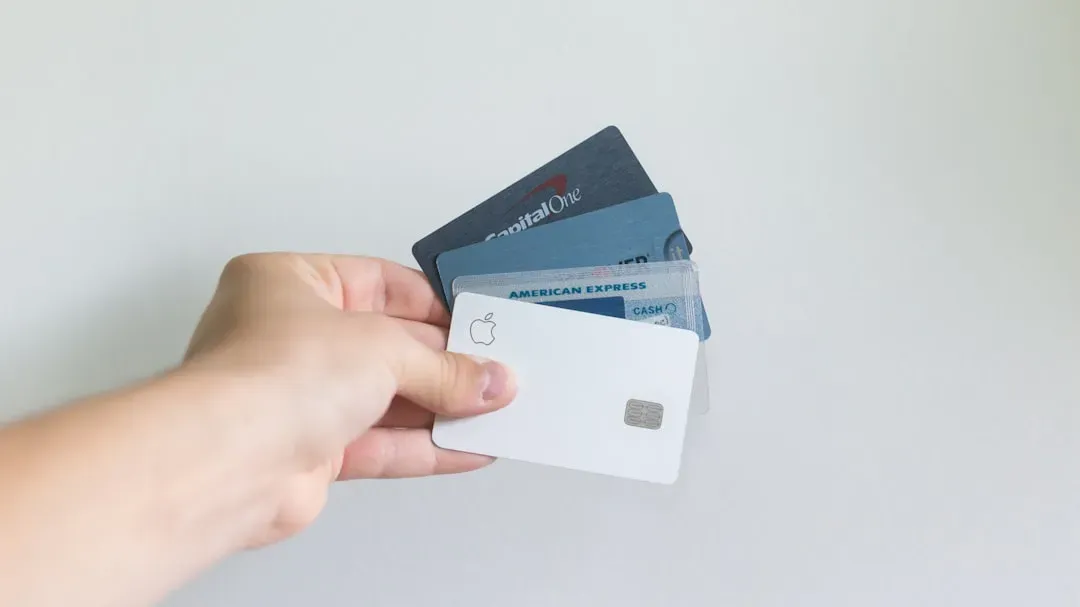
7. Keeping a Healthy Credit Profile (Image Credits: Unsplash)
Your credit score is an essential part of building financial security and accessing favorable rates and terms from lenders. It is typically used by lenders when determining whether to lend you funds, among other factors. A strong credit profile doesn't just unlock better loan terms; it changes how staff interact with you from the first conversation.
Credit usage above roughly thirty percent can negatively impact your score, so understanding how much of your available credit you're using is helpful in maintaining strong financial health. Customers who monitor and manage their credit regularly tend to arrive at banking appointments prepared, which makes those conversations more productive for everyone involved.
8. Enrolling in Loyalty and Rewards Programs
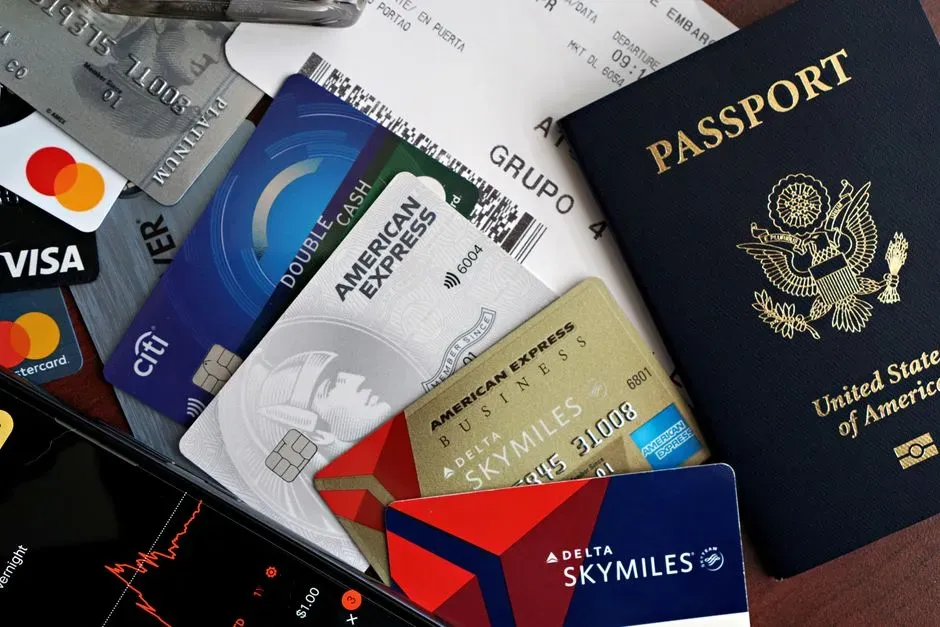
8. Enrolling in Loyalty and Rewards Programs (Image Credits: Pexels)
Loyalty programs reinforce a personalized approach by rewarding customers for their ongoing engagement with the bank. Programs like Bank of America's Preferred Rewards or Citibank's ThankYou Rewards offer tiered benefits that increase as customers deepen their relationship, providing tangible rewards that resonate with specific behaviors and preferences.
Preferred Rewards has been credited with improving bank customer retention and increasing cross-product holding. Customers in the program are significantly more likely to consider the bank for additional products, because the more they bank, the more perks they unlock. Participating actively in these programs puts you on the radar of staff who are trained to recognize and reward engaged customers.
9. Responding to Personalized Offers and Outreach

9. Responding to Personalized Offers and Outreach (Image Credits: Unsplash)
Banks now anticipate customer needs by sending helpful nudges such as payment reminders, savings tips, or investment advice. By using real-time analytics and customer relationship management tools, they can personalize these interactions based on individual behavior. Customers who engage with these prompts, even just to ask a follow-up question, stand out in a system that tracks participation.
Personalization matters, as research shows that roughly three quarters of U.S. consumers are more loyal to brands that understand them on a personal level. When you respond to a tailored offer, you're signaling that the relationship matters to you too, and that signal doesn't go unnoticed by the branch team managing your account.
10. Making On-Time Payments Consistently
10. Making On-Time Payments Consistently (Image Credits: Pexels)
Payment history accounts for about thirty-five percent of most credit scoring formulas. Late payments can have a negative impact on your score, while consistent on-time payments can improve it. Direct deposit ensures your funds are available on payday, reducing the risk of late payments. The pattern of reliable payments builds a track record that bankers genuinely value when evaluating requests.
Rewarding positive actions like consistent saving or on-time payments helps customers build better money habits. When banking feels engaging, customers return more often. From a service perspective, a customer with a spotless payment history is simply easier to advocate for internally, whether that means waiving a fee or fast-tracking a loan decision.
11. Being Transparent About Your Financial Situation

11. Being Transparent About Your Financial Situation (Image Credits: Pexels)
Higher levels of customer service are a hallmark of relationship banking, with personalized attention meeting individual needs more effectively. Customers benefit from experienced advisors who understand their personal financial landscape, offering tailored advice and advocacy. That depth of understanding only comes from honest, open conversations.
Adjusting communication to align with individual preferences bolsters trustworthiness within the relationship, leading to mutual respect. Customers who are upfront about what they're working toward, whether it's paying down debt, preparing to buy a home, or building an emergency fund, give their banker the context needed to actually help. Vague conversations produce generic answers; specific ones produce real solutions.
12. Staying with One Bank Long-Term
12. Staying with One Bank Long-Term (Image Credits: Pexels)
Research shows that the average customer retention rate for the banking industry is around seventy-five percent, meaning one out of every four customers may eventually leave for a different bank. Retail banks must focus not only on attracting new clients but also on nurturing the relationships they already have. Longevity, from the customer's side, carries its own rewards.
Banks encourage deeper, more loyal customer relationships by offering tangible benefits for consolidating financial activities with one institution. Bank of America's Preferred Rewards program offers tiered benefits based on combined account balances, where the more you bank with them, the more you gain – from higher interest rates to reduced fees. Tenure matters more than most customers realize. A long-standing customer who has managed accounts responsibly for years is the profile that gets the benefit of the doubt, the callback, and the rate negotiation that a brand-new customer simply won't receive.
None of these habits require special connections or insider access. They're behaviors that reflect financial responsibility, engagement, and consistency – qualities that banks track more closely than ever in 2026, using CRM tools and behavioral analytics that capture every interaction. The customers who earn better service aren't necessarily wealthier. They're just more intentional about how they show up.