
Most people walk into a restaurant focused on the menu, the mood, or whoever they’re with. It rarely crosses the mind that someone is also reading them. Servers, though, are doing exactly that from the moment you appear at the table.
Every time you walk into a restaurant, your server notices far more than just your food and drink preferences. These hospitality professionals are expected to be masters at reading guests, picking up subtle cues that shape your entire dining experience, and as they move through their shift, they develop an uncanny ability to anticipate needs, manage time, and handle various personalities. None of it is personal. It’s professional, practical, and genuinely fascinating once you understand what they’re actually watching for.
1. Your Body Language Before Anyone Says a Word
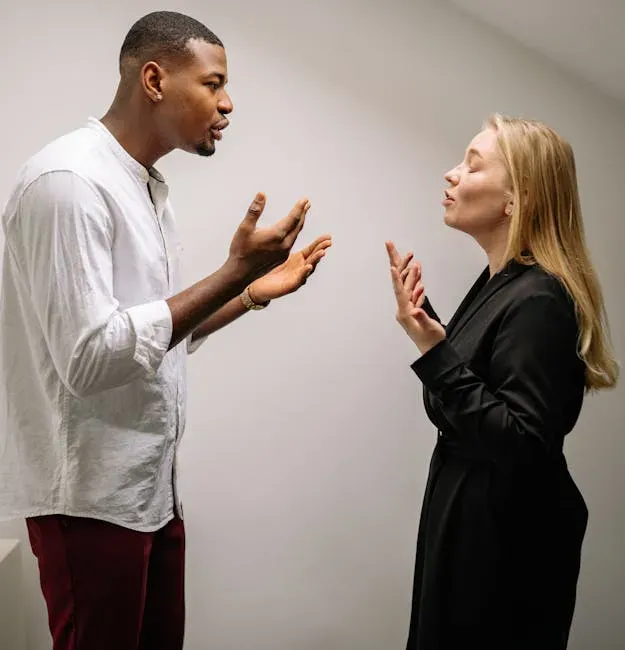
1. Your Body Language Before Anyone Says a Word (Image Credits: Pexels)
Hospitality professionals notice body language first, since it can be seen from a distance and helps determine how to approach a person. If you stride quickly to your table, immediately open the menu, and avoid eye contact, it signals that you prefer efficiency and minimal interaction. That read happens in seconds, not minutes.
Your posture and demeanor can reveal a lot about your mood and personality. A relaxed and open posture often indicates a more pleasant dining experience, while tension or closed-off body language might suggest discomfort or stress. If you leisurely make your way to your seat, take in your surroundings, or exchange greetings with other diners or staff, you're likely more outgoing and interested in a social dining experience.
2. How You Treated the Host Before Reaching the Table

2. How You Treated the Host Before Reaching the Table (Image Credits: Pexels)
Servers pay close attention to how you interacted with the host or hostess before even reaching your table. Front-of-house staff communicate. Word travels fast in a restaurant, and a guest who was dismissive or rude at the host stand arrives at the table with that reputation already attached.
A 2024 study from the Journal of Foodservice Business Research found that customers who are rude or dismissive to front-of-house staff are nearly four times more likely to exhibit difficult behavior toward servers throughout their meal. The way you treat the person who seated you is, for most experienced servers, one of the clearest early indicators of what the next hour will look like.
3. Whether You Make Eye Contact

3. Whether You Make Eye Contact (Image Credits: Pexels)
A 2024 study from the Society for Hospitality and Foodservice Management found that servers consistently report feeling more valued and respected by customers who maintain appropriate eye contact during interactions, which correlates with better service quality and more positive experiences for both parties. It's a small thing that carries a lot of weight.
Guests who never look up from conversations or devices while ordering make servers feel invisible and undervalued. It doesn't take much – a glance and a nod go a long way. Servers notice the difference between genuine engagement and performative politeness, and it affects how they prioritize tables when things get busy.
4. Where Your Phone Is and What You're Doing With It
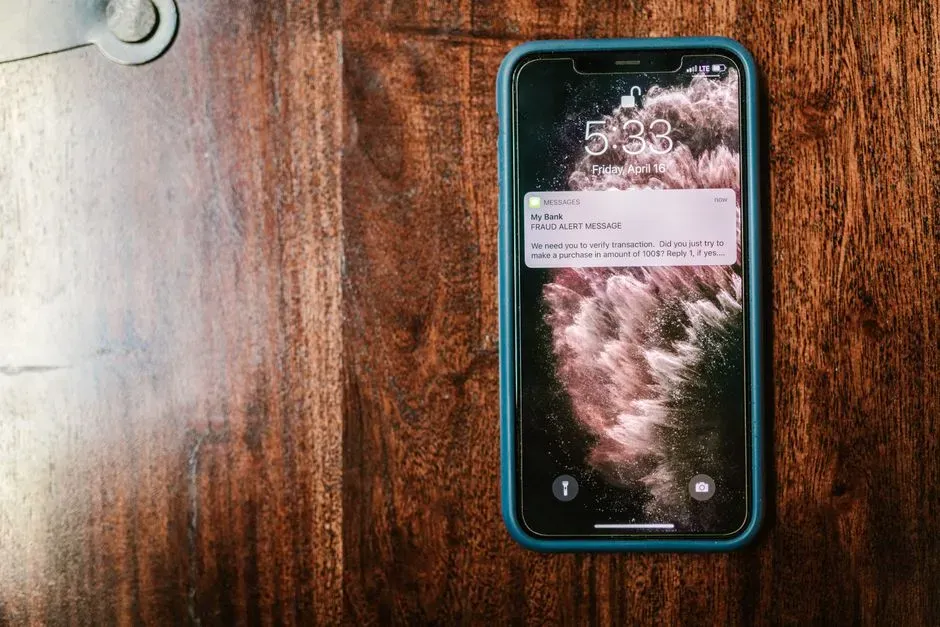
4. Where Your Phone Is and What You're Doing With It (Image Credits: Pexels)
Where your phone sits on the table speaks volumes. Is it face down, indicating you're present and engaged? Or is it front and center, screen glowing with notifications every few seconds? Servers notice this immediately. It shapes how they time their approach and what kind of interaction they expect.
When everyone at the table is glued to their screens, servers often adjust their approach – maybe checking in less frequently or keeping interactions brief. Conversely, a table that's fully engaged with each other tends to get more personalized attention and genuine interaction from the waitstaff. That adjustment isn't punitive. It's just good reading of the room.
5. Who You're With and How You're All Getting Along
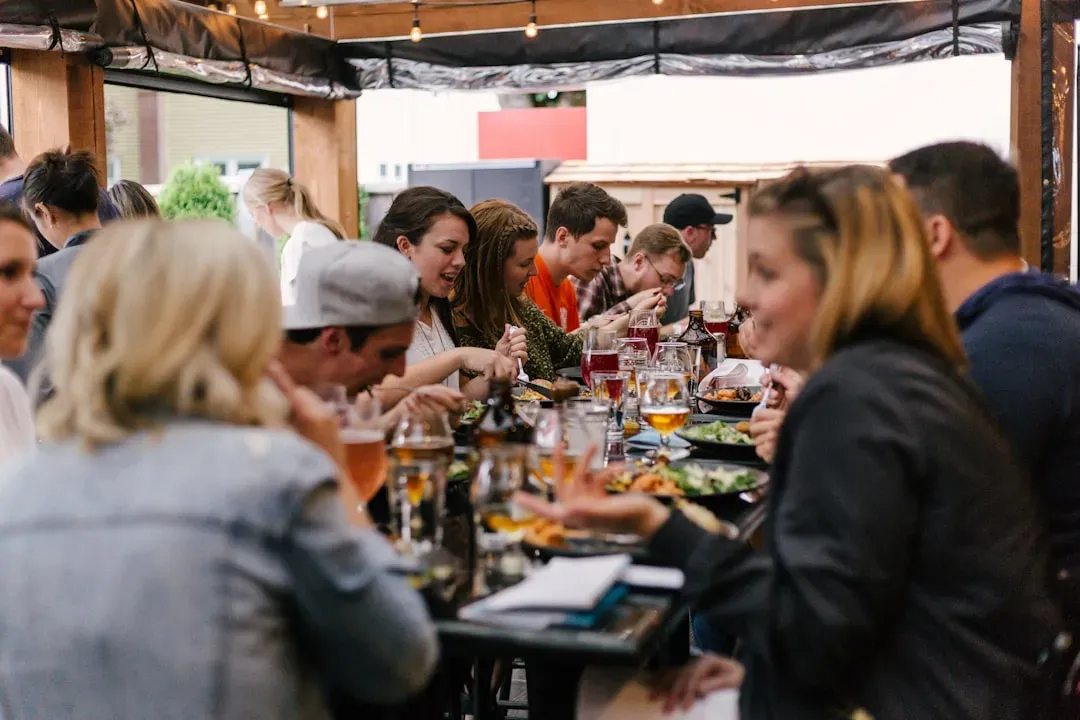
5. Who You're With and How You're All Getting Along (Image Credits: Unsplash)
A server's people-watching radar is always on. They pick up on everything, especially how people interact with those at the table – how couples look at each other, how friends sit (side-by-side or across), how parents treat their children, or whether they exhibit impolite behaviors in front of friends and family. This informs how your server will act.
The composition of dining parties provides valuable insights. Servers watch how families manage their children, how business groups organize their seating, and how couples interact with each other. When guests show dismissive behavior toward their companions, servers note this as a potential indicator of how they might treat the staff. It's pattern recognition, not judgment.
6. The Power Dynamics at Your Table
6. The Power Dynamics at Your Table (Image Credits: Pexels)
Servers particularly notice power dynamics – the person who orders for others without asking, the quiet individual being talked over, or the one person on their phone while everyone else engages. These observations aren't just interesting social data. They're genuinely useful for knowing how to navigate the table.
Someone who insists on ordering for the whole table, dominates the conversation, or orders the waitstaff around sends clear signals about table dynamics, and smart servers adapt their focus accordingly, directing questions to the decision-maker but remaining inclusive of everyone. It's a balancing act they've perfected through thousands of shifts.
7. How You Handle the Menu
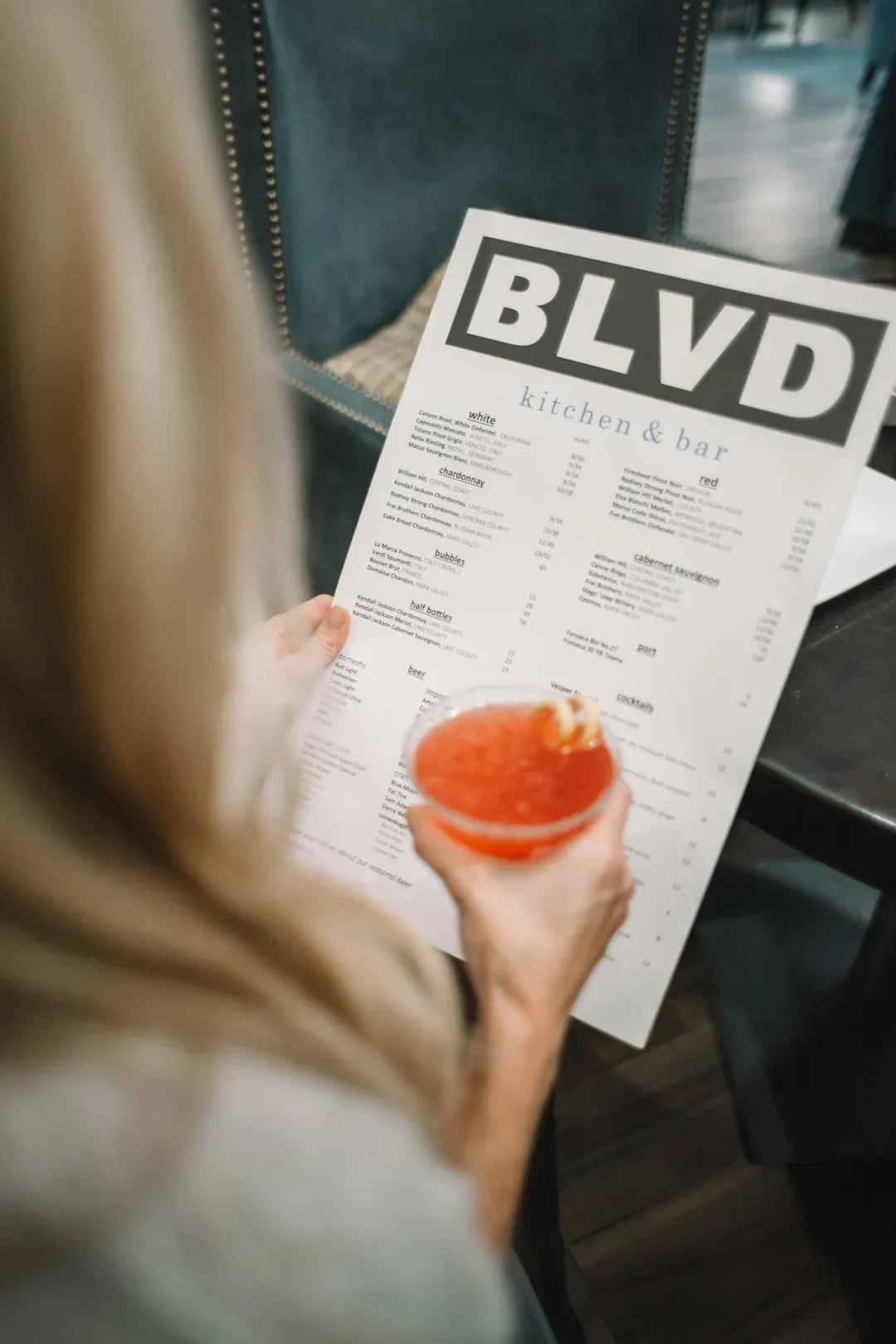
7. How You Handle the Menu (Image Credits: Unsplash)
Menu reading patterns reveal fascinating things about dining guests. Regular guests read menus quite differently from first-timers. Servers are absolutely watching how you interact with the menu from the second it hits your hands. The people who immediately flip it open and scan it like they're speed-reading a contract? Those diners usually know what they want and won't waste anyone's time.
Some diners spend a long time examining every detail of the menu before ordering. Servers often notice this immediately because they tend to ask for extra time repeatedly while comparing ingredients, prices, and descriptions carefully. This behavior usually signals that the guest is weighing several options carefully. They may be unfamiliar with the restaurant or simply enjoy exploring every possibility before deciding. Either way, an experienced server adjusts their timing accordingly.
8. Your Patience Level in the First Few Minutes

8. Your Patience Level in the First Few Minutes (Image Credits: Pexels)
Research published in the Cornell Hospitality Quarterly in 2024 found that customers who display impatience in the first five minutes – looking around repeatedly, sighing, or trying to flag down staff – are significantly more likely to express dissatisfaction throughout their visit regardless of service quality. That's worth sitting with. The mood you bring in tends to be the mood you leave with.
During peak dining hours, servers notice guests often underestimate the time needed for their meals. Those who arrive at 7:15 for an 8:00 schedule frequently expect their food to take precedence over other orders. This behavior creates pressure on kitchen staff and affects service quality for all guests. Visibly restless guests, however understandable, do shift a server's mental calculus about where to focus their energy.
9. Your Likely Tipping Behavior
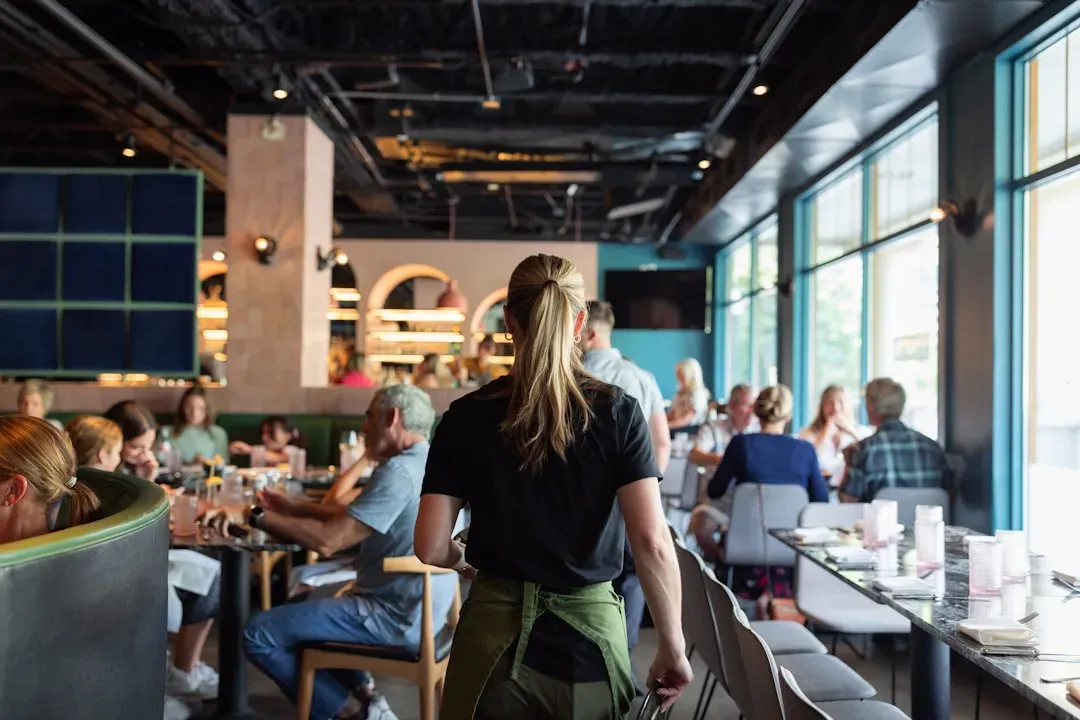
9. Your Likely Tipping Behavior (Image Credits: Unsplash)
Servers don't like to admit this one, but tipping potential is something experienced staff assess early. According to a 2024 study published in the Cornell Hospitality Quarterly, experienced servers can predict customer behavior and potential tip percentages with roughly seventy percent accuracy within the first minute of interaction. That's not just intuition – that's pattern recognition honed through thousands of tables, good nights and nightmare shifts alike.
Despite the uncertainty, servers constantly recalibrate their approach based on subtle cues, hoping to maximize both customer satisfaction and their own income. Still, many seasoned servers will tell you the biggest tippers often come from the most unexpected places. The gruff-looking guy at table six who barely said hello? He might leave the most generous tip of the night.
10. How You Acknowledge Their Presence as a Person
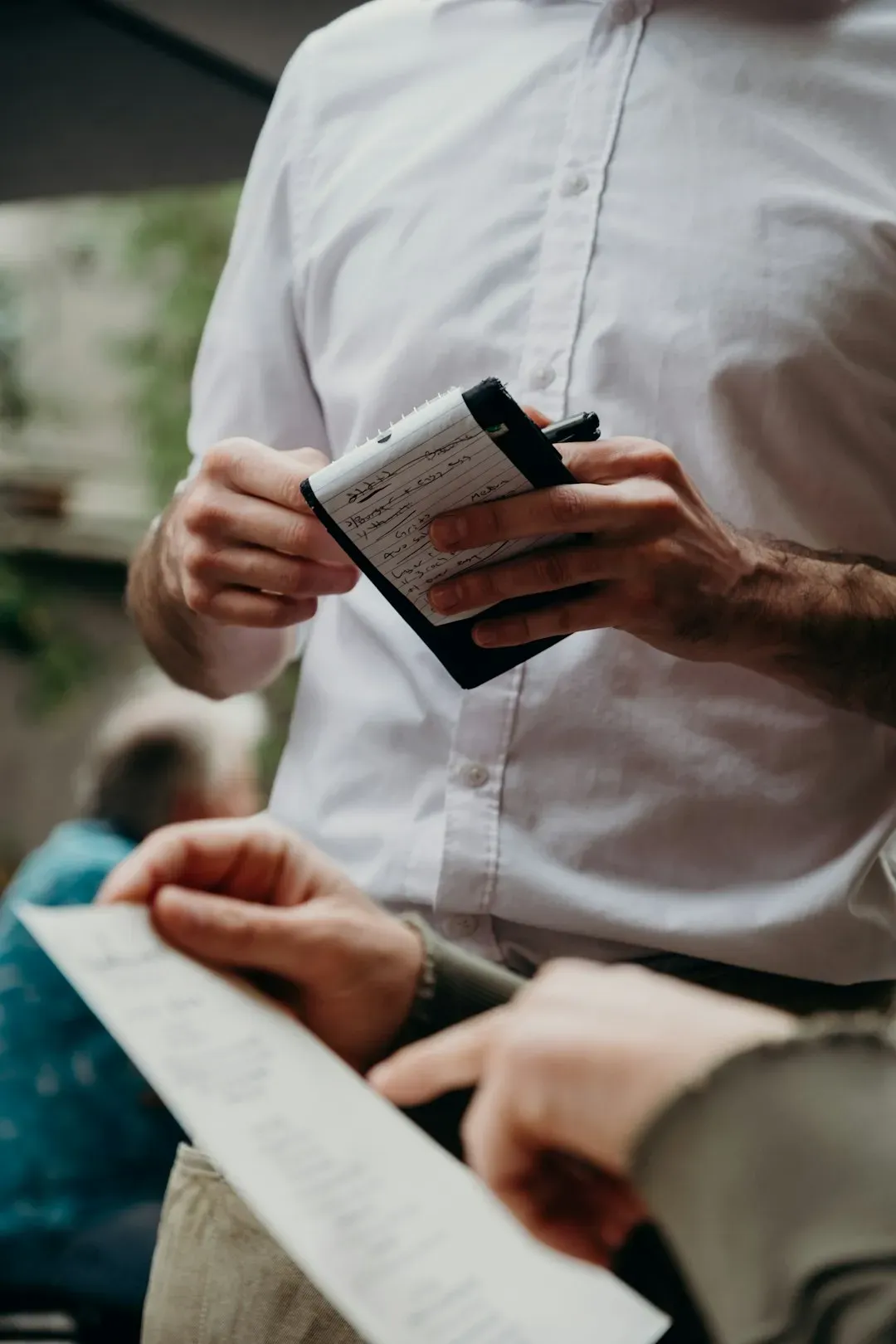
10. How You Acknowledge Their Presence as a Person (Image Credits: Unsplash)
The first exchange between a server and a guest sets the tone for the entire meal. Accordingly, servers pay close attention to how guests respond when they introduce themselves. A guest who immediately starts ordering without acknowledging the greeting often requires different handling than one who engages in friendly conversation.
Servers notice that guests who use their names and say "please" and "thank you" consistently give more genuine compliments. Regular customers build reputations through their communication styles. Some seem gruff yet leave generous tips and kind words, showing servers that external behavior doesn't always match internal appreciation. These experiences teach staff not to judge guests on first impressions. The simple act of treating a server like a person rather than a function changes the entire dynamic of the meal, often in ways the diner never even notices.
None of this is about servers judging you or keeping score. It's about professionals doing a demanding job well, under pressure, across multiple tables at once. The observations happen automatically, shaped by thousands of hours of experience. Next time you sit down at a restaurant, remember that your server is doing complex mental calculations from the moment you arrive. They're not being nosy or judgmental – they're professionals trying to give you exactly the experience you're looking for while managing multiple tables and keeping the kitchen happy. A little awareness of what they're picking up on can make the whole experience better for everyone at the table, including you.