
Clutter rarely shows up all at once. It creeps in through small daily choices, a mail pile here, a chair draped with clothes there, until one Saturday you look around and wonder how it happened. The good news is that the fix doesn’t require a dramatic weekend purge or an expensive storage system.
Most professional organizers agree that consistency beats intensity when it comes to keeping a home tidy. A handful of small, repeatable habits, done daily or weekly, tend to outperform occasional deep cleans because they stop clutter before it accumulates in the first place.
1. The One Minute Rule

1. The One Minute Rule (Image Credits: Pixabay)
The idea is simple: if a task takes sixty seconds or less, do it immediately instead of putting it off. Hanging up a coat, rinsing a mug, or tossing junk mail in the recycling bin all fall under this category. This concept was popularized by productivity author Gretchen Rubin and has since become a staple recommendation among home organizing coaches because it targets the exact moments where clutter usually begins.
The habit works because it interrupts the “I’ll deal with it later” mindset that lets small messes multiply. A single unopened envelope on the counter rarely stays alone for long. Once a household adopts the one minute rule, those tiny tasks stop turning into weekend-sized chores, and surfaces stay clearer with almost no extra effort.
2. A Nightly Ten Minute Reset

2. A Nightly Ten Minute Reset (Image Credits: Pexels)
Spending just ten minutes each evening returning items to their proper spots can prevent the kind of overnight buildup that makes mornings feel chaotic. This might mean putting shoes back in the closet, clearing the coffee table, or loading the last few dishes into the dishwasher. Organizing experts often refer to this as a “reset” routine, and it has grown in popularity through home organizing content shared widely on platforms like TikTok and Instagram since 2023.
Unlike a full cleaning session, a reset isn’t about deep sanitizing or scrubbing. It’s about restoring order so the home starts the next day looking the way it did before anyone touched it. Households that stick with this habit consistently report less daily stress, largely because they’re not waking up to yesterday’s mess layered on top of today’s tasks.
3. The One In, One Out Approach

3. The One In, One Out Approach (Image Credits: Unsplash)
This habit ties directly to how new items enter the home. For every new item brought in, such as clothing, kitchen gadgets, or toys, an old or unused item is donated, recycled, or discarded. Minimalism advocates and professional organizers frequently cite this method as one of the most effective long-term strategies for preventing accumulation, since it keeps overall possession counts relatively stable over time.
The habit is particularly useful for categories that tend to balloon quietly, like clothing or children’s toys. Rather than waiting for an annual cleanout, the one in, one out rule spreads the decision-making across the entire year in small, manageable increments. Over months, this steady turnover keeps closets and drawers from reaching the overflow point that usually triggers frustration.
4. Designated Homes for Everyday Items
4. Designated Homes for Everyday Items (Image Credits: Unsplash)
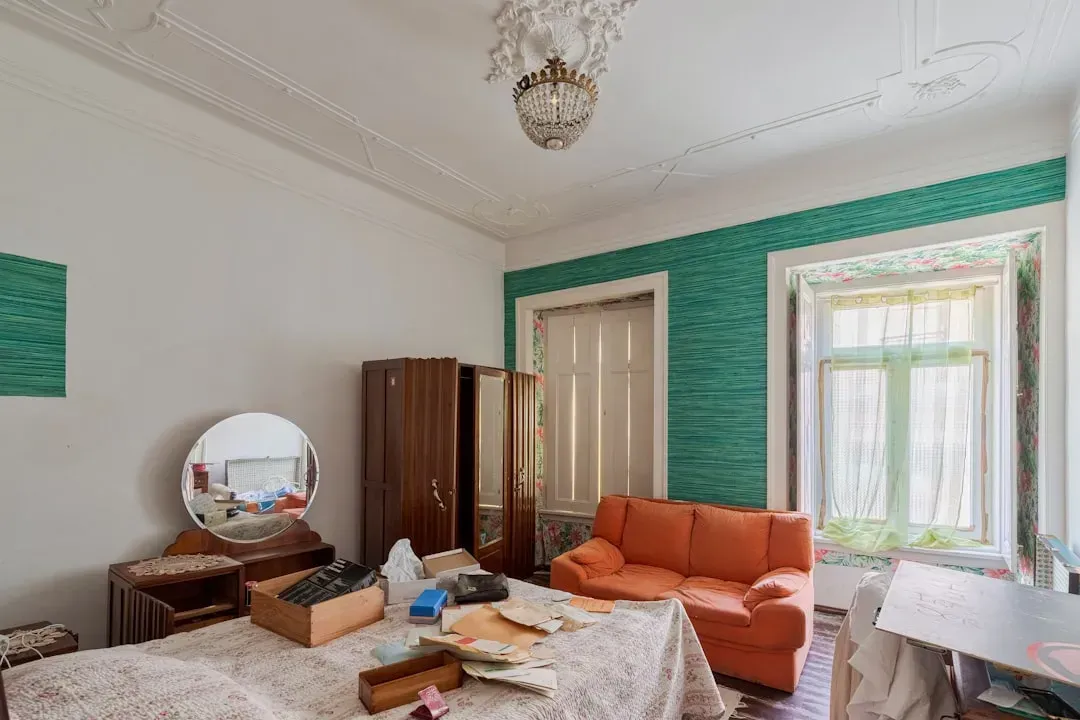
Clutter often forms not because people own too much, but because items don’t have a consistent place to return to. Keys, wallets, chargers, and mail are common offenders that end up scattered across counters and tables simply because there’s no assigned spot for them. Organizing specialists commonly emphasize this principle, sometimes summarized as “a place for everything,” because it removes the daily decision fatigue of figuring out where something goes.
Setting up a small drop zone near the entryway, such as a tray, hooks, or a shallow basket, can dramatically reduce the number of stray items left on flat surfaces. This habit doesn’t require new furniture or a big investment; often it just means designating an existing drawer or shelf for a specific purpose. Once family members know exactly where something belongs, putting it away becomes almost automatic rather than an extra chore.
5. Weekly Mail and Paper Sorting
5. Weekly Mail and Paper Sorting (Image Credits: Pexels)
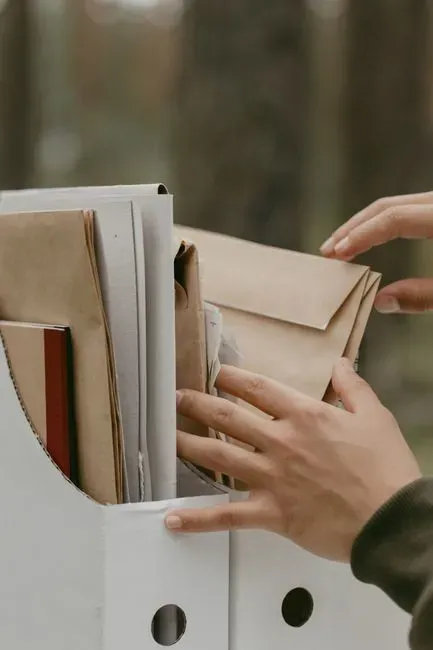
Paper clutter remains one of the most persistent household issues, even in an increasingly digital world. Mail, school notices, receipts, and takeout menus pile up quickly if left unchecked, and many organizing professionals recommend a fixed weekly time, often just ten to fifteen minutes, to sort through everything. Bills get filed or paid, recyclables get tossed, and anything requiring action gets moved to a visible spot instead of buried under other papers.
This habit matters because paper clutter tends to be one of the most visually overwhelming types of mess, disproportionate to how much physical space it actually occupies. A consistent weekly sort prevents the kind of paper avalanche that eventually requires an entire afternoon to untangle. Many households find that pairing this habit with digital statements and paperless billing, now widely offered by most banks and utility providers, cuts the volume of incoming paper substantially from the start.
None of these habits require special tools, expensive organizing systems, or a complete lifestyle overhaul. They work because they’re small enough to maintain without willpower burnout, yet consistent enough to stop clutter before it becomes a bigger project. Building even two or three of these into a regular routine tends to make a noticeable difference within a matter of weeks.