
Dining out is, at its core, a shared experience. The table next to you, the server navigating a busy floor, the couple on a first date in the corner – everyone in that room is trying to enjoy their meal. Most people don’t intend to ruin it for others. They’re just not paying attention.
About a third of adults say they almost always or often see people behaving rudely when they go out in public, while another nearly half see rude behaviour sometimes. Restaurants are a prime stage for this. What follows are twelve of the most common offences – the ones people notice, silently wince at, and politely never mention.
1. Snapping Your Fingers at the Server
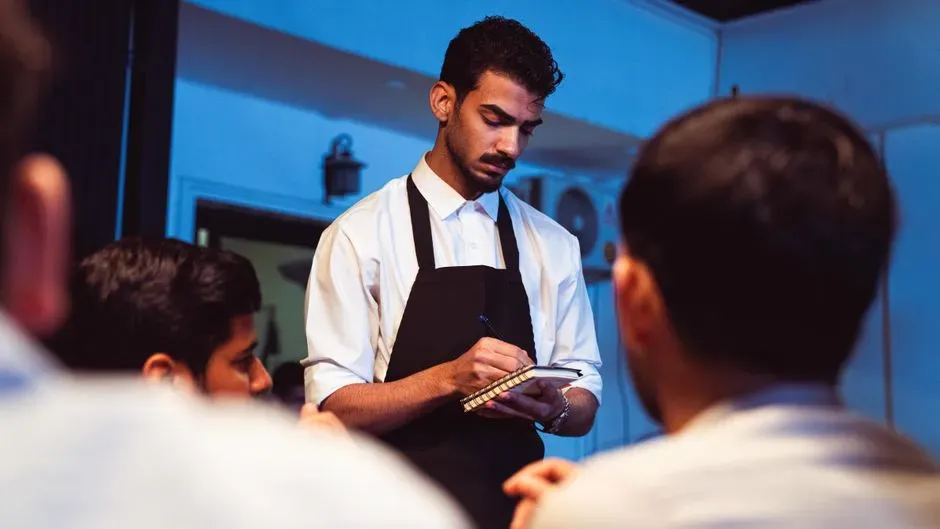
1. Snapping Your Fingers at the Server (Image Credits: Pexels)
At least eight in ten Americans say it is unacceptable for diners to snap their fingers to get the waiter's attention. That near-universal disapproval is worth sitting with. It's not a controversial position – it's a consensus. Snapping fingers to get the attention of waitstaff is disrespectful and demeaning, and it shows a lack of patience and respect for the staff's professionalism.
Snapping, flailing your arms wildly, or loudly yoo-hooing across the room doesn't speed things up. It actually just sends stress signals rippling through the entire dining room, with the server taking the brunt of that nerve-rattling energy. A quiet moment of eye contact, or a calm "excuse me" when your server passes, works perfectly well and costs nothing.
2. Talking Loudly on Your Phone at the Table
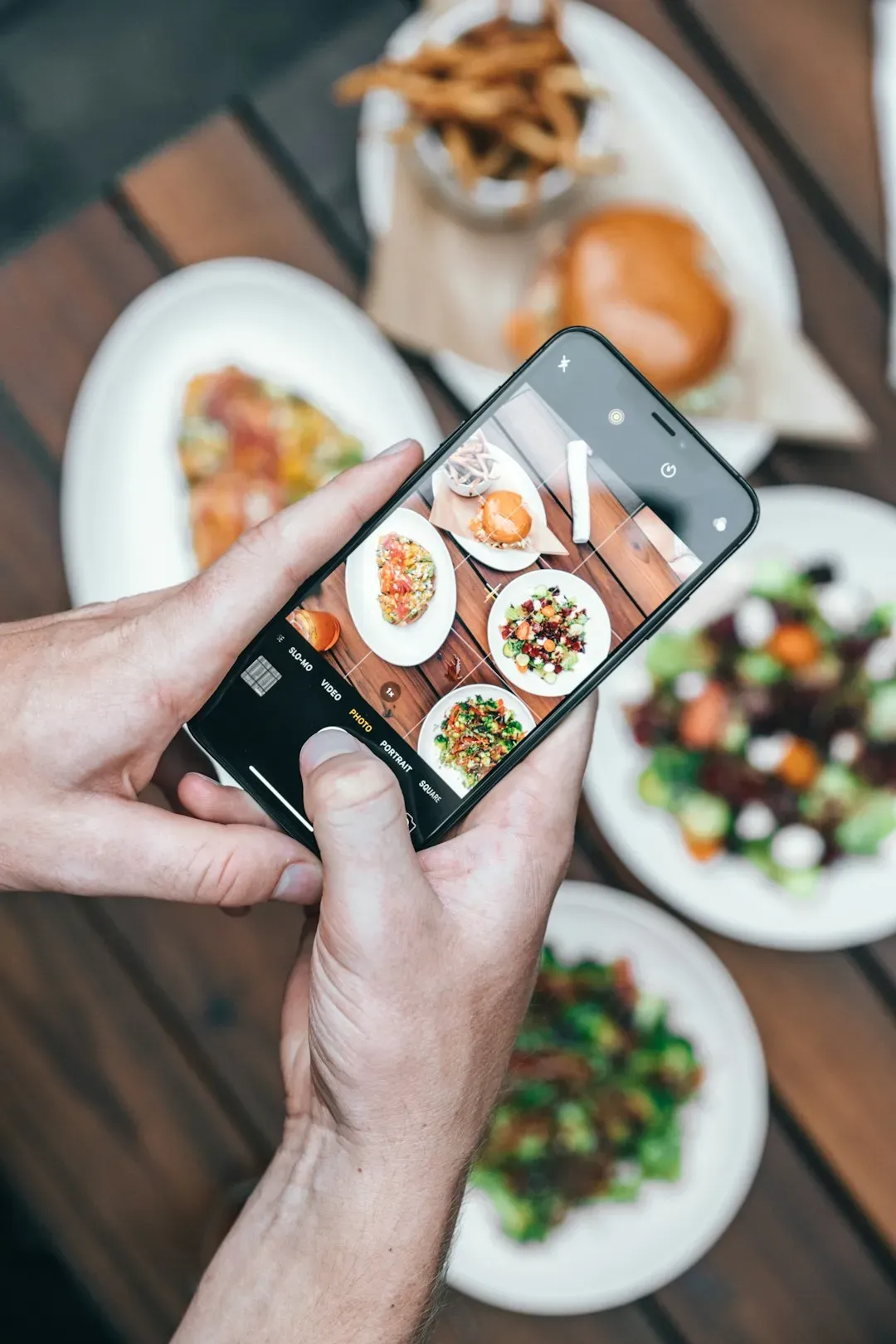
2. Talking Loudly on Your Phone at the Table (Image Credits: Unsplash)
Cell phone etiquette in restaurants revolves around being mindful and considerate of other diners and staff. Using your phone excessively, speaking loudly on calls, or having the ringtone on full volume can disrupt the ambiance and irritate fellow patrons. A full conversation at restaurant volume, projected outward for everyone nearby to absorb, is a different matter entirely.
If you receive a call, don't answer the phone at the table. It's rude to the other people at your table and annoying to everyone else in the restaurant. Instead, excuse yourself from the table and answer the phone outside. A brief step away takes thirty seconds and preserves everyone's evening.
3. Letting Children Run Freely Through the Dining Room
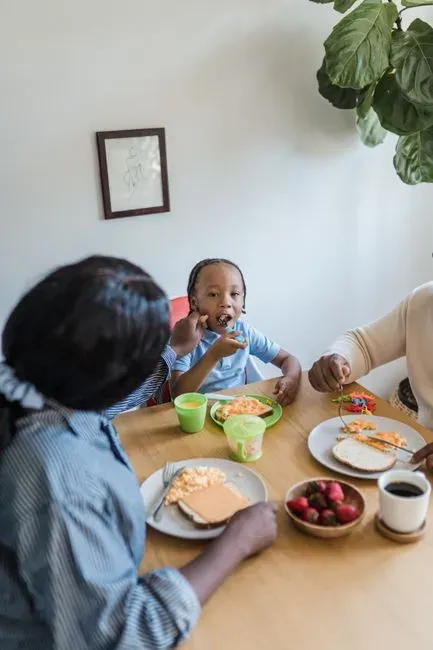
3. Letting Children Run Freely Through the Dining Room (Image Credits: Pexels)
If you have children and bring them to a restaurant for dinner, make sure they don't run free. They can disturb other diners and could hinder the waiters as they pass through the room with plates and trays. Keep children at the table and find ways to entertain them. This isn't about being anti-children – restaurants genuinely welcome families. It's about safety as much as courtesy.
Around two-thirds of adults or more say that it's rarely or never acceptable to bring a child into a place that's typically for adults, such as a bar or upscale restaurant. In casual settings the standard is more relaxed, but a roaming toddler in a packed dining room creates real hazards for servers carrying hot food and glassware.
4. Excessive and Intrusive Food Photography
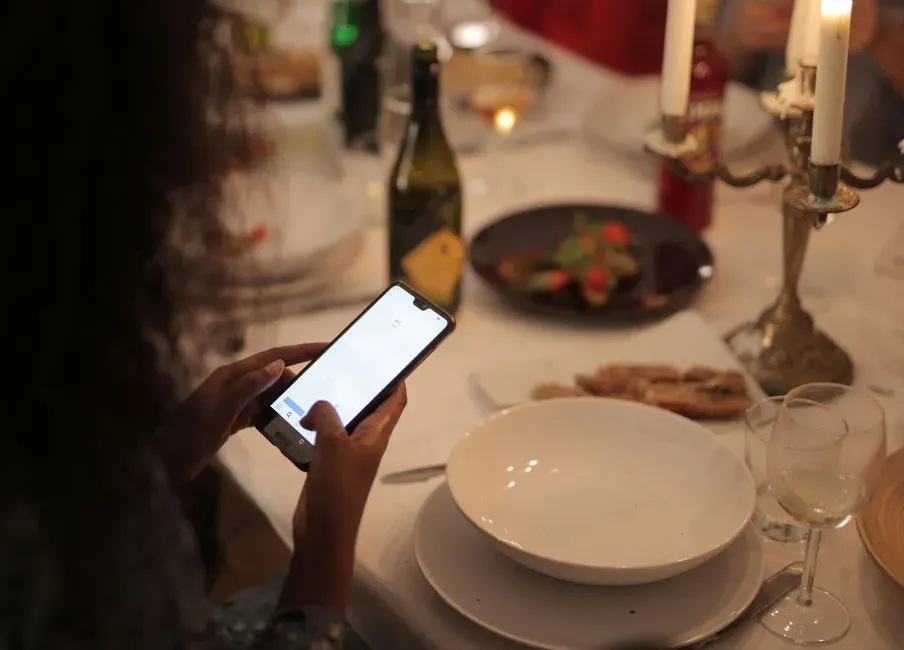
4. Excessive and Intrusive Food Photography (Image Credits: Pexels)
Yelp's first Dining Etiquette Report, published in August 2024 and surveying nearly two thousand users, found that nearly eight in ten respondents said phones should stay out of sight on a date, while around half showed that level of concern during dinners with friends or family. A single quick shot when the dish arrives is widely considered acceptable. The extended photo session is not.
Using your phone to record or photograph other diners without their permission is a major breach of etiquette and potentially illegal. Another inappropriate scenario is using your phone in a way that disrupts other diners or the restaurant staff. Playing videos or music loudly without headphones, using the phone's flash excessively, or taking calls in a way that intrudes on the privacy of nearby tables are all examples of inconsiderate behaviour. Dim restaurant lighting makes flash photography particularly jarring for everyone nearby.
5. Making an Extreme Number of Menu Modifications
5. Making an Extreme Number of Menu Modifications (Image Credits: Unsplash)
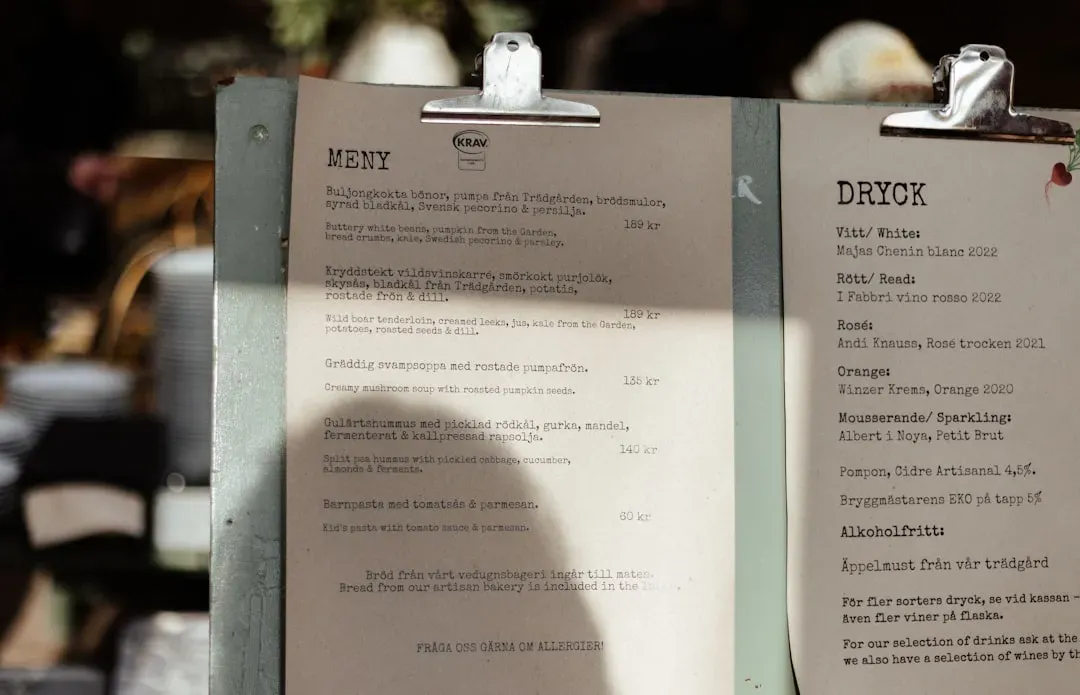
Dietary requirements are real and restaurants accommodate them thoughtfully. The distinction worth drawing is between a genuine need and a personal preference recited as a list of demands. Allergies, intolerances, and strong ingredient aversions are part of the dining world. There is nothing new about that, and no one's trying to ban gluten-free bread or the lactose-intolerant. The issue arises when the modifications effectively replace the dish entirely.
Some of the most divisive customer behaviours are asking for multiple modifications to a menu item, with a significant portion of people finding it unacceptable. Kitchen staff design dishes as cohesive wholes, and an avalanche of substitutions during a busy service creates real pressure. A simple check of the menu before arriving goes a long way.
6. Stacking Dishes When You're Done
6. Stacking Dishes When You're Done (Image Credits: Pexels)
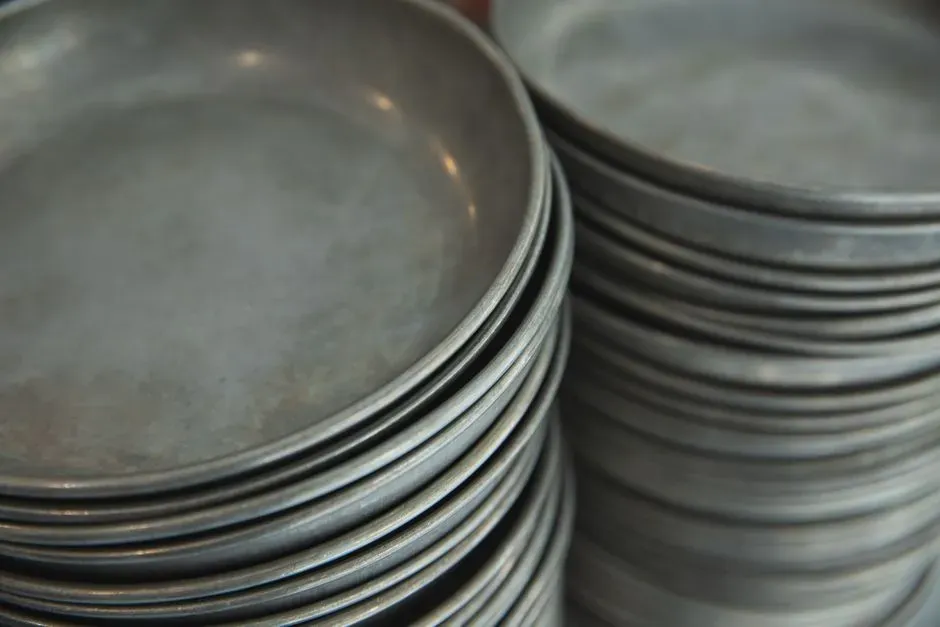
It feels helpful, even considerate. In reality, the impulse to stack finished plates tends to work against the people you're trying to assist. Stacking plates when done sends a signal to other diners that the waitstaff is not tending to the table properly, and the act of doing so exposes the stackers as inexperienced diners. In addition, the waitstaff usually has a well-practiced system for clearing the plates, utensils, and glassware, and stacking interferes with that system.
Servers know which plates balance safely, and how to load them on their trays so nothing crashes. So that "gift" of eager rearranging can turn into a nightmarish, teetering tower of doom. The kindest thing a diner can do, genuinely, is sit back and let the professionals handle it.
7. Being Outrageously Loud as a Group
7. Being Outrageously Loud as a Group (Image Credits: Pexels)
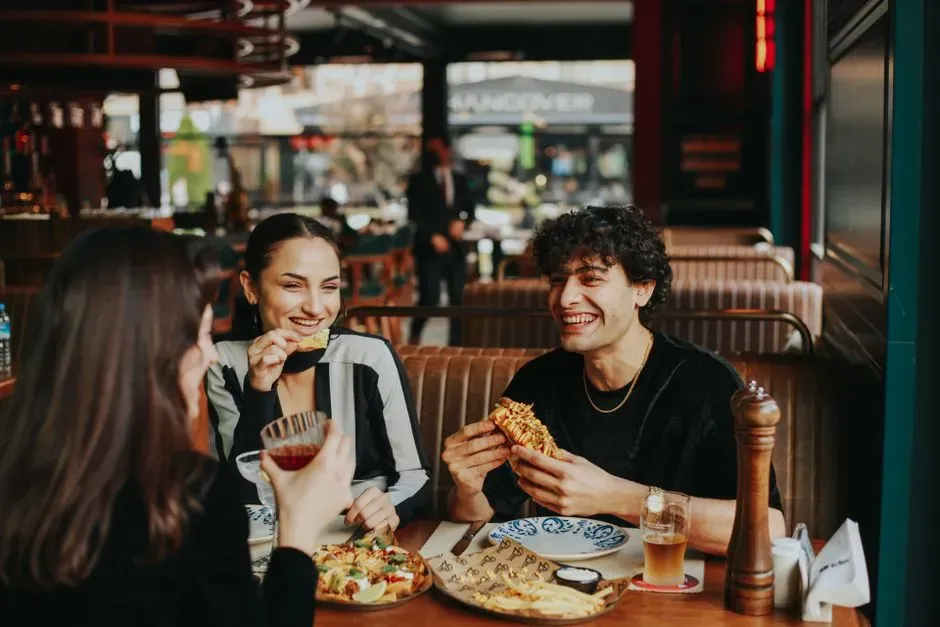
When you're at home, the atmosphere is intimate and you can indulge in conversation or loud laughter, but you're not alone in a restaurant, and your enjoyment shouldn't disturb the staff or other diners. Avoid excessively loud conversation that could cause discomfort, along with raucous laughter and loud toasts – you can have fun without being rude. Large groups are often the main offenders here, partly because noise builds collectively without any single person noticing.
Speaking loudly, arguing, or being otherwise disruptive can ruin the dining experience for other patrons. Restaurants are shared spaces, and maintaining a respectful noise level is essential for everyone's enjoyment. Volume that feels normal within your group can be genuinely overwhelming for the tables around you, especially in smaller or quieter venues.
8. Not Showing Up for a Reservation Without Cancelling
8. Not Showing Up for a Reservation Without Cancelling (Image Credits: Unsplash)
One of the worst things you can do as a customer is not letting the restaurant know if you don't show up after making a reservation. In restaurant jargon, this is called a "no show." It's one of the most unpleasant things for restaurant owners and one of the rudest ways to appear to other customers. Unfortunately, it's so widespread that some establishments have resorted to charging the "ghost" customer a penalty.
Across the UK, Australia and New Zealand, restaurants report no-show rates between fifteen and eighteen percent. Meanwhile, as much as twenty percent of restaurant reservations in the US and Canada are no-shows. That is a significant proportion of reserved tables sitting empty while other guests are turned away. A cancellation call takes under a minute and genuinely matters to a small restaurant's evening.
9. Wearing an Overwhelming Amount of Fragrance
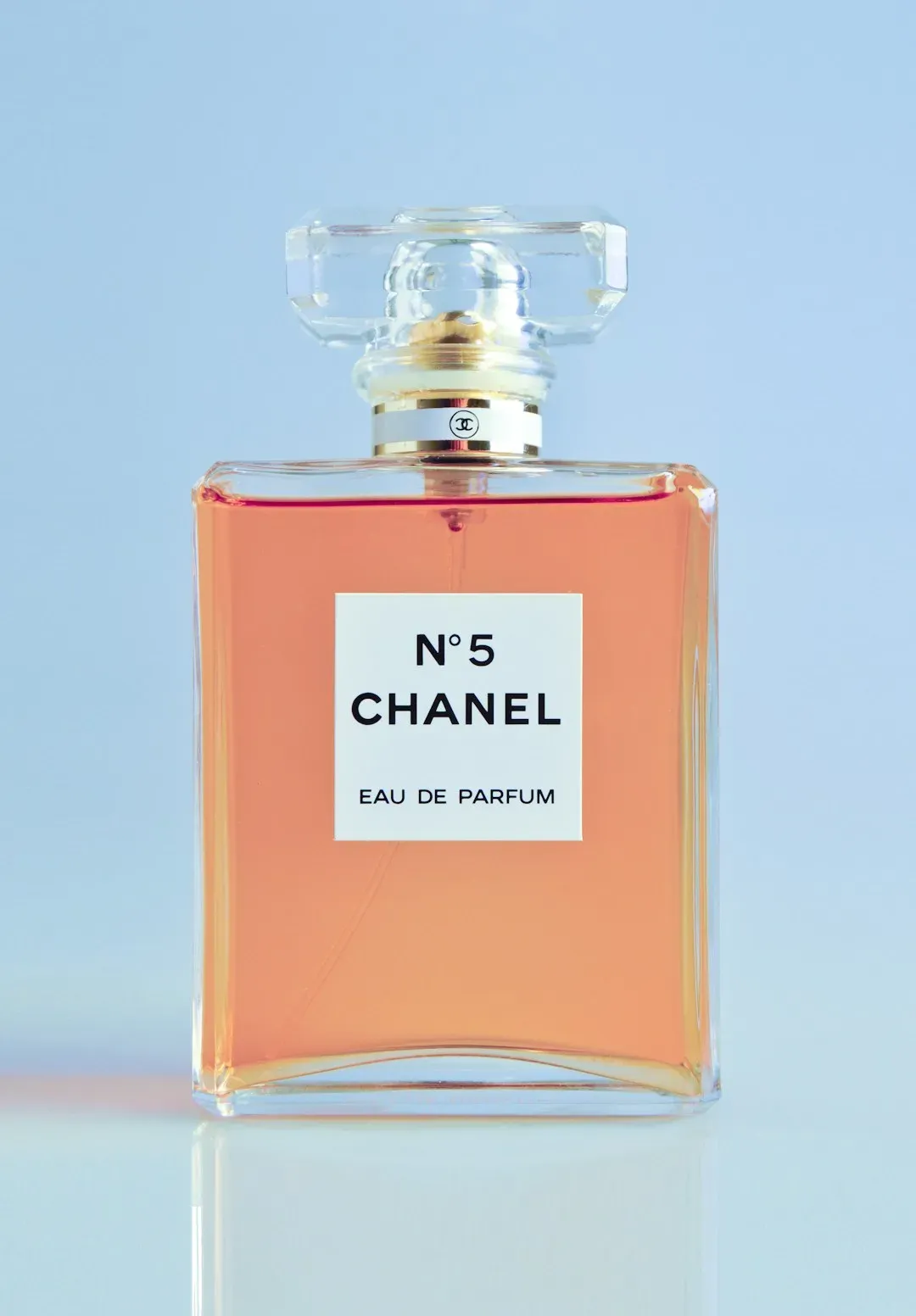
9. Wearing an Overwhelming Amount of Fragrance (Image Credits: Unsplash)
Dousing yourself in fragrance before dining out is not appreciated by restaurant staff. Wearing too much cologne, aftershave, or perfume affects not just your server, but anyone surrounding you, detracting from the pleasurable experience of eating out. If your server can smell you from several feet away, it can trigger headaches, asthma attacks, or other issues in some individuals.
It's actually considered a breach of etiquette to wear fragrance at all in fine dining establishments, since it can overload the senses. Strong scents can interfere with the flavour experience of delicate foods, as a good deal of the tasting experience comes from our olfactory system. It's increasingly common for upscale restaurants to request patrons to minimise the use of strong fragrances.
10. Lingering Long After the Bill Is Paid
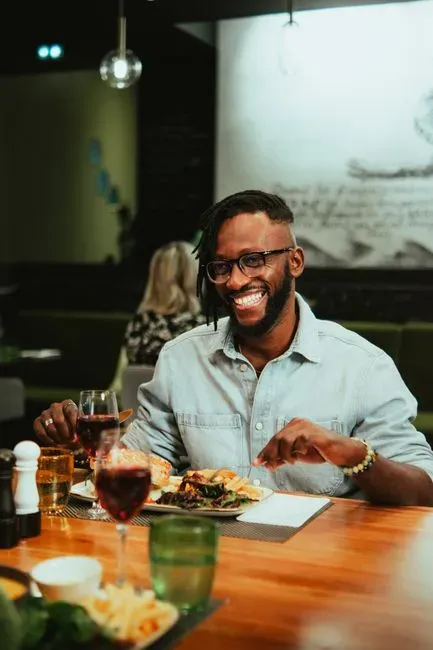
10. Lingering Long After the Bill Is Paid (Image Credits: Pexels)
Hanging out long after you've settled up is one of those unintentional restaurant faux pas that quietly drives servers wild. Each table represents potential income for a waiter, and when you "camp out," you're unknowingly putting their tip total in a chokehold. Especially during peak hours, a table essentially held hostage can mean another group of hungry guests left waiting, and another missed round of earnings.
Staying seated for hours after finishing a meal limits seating availability for waiting guests. This behaviour is particularly problematic in busy restaurants where table turnover is crucial for the night's revenue. Managers often remind guests of time limits during peak hours. Most people understand this instinctively once it's pointed out – it's the not noticing that causes the friction.
11. Sending Food Back After Eating Most of It
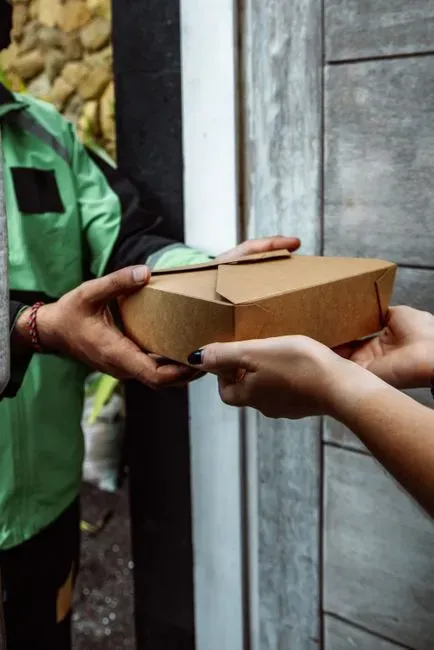
11. Sending Food Back After Eating Most of It (Image Credits: Pexels)
Sending a dish back is entirely acceptable when something is genuinely wrong – an undercooked protein, an allergen present despite a request for it to be absent, a dish that arrived cold. The problem arises at the end of the plate. If your order is incorrect or not cooked to your liking, a diner always has the right to politely send it back and should inform their server. However, servers do find it annoying when patrons consume a good deal of the dish before informing them about the issue or wait until the very end of the meal to let them know. It can seem like the patron is angling for a free meal, even if you were actually just too shy to complain.
The practical advice is straightforward: if something is wrong, say something early. Servers would far rather fix the issue mid-meal than hear about it when the plate is nearly clean. Speaking up promptly is more honest for everyone involved, and it gives the kitchen an actual chance to make it right.
12. Treating Servers as Invisible
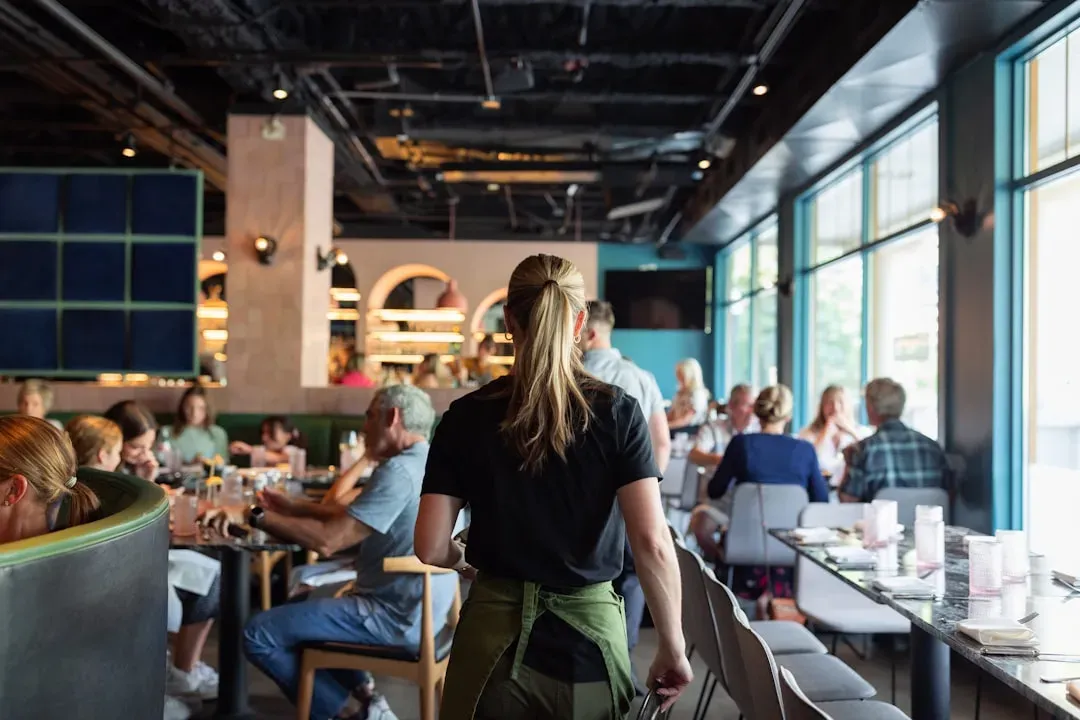
12. Treating Servers as Invisible (Image Credits: Unsplash)
While a server is doing their job to provide a service, it's always appreciated when guests say a simple "please" and "thank you." Treating your server like the human being that they are shouldn't be a surprising thing to say, but you might be shocked by the number of customers the average server has encountered who demands rather than requests. The behaviour isn't always aggressive – often it's simply dismissive, eyes never quite landing on the person taking the order.
Even just a little eye contact wordlessly says to your waiter, "I see you, and I appreciate you taking my order and serving me today." It's the restaurant version of a polite handshake – a basic courtesy that makes everything go smoother. The difference between glancing up versus keeping your gaze glued to your phone or menu can truly set the tone for the entire interaction. It costs nothing, and it changes the whole dynamic of the table.
Most of these behaviours aren't acts of malice. They're habits, distractions, or a simple failure to zoom out and notice the shared space. Restaurants work well when everyone in them – diners, staff, and the people at the next table – treats the room as something worth looking after together. That awareness, quietly held, is really all good dining etiquette ever asks for.