
Most of us were taught that saying sorry is a sign of good character. Owning your mistakes, smoothing over friction, keeping the peace – these feel like basic social skills. The trouble is that somewhere along the way, many people start apologizing not just for genuine missteps, but for simply existing: for having feelings, for needing rest, for choosing a path that others don’t quite understand.
Over-apologizing is when “sorry” becomes a placeholder for emotions we’ve never had the space or safety to express. Mentally strong people know the difference. They apologize sincerely when they’ve caused real harm, and they hold firm when they haven’t. Here are six specific things they refuse to apologize for.
1. Setting Boundaries

1. Setting Boundaries (Image Credits: Unsplash)
Setting boundaries helps individuals prioritize their mental health by reducing external pressures and fostering a sense of control. Mentally strong people understand this at a deep level. They don't experience a firm "no" as a failure of generosity – they see it as an act of clarity, both for themselves and for the people around them.
Emotionally strong people don't apologize for saying no. They understand that boundaries aren't walls built to keep people out – they're guidelines that protect their energy and well-being. When someone asks for their time, resources, or emotional labor, they assess whether they can genuinely give without resentment. If the answer is no, they say it respectfully but firmly. There is no need to over-explain yourself or apologize for setting boundaries, as everyone may say what they do and do not want to do.
2. Their Emotions
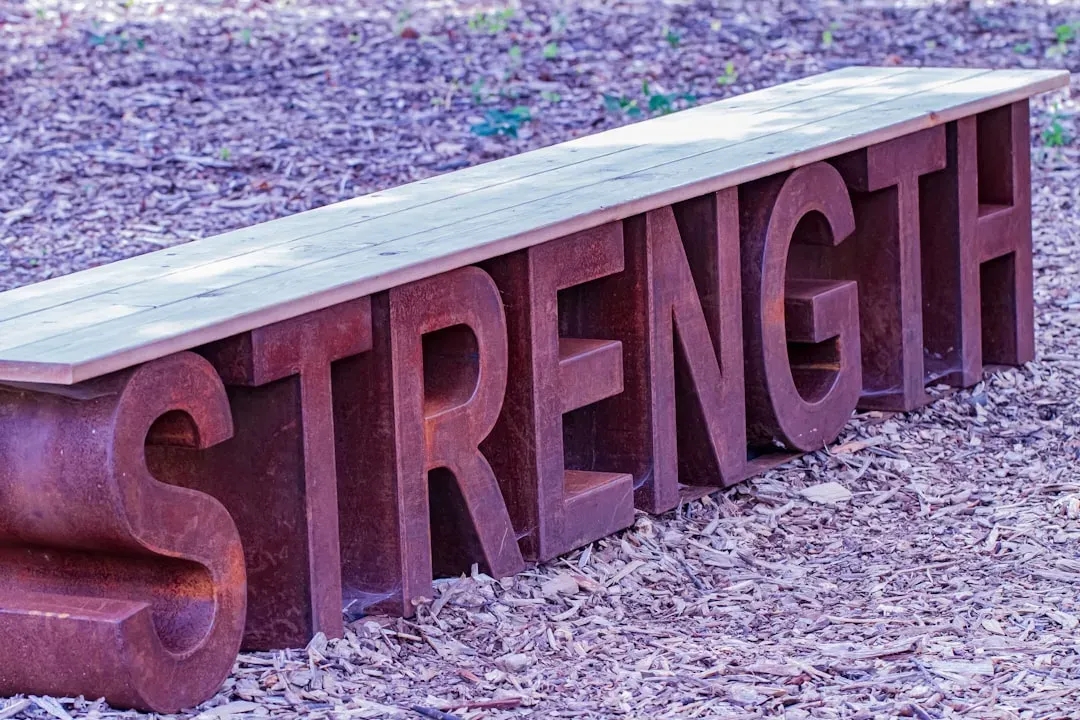
2. Their Emotions (Image Credits: Unsplash)
Feeling angry, sad, or deeply disappointed doesn't make you weak. It makes you human. Mentally strong people refuse to apologize for feeling angry, sad, frustrated, or disappointed. They recognize that emotions are data – they provide important information about what's happening in their lives and relationships. Treating emotions as inconvenient noise to be suppressed is, according to psychology, one of the least effective strategies available to us.
Research finds that mentally resilient people have personality traits that help them cope with adversity. They tend toward emotional maturity and make an effort to process negative events from their past. That processing requires actually feeling the emotion, not apologizing it away. Mental strength isn't about never feeling stress; it's about the way we meet stress, how flexibly we adapt, and whether our daily choices align with what matters most.
3. Prioritizing Self-Care

3. Prioritizing Self-Care (Image Credits: Unsplash)
There's a strange cultural undertow that treats self-care as something slightly indulgent, something that requires a little apology attached. Mentally strong people don't buy into that. Emotionally strong people don't feel sorry for safeguarding their energy, their time, or their emotional well-being. They understand that without firm boundaries, resentment and burnout start brewing.
It's important to practice self-compassion and remind yourself that setting boundaries is a form of self-care. Protecting your mental health is not selfish – it's necessary for living a balanced, healthy life. Healthy boundaries are a form of self-care that reduces the risk of workplace burnout. Mentally strong people treat their recovery time, their rest, and their downtime with the same seriousness they'd give any other genuine obligation.
4. Forgiving Themselves

4. Forgiving Themselves (Image Credits: Pexels)
One of the quieter marks of mental strength is the refusal to turn every past mistake into a permanent indictment. When they make mistakes, miss deadlines, or fall short of their own expectations, emotionally strong people don't beat themselves up or apologize to others for their self-forgiveness. They speak to themselves the way they'd speak to a good friend going through the same struggle. This isn't about making excuses or avoiding responsibility – it's about recognizing that harsh self-criticism rarely leads to positive change.
Learning to forgive oneself can significantly improve mental health by reducing feelings of guilt, shame, and anxiety. This can lead to increased self-esteem, life satisfaction, and overall well-being. The point isn't to avoid accountability. It's to process it without piling on, then move forward with something actually useful: momentum.
5. Living Authentically

5. Living Authentically (Image Credits: Pexels)
Mentally strong people tend to stop shrinking their choices to fit someone else's comfort zone. Emotionally strong people recognize that their life path doesn't need to make sense to everyone else. Whether it's choosing an unconventional career, deciding not to have children, or pursuing a passion that seems impractical to others, they own their choices without defensiveness. They've learned that seeking approval for their deepest desires only leads to a life that feels foreign to them.
Over-apologizing erodes your sense of authenticity. People-pleasing puts you in performance mode: you scan for what others want and adjust yourself accordingly. That constant adjustment is exhausting, and over time it can quietly hollow out a person's sense of identity. Over-apologizing is often a sign of deeper issues: low self-worth, fear of conflict, or past emotional wounds. Mentally strong people recognize that pattern and consciously step out of it.
6. Pursuing Personal Growth

6. Pursuing Personal Growth (Image Credits: Pexels)
There's a strange cultural phenomenon where people almost apologize for seeking therapy, reading self-help books, or investing in coaching programs. The unspoken suggestion is that if you're "working on yourself," you must be flawed. Mentally strong people see this framing for what it is: backwards. Personal development isn't a sign of weakness – it's a sign of courage.
Emotionally wanting to level up. Whether it's learning new skills, healing old wounds, or building new habits, they see growth as an ongoing journey. Mental strength isn't an innate quality but a set of habits and practices that can be cultivated over time. Recognizing that, and actively committing to it, is something worth taking pride in rather than quietly excusing.
None of this means mentally strong people never say sorry. When an apology is genuinely warranted, they offer a real one. Psychologically speaking, admitting that we're wrong is emotionally uncomfortable and painful to our sense of self. In order to take responsibility and apologize, our self-esteem needs to be strong enough for us to absorb that discomfort. That kind of grounded self-esteem is exactly what allows them to apologize meaningfully when it matters, and to hold their ground confidently when it doesn't.