
Buying a house is mostly an emotional decision dressed up in spreadsheets. You walk through a kitchen with good light, picture yourself making coffee there, and suddenly the school ratings and commute times feel like details you can work around. Real estate agents see this pattern constantly, and the good ones have learned to slow buyers down before the excitement overrides the due diligence.
What follows isn’t a list of dealbreakers so much as a set of signals that deserve a second look. Some of these red flags show up in public records. Others only reveal themselves if you ask the right questions or walk the block at a different hour. Either way, they tend to matter more over a ten year mortgage than they do during a Sunday open house.
When Insurance Companies Won't Touch a Zip Code

When Insurance Companies Won't Touch a Zip Code (Image Credits: Pexels)
If a homeowner's insurance quote comes back unusually high, or an insurer declines to write a policy at all, that's not a paperwork glitch. It's often the clearest financial signal a neighborhood will send you before you sign anything. Costly, disruptive increases in flooding, wildfires, extreme heat, sea level rise, and storm intensity are already reshaping housing markets and communities across the United States.
The tricky part is that insurance is priced year to year, while a mortgage locks you in for decades. Home and flood insurance are typically written on annual terms, covering risk only for the year ahead rather than the life of a mortgage, and as climate risks increase, homeowners may face sharply rising premiums or reduced availability of coverage. A low quote today is not a guarantee of a low quote in five years, especially in coastal or wildfire prone regions.
The HOA That Can't Explain Its Reserve Fund

The HOA That Can't Explain Its Reserve Fund (SETAF-Africa, Flickr, <a href="https://creativecommons.org/licenses/by/2.0/" target="_blank" rel="noopener">CC BY 2.0</a>)
Ask any agent who has closed a deal in a condo or planned community, and they'll tell you the HOA's financial health matters almost as much as the unit itself. A well run association keeps a healthy reserve fund for roofs, elevators, and pavement. A poorly run one waits until something breaks, then hits every owner with a special assessment that can run into the tens of thousands.
Florida offers a vivid recent example of why this matters. Nothing in Chapter 720 prevents a Florida HOA from operating with little or no reserves, but there are consequences, including a higher risk of sudden special assessments and pressure on property values if the community shows visible deferred maintenance. Condo buyers face even stricter scrutiny now, since condominium and cooperative associations must complete a Structural Integrity Reserve Study every 10 years, and full funding of SIRS-designated reserves is mandatory and cannot be waived by owner vote after January 1, 2025. Before making an offer, ask to see the last few years of meeting minutes and the current reserve study, not just the monthly dues.
Too Many For-Sale Signs on One Block

Too Many For-Sale Signs on One Block (Image Credits: Pexels)
A single listing on a street means nothing. Three or four active listings within a few doors of each other, though, is worth a conversation with the listing agent. Sometimes it's coincidence, a wave of retirees downsizing at once, but sometimes it points to something residents know that isn't showing up in the listing description yet.
Realtors often check how long homes on a given block have sat on the market compared with the surrounding area, and whether previous sales closed below the original asking price. A neighborhood where homes consistently sell fast and close near list price tends to reflect steady demand. One where price cuts are common, or where the same house has changed hands twice in three years, deserves a closer look at why owners keep leaving.
A School Boundary That's About to Change

A School Boundary That's About to Change (Image Credits: Pexels)
Families often choose a home specifically because of the elementary school attached to it, only to discover a year later that district lines have shifted. School boundaries are redrawn more often than most buyers assume, usually in response to enrollment growth, new construction, or budget pressure on a district. A house that sits two blocks from a boundary line is more exposed to this risk than one sitting comfortably in the middle of a zone.
Local school district websites usually post proposed boundary changes and hold public meetings before anything is finalized, so this is one red flag buyers can research directly rather than relying on secondhand information. It's worth checking district board meeting agendas for the past year, since rezoning proposals are often discussed months before a vote. Even buyers without kids should care about this, since school assignment has a measurable effect on resale value in many markets.
Zoning Notices You Almost Missed
Zoning Notices You Almost Missed (Image Credits: Pexels)
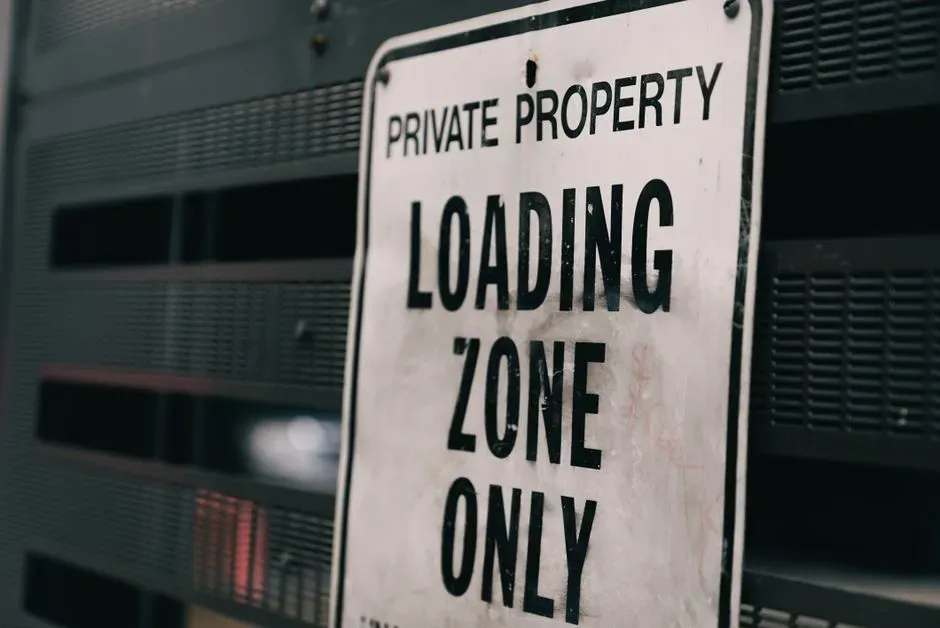
A quiet residential street can look permanent, right up until a rezoning application shows up for a mixed use development three parcels away. Local zoning boards typically post notices on affected properties and publish meeting agendas, but they rarely make headlines unless a project is large or controversial. Buyers who skip this step sometimes learn about a planned warehouse, gas station, or multifamily complex only after they've already closed.
Municipal planning departments keep records of pending applications, and most will share them with anyone who asks, not just current residents. It's a five minute phone call or a quick search on a city's permitting portal, but it's a step that gets skipped constantly because buyers assume the neighborhood they see today is the neighborhood they'll have in five years. Zoning maps change slower than home prices, but they do change.
Reading Crime Data the Right Way

Reading Crime Data the Right Way (Image Credits: Unsplash)
Crime statistics are public, but they're also easy to misread if you only glance at a single number. A neighborhood's overall crime rate can look alarming while property crime specifically, the kind most likely to affect a homeowner directly, sits well below average. Realtors generally recommend looking at trend lines over several years rather than a single snapshot, since a spike tied to one incident can distort a short term view.
It also helps to compare data at the neighborhood level rather than the city level, since crime concentration varies enormously block by block within the same municipality. Local police departments often publish incident maps online, and some cities break this information down by specific offense type. Combining that with a simple weekday and weekend visit at different times of day tends to give a more grounded picture than any single statistic can.
Flood Maps Aren't the Full Story
Flood Maps Aren't the Full Story (Image Credits: Pexels)
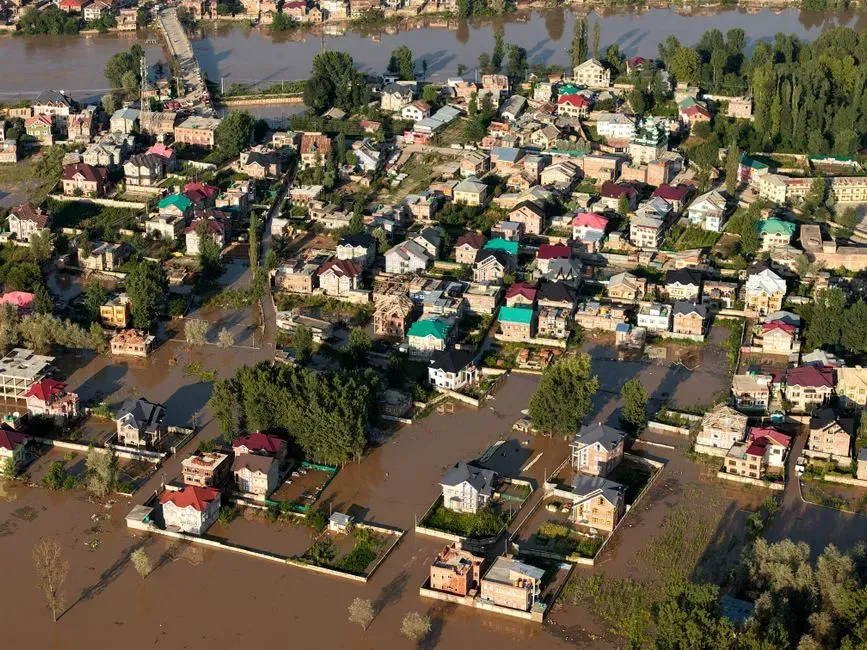
Plenty of buyers check whether a home sits inside a FEMA flood zone and stop there, assuming that answers the question. It doesn't, not entirely. FEMA flood maps were not designed to be flood predictors, and as a result, the maps are based on historical flooding and can quickly become outdated, meaning a property may not be on a FEMA flood map yet still sit in a genuine flood zone.
Past flood history is often a better predictor than zone classification alone. On average, roughly two in five National Flood Insurance Program claims occur outside the officially designated high risk flood areas, and during Hurricane Harvey, thousands of properties not in flood zones ended up flooded, many without insurance to help with repairs. Disclosure rules vary widely by state, so it's worth asking the seller directly about past flooding and requesting any insurance claim history rather than relying on the flood zone label alone.
Noise and Traffic Patterns That Wear You Down

Noise and Traffic Patterns That Wear You Down (Image Credits: Pexels)
Some red flags aren't about safety or money at all, they're about daily quality of life, and noise is chief among them. A street that seems peaceful during a Tuesday afternoon showing can turn into a cut through route during rush hour, or sit under a flight path that only gets busy at certain hours. Agents who know a market well can usually flag these patterns, but the most reliable way to catch them is visiting at different times, including a weekday morning and a weekend evening.
Proximity to highways, rail lines, and airports affects more than comfort. It shows up in resale value too, since buyers increasingly research this before making offers rather than after moving in. A short walk or drive around the neighborhood at multiple times of day remains one of the simplest, most effective ways to catch this red flag before it becomes a daily irritation.
How to Investigate Before You Sign

How to Investigate Before You Sign (Image Credits: Pexels)
None of these red flags require a private investigator, just a willingness to dig a little past the listing photos. Public records, local government websites, insurance quotes, and a few honest conversations with neighbors cover most of what a buyer needs to know. Before making an offer, buyers should look up a property's climate risks and check whether their state has disclosure requirements for past flooding.
The same logic applies across every category on this list. Ask the listing agent direct questions, request HOA financial documents, check zoning and school board records, and pull crime data for the specific block rather than the whole city. It takes an afternoon of research to potentially save years of regret, and most agents will respect a buyer who asks these questions rather than one who skips straight to the offer.
A home is never just the structure sitting on the lot. It's the insurance market underneath it, the association managing it, the school lines around it, and the zoning decisions still to come. Buyers who treat these red flags as research rather than paranoia tend to end up with fewer surprises, and a much clearer sense of what they're actually signing up for.