
I ran a simple experiment. Instead of scrolling through another listicle ranking the same handful of Sun Belt zip codes, I asked ChatGPT to sift through housing data, tax climates, and quality of life factors to name seven U.S. cities that actually make sense for someone planning to buy a home before retiring. The answers weren't the usual Florida beach towns or Arizona golf communities everyone already knows about.
What came back was a mix of college towns, a rust belt comeback story, and a couple of places that rarely show up in glossy retirement magazines. Real estate data backs up most of the picks, and the reasoning behind each one says a lot about how the retirement housing market has shifted over the past two years.
Green Valley, Arizona

Green Valley, Arizona (Image Credits: Pexels)
Tucked into the foothills of the Santa Rita Mountains south of Tucson, Green Valley keeps showing up on national retirement lists for a simple reason. Its reasonable housing prices, with a median home price of $282,000, sit 31% below the national median, making it easier for retirees to hold on to a second home in a cooler spot.
The math gets even more striking when you compare it to other retirement destinations. Since 2020, the median price of single-family homes nationwide has risen 50% to $409,000 according to the National Association of Realtors, but in Green Valley it’s just $282,000. The area is made up mostly of age-restricted communities, so buyers get a built-in social network along with the savings.
Appleton, Wisconsin
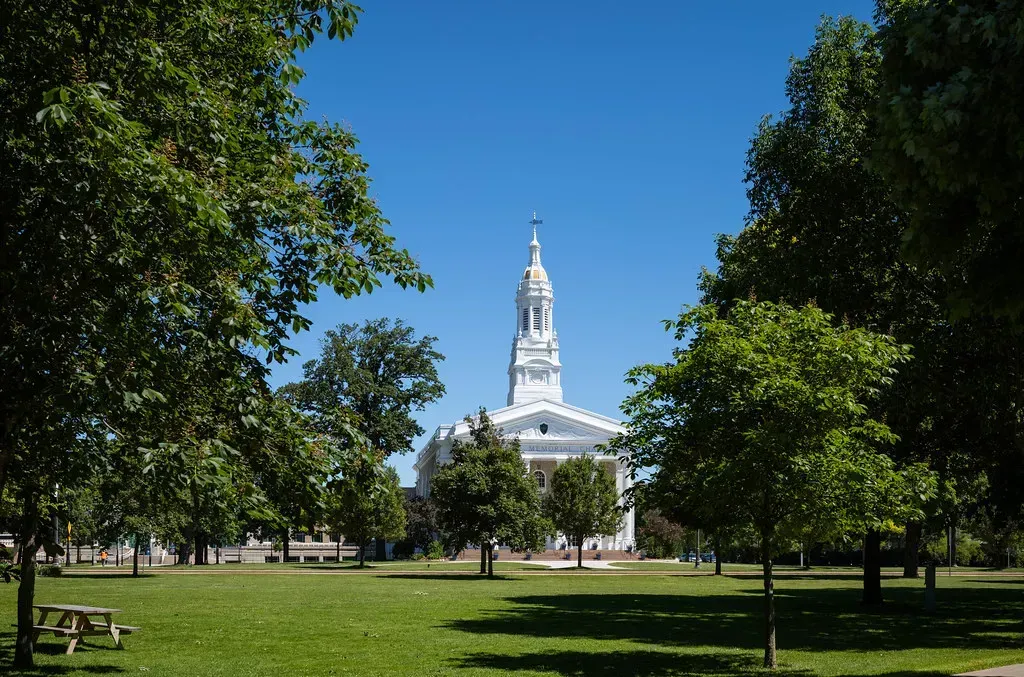
Appleton, Wisconsin (*rb-photo*, Flickr, <a href="https://creativecommons.org/licenses/by/2.0/" target="_blank" rel="noopener">CC BY 2.0</a>)
Nobody puts Appleton on their retirement vision board, and that’s sort of the point. Forbes notes it sports a median home price of $291,000, 29% below the national median of $409,000, with a cost of living 12% below the national average.
The city sits on the Fox River about a hundred miles north of Milwaukee and doubles as a college town thanks to Lawrence University. Among the pros listed for it are a low serious crime rate, low FEMA natural hazard danger, no state income tax on Social Security or government retirement plans, and no state estate or inheritance tax. For buyers who want four real seasons without paying a coastal premium, it’s a quietly compelling case.
Pittsburgh, Pennsylvania

Pittsburgh, Pennsylvania (Image Credits: Unsplash)
Pittsburgh has spent the better part of a decade proving that a former steel town can reinvent itself into a legitimate retirement destination. The city offers big-city perks with lower costs, with a cost of living 8% below the national average thanks to savings on health care and housing, and retirement income and Social Security are not taxed.
Housing affordability is the real draw here. One analysis found Pittsburgh’s median home price runs roughly 43% below the national median, which is a rare discount for a city with major medical systems, professional sports, and genuine cultural infrastructure. It also helps that Pennsylvania doesn’t tax retirement benefits, though buyers should factor in the state’s inheritance tax when estate planning.
Fargo, North Dakota

Fargo, North Dakota (Image Credits: Unsplash)
Cold winters scare off a lot of retirees, but Fargo has quietly built a reputation as one of the most dependable values in the country. It’s the only place that has appeared on Forbes’ retirement list for all 16 years the magazine has compiled it.
Fargo fits the bill for affordability, with particularly low housing costs for retirees and a median home cost of $318,584 according to Zillow. North Dakota’s tax structure sweetens the deal further, since the state carries no income, estate, or inheritance taxes for residents. The presence of North Dakota State University also means retirees get access to lectures, sporting events, and a younger energy that some age-restricted communities lack.
Athens, Georgia
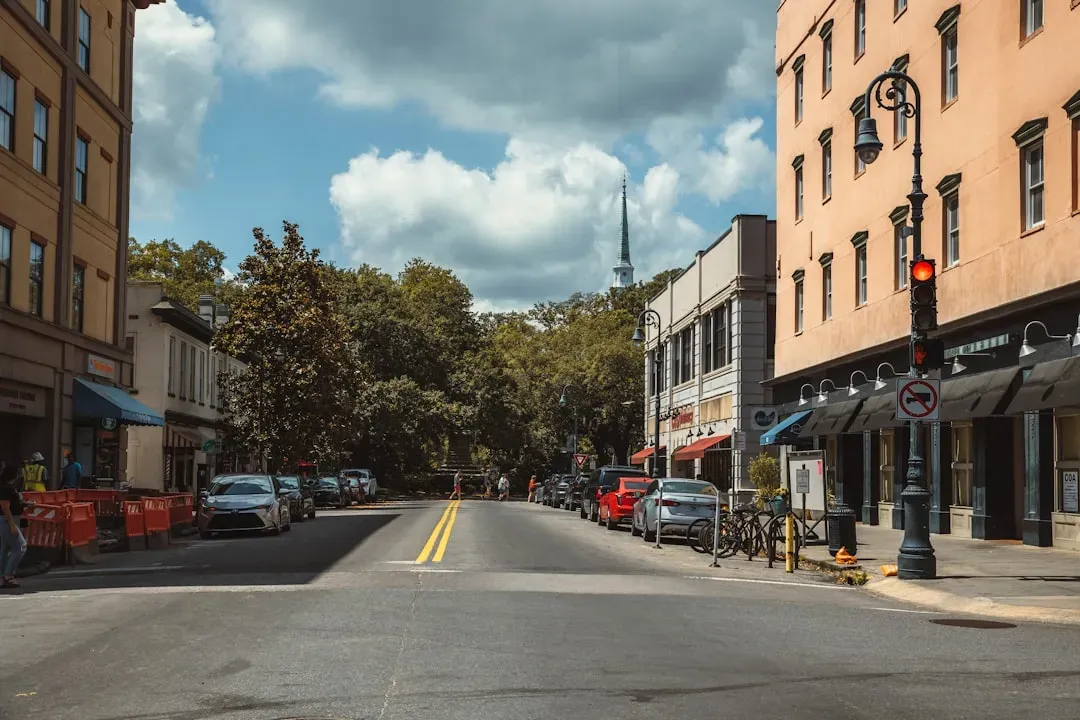
Athens, Georgia (Image Credits: Unsplash)
Home to the University of Georgia, Athens blends small city charm with the kind of amenities usually found in much larger metros. This classic college town of 130,000 people, located 70 miles east of Atlanta, has a median home price of $331,000, which is 19% below the national median, along with an agreeable climate, good air quality, and bikeable streets.
Healthcare access tends to be a sticking point for retirees moving to smaller cities, but Athens bucks that trend. The city has a favorable above-average ratio of primary care physicians per capita, a robust cultural scene, and a good retiree tax climate. The one tradeoff is a serious crime rate that runs somewhat above the national average, so buyers will want to be selective about neighborhood.
Greenville, South Carolina

Greenville, South Carolina (Image Credits: Pexels)
Greenville has been building momentum for years, and the numbers explain why. The median sale price for homes in Greenville was $312,833 as of early 2025, well below prices in comparable Southern cities like Charleston or Charlotte.
South Carolina’s tax code makes the city even more attractive for anyone buying with retirement in mind. The state’s tax policies create significant savings for retirees, including no state tax on Social Security income and up to $15,000 in retirement income deductions per person annually on other sources like pensions and IRA withdrawals. Cobblestone streets, a walkable downtown, and a growing food scene round out a package that feels more polished than its price tag suggests.
Las Vegas, Nevada

Las Vegas, Nevada (Image Credits: Pexels)
Las Vegas rarely gets mentioned as a retirement town, yet a recent affordability analysis put it at the very top of the list for retirees. Based on the analysis, Las Vegas was the most affordable U.S. city for retirees, ranking second for average yearly sunshine and proving very tax-friendly with no state income tax and no estate or inheritance taxes.
The ranking weighed more than just sunshine and low taxes. The retirees ranking factored in tax friendliness, healthcare quality and access, home affordability based on median rent and home prices, cost of living, and sunshine percentage. For buyers picturing endless casinos, the reality is a city with sprawling residential suburbs, direct flights nationwide, and housing costs that undercut most of coastal California and Arizona.
What This Says About Retirement Home Buying in 2026

What This Says About Retirement Home Buying in 2026 (Image Credits: Pexels)
None of these seven cities are the obvious names that dominate retirement magazine covers. That’s arguably the most useful part of the exercise. Housing affordability, not palm trees, is driving where sensible buyers are actually putting their money right now.
A 2026 MoveBuddha survey found that 87% of respondents overall said lower cost of living and housing affordability would motivate a move, while a PODS Moving Mindset Study from April 2026 showed that 61% of recent movers said affordability was their main priority. That shift in priorities explains why college towns, Midwestern cities, and even a desert gambling hub are edging out the traditional retirement postcards. For anyone weighing where to buy before stepping into retirement, the smarter play increasingly looks like following the math instead of the marketing.