
Buying a house is one thing. Turning it into the home you actually pictured is a different challenge entirely, and it’s one that trips up even careful, detail-oriented people. Renovation shows the process look tidy and fast, but real projects involve permits, contractors, material delays, and a hundred small decisions that add up quickly.
First-time homeowners tend to repeat the same handful of missteps, not because they’re careless, but because nobody warns them ahead of time. Knowing what usually goes wrong before you start can save real money, real stress, and a lot of wasted weekends.
1. Skipping a real budget, or ignoring it once it's set
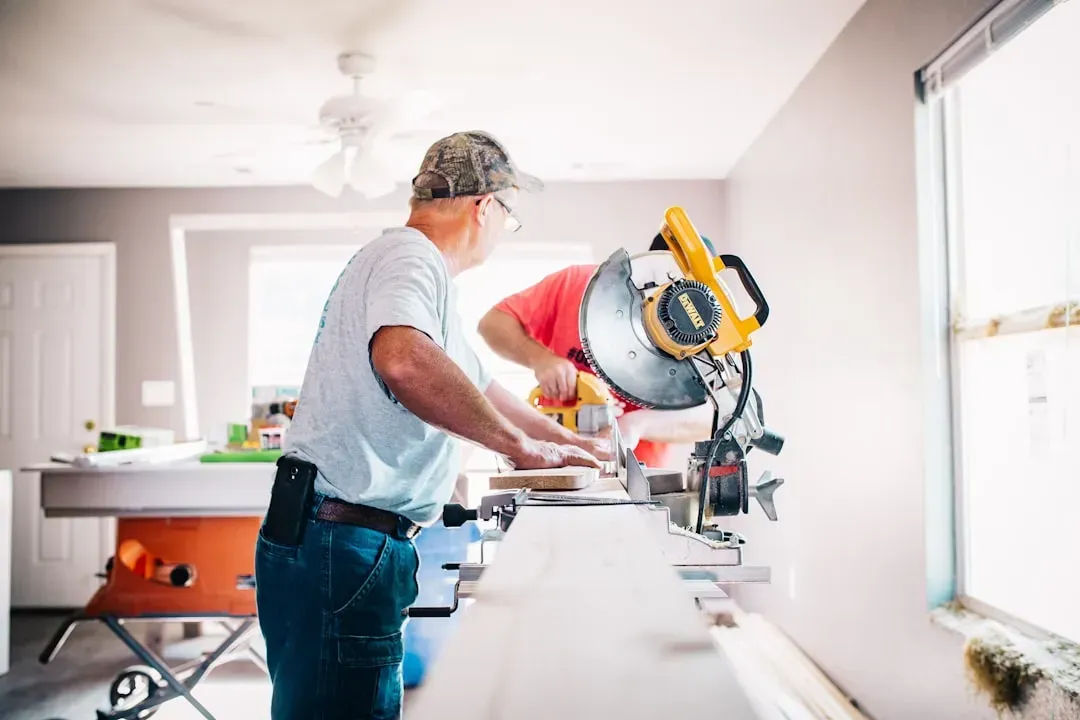
1. Skipping a real budget, or ignoring it once it's set (Image Credits: Unsplash)
A surprising number of homeowners never write down a firm number before starting work, and even those who do often abandon it fast. Recent Houzz research found that while three-quarters of homeowners set an initial budget, nearly 2 in 5 (37%) exceeded their set amount in 2025, slightly outpacing those who came in on target (35%). That’s not a small margin of error.
Part of the problem is unpredictable costs. More than half of homeowners who exceeded their budget (52%) cited unexpected product or service costs, and other common triggers include unexpected project complexity (32%) and discovering construction-related issues once the project is underway (22%). Building a cushion of fifteen to twenty percent above your baseline estimate, before demolition even starts, turns most of these surprises into manageable line items instead of panic decisions.
2. Assuming the project will move faster than it will
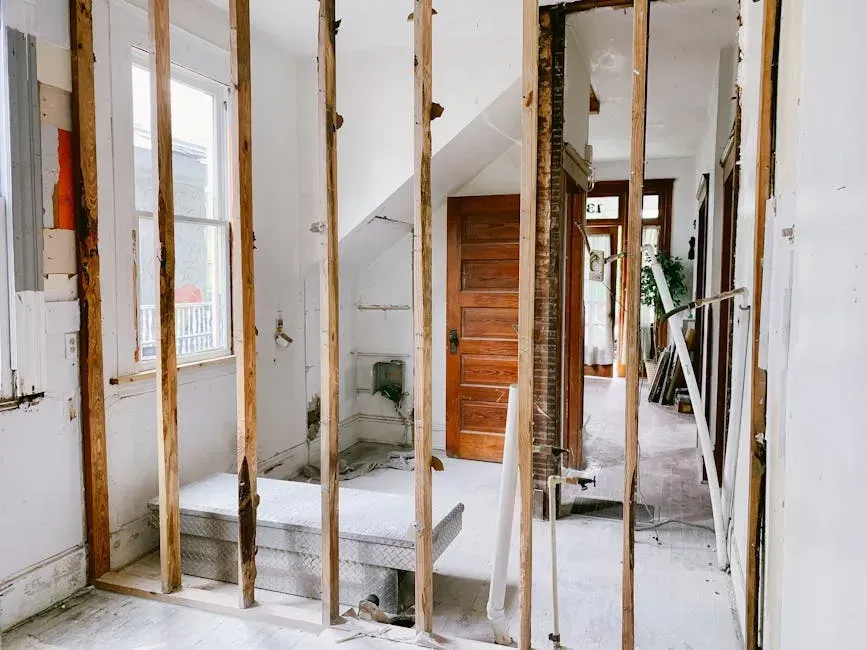
2. Assuming the project will move faster than it will (Image Credits: Pexels)
Almost every first-time renovator underestimates how long things take, especially once contractors, inspectors, and suppliers all need to line up on the same schedule. As one renovation guide puts it, one of the most common home renovation mistakes homeowners make is not calculating the timelines and assuming the work to be completed in a month or two, and they are taken by surprise when the project exceeds the expected completion time.
Timelines depend on more than labor. Material shortages, permit backlogs, and even weather can push a project weeks past its original finish date, and industry data shows nearly half of contractors faced supply chain delays last year. Building buffer time into your schedule from day one, rather than hoping everything goes perfectly, keeps frustration from boiling over halfway through.
3. Skipping permits or inspections to save time and money
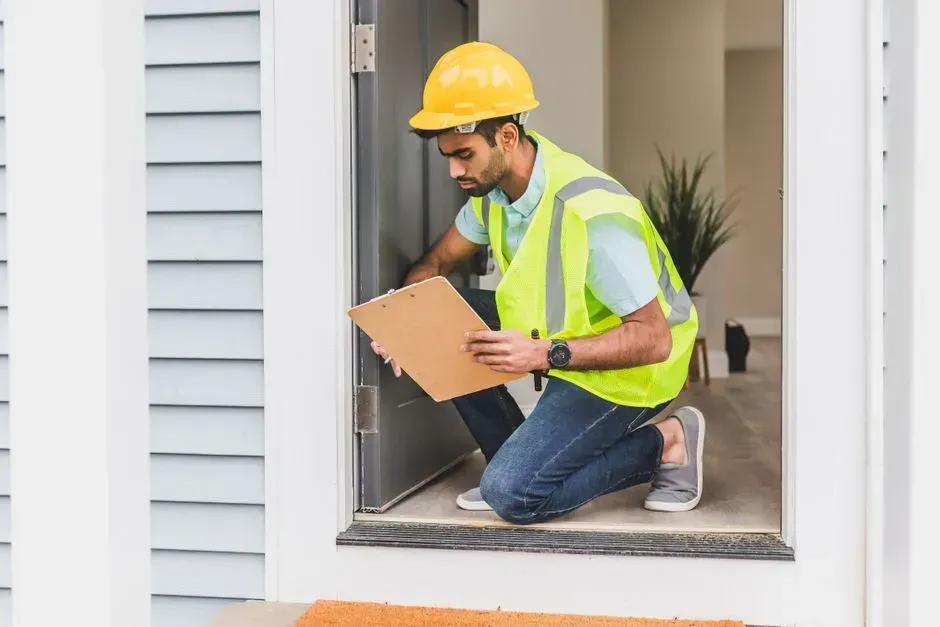
3. Skipping permits or inspections to save time and money (Image Credits: Pexels)
It’s tempting to skip the paperwork, especially for projects that seem simple on the surface, but this is one of the riskiest shortcuts a first-time homeowner can take. Research shows one in five homeowners avoids permits to save time and money, even as a third of all projects legally require them. That gap between what’s required and what actually gets filed is significant.
Skipping the process carries real consequences down the line. Skipping a permit or inspection could result in multiple consequences, from lost time to costly fines, and it could also damage a home’s resale value or void homeowner’s insurance. Unpermitted work also tends to surface during a future home sale inspection, at the worst possible moment to fix it.
4. Hiring the cheapest contractor instead of the right one

4. Hiring the cheapest contractor instead of the right one (Image Credits: Unsplash)
A low bid is appealing when you’re already worried about money, but it’s often where projects go sideways. Many homeowners easily fall into the trap of hiring inexperienced contractors or freelancers because they quote low, and as the project progresses, they face unprofessional workmanship and shabby work.
Red flags are usually visible early if you know what to look for, including no contract or vague terms and conditions, no clear communication and vision, and no warranty. Taking time to check licensing, insurance, and references before signing anything is unglamorous work, but it prevents the kind of contractor disputes that stall projects for months.
5. Forgetting to check how renovations affect insurance coverage
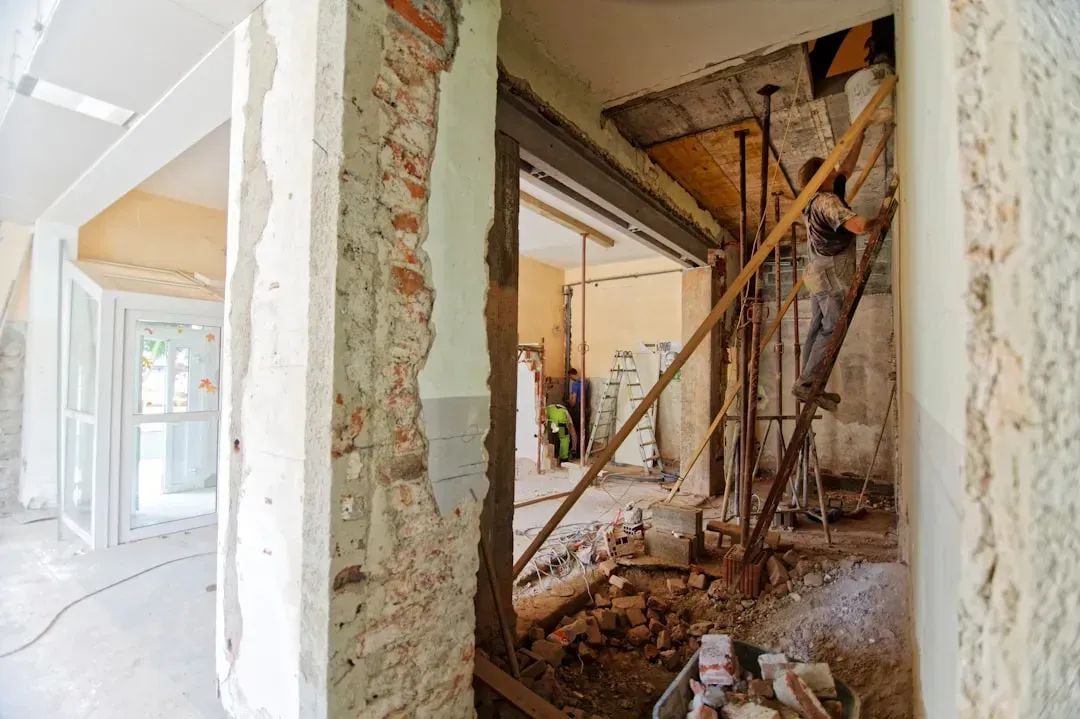
5. Forgetting to check how renovations affect insurance coverage (Image Credits: Unsplash)
Most people assume their existing homeowners policy will cover whatever happens during a remodel, and that assumption can be expensive. In reality, renovations, which involve substantial home improvements, generally aren’t covered by standard homeowners insurance, and major renovations might require specific coverage like builder’s risk insurance.
This matters most for larger projects involving structural changes, additions, or extended construction periods where the home sits partly exposed. A quick call to your insurance provider before work begins, to confirm coverage limits and whether a temporary policy is needed, is a five-minute conversation that can prevent a five-figure loss.
6. Making decisions in isolation instead of seeing the full space

6. Making decisions in isolation instead of seeing the full space (Image Credits: Rawpixel)
Paint color, lighting, layout, and furniture placement all interact with each other, but first-time renovators often choose them one at a time without seeing how they’ll actually work together. As one design resource explains, homeowners are often asked to make decisions on their own, choosing paint color and lighting separately, with layouts set in stone before furniture is picked out.
The result is often a room that technically has everything it needs but somehow still feels off. Homeowners often end up with rooms that feel flat, too bright, or poorly balanced because they don’t see lighting in context. Reviewing a full mood board, floor plan, and lighting plan together before ordering anything helps catch these mismatches while they’re still cheap to fix.
7. Making late changes instead of finalizing the plan early

7. Making late changes instead of finalizing the plan early (Image Credits: Pexels)
It’s natural to second-guess a decision once you see it in real life, but constant late-stage changes are one of the quiet budget killers in any renovation. As one industry source bluntly notes, one big mistake almost never causes a renovation budget to fail; projects fail because they make too many small changes too late.
Change orders after work has started usually cost more than the same decision made during planning, since materials may already be purchased or installed. Design guidance for avoiding this is straightforward: don’t keep changes for the last minute, and take time to finalize the designs and then stick to them until the project completion.
8. Taking on more DIY work than skill level allows
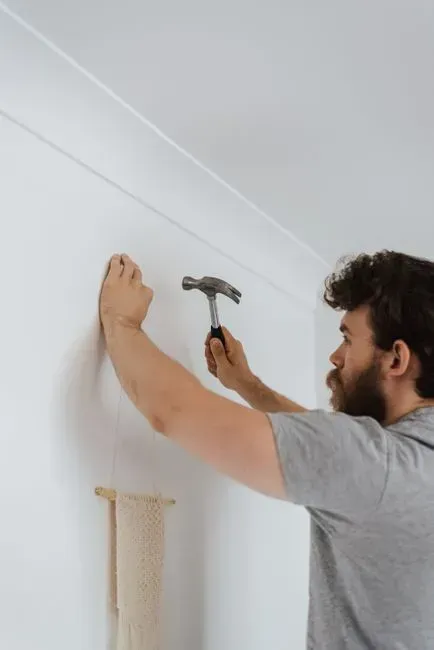
8. Taking on more DIY work than skill level allows (Image Credits: Pexels)
DIY renovation has genuine appeal, both for cost savings and the satisfaction of building something yourself, and interest in it has only grown. Recent survey data found 55% of homeowners said they plan to complete more DIY projects, but ambition and ability don’t always line up.
The financial risk of overreaching is well documented. One survey found that nearly four in 10 (38%) of responding homeowners underestimated how much their DIY project would cost, and 34% reported that not accurately estimating costs up front caused them to go over budget. Breaking a project into smaller tasks and honestly separating what you can handle from what needs a licensed professional keeps small savings from turning into expensive repairs later.
9. Over-personalizing the space without considering resale value

9. Over-personalizing the space without considering resale value (Image Credits: Pexels)
It’s your home, and there’s nothing wrong with making it feel personal, but some choices quietly work against you when it’s time to sell. Design and finance guidance warns that some renovations, like reducing closet size, adding a pool, or creating an overly personalized design, can actually devalue a home.
This doesn’t mean every project needs to be resale-driven, especially since most people plan to stay put for years. Still, it’s worth weighing sentiment against practicality for big structural choices, since across all project types, home renovations bring in up to 60% ROI on average, meaning homeowners should expect to recover roughly half to two-thirds of their investment at sale. Knowing which changes are purely personal versus which ones affect long-term value helps you spend intentionally rather than by instinct alone.
None of these mistakes are exotic or rare. They’re the same handful of missteps that show up in survey after survey, project after project, because renovation always looks simpler from the outside than it feels once the walls are actually open. A little research, a realistic budget, and a willingness to slow down before big decisions won’t guarantee a perfect renovation, but it will keep most of the predictable headaches from becoming expensive ones.