
Every seller wants their listing to be the one that disappears fast, snapped up before the open house even wraps. In 2026, with inventory rising in many markets and buyers growing more selective about price and condition, that outcome is no longer guaranteed just because a home is priced right. Something quieter, and far less expensive than a kitchen remodel, keeps separating homes that vanish from the market in days from those that linger for months.
Most sellers pour their energy into the rooms buyers will eventually stand in. Fewer stop to think about what happens before anyone ever reaches the front door, whether that door is approached on foot or through a phone screen at eleven at night.
The overlooked feature behind fast sales
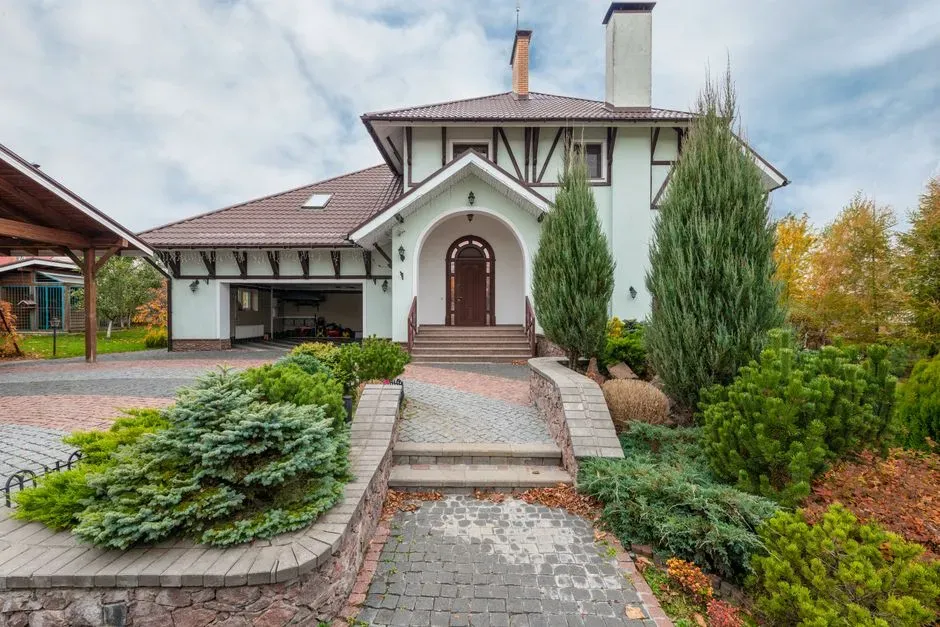
The overlooked feature behind fast sales (Image Credits: Pexels)
The feature in question is curb appeal, and it keeps showing up in research as one of the most reliable predictors of how quickly a home moves off the market. It sounds almost too simple to matter this much, yet the data keeps pointing back to the exterior of a house as the thing that decides whether a buyer even schedules a showing. Sellers tend to assume buyers care most about square footage, updated bathrooms, or a modern kitchen, and those things matter, but they only get evaluated once someone has already decided to walk through the door.
Curb appeal is the gatekeeper to all of that. A home with a tired, overgrown, or dated exterior can have a beautifully renovated interior and still struggle to attract the traffic needed to sell quickly, simply because fewer people ever bother to look past the outside.
What the research actually reveals
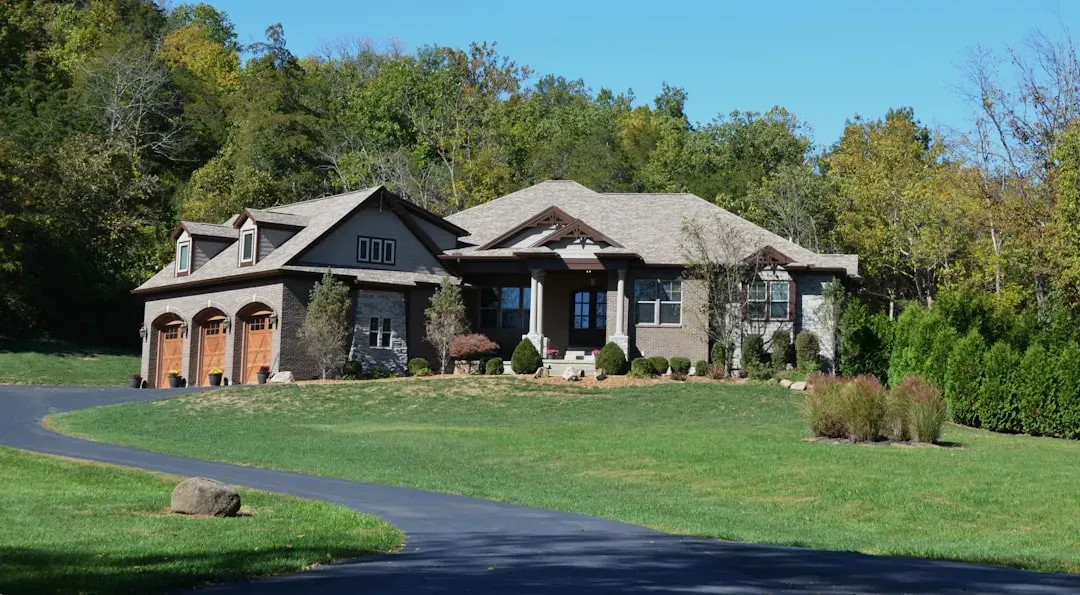
What the research actually reveals (Image Credits: Unsplash)
This is not just agent folklore passed around at open houses. Research on curb appeal shows that homes with strong curb appeal, meaning tidy landscaping, well maintained exteriors and an inviting entryway, sell for an average of seven percent more than comparable homes in the same neighborhood. That premium was calculated by comparing similar properties, which means the exterior alone, independent of size or location, was doing real financial work.
What is even more telling is how that effect changes with market conditions. The curb appeal effect becomes especially pronounced in slower markets, and during the 2008 financial crisis the premium jumped into the ten to eleven percent range as buyers gravitated toward homes that stood out from neglected foreclosures. That pattern suggests curb appeal is not a luxury flourish for hot markets, but a competitive advantage that grows sharper when buyers have more options to choose from.
The first few seconds still decide everything
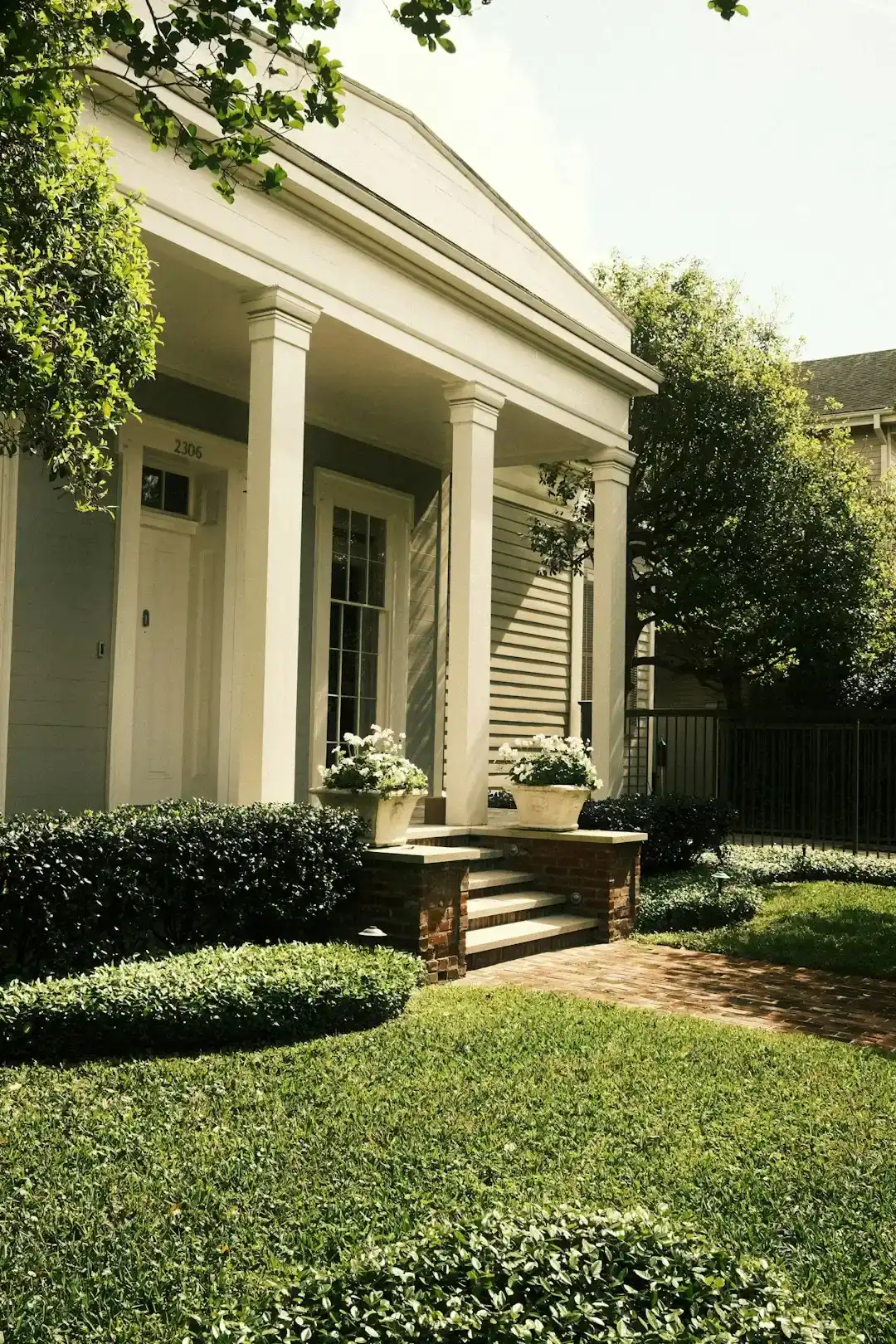
The first few seconds still decide everything (Image Credits: Unsplash)
Buyers form impressions almost instantly, and those first impressions tend to color everything that follows. Real estate experts often point out that buyers who are impressed by the outside of a home enter with a more positive mindset, while an exterior that looks neglected can lead buyers to assume the inside has similar issues, even when that is not true. That bias is hard to undo once it sets in, no matter how nice the kitchen looks five minutes later.
This matters just as much in person as it does online. A buyer scrolling through listings on their phone applies the same snap judgment to a thumbnail photo that they would apply pulling into a driveway, which means the exterior has to work twice as hard now that most home searches start on a screen.
Why buyers judge the inside by the outside
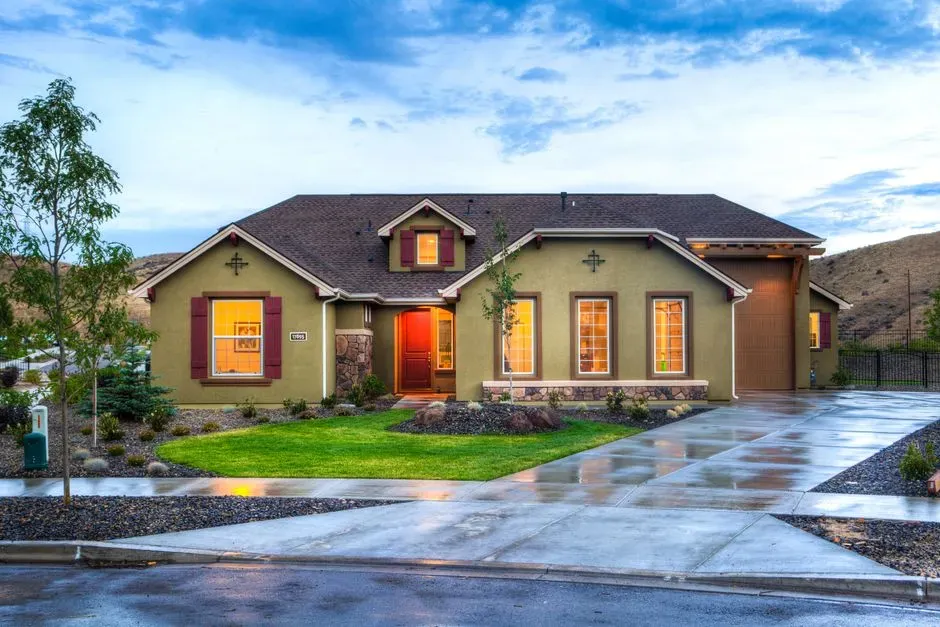
Why buyers judge the inside by the outside (Image Credits: Pexels)
There is a psychological shortcut at work here, and it is one most sellers underestimate. A well kept exterior signals that the inside has been cared for too, which reduces the perceived risk for buyers. Buyers cannot inspect plumbing or wiring from the sidewalk, so they read visible cues, like a fresh lawn or a clean driveway, as evidence of how the whole property has been maintained.
The opposite is equally true. When a home has an unkempt exterior, with dead grass, chipped paint, or overgrown weeds, prospective buyers can assume the inside needs repairs too. That assumption often forms before a single showing is booked, which is exactly why it is so costly.
The return on investment sellers rarely calculate
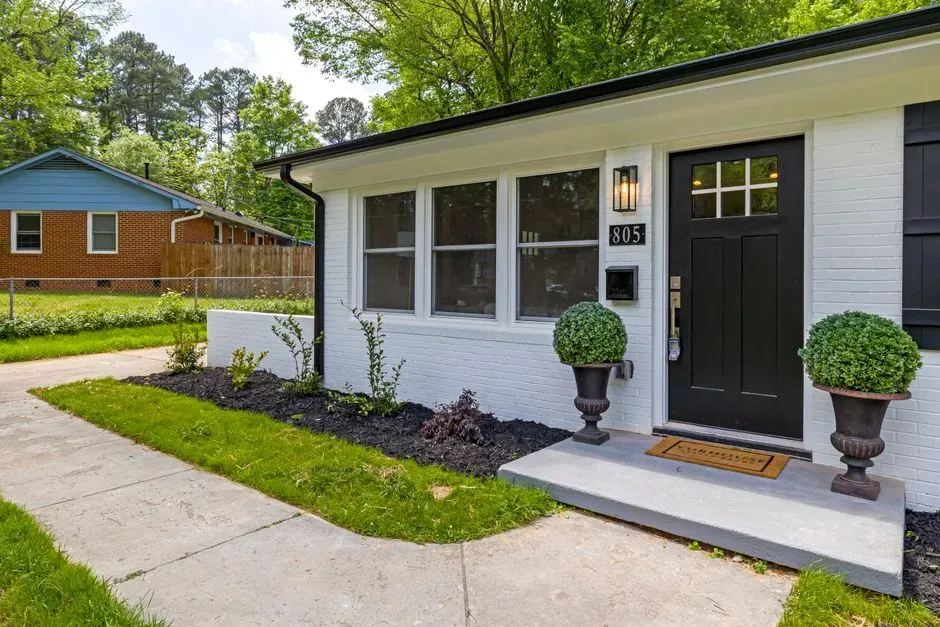
The return on investment sellers rarely calculate (Image Credits: Pexels)
Part of why curb appeal gets overlooked is that sellers underestimate how little it costs relative to what it returns. Nearly all real estate agents surveyed by the National Association of Realtors believe curb appeal attracts stronger buyers, and the improvements involved can generate a return on investment approaching two and a half times the money spent. That is a far higher return than most interior renovations offer, including popular projects like bathroom updates.
Landscaping specifically stands out in the data. Sellers often see close to a seven percent increase in home value after landscaping updates, and most recoup nearly the full cost of landscape and hardscape projects, with homes in high demand areas seeing the greatest return. For a project that might cost a few thousand dollars, that is a meaningful multiplier.
Small, affordable fixes that outperform big renovations
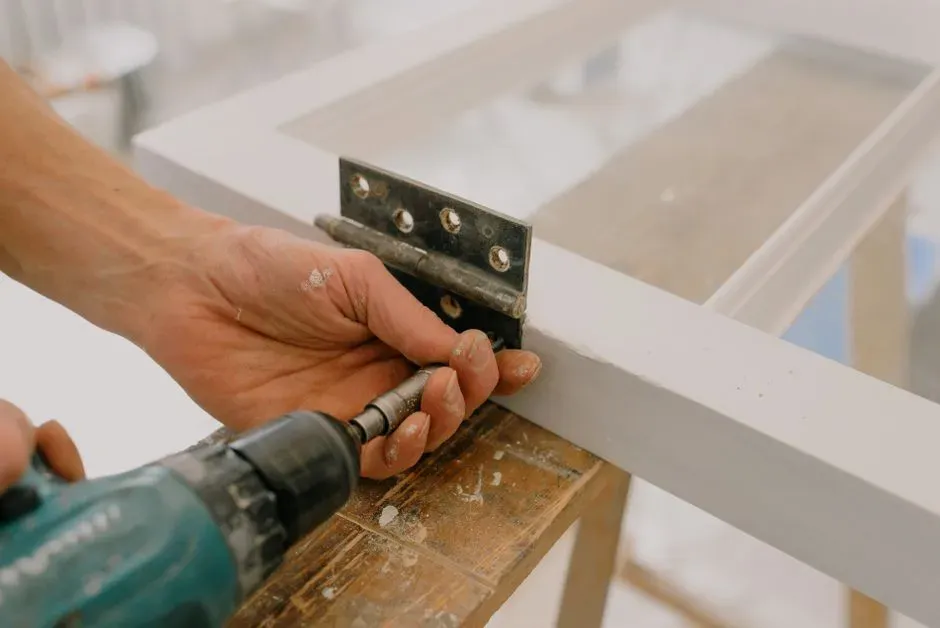
Small, affordable fixes that outperform big renovations (Image Credits: Pexels)
The improvements that move the needle most are rarely dramatic. Freshening up landscaping by mowing the lawn, trimming hedges, and adding seasonal flowers, painting the front door a bold and welcoming color, and upgrading outdated lighting fixtures are all practical, low cost steps that make a real difference. None of those projects require a contractor or a permit, and most can be finished over a weekend.
Even smaller repairs add up. Fixing broken gutters, trimming overgrown bushes, replacing worn house numbers, or repairing fences can significantly boost appeal with minimal cost. The pattern across nearly every study on the subject is the same: sellers get outsized returns from the cheapest, most visible fixes, not the expensive ones hidden behind drywall.
Curb appeal matters even more as inventory rises
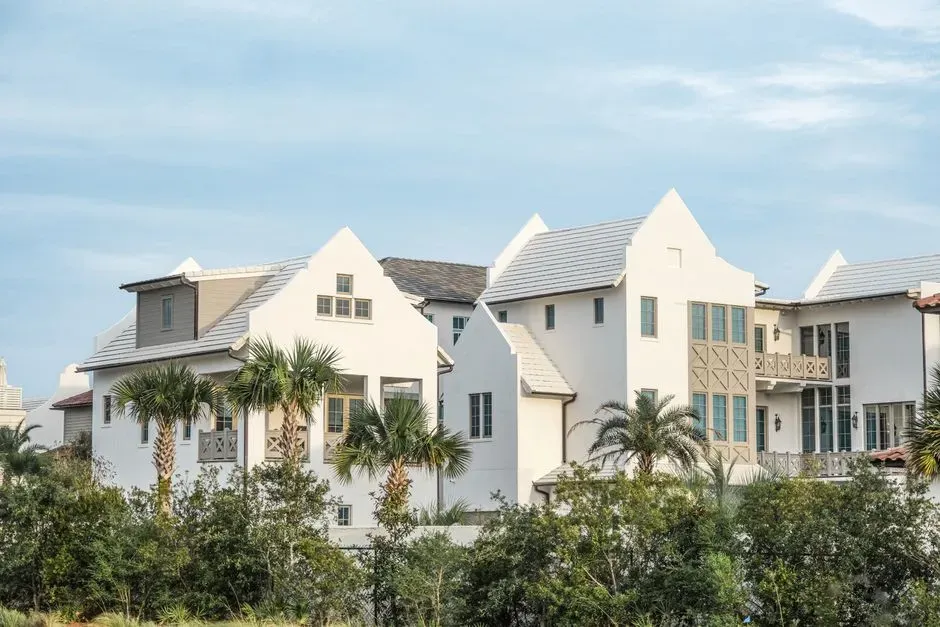
Curb appeal matters even more as inventory rises (Image Credits: Pexels)
The 2026 market has added a new layer of urgency to this conversation. Median national list prices were down slightly year over year in recent data, while price cuts remained elevated at roughly one third of listings nationally. In a market with more competition for buyer attention, a home that stands apart visually has a structural advantage that pricing alone cannot always fix.
This mirrors what happened during past downturns, when standout exteriors became a way to separate a listing from a sea of similar, aging inventory. As more sellers list homes at the same time, the ones that look cared for from the street are the ones that keep drawing repeat interest rather than fading into the scroll.
The digital curb appeal buyers see before they ever visit
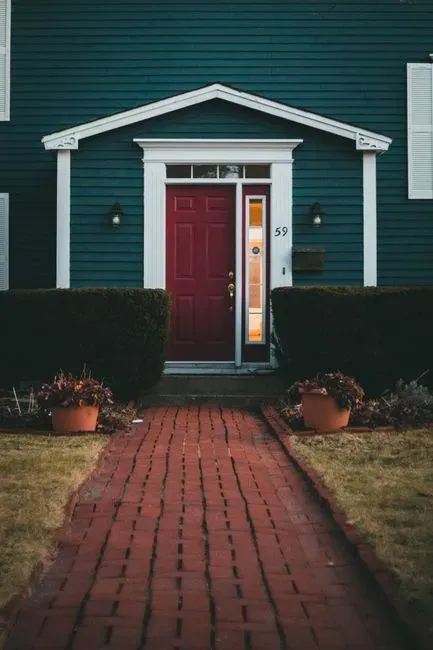
The digital curb appeal buyers see before they ever visit (Image Credits: Pexels)
Curb appeal used to be something only in person visitors noticed, but that changed once online listings became the default starting point for nearly every buyer. Online visibility is now central to the process, and the first photo in a listing, often a shot of the front exterior, can make or break how much engagement that listing gets, with homes that show strong curb appeal photos receiving noticeably more clicks and showings. That first thumbnail is doing the same job a driveway used to do.
Professional photography can only do so much if there is nothing appealing to photograph. High quality curb appeal translates well in listing photos, which matters because most buyers begin their search online long before a physical showing is ever booked. Sellers who invest in the exterior before hiring a photographer tend to get far better images without paying for elaborate editing or staging tricks.
The mistake sellers keep repeating
The mistake sellers keep repeating (Image Credits: Pexels)
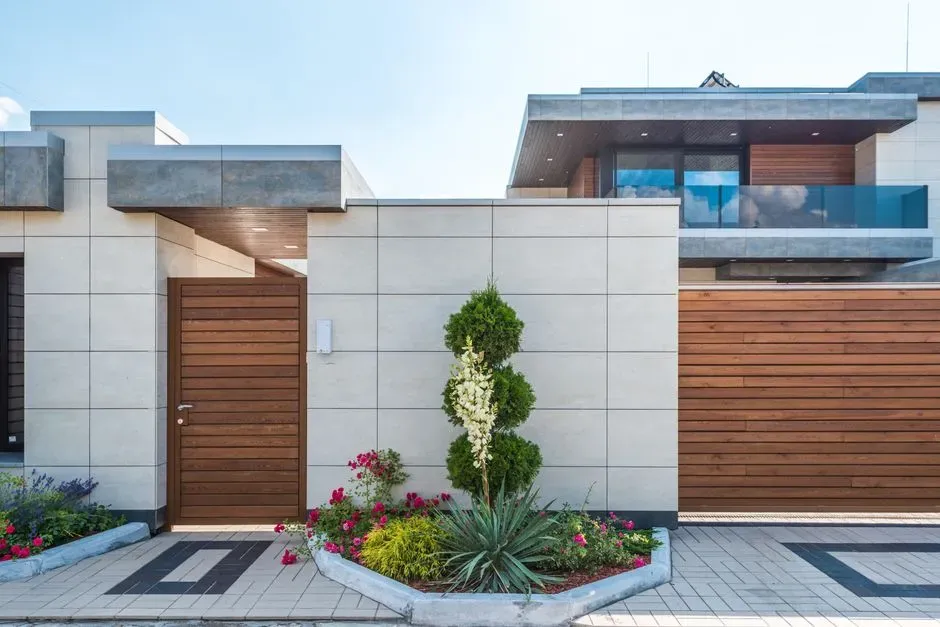
Despite all the evidence, the same pattern shows up again and again among sellers preparing to list. Most homeowners do not realize how important curb appeal is, and they spend time and money fixing up the inside of their house while forgetting about the outside. It is an understandable instinct, since interior spaces are where families actually live, but it misreads how buyers actually shop.
Post pandemic buyer habits have made this mistake even more costly. Buyer behavior has shown a strong desire for move in ready properties, with many buyers reluctant to take on immediate renovations, including fixing up a tired exterior. A home that needs exterior work before it can compete gets passed over by exactly the kind of buyer sellers most want to attract.
Final thoughts
Final thoughts (dalecruse, Flickr, <a href="https://creativecommons.org/licenses/by/2.0/" target="_blank" rel="noopener">CC BY 2.0</a>)
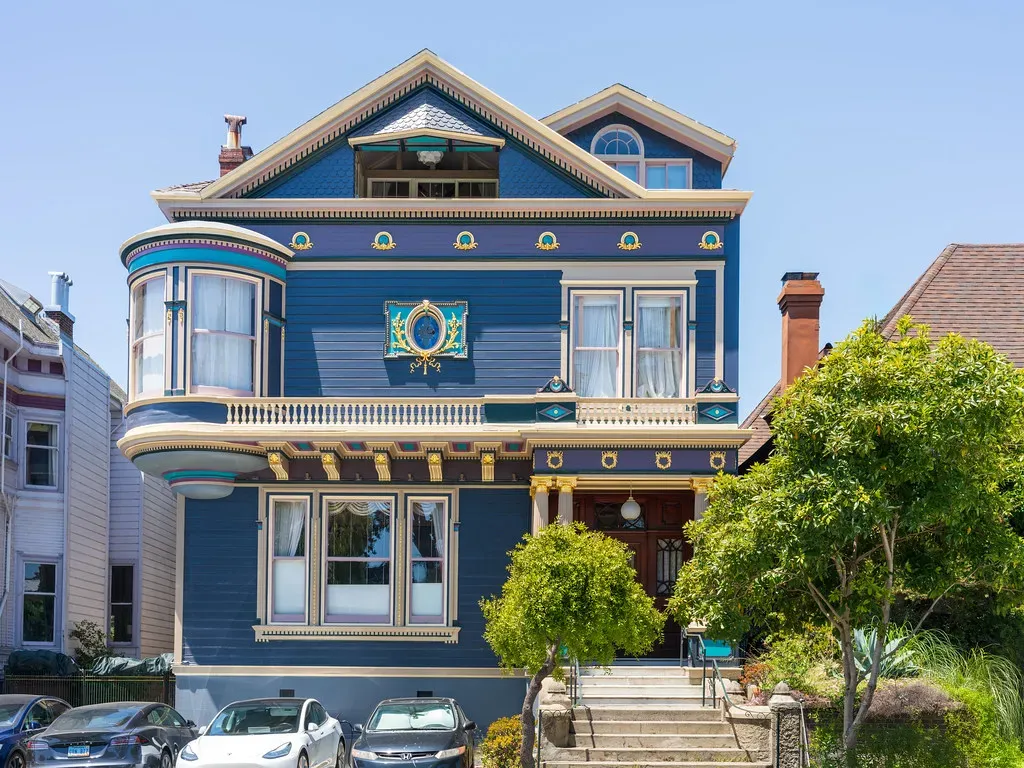
None of this means interior updates do not matter, or that a beautiful kitchen is wasted effort. It means the exterior earns the right for buyers to ever see that kitchen in the first place, and sellers who treat it as an afterthought are working against their own timeline before a single showing is scheduled.
The homes that sell fastest in 2026 are rarely the ones with the most expensive finishes. They are the ones that look cared for from the sidewalk, cost relatively little to prepare, and give buyers a reason to want to see more the moment they arrive, whether that arrival happens on foot or through a screen.