
Most of us have said it in passing: "my social battery is dead." It sounds like a throwaway line, something people use to explain why they'd rather skip the party than dance through it. But the phrase actually describes something real happening in your nervous system, not just a mood or an excuse.
Recognizing the signs early matters more than people think, because a depleted social battery rarely announces itself loudly. It tends to show up in small, easy to dismiss ways, until it doesn't anymore.
1. Small talk suddenly feels like heavy lifting

1. Small talk suddenly feels like heavy lifting (Image Credits: Unsplash)
One of the clearest signals is when ordinary conversation starts to feel effortful in a way it usually doesn’t. A quick chat with a coworker or a check in text from a friend, things that normally take no thought at all, suddenly feel like tasks you have to brace for. Noise that once felt manageable suddenly feels overwhelming, and even small conversations can feel like work.
This isn’t about disliking the person you’re talking to. It’s a processing issue. Introverts often process information deeply, which takes mental effort, so a dinner party might leave you feeling satisfied but exhausted, even if you genuinely enjoyed every conversation. When that effort starts leaking into interactions that used to be effortless, it’s usually a sign the tank is running low.
2. You feel a wave of relief when plans get cancelled
2. You feel a wave of relief when plans get cancelled (Image Credits: Unsplash)
If someone cancels on you and your first reaction is quiet relief rather than disappointment, pay attention to that. If you cancel plans and feel instant relief, that is often a sign your introvert social battery needed rest more than another commitment. It’s a fairly reliable gut check, more honest than anything you’d say out loud in the moment.
This reaction isn’t laziness or antisocial behavior, even though it can feel that way in the moment. It is less about laziness and more about genuine depletion. The relief is your system telling you it needs the space it was about to lose, and it’s worth listening to rather than talking yourself out of.
3. Your body starts carrying the tension before your mind admits it
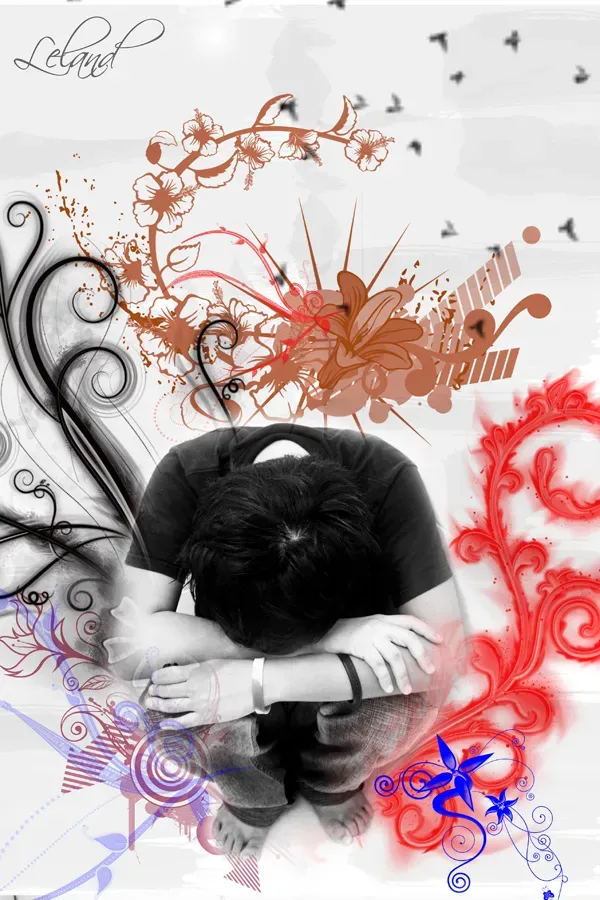
3. Your body starts carrying the tension before your mind admits it (Image Credits: Drained of all purpose, <a href="https://commons.wikimedia.org/w/index.php?curid=67934506" target="_blank" rel="noopener">CC BY 2.0</a>)
Social exhaustion doesn’t only live in your head. It often lands in the body first, sometimes before you’ve consciously registered feeling drained at all. Physical fatigue such as heaviness in your limbs, tight shoulders, neck tension, and poor concentration can all point to social exhaustion rather than simple fatigue from a busy day.
Some people also notice headaches or a clenched jaw creeping in after long stretches of interaction. When you are socially burned out, the effects are rarely confined purely to the mind, and the body is often the first to show the signs of strain, including recurring tension headaches, a clenched jaw, and muscle tightness, because your nervous system is stuck in a low-level state of alertness. That physical signal is often more trustworthy than whatever your brain is telling you about how “fine” you are.
4. Your thinking gets foggy and slow mid conversation

4. Your thinking gets foggy and slow mid conversation (Image Credits: Pexels)
A depleted social battery doesn’t just make you tired, it makes you a little duller than usual. Words come slower, focus slips, and you might lose your train of thought halfway through a sentence you started confidently. You might find it harder to concentrate, struggle to finish tasks, or notice that you lose your train of thought mid sentence, because constant social stimulation without adequate recovery time reduces your ability to access higher level mental processes.
This cognitive dip is often mistaken for being distracted or simply having an off day. In reality, it’s closer to running a phone on low power mode. You might feel mentally foggy or irritable once the drain has gone on long enough, and that fog is usually the clearest indicator that rest, not more coffee or willpower, is what’s actually needed.
5. You feel irritable or withdrawn without an obvious reason

5. You feel irritable or withdrawn without an obvious reason (Image Credits: Unsplash)
Sometimes the most telling sign isn’t exhaustion at all, it’s a short fuse that seems to come from nowhere. Snapping at small things, feeling impatient with people you normally enjoy being around, or wanting to disappear mid conversation are all part of the pattern. One of the earliest and most overlooked signs is increased irritability, along with social withdrawal, where invitations can feel draining and conversations might feel unusually effortful, leading someone to prefer time alone over any new or social experience.
It’s worth noting this withdrawal isn’t the same as simply being introverted by nature. While introversion is a stable personality trait, burnout related withdrawal is state dependent, meaning people withdraw not because they prefer solitude, but because social interaction requires emotional energy they no longer have. Mistaking one for the other is common, and it’s part of why this particular sign gets missed for so long.
Everyone’s threshold looks a little different. Some people notice the drain within an hour, others can go most of a day before it hits, and many people hit social exhaustion after two to three hours of extended interaction, according to psychological research on social endurance. What matters isn’t matching someone else’s timeline, it’s noticing your own pattern early enough to actually do something about it, whether that means a quiet night in, a shorter guest list, or simply giving yourself permission to leave a gathering before you hit empty.