
After a decade of walking through other people’s houses with a critical eye, you start noticing patterns. The same handful of issues show up again and again, and they have almost nothing to do with square footage or location. They’re small, fixable things that quietly convince a buyer to keep scrolling or walk back out to their car without saying much.
Real estate agents see this play out constantly, and the data backs it up. Buyers form impressions fast, often before they’ve stepped past the entryway, and staging choices can make or break that first read on a property. Here are the eight features that, in my experience, do the most damage to a buyer’s first impression, along with why they matter more than most sellers assume.
1. Family photos and personal memorabilia on every surface
1. Family photos and personal memorabilia on every surface (Image Credits: Unsplash)
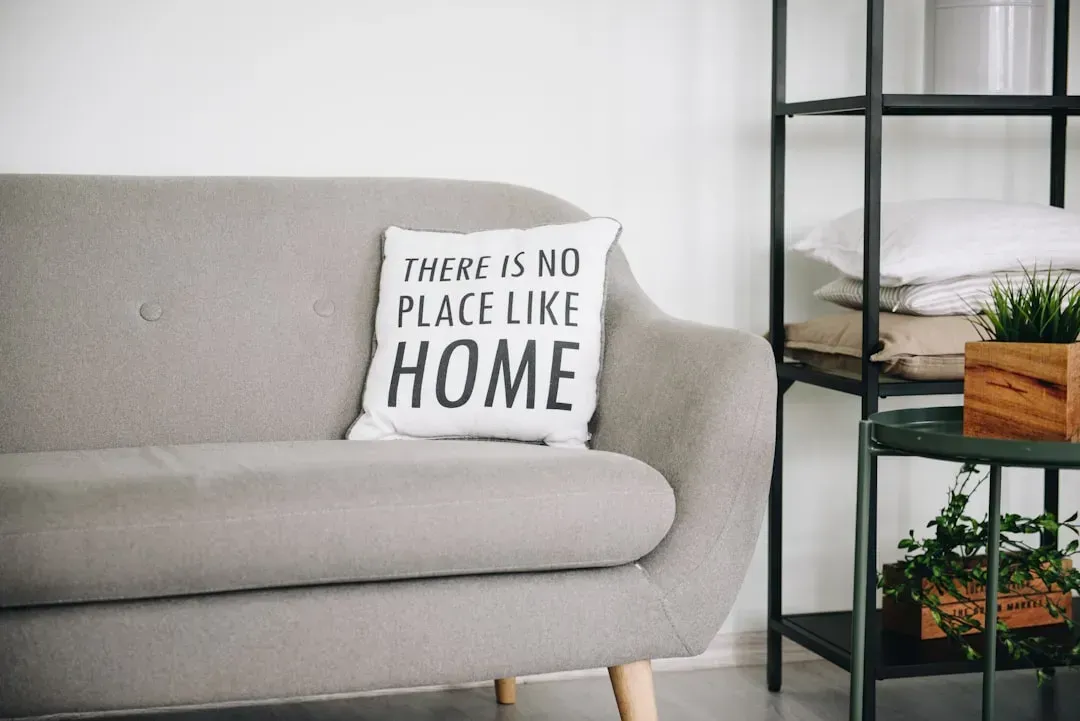
This one comes up in nearly every staging consultation I run. Sellers love their photo walls and shelves full of trophies, but buyers need to picture their own life in the space, not someone else’s. One of the biggest mistakes in home staging is failing to depersonalize the space, since buyers need to envision themselves living there, and personalized decor or family photos can make it harder for buyers to connect with a home.
It’s not that stagers want a home to feel cold or empty. Quite the opposite. Buyers need to imagine their own family in your home, and that’s hard to do when every surface features wedding portraits, kids’ school photos, and years of travel mementos, since personal items make a space feel occupied rather than available. I always tell sellers to box up the sentimental stuff early, because it’s usually the first thing that needs to go.
2. Cramped rooms stuffed with too much furniture
2. Cramped rooms stuffed with too much furniture (Image Credits: Unsplash)
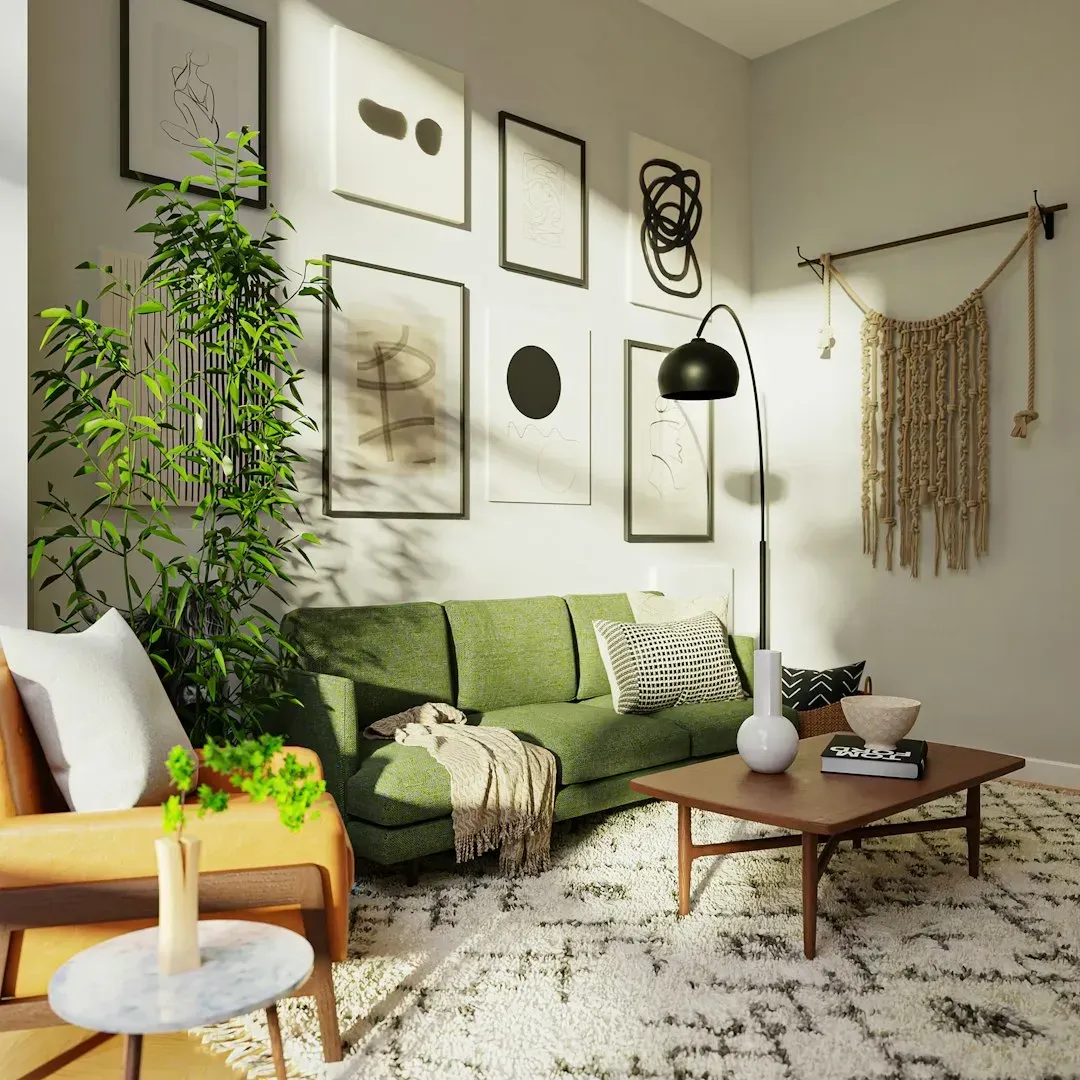
Sellers often want to leave every piece of furniture in place so the house doesn’t feel bare during showings, but that backfires more often than not. Too much furniture or clutter can make a home feel cramped, and it’s one of the most overlooked staging mistakes that can cause buyers to feel overwhelmed and uninterested. A living room packed with three sofas and a wall of bookshelves reads as small, even if the actual dimensions are generous.
Proportion matters just as much as quantity. Selecting furniture that is too large or too small for a space can disrupt the flow and balance of the home, since oversized furniture can make a room feel cramped while furniture that is too small can leave a space feeling empty and unfinished, so pieces should match the proportions of each room. I’ve watched buyers physically hesitate at a doorway because the furniture inside made the room look tighter than it actually was.
3. Loud, bold, or clashing paint colors
3. Loud, bold, or clashing paint colors (Image Credits: Pexels)
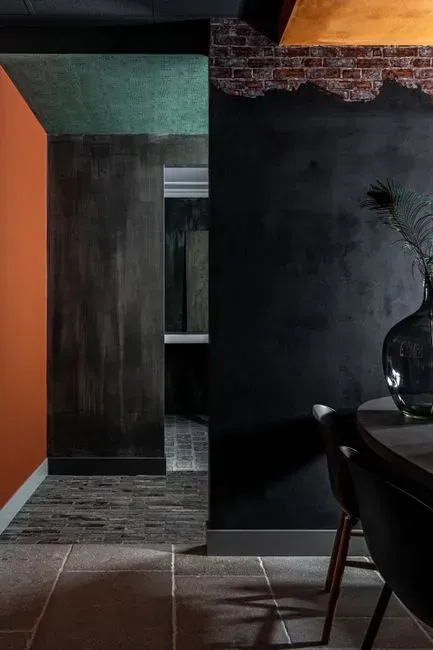
A dramatic accent wall might feel expressive to the person living there, but it rarely reads that way to a stranger touring the house for fifteen minutes. Loud and bold colors can be a quick turn off for home buyers, which is why repainting any rooms a more neutral color is usually recommended. Deep reds, bright oranges, and overly saturated blues tend to make rooms feel smaller and harder to visualize with different furniture.
Neutral doesn’t have to mean boring, though. Soft grays, warm whites, and muted greiges photograph well and let buyers focus on the architecture and light rather than the wall color itself. This matters even more now that a large share of buyers form their opinion of a home from listing photos before ever stepping inside it.
4. Dim rooms and outdated lighting fixtures
4. Dim rooms and outdated lighting fixtures (Image Credits: Pexels)
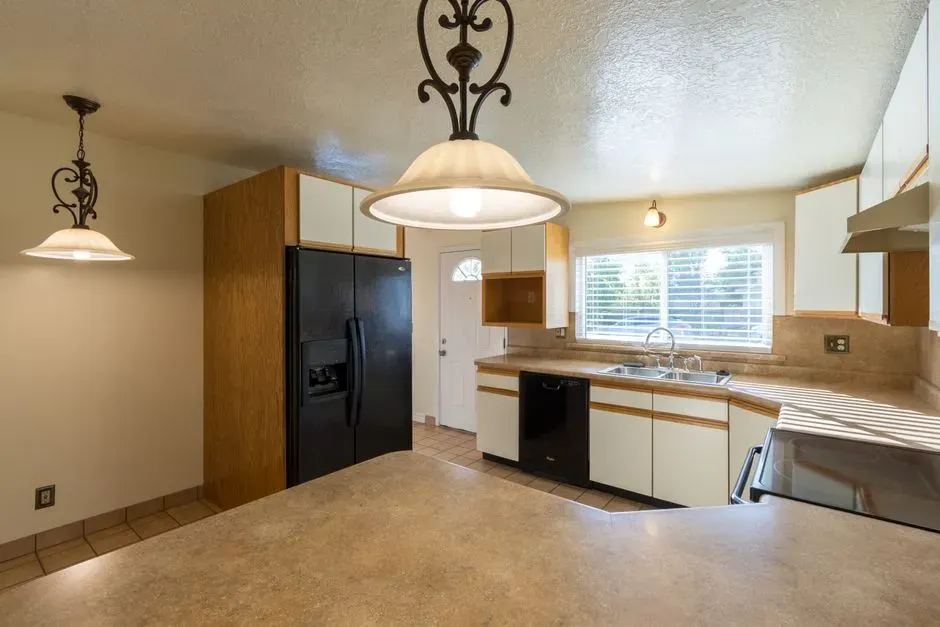
Lighting is one of those details that sellers rarely think about until a stager points it out, and then they can’t unsee it. Dark or overly dim spaces are a major turn-off, so opening blinds, using sheer curtains, and replacing outdated or dim bulbs with warm, bright LED lighting helps create a cheerful, open feel throughout the home. A room that feels moody in person can look genuinely unwelcoming in photos.
Old brass fixtures, yellowed bulbs, or a single overhead light in an otherwise large room all send the same signal: this house hasn’t been updated. Swapping bulbs and fixtures is inexpensive compared to almost anything else on this list, yet it changes how a space feels almost instantly. I’ve seen the same room get noticeably warmer reactions from buyers just from a lighting swap and open curtains.
5. Strong odors from pets, smoke, or heavy cooking

5. Strong odors from pets, smoke, or heavy cooking (Image Credits: Unsplash)
Smell is the fastest way to lose a buyer, and it happens before they’ve even formed a visual opinion of the house. Agents I work with consistently mention that walking into a home with a lingering pet or smoke odor changes the entire tone of a showing, often before anyone says a word. It’s a visceral reaction, and it’s hard to undo once it happens.
Cleanliness and scent go hand in hand here. Dusty surfaces, dirty windows, and lingering odors can immediately turn buyers off, so every inch of the home should be thoroughly cleaned before potential buyers arrive, including often-neglected areas like baseboards or ceiling fans, since a clean home signals that the property has been well maintained. Air out the house, wash fabrics, and skip the heavy air fresheners, since buyers notice those too and often assume they’re covering something up.
6. A neglected or uninviting entryway
6. A neglected or uninviting entryway (Image Credits: By Federal Bureau of Investigation, <a href="https://commons.wikimedia.org/w/index.php?curid=180480191" target="_blank" rel="noopener">Public domain</a>)
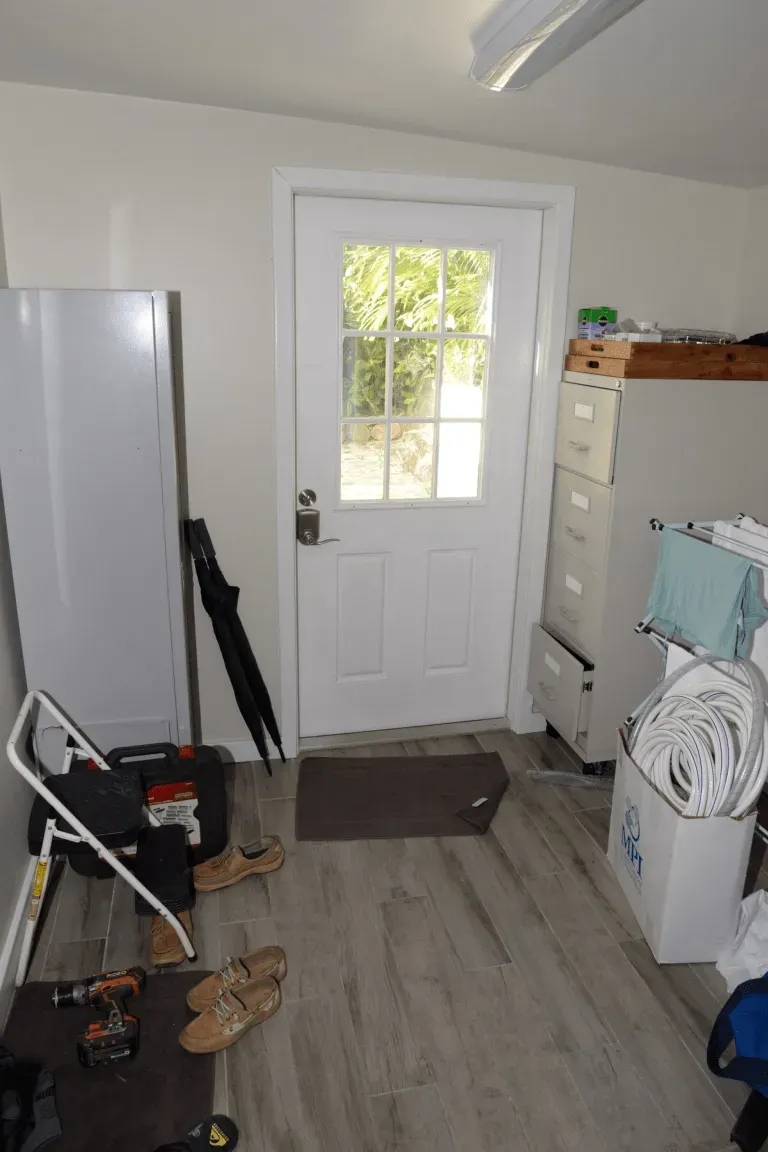
The entryway does more work than most sellers realize, because it’s the first interior space a buyer actually experiences up close. The entryway sets the tone for the entire showing, yet many realtors overlook its importance, leaving it cluttered, dull, or uninviting, which gives buyers an unfavorable first impression as they step inside. Shoes piled by the door, coats draped over a chair, or mail stacked on a console table all chip away at that first moment.
Fixing this doesn’t take much effort or money. This space should be clean, well-lit, and thoughtfully decorated to create a welcoming atmosphere, and realtors should view the entryway as the gateway to the home, staging it with as much care as the rest of the property. A clear surface, a fresh doormat, and good lighting go a long way toward setting a positive tone before a buyer even reaches the living room.
7. Visible small repairs left undone
7. Visible small repairs left undone (Image Credits: Pexels)
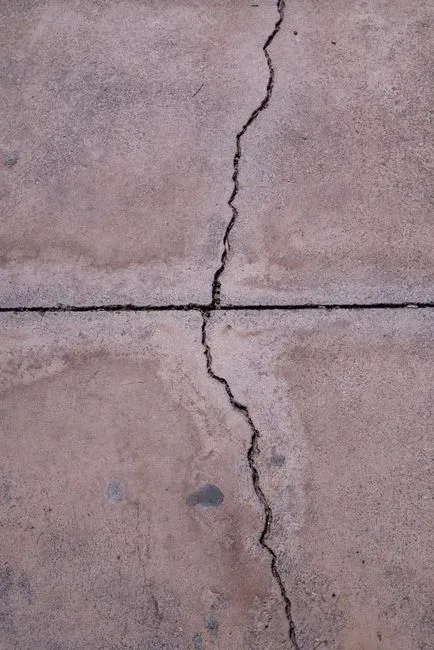
It’s easy to assume buyers won’t notice a squeaky hinge or a hairline crack in the tile, but they do, and they tend to read those details as warning signs. Buyers notice the little things, like chipped paint, squeaky doors, or cracked tiles, and while these small issues may not be deal-breakers, they can give the impression that the home hasn’t been well maintained, so it’s worth taking care of the details before listing. A buyer who spots three or four minor flaws starts wondering what bigger issues might be hiding.
This pattern shows up in agent feedback too, particularly as inventory has grown and buyers have more homes to compare. In a market with more inventory, buyers compare homes side by side, and homes that don’t show well or feel dated are going to lose attention quickly, even if the issues are minor. A weekend spent tightening hinges, patching paint, and re-caulking a tub often pays off far more than people expect.
8. Poor curb appeal before a buyer even steps inside
8. Poor curb appeal before a buyer even steps inside (A Little Overgrown, <a href="https://commons.wikimedia.org/w/index.php?curid=71493741" target="_blank" rel="noopener">CC BY 2.0</a>)
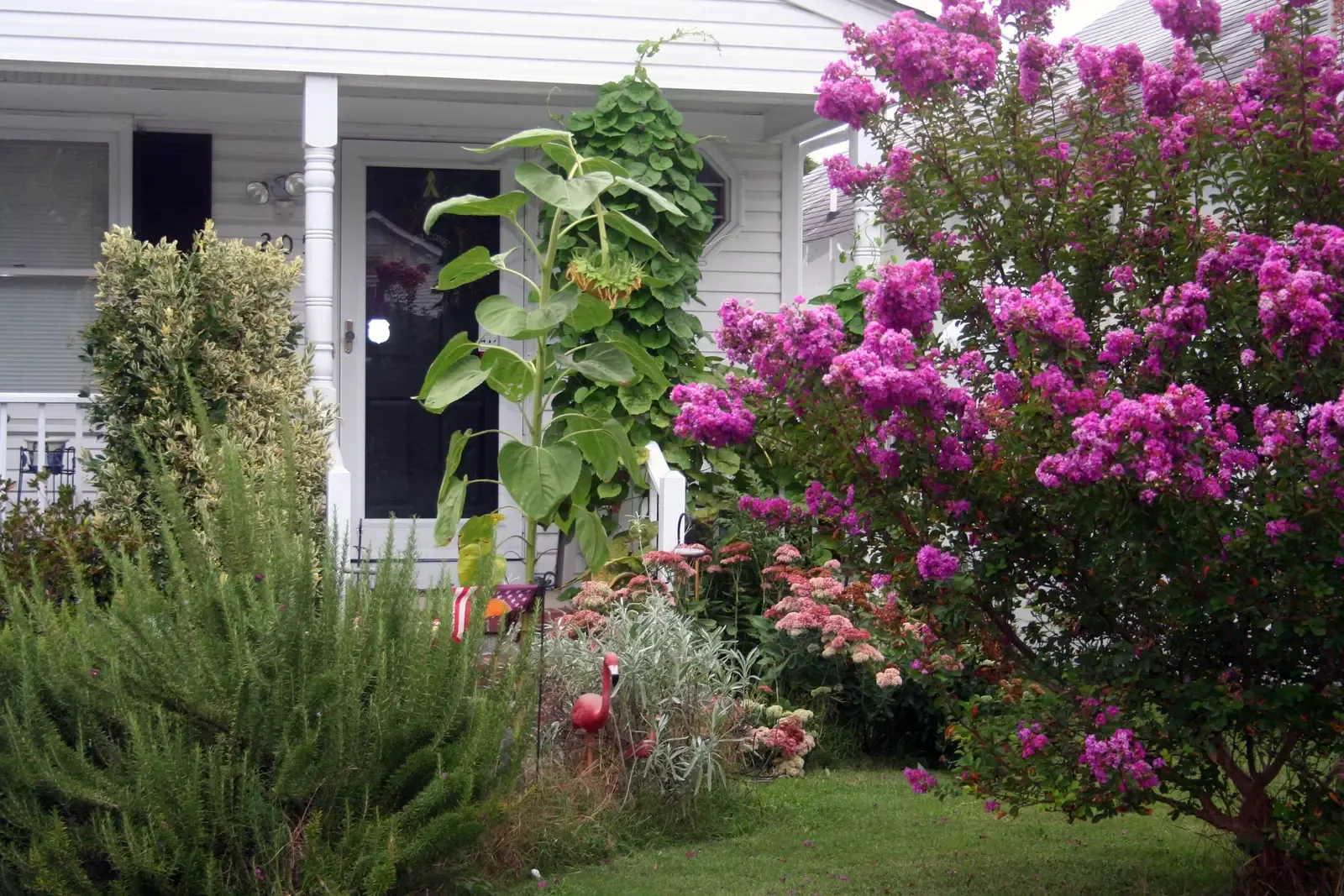
Everything I’ve mentioned so far assumes a buyer has already walked through the front door, but plenty of buyers never make it that far. The exterior of a home is the first thing buyers encounter, whether scrolling through listing photos or pulling up for a scheduled showing, and overgrown shrubs, a cracked walkway, peeling paint, or a cluttered front porch can stop buyers from wanting to step inside at all, since agents consistently report poor curb appeal as one of the fastest ways to lose buyer interest. That reaction happens in seconds, often from the curb or even from a phone screen.
The fix tends to be more about maintenance than money. First impressions happen before anyone even steps inside, and untrimmed bushes, peeling paint, or a weathered front door can turn buyers off instantly, so power washing the exterior, adding fresh flowers, and making the front porch welcoming all help. I’ve seen homes sit on the market for weeks simply because nobody trimmed the hedges or repainted a tired front door.
Why these small details carry so much weight
Why these small details carry so much weight (Image Credits: Pixabay)
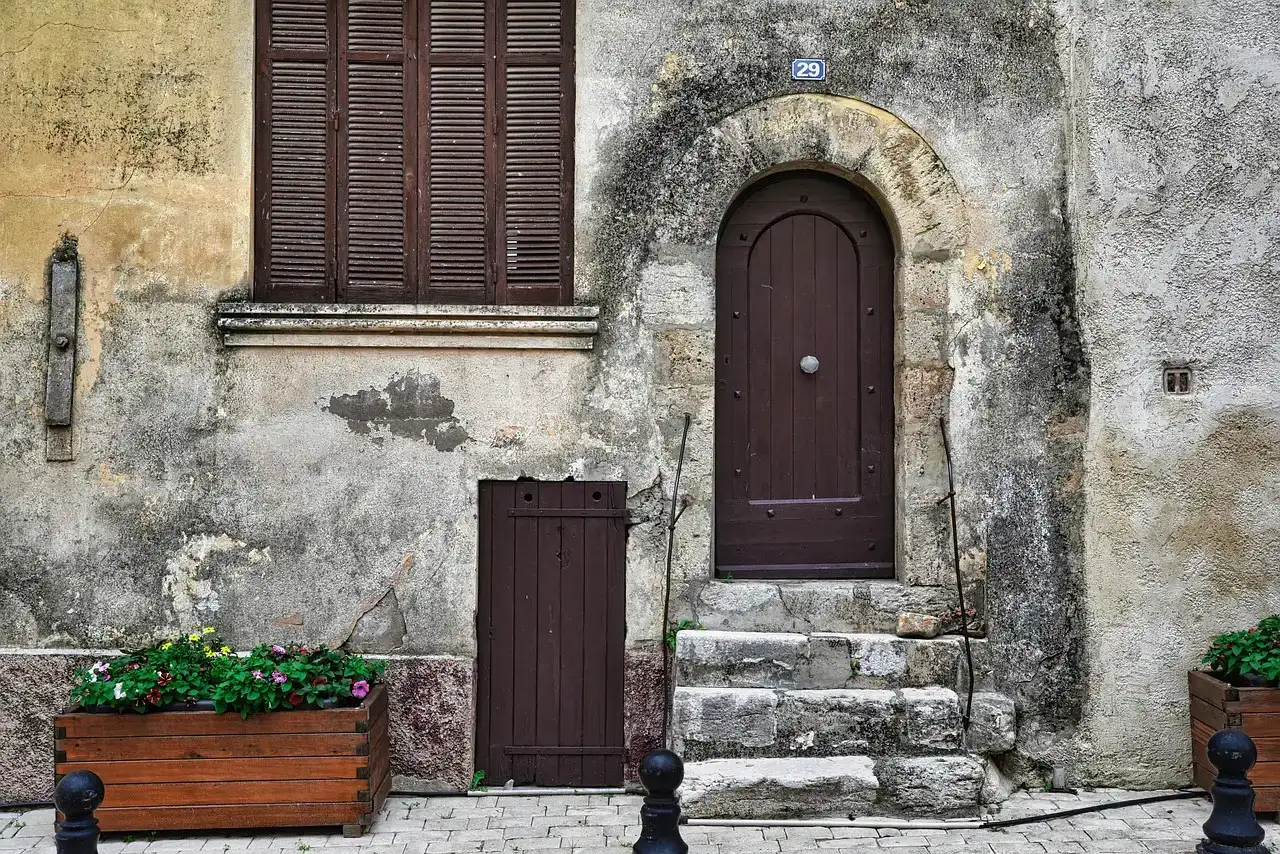
None of these eight features are dramatic on their own, and that’s exactly why they get overlooked. A squeaky door or a cluttered entryway won’t show up in a home inspection report, yet they shape a buyer’s gut reaction long before logic enters the picture. The typical home seller resides in their home for ten years before selling, and during that time, sellers can easily overlook elements that might turn off buyers.
That’s really the core of staging work. It’s less about transforming a house into something unrecognizable and more about clearing away the small distractions that keep buyers from picturing themselves there. Fix the lighting, tone down the color, pack away the personal items, and take care of the little repairs, and the house you already own tends to show a lot better than you’d expect.