
There’s a strange and tender asymmetry in the grandparent-grandchild relationship. A grandparent might spend an ordinary Tuesday afternoon with a child, share a bowl of soup, tell a half-remembered story, and think nothing more of it. That same afternoon, for the grandchild, quietly becomes one of the most vivid memories of their entire life.
Research shows that roughly nine out of ten adult grandchildren felt their grandparents influenced their values and behaviors in some way, and that some of their fondest memories came from time spent with their grandparent. The moments that matter most are rarely the expensive ones. They’re the sensory, the repeated, the quietly felt. Here are the eight things grandchildren carry longest.
The Smell of Their Home

The Smell of Their Home (Image Credits: Pexels)
Scientists confirm that the neural path from the nose is directly connected to the parts of the brain that process emotion and memory. The same isn't true of sight, sound, or touch, so those senses don't make us remember the past in the same way that smell does. This is why stepping into a grandparent's house could stop a child cold. That particular combination of old wood, soap, something baking, and a scent that belonged to nobody else becomes encoded early and deeply.
When psychologists listen to adults talk about the grandparents they adored, the stories often sound deceptively simple. There was a garden. There was a chair by the window. There was soup on the stove. There were long drives with the windows down and the smell of cut grass, or late evenings playing cards while the house hummed quietly around them. These sensory details are not small. They're the architecture of memory itself.
Cooking Together in the Kitchen
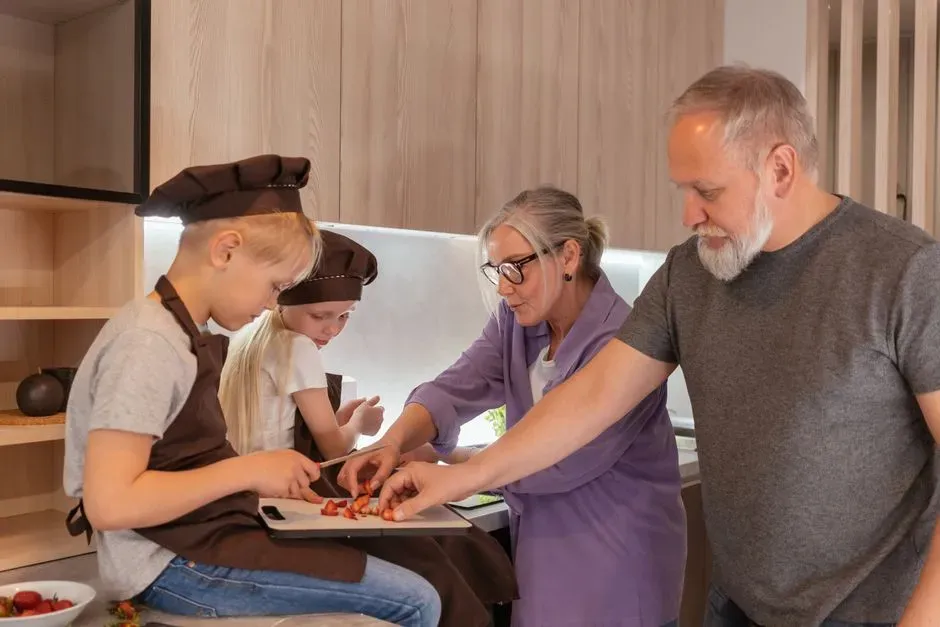
Cooking Together in the Kitchen (Image Credits: Pexels)
Shared recipes become memory glue because they involve all the senses. A child smells cinnamon, feels sticky dough, hears a familiar voice and waits for the first warm bite. Experiences that involve many senses tend to feel vivid and easy to recall later. That is one reason food memories can stay so sharp. There's a reason adults can close their eyes and still picture the exact countertop where they stood on a chair to reach a mixing bowl.
Grandparents who slow down and invite kids into their daily tasks create powerful memories. Whether it's washing the car, folding laundry, or feeding the birds, children remember being trusted with real responsibility. Child psychologists note that participating in meaningful work alongside adults helps children develop what's called "instrumental competence." They're not just playing; they're contributing. The kitchen, more than anywhere else in the house, is where that contribution lives.
The Particular Way They Listened
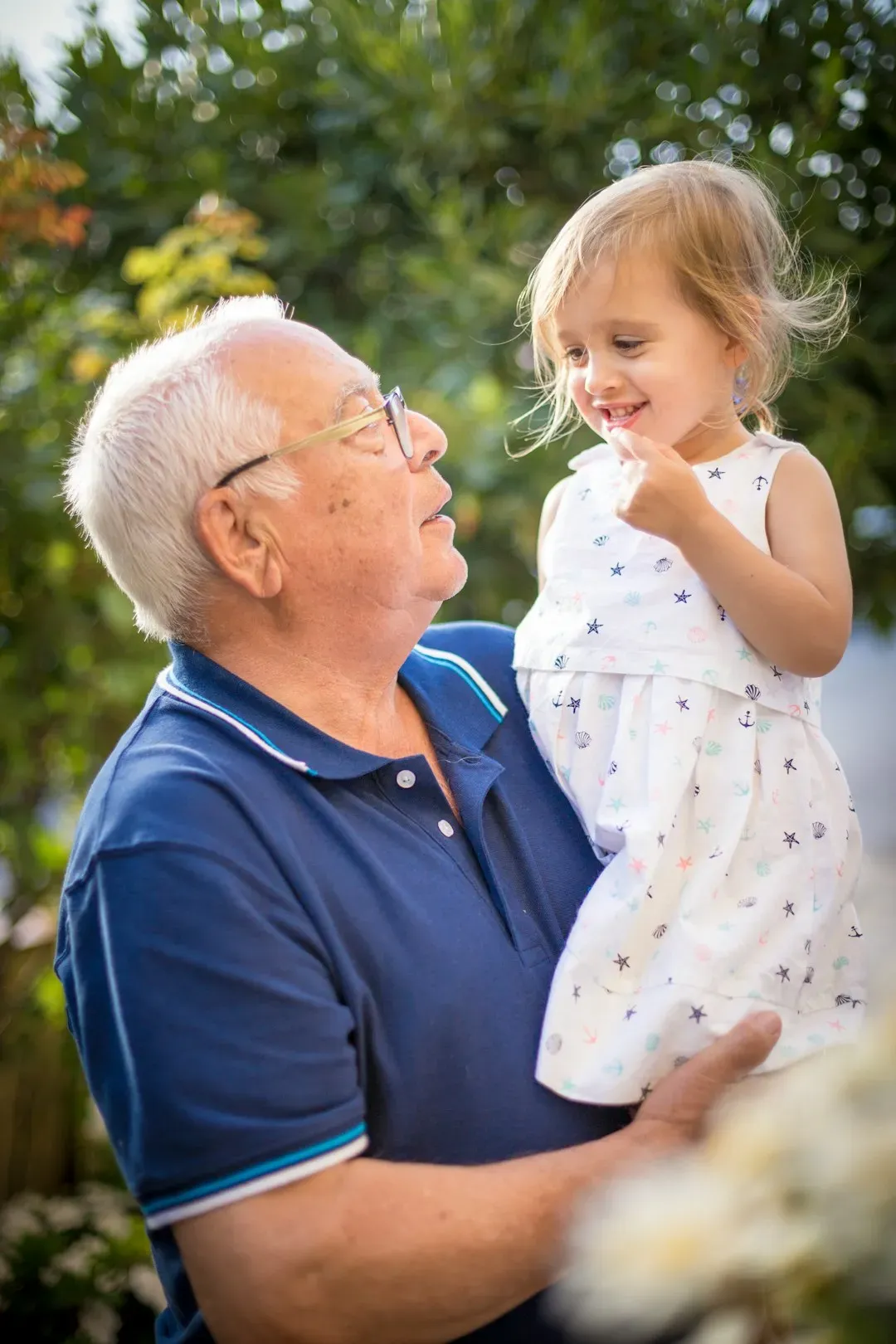
The Particular Way They Listened (Image Credits: Unsplash)
In family psychology, one behavior separates deeply loved grandparents from the rest: what researchers call "attuned presence." It's that quiet, almost invisible habit of putting everything else on mute when a grandchild is talking. Children have a finely tuned radar for distraction. They know immediately when someone is only halfway present, and they remember just as clearly when someone was completely, unhurriedly there.
Studies on childhood memory show that children remember adults who make them feel important. This emotional imprint often lasts for life, long after toys and gifts are forgotten. In a 2022 meta-analysis on intergenerational relationships, researchers noticed a striking trend: grandchildren who described a grandparent as "the person I talk to when things are hard" had lower reported anxiety and a higher sense of life satisfaction. That's a lot of weight to carry inside one afternoon of quiet listening.
Their Stories, Especially the Personal Ones
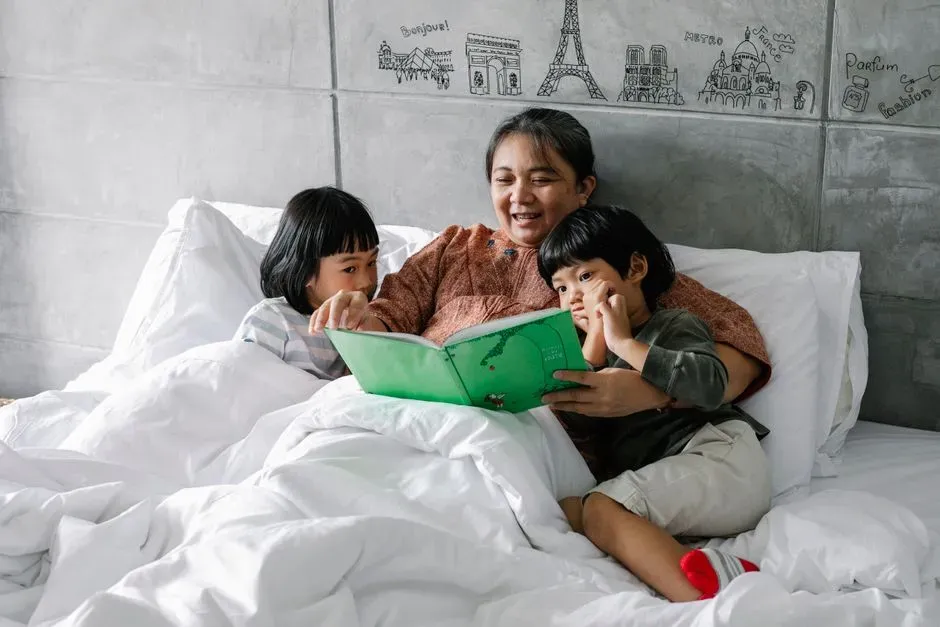
Their Stories, Especially the Personal Ones (Image Credits: Pexels)
Family stories have become powerful bonding tools over the years. Grandparents serve as "keepers of family heritage," sharing tales about parents' childhoods and family history. These narratives help children develop stronger vocabularies and create what researchers call "sticky memories," vivid experiences throughout life. A story told at a kitchen table outlasts almost anything purchased in a store.
The things we remember most vividly about beloved grandparents are usually the smallest. Over time, these stories become emotional heirlooms. A grandchild will find themselves decades later facing a difficult choice and hear not a rule, but a narrative. The wisdom is portable because it lives in remembered scenes, not abstract principles. A grandparent who thought they were just talking was, in fact, handing something durable to the next generation.
Their Unconditional Presence
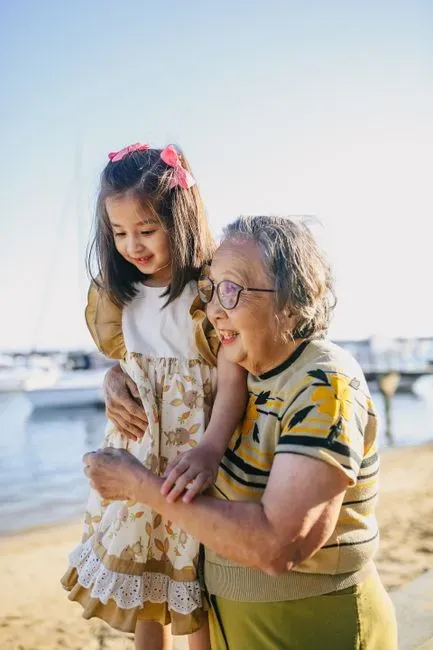
Their Unconditional Presence (Image Credits: Pexels)
The grandparent-grandchild relationship is unique because it's one of the few relationships in life that's largely free from obligation and pressure. Grandparents don't have to discipline or guide or shape in the same way parents do. They can simply be present to another human being, offering love and attention and time without expecting anything in return except the relationship itself. Children feel this absence of condition long before they have words for it.
Adult grandchildren often describe deeply loved grandparents as "the one person who always loved me no matter what." Psychology shows that unconditional love shapes self-esteem, emotional resilience, and even long-term mental health. It's the ultimate reason some grandparents are remembered with tears in the eyes and gratitude in the heart long after they're gone. Research tells us that the bond between grandparent and grandchild is second only to the bond between parent and child.
Small Recurring Rituals
Small Recurring Rituals (Image Credits: Unsplash)
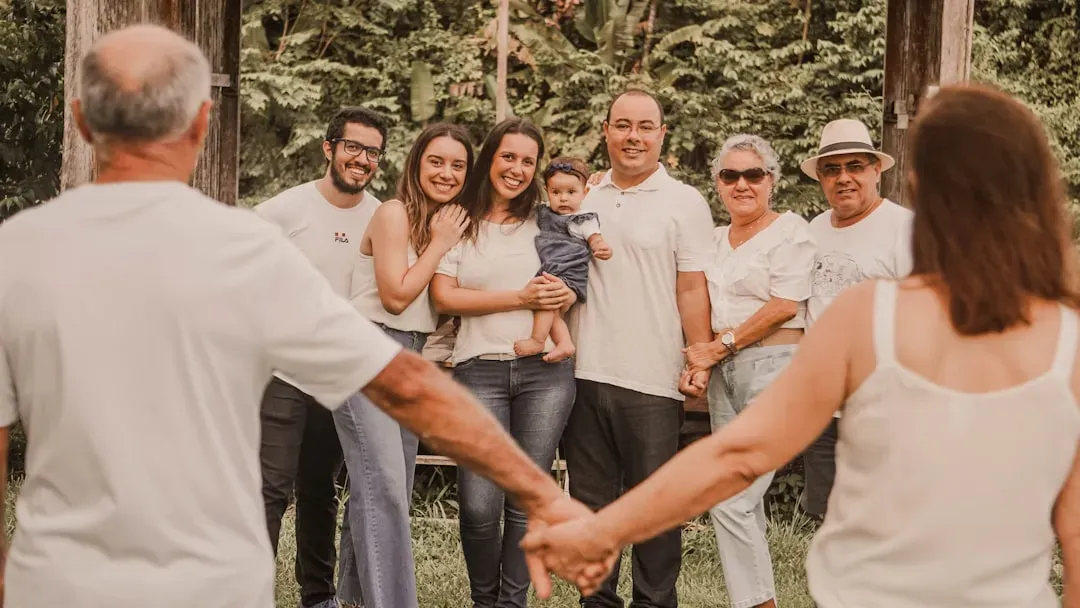
The point isn't how fancy the tradition is. It's that it happens consistently. Grandchildren remember these rituals because they anchor them in love and predictability. The same walk every Sunday. The same card game with the same worn deck. The same phrase said at the door each time a visit ended. These patterns don't feel significant to the person repeating them. To the child absorbing them, they feel like the definition of home.
Holiday traditions work because repetition creates emotional anchors. Children often remember annual events in bright snapshots. These repeated details help family identity feel real and stable. Rituals become landmarks in the mind, and landmarks become the scaffolding of self. That's an extraordinary thing to build out of a card game and a standing Tuesday walk.
The Feeling of Being Genuinely Seen
The Feeling of Being Genuinely Seen (Image Credits: Unsplash)
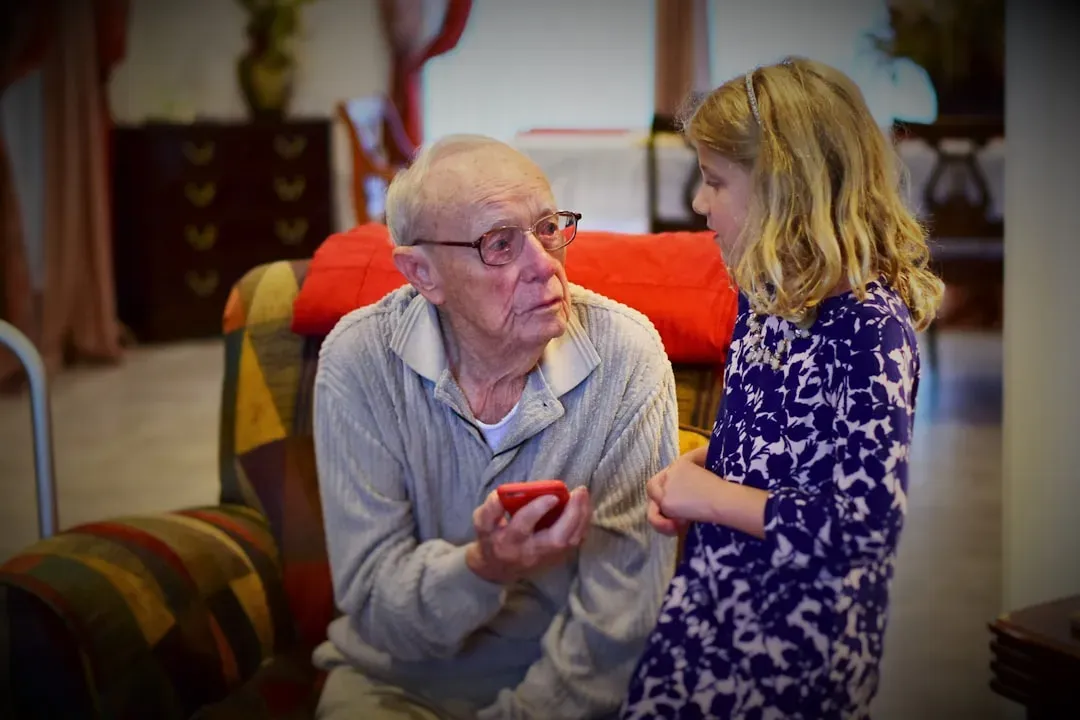
The most loved grandparents don't treat their grandchildren like a group; they treat them like individuals. Psychology calls this emotional attunement: the ability to understand and respond to a child's emotional world. A grandchild who was asked about their specific interests, whose drawings were genuinely admired, whose small victories were remembered from one visit to the next, carries that feeling into adulthood like a quiet confidence.
The grandparent who gets down on the floor, looks them in the eye, and listens to a five-minute story about a cartoon character as if it were breaking news, gives a kind of attention that feels like oxygen to a child's self-esteem. A study of English children ages 11 to 16 found that close grandparent-grandchild relationships were associated with benefits including fewer emotional and behavioral problems and fewer difficulties with peers. All of that, from simply being seen.
The Sense of Safety Their Home Carried
The Sense of Safety Their Home Carried (Image Credits: Unsplash)
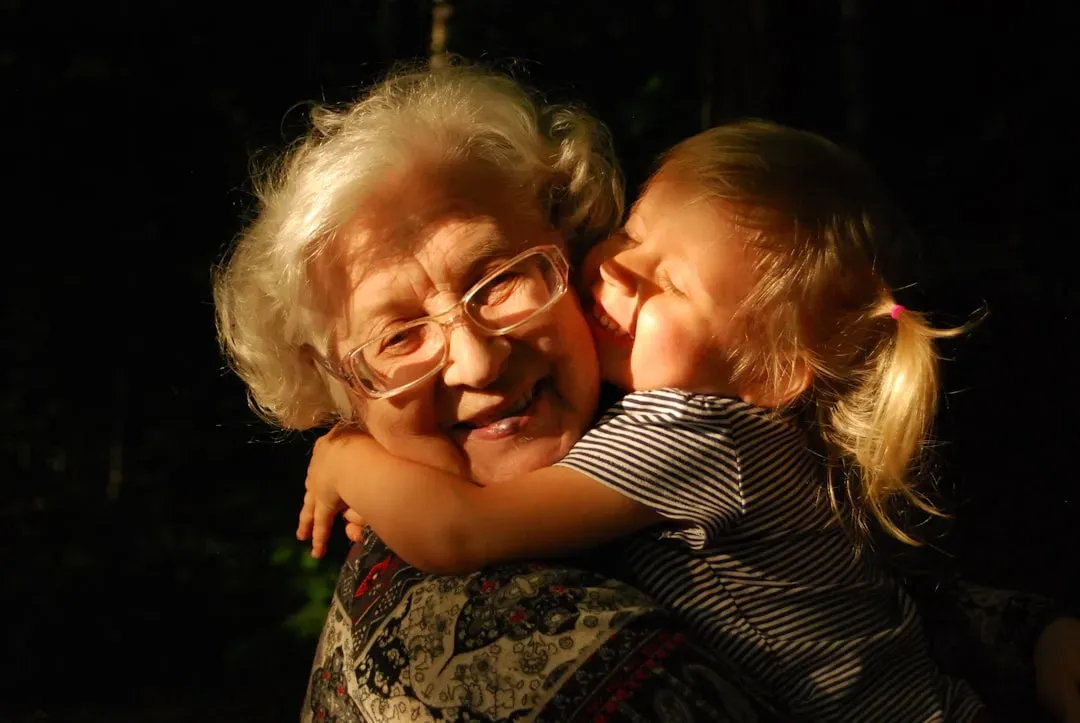
For many children, a grandparent's home gives them the companionship and joy they long for from spending time with close family. It's also a safe space where children feel completely accepted and loved and can share their secrets and anxieties without the fear of being judged or misjudged. This feeling of refuge is something children rarely have words for in the moment. It simply exists as an atmosphere, the particular quiet of a room where nothing bad can quite reach you.
That quiet stability is often what adult grandchildren remember when they say things like, "At grandma's house, the air felt lighter." Developmental research links grandparent involvement to better wellbeing outcomes for grandchildren. Children with more involved grandparents tend to exhibit fewer externalizing behaviors. The grandparent who created that safe atmosphere may never have fully understood what they were doing. They were just being themselves, in their kitchen, in their chair, in their familiar world. That was more than enough.
None of these eight things cost money. Most of them didn't require planning. They accumulated quietly, visit by visit, season by season, through small acts that the grandparent never thought twice about. The child stored all of it anyway, and carries it still.