
Every generation rewrites the unspoken rules of romance, and today that rewrite is happening faster than ever. Gen Z and younger millennials aren’t just changing where they meet people or how long they wait to text back. They’re questioning the entire architecture of modern dating: what’s worth sharing early, how long to take before committing, and whether a dating app is even worth downloading at all.
What’s striking is how deliberately these shifts are happening. This isn’t just youthful impulsiveness. Much of it is a direct, studied reaction to watching previous generations navigate love, money, and marriage with varying degrees of success. The four trends below capture what younger Americans are actually doing differently – and why older generations often look on with genuine bewilderment.
Talking Finances on the First Date
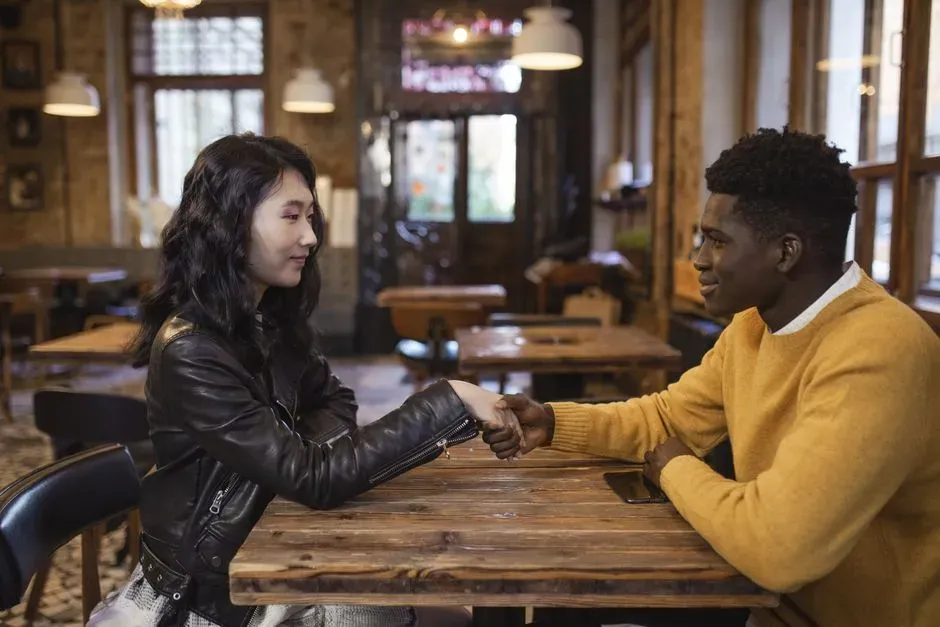
Talking Finances on the First Date (Image Credits: Pexels)
For Baby Boomers, asking about someone's income before the appetizers arrive would have been borderline rude. That instinct is alive and well: only about seven percent of boomers would talk about money on a first date, compared to roughly a third of Gen Z and millennials who say they'd do the same. The shift isn't trivial. A June 2024 Monarch survey of 1,000 Americans specifically explored when people feel it's appropriate to candidly discuss salary and income levels with a romantic partner. The generational gap in the answers was stark.
Among Gen Z men, nearly a quarter say they want to discuss income on the very first date. For Gen Z women, the number is around one in ten – still notably higher than their older counterparts. Baby Boomers most commonly prefer to wait until after more than three months of dating to discuss finances, while Gen Z most commonly say after just three dates is the right time. The reasoning isn't nosiness. Younger generations genuinely appreciate financial transparency, with roughly half of both Gen Z and millennials finding it attractive when a date is open about how much they earn, compared to just about a quarter of boomers.
Slow Dating and Intentional Connection
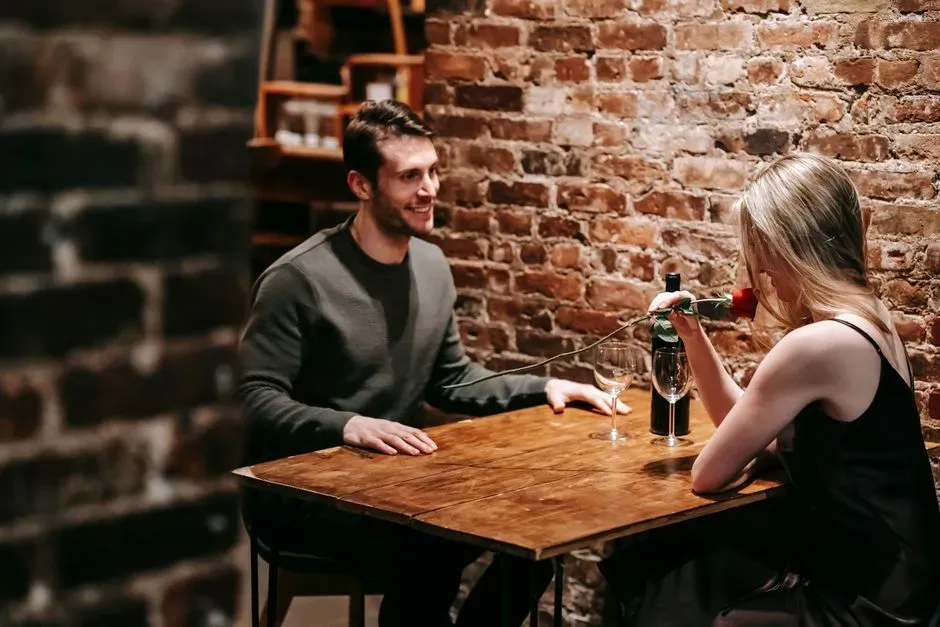
Slow Dating and Intentional Connection (Image Credits: Pexels)
Swiping through hundreds of profiles and scheduling back-to-back coffee dates used to be the playbook. Younger Americans are quietly scrapping it. About one in three Bumble users say they are "slow dating" – actively going on fewer dates to protect their mental health – with that number slightly higher for Gen Z and millennials, and lower for Gen X and Boomers. This isn't indifference. It reflects a more deliberate approach to vetting potential partners before investing emotionally.
Roughly four out of five Gen Z daters report feeling burnt out by "fake perfection" on profiles, fueling the rise of what some are calling "filter-free dating," where previously taboo topics like politics, money, and past relationships are discussed openly during a first encounter. The broader movement is away from high-speed, algorithm-powered interactions and toward a more intentional, niche-focused approach – driven by consumer demand for authenticity, community, and trust. Older generations who came of age with faster courtship timelines and a "just get out there" mentality tend to find the deliberate pacing confusing, sometimes reading it as a lack of commitment or seriousness.
Ditching Traditional Dating Apps for In-Person Events
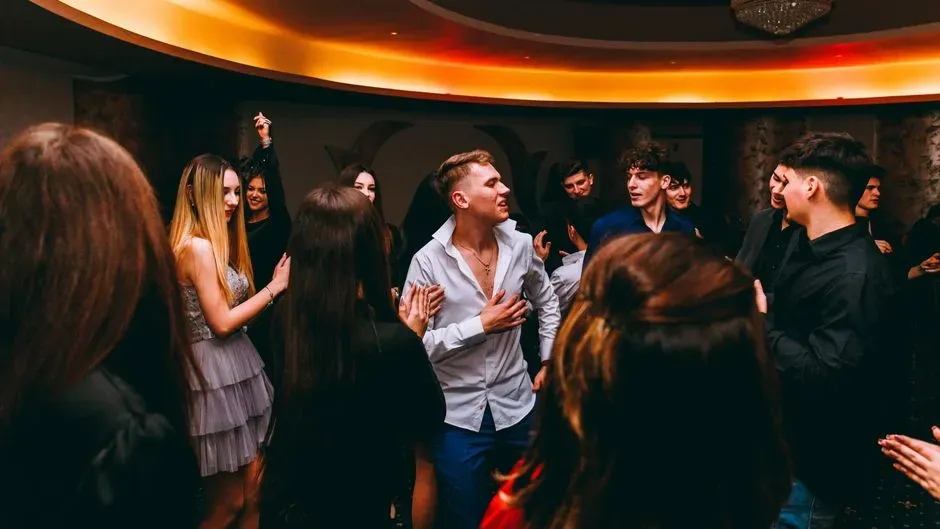
Ditching Traditional Dating Apps for In-Person Events (Image Credits: Pexels)
Here's a real irony: the most digitally native generation in history is increasingly logging off the apps. A 2025 study by Hims found that Gen Z values meeting people naturally more than other age groups, and even though nearly a quarter say they found their partners through dating apps, many dislike the superficiality. Attendance at dating and singles events targeted at millennials and Gen Z increased by nearly half compared to the previous year, according to an Eventbrite study. That kind of growth in live social events is not something older generations, who largely embraced online dating as a practical convenience, tend to relate to.
Thursday Events now hosts singles events in more than 150 cities across the U.S., and in 2024, demand grew enough for the platform to host international trips to Bali, the French Alps, and Croatia. Only about sixteen percent of Gen Z adults in committed relationships say they met through dating apps, compared to over a quarter of millennials – and the most common way for engaged Gen Zers to meet is still in school. The majority of college-aged Gen Z daters are finding partners in person, either at school, through mutual friends, or simply by being out in the world – and dating someone from their community may actually reduce the anxiety that comes with the app environment.
Romantic Idealism and Treating Monogamy as a Goal
Romantic Idealism and Treating Monogamy as a Goal (Image Credits: Unsplash)
Pop culture paints Gen Z as commitment-phobic, obsessed with "situationships" and keeping their options permanently open. The data tells a more complicated, and frankly more optimistic, story. According to Hinge dating data, Gen Z is thirty percent more likely to believe in soulmates than millennials and thirty-nine percent more likely to consider themselves romantically idealistic. Many Gen Zers say they want to find their person: more than forty percent are in serious relationships and more than a quarter are actively looking for "the one," according to 2024 findings from Her Campus Media.
Roughly four out of five Gen Zers fantasize about monogamy – nearly twice as much as older generations. By contrast, monogamy is preferred by only about sixteen percent of millennials and just nine percent of Gen X, while more than a quarter of Boomers say they prefer a friends-with-benefits arrangement. About sixty-two percent of Gen Z report that they and their friends do not commonly have one-night stands, and only about twenty-three percent say they have casually hooked up – markedly different from young millennials surveyed two decades earlier. For a generation often written off as unserious, that's a quietly significant finding – and one that older cohorts raised on different assumptions about young people's romantic priorities rarely see coming.
Taken together, these four trends don't suggest a generation confused about love. They point to one that's spent more time thinking about what it actually wants – and is willing to break from convention to get there. Whether that's a sign of wisdom or simply a reaction to an overwhelming amount of options is, perhaps, a question only time will answer.