
There’s a quiet irony running through Gen Z culture right now. The most digitally connected generation in history is increasingly drawn to habits that predate the internet by decades. Not as a retro aesthetic exercise, but as something that genuinely fills a gap that no algorithm seems able to close.
All across the country, Gen Z is turning to the rituals and lifestyles of their parents and grandparents. Known as the “grandma” trend, it’s the phenomenon where young adults lean into tendencies, memories, or hobbies that represent older generations in their lives. What started as niche online content has become a recognizable cultural shift, and the reasons behind it run deeper than nostalgia.
Cooking From Scratch
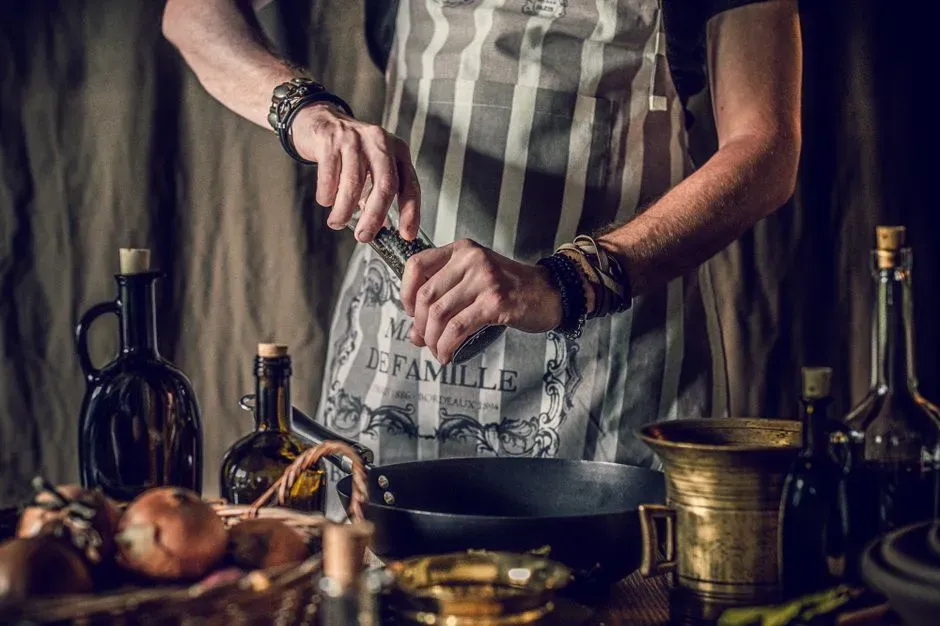
Cooking From Scratch (Image Credits: Pexels)
From sourdough starters to homemade pickles and sauerkraut, Gen Z is embracing the hands-on process of making food from scratch, bringing back baking, fermenting, and cooking their own meals. It's a sharp contrast to the meal-kit and delivery app culture that defined the early 2020s, and it carries a real sense of ownership over what goes into the body.
Cooking from scratch lets people connect with traditions, cherishing recipes passed down through generations. The aroma of a homemade meal can evoke memories and create new ones. In a world of fast food, taking the time to cook offers a rewarding sense of accomplishment. For a generation increasingly acknowledging the link between food and mental health, viewing nutrition as an integral part of emotional stability and overall life satisfaction, the kitchen has quietly become a wellness space.
Writing Letters by Hand

Writing Letters by Hand (Image Credits: Unsplash)
In a world of instant messages, handwritten letters feel intentional and deeply personal. Gen Z is uncovering the art of analog communication, valuing the tactile mindfulness that comes with putting pen to paper. The act of choosing words carefully, without a delete key, forces a kind of deliberateness that texts simply can't replicate.
Some Gen Zers are quietly returning to this practice. On TikTok and Instagram, entire subcultures have grown around bullet journals, calligraphy, and "studygram" aesthetics, with neat headings, colorful highlighters, and slow camera pans over pages filled by hand. It's a strange paradox: the same screens speeding up communication are also inspiring a nostalgia for slower writing. The appeal is real, even if the motivation is hard to articulate.
Playing Vinyl Records

Playing Vinyl Records (Image Credits: Unsplash)
Vinyl records are popular again, but it's not just audiophiles or nostalgic boomers fueling the resurgence. Gen Z is playing an outsized role in the revival of vinyl sales, which have grown on average by roughly a fifth annually in the past five years. About three in five Gen Z listeners say they buy records, according to Futuresource Consulting's Audio Tech Lifestyles report.
Gen Z has revived vinyl records because they want to experience physical music listening. The experience of handling album covers and playing records creates a more intimate connection than online song streaming. People who collect them use these items to show their personal style. Gen Z tends to find sentimental value in thrifting records that have an "essence" of being owned previously, along with the environmental benefit of avoiding overconsumption.
Sewing, Mending, and Handcrafting
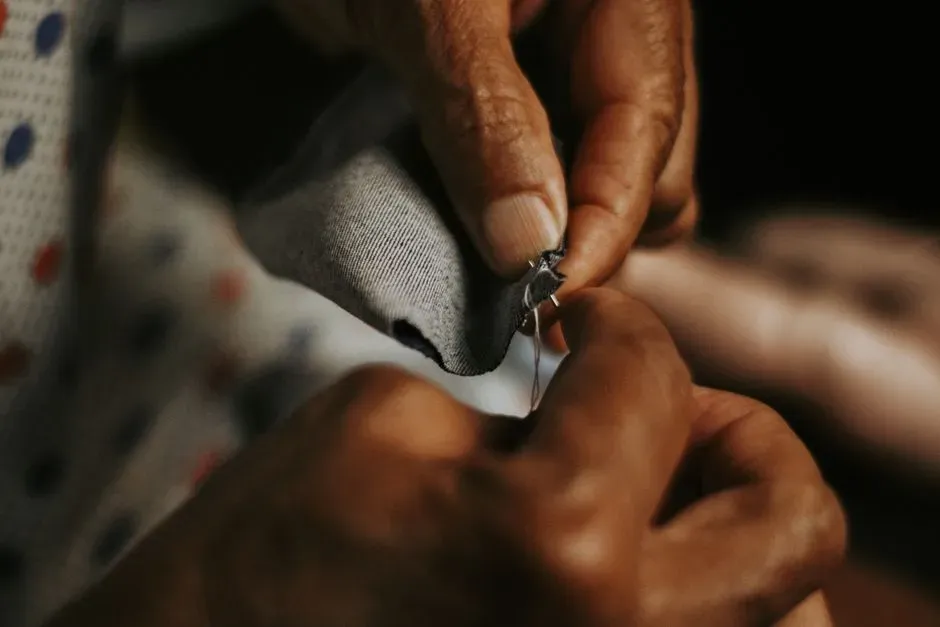
Sewing, Mending, and Handcrafting (Image Credits: Pexels)
Mending, hemming, and altering are especially popular among Gen Zers who hope to pick up a hobby that forces them off their phones and saves them money by teaching valuable skills. This is almost exactly what grandparents did out of necessity, but Gen Z has rediscovered it as a deliberate choice rather than a financial obligation.
The upcycled fashion market is growing, and including everything from sustainable fashion brands to companies that recycle materials, the market was worth over eight billion dollars recently and is expected to roughly double in value by 2034, according to Precedence Research. Handcrafting is carving its niche among Gen Z. Creating something with one's own hands brings a sense of pride and accomplishment. From woodworking to pottery, these crafts connect people with tradition and creativity.
Thrift Shopping
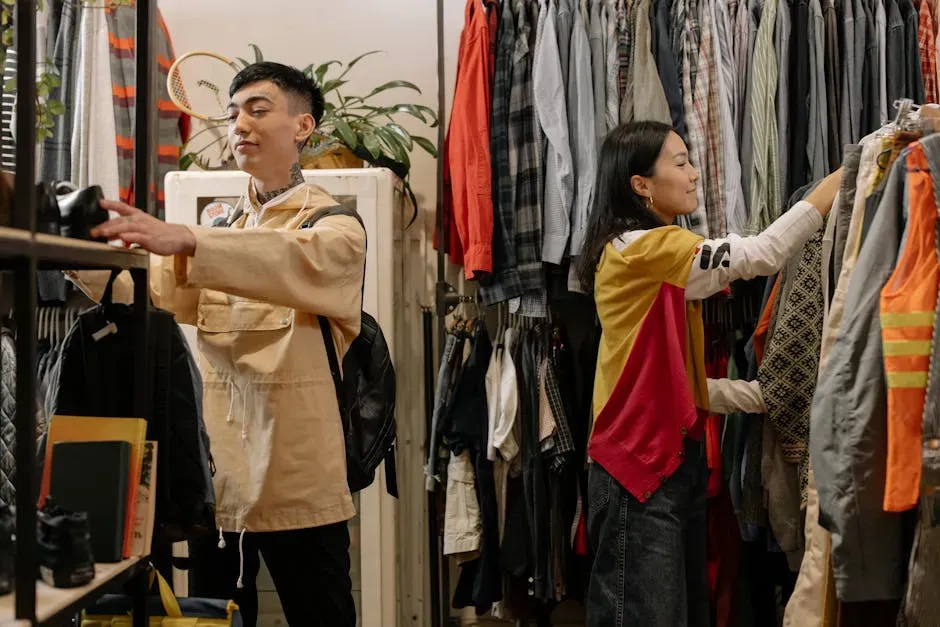
Thrift Shopping (Image Credits: Pexels)
Thrifting in 2025 is booming, with roughly two thirds of adults thrifting regularly, with Gen Z leading the trend for savings, style, sustainability, and self-care. What grandparents once did out of economic necessity has become one of the clearest expressions of Gen Z identity and values.
In 2025, thrifting isn't a fallback option; it's a deliberate choice. It blends financial wisdom, environmental responsibility, and creative expression into one enjoyable habit. Gen Z prioritizes individuality, sustainability, and affordability, and thrifting is highly shareable on social platforms, which has accelerated its rise from practical habit to cultural statement.
Slow Living and Early Morning Routines

Slow Living and Early Morning Routines (Image Credits: Unsplash)
Staying afloat amidst political turmoil and packed schedules is beginning to have a detrimental effect on some young people, and as a result, they're choosing to embrace "slow living." It is the practice of quite literally slowing down, taking the time to look around and appreciate a balanced life. It's the kind of rhythm grandparents kept without ever needing to name it.
Many people are waking early for journaling, meditation, or a few peaceful minutes before life begins. That small pause gives the mind a chance to settle. It's where clarity is born. For some, slow living means embracing nights in and crafting. For others, it's taking the time to recharge, read, and savor the present. Ultimately, it's a self-care practice that protects mental and physical health by not forcing expectations on oneself.
Gardening
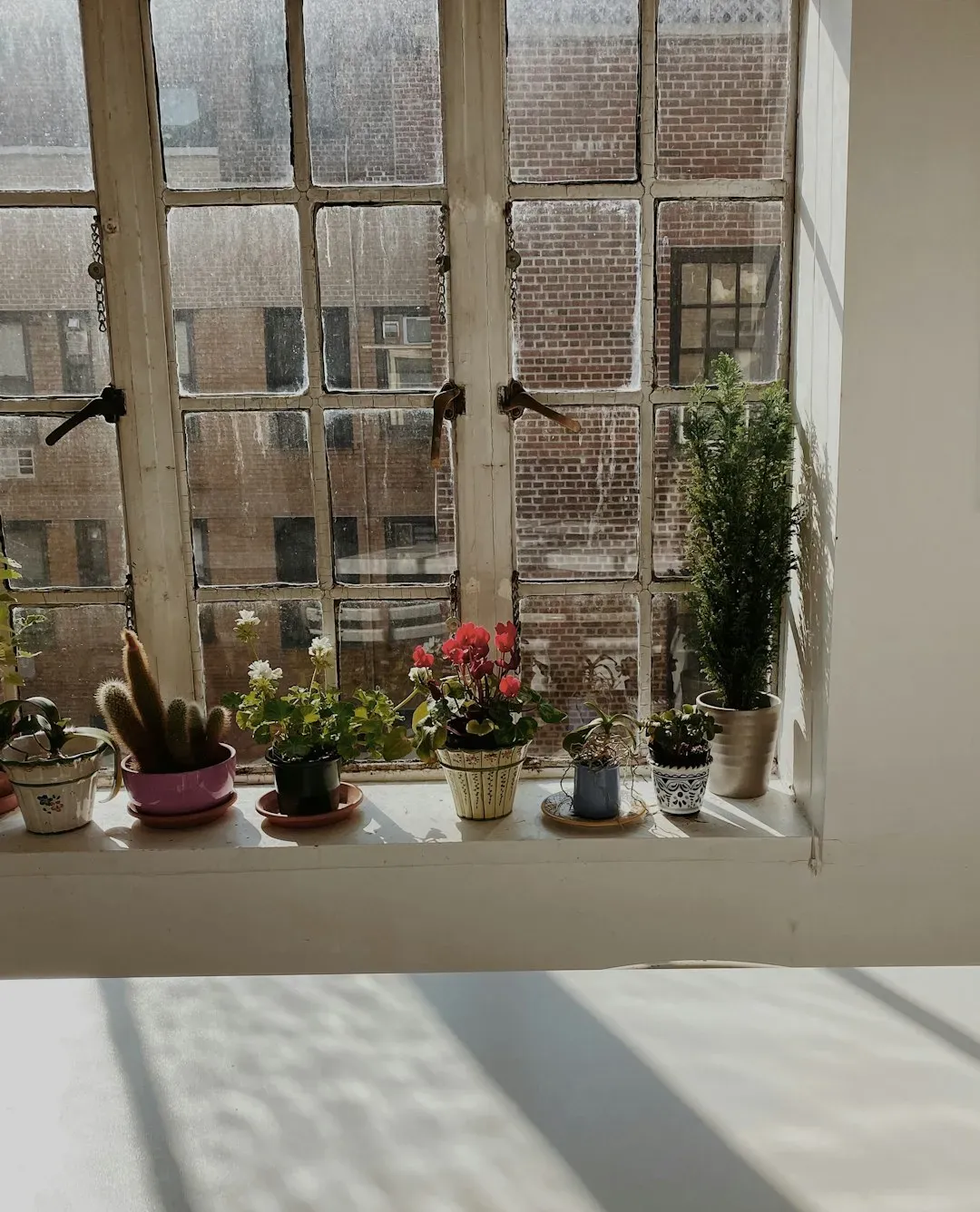
Gardening (Image Credits: Unsplash)
Home, garden, and personalized products are gaining popularity as independence grows among Gen Z, and gardening sits comfortably at the center of that shift. It's tangible, slow, and measurable in a way that most digital experiences are not. You put something in the ground, you tend to it, and eventually you eat it. That loop is deeply satisfying.
Gardening also connects directly to Gen Z's documented concern about food origins and sustainability. This generation is deeply concerned about the environmental impact of their food choices, and sustainability is considered important by over seventy percent of Gen Z respondents. Growing even a windowsill herb garden is a small, meaningful act that bridges both values, a habit that would feel entirely familiar to any grandparent who kept a kitchen garden.
Prioritizing Real, In-Person Connection
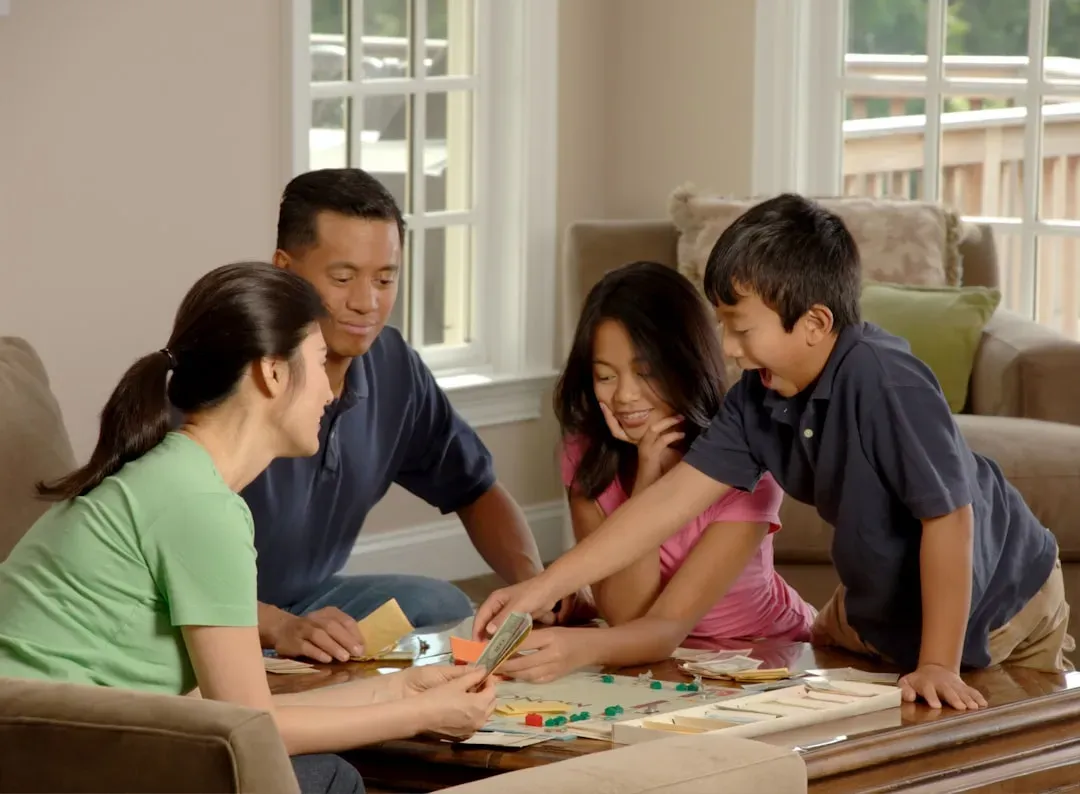
Prioritizing Real, In-Person Connection (Image Credits: Unsplash)
Instead of bar hopping or late nights out, many Gen Zers prioritize self-care, relaxation, and nostalgic rituals in their lives. This mirrors something grandparents understood instinctively: that quality of company matters more than quantity of events. A meaningful evening at home, shared with people who genuinely matter, has always been more nourishing than a crowded room full of strangers.
Perhaps the most striking change is how openly Gen Z talks about what actually supports their wellbeing. For previous generations, discussing anxiety or the need for genuine human connection was often stigmatized. Gen Z has turned that on its head. In 2025, mental health is seen as an essential part of overall wellbeing, just like physical health. Choosing real presence over performative socializing is, quietly, one of the most grandparent things Gen Z does. And it turns out to be one of the most sensible, too.
Generations cycle. What gets dismissed as old-fashioned in one era tends to resurface when the next generation realizes what was quietly lost. Gen Z didn't set out to rediscover their grandparents' habits. They just followed what felt honest, grounded, and genuinely good.