
Most meals don’t go wrong in dramatic, obvious ways. There’s no single burned pan or catastrophic oversalting. Instead, they fall flat slowly, through a handful of small, overlooked habits that seem harmless in the moment but stack up against you by the time the food hits the table.
The frustrating part is that cooking is more than following a recipe – it’s a blend of chemistry, heat, and timing. Many dishes that turn out bland, soggy, or burnt aren’t a matter of luck; they’re the result of small, avoidable mistakes. Here are six of the most common ones, and what’s actually happening when you make them.
Overcrowding the Pan
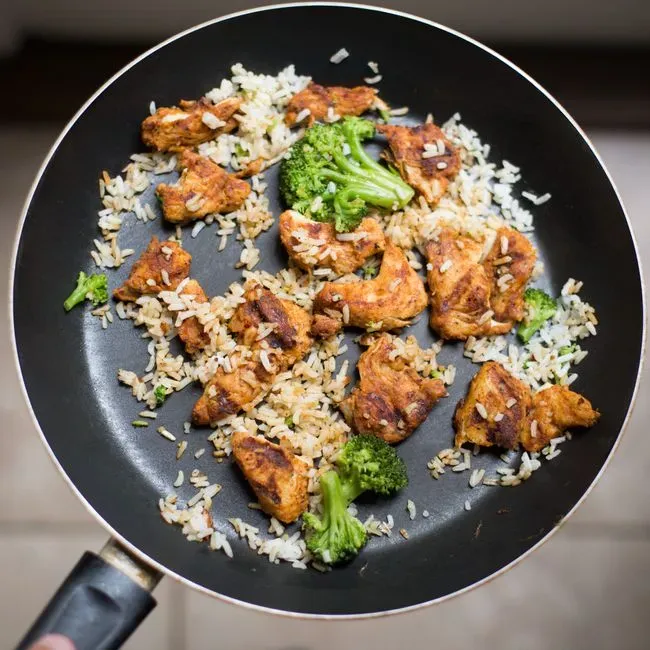
Overcrowding the Pan (Image Credits: Pexels)
Placing too much food in a pan at once lowers its temperature. Instead of browning, the ingredients begin to steam. This prevents the Maillard reaction – the chemical process responsible for creating that golden, flavorful crust on meat and vegetables.
When too many ingredients are placed in the pan so they are touching or even overlapping each other, a great deal of moisture is released. This lowers the temperature in the pan, preventing the liquid from turning to steam and escaping. The liquid quickly builds up, collecting in the pan, and the food begins to stew. The fix is simpler than it sounds: cook in batches, or use a wider pan. The extra few minutes spent that way is never wasted.
Not Resting Meat After Cooking
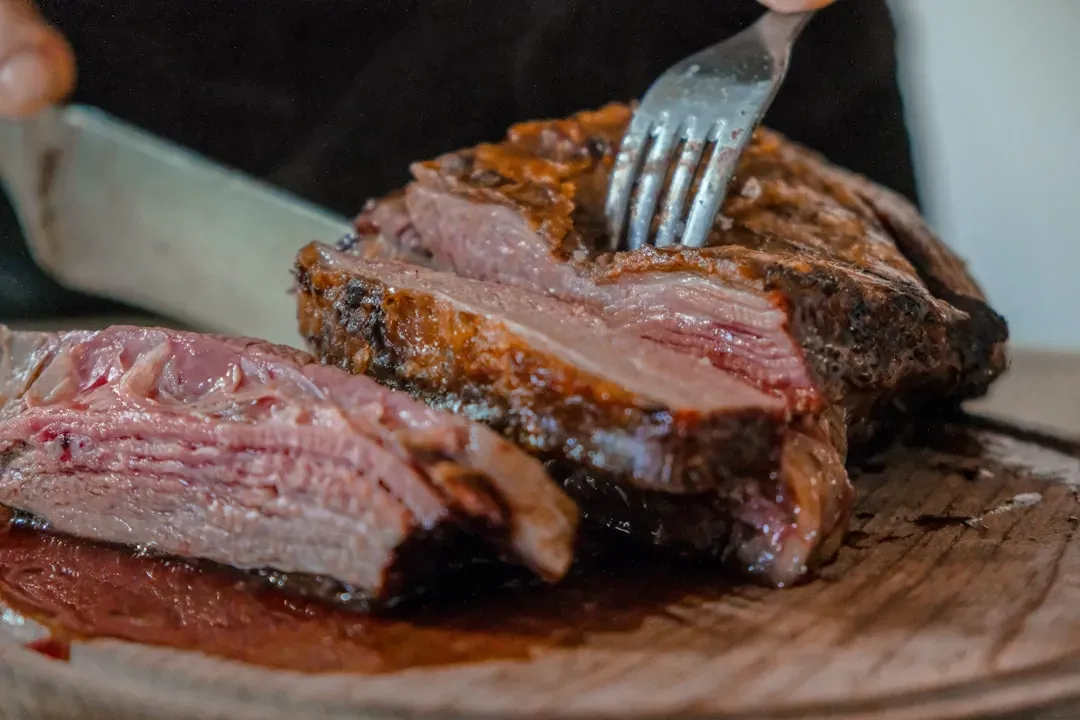
Not Resting Meat After Cooking (Image Credits: Unsplash)
When you cook meat, heat causes its fibers and proteins to contract. The more heat applied, the more the muscle fibers shrink, and the moisture inside the meat is forced out. Cutting into it immediately gives that moisture no chance to redistribute.
Skipping the resting period can lead to disappointing results, no matter how well you've cooked the meat. When you cut into meat that hasn't rested, you're likely to see a significant loss of juice. This can make the meat dry, bland, and unappetizing. The flavor that would have been retained inside is instead left on the cutting board, leaving you with a lackluster meal. For larger cuts and roasts, professional kitchens routinely rest meats longer than home cooks do – sometimes 30 minutes for a roast, or even an hour for a large bird.
Skipping Acid in the Final Seasoning
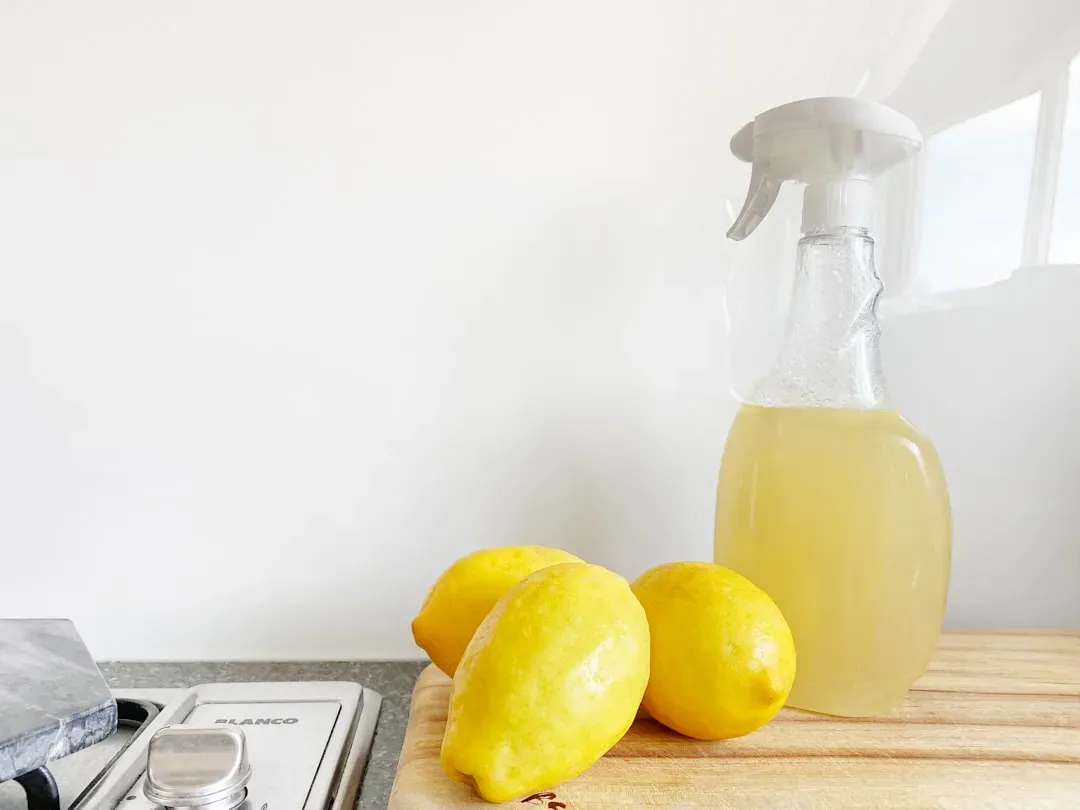
Skipping Acid in the Final Seasoning (Image Credits: Unsplash)
For savory dishes, good balance means having appropriate ratios of fat, salt, and acid. Like salt, acid competes with bitter flavor compounds in foods, reducing our perception of them and brightening other flavors. Most home cooks season with salt and stop there, never realizing something is still missing.
Acid can balance a dish and tease out other flavors without calling attention to itself – just a dash of vinegar added at the end of cooking, for instance, brings the flavors in a pot of soup into sharper focus. If you feel like your dish is flat, or you can't put your finger on what's missing, it's probably a little bit of acid. A squeeze of lemon or a small splash of vinegar costs almost nothing and can transform an entire plate.
Adding Salt at the Wrong Time
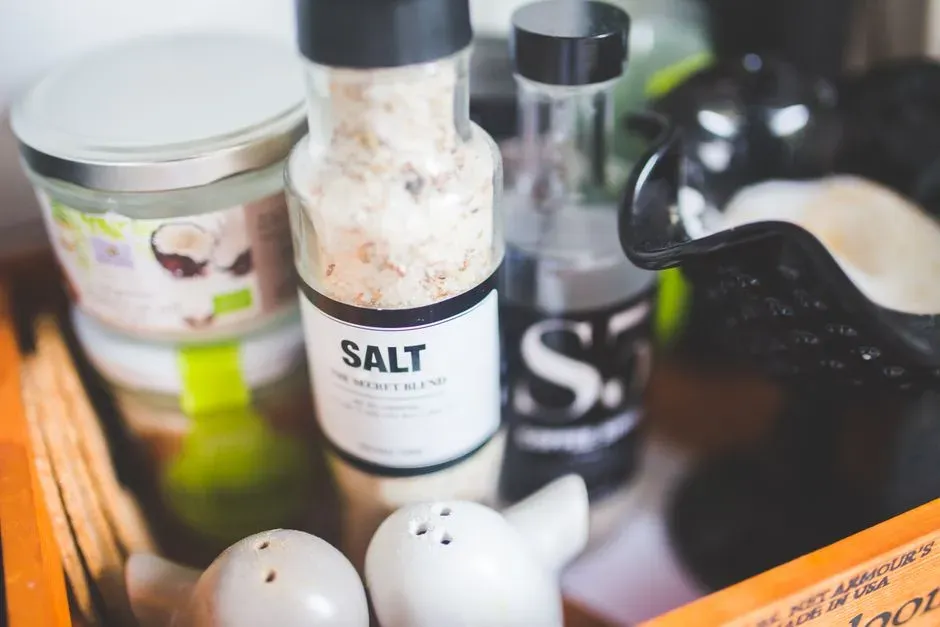
Adding Salt at the Wrong Time (Image Credits: Pexels)
Salt concentration increases as soup simmers and liquid reduces. It's best to add salt after at least ten minutes of cooking, not at the very start. What seemed mild early on can become overpowering later. The same principle applies to sauces and braises, where the liquid will condense significantly over time.
Most bland food isn't under-seasoned – it's mis-seasoned. Seasoning both before and after cooking can make a significant difference – a final sprinkle of salt or a squeeze of citrus wakes up flavors right before serving. Think of it like painting: layers create richness, complexity, and balance. The more thoughtfully you season throughout the process, the more dynamic and well-rounded your food will taste.
Boiling Vegetables Instead of Using Gentler Methods
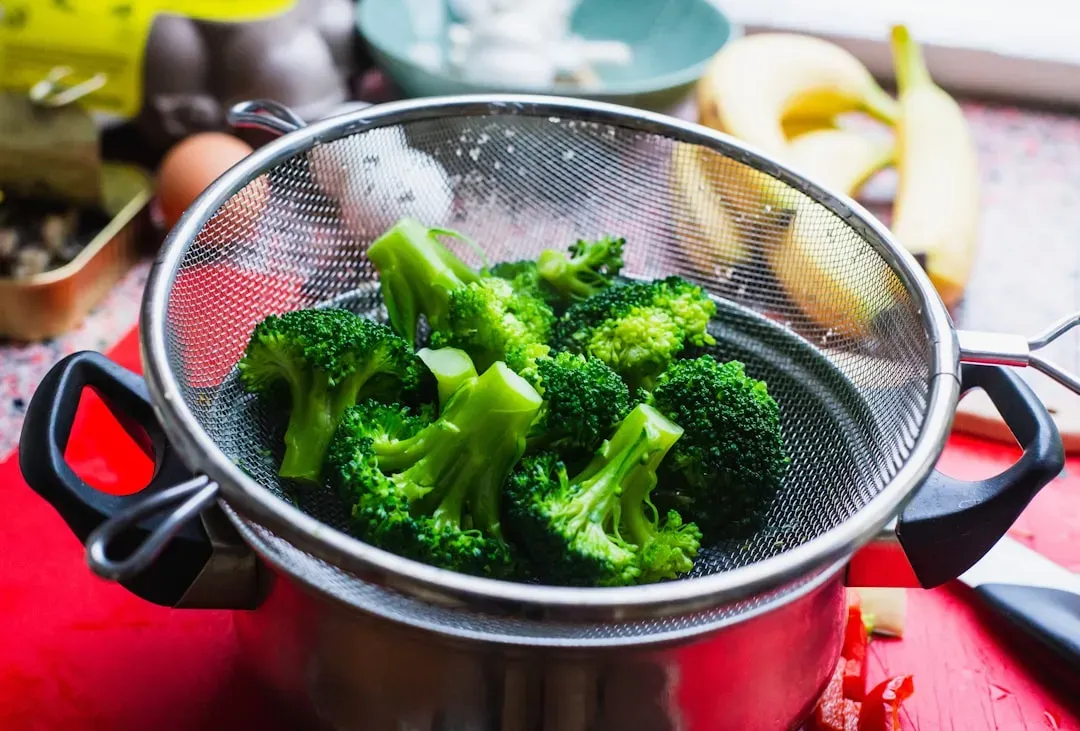
Boiling Vegetables Instead of Using Gentler Methods (Image Credits: Unsplash)
Overcooked vegetables lose their crunch, color, and natural sweetness. Heat-sensitive nutrients like vitamin C are destroyed quickly, making dishes less nutritious and visually appealing. Boiling, in particular, is one of the most damaging methods when it comes to both texture and nutritional value.
A review published in the International Journal of Gastronomy and Food Science showed that boiling vegetables resulted in a high loss of vitamin C and folate. One study found that broccoli, for example, lost roughly a third of its vitamin C through boiling. Steaming, roasting, or briefly sautéeing preserves far more of both the flavor and the nutrients. The color staying bright green is often the easiest visual cue that you haven't gone too far.
Using Old or Improperly Stored Spices
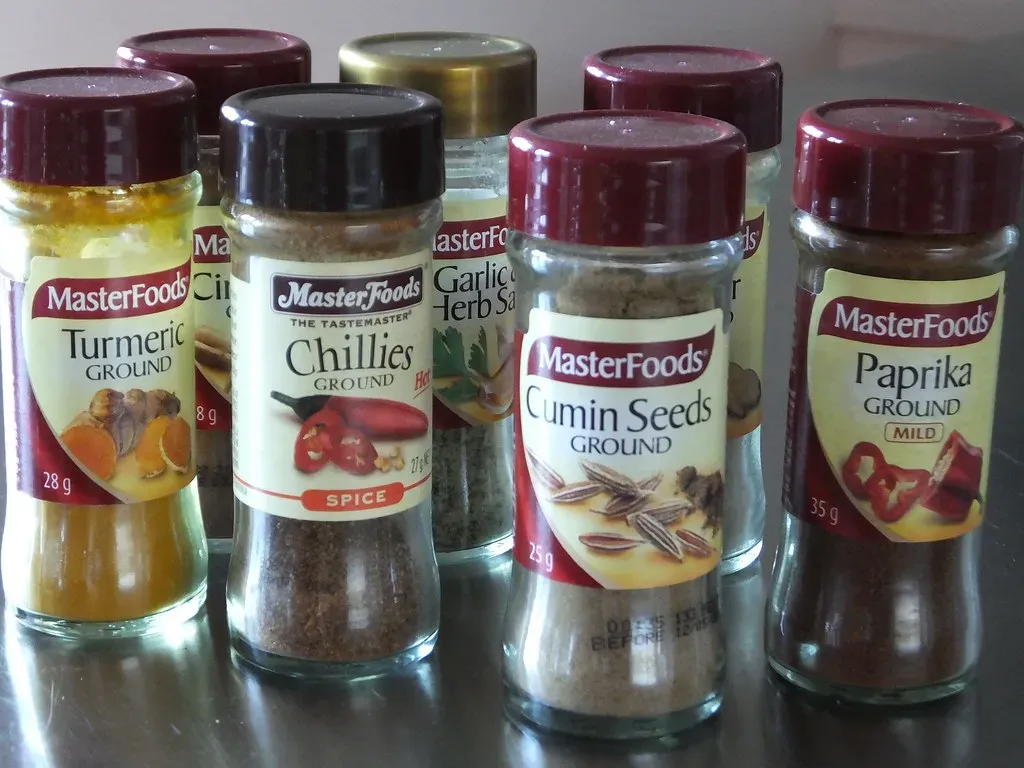
Using Old or Improperly Stored Spices (jacqui.brown33, Flickr, <a href="https://creativecommons.org/licenses/by-sa/2.0/" target="_blank" rel="noopener">CC BY-SA 2.0</a>)
Using old or stale spices means weak flavor, no matter how much you use. Ground spices in particular degrade faster than most people expect, especially when kept near the heat of a stove or in direct light. The jar looks the same on the outside, but the aromatic compounds that carry flavor have already broken down.
Fresh herbs like parsley or basil are best added at the end of cooking for brightness, while dried spices benefit from being toasted lightly in oil at the beginning to release their full aroma. Too many spices and seasonings can also clash, cancel each other out, or turn your dish into a confusing mess. The best dishes aren't overloaded – they're balanced. A few high-quality ingredients paired with smart seasoning techniques almost always beats a kitchen-sink approach.
None of these mistakes require expensive fixes or hours of extra work. They're mostly just a matter of paying a bit more attention to timing, heat, and flavor balance. The gap between a meal that's fine and one that's genuinely good often lives in exactly these small moments.