
Walk into someone's living room and you can usually guess a lot about their week without asking a single question. A stack of unopened mail on the counter, a bed that never got made, a shelf lined with photos facing outward toward the door. None of it is random. Psychologists who study the relationship between people and their living spaces have found that homes function almost like a diary, quietly recording stress, energy, and emotional state long before a person consciously notices any of it.
That connection runs deeper than most people assume, and it goes in both directions. The environment doesn't just reflect how someone feels, it actively shapes it, sometimes through hormones, sometimes through light, sometimes through the small daily friction of not knowing where the scissors are.
The clutter-cortisol connection

The clutter-cortisol connection (Own work (Original text: self-made), <a href="https://commons.wikimedia.org/w/index.php?curid=12126884" target="_blank" rel="noopener">CC BY 3.0</a>)
One of the most cited pieces of research on this topic comes from UCLA’s Center on Everyday Lives of Families, where scientists tracked how people described their homes and then measured their cortisol, the body’s primary stress hormone, throughout the day. Research from a 2009 study out of UCLA’s Center on Everyday Lives of Families showed that women who perceive their homes to be cluttered tend to have unhealthy patterns of cortisol levels. The pattern held up in later work too, with women describing their homes as cluttered showing cortisol that stayed elevated instead of dropping off as the day went on.
This chronic exposure to a disorganized environment can lead to a continuous low-grade fight-or-flight response, which poses risks to both physical and psychological health, including increased chances of conditions such as type 2 diabetes and heart disease. That’s not a minor side effect. It means the mess on the kitchen table isn’t just an eyesore, it’s something the nervous system is actively responding to, hour after hour.
What overflowing piles say about mental load

What overflowing piles say about mental load (Image Credits: Pexels)
A cluttered surface rarely means someone is lazy. More often it means their brain is already at capacity. In most American homes, women carry the bulk of what’s called mental load, which is any work that requires the brain, such as noticing, remembering, delegating, researching. Clutter becomes a visual reminder of every unfinished task sitting in the background of someone’s mind.
When a woman sees clutter, she doesn’t only notice the mess but begins to actively process what she is going to need to do next and how she will do it. That constant mental processing is exhausting in a way that has nothing to do with the physical act of tidying up. The pile itself becomes a stand-in for everything still unresolved.
The gender gap in how clutter hits home

The gender gap in how clutter hits home (Image Credits: Pexels)
Interestingly, the stress response to a messy house isn’t evenly distributed. The UCLA research revealed notable gender differences in cortisol response to household clutter, with women who used more stressful descriptors for their homes showing steeper cortisol increases during home tours, while men’s cortisol levels remained relatively stable regardless of clutter levels. That gap has shown up consistently across multiple follow-up studies, not just the original one.
This can be explained possibly by the results of other studies that have shown that the home is traditionally perceived as a woman’s domain and ultimate responsibility, even in households where both partners work. So the same living room can genuinely feel calm to one partner and genuinely stressful to the other, and both reactions are physiologically real rather than exaggerated.
Why a tidy home can actually lower your cortisol curve
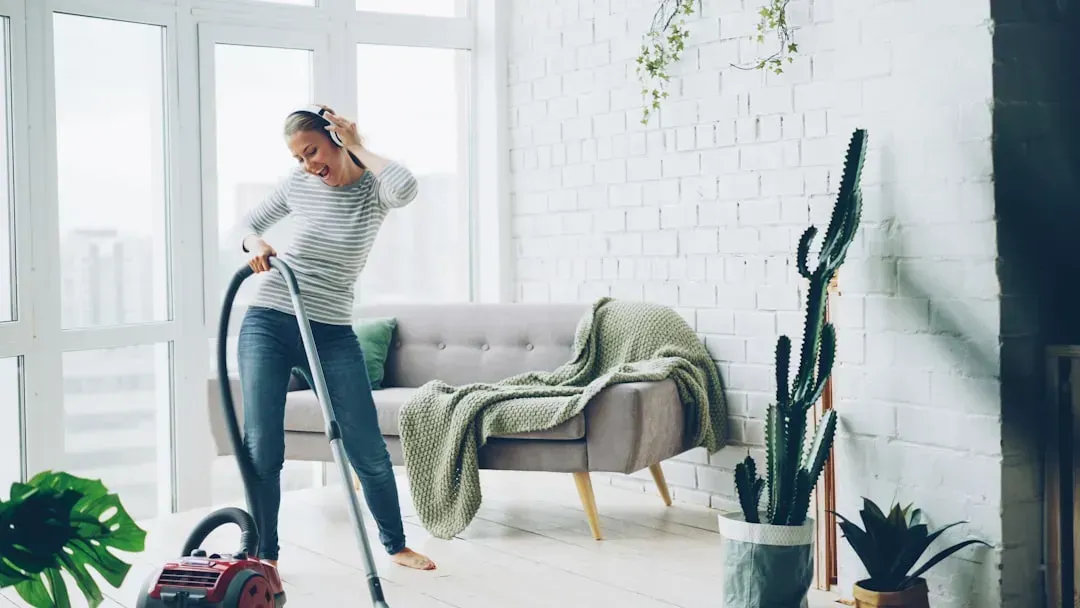
Why a tidy home can actually lower your cortisol curve (Image Credits: Unsplash)
The flip side of the clutter research is just as telling. A long-term study that had families give video tours of their own homes found something worth paying attention to. Wives with higher stressful home scores were more likely to have a daily pattern of cortisol levels associated with adverse health outcomes, and wives with higher restorative home scores were more likely to have a beneficial daily pattern of cortisol levels. The word choices people used to describe their own space predicted their hormone patterns with real accuracy.
A cluttered, unfinished home contributed to husbands’ and wives’ description of their homes as stressful, while an uncluttered home with a yard, trees, and plants contributed to husbands’ and wives’ description of their homes as restorative. Order alone wasn’t the whole story. Access to something green and unfinished business being visibly finished both mattered.
What an unmade bed and stalled projects reveal

What an unmade bed and stalled projects reveal (Image Credits: Pexels)
A bed left unmade for weeks or a half painted wall that’s been sitting there since spring can say more than people realize about avoidance and decision fatigue. Research has shown that adults in their 50s who have too many piles of stuff are more likely than younger folks to put off making decisions about what to get rid of, and the study also found that those piles can make you less satisfied with your life. Procrastination in the home often mirrors procrastination everywhere else, just made physical and impossible to ignore.
It’s worth noting this isn’t always about discipline. Sometimes an unfinished project is simply a low grade signal of depleted energy, the kind that makes even small decisions feel disproportionately heavy. The home just happens to be where that fatigue becomes visible to anyone who walks in.
Natural light and why dim rooms drag on mood
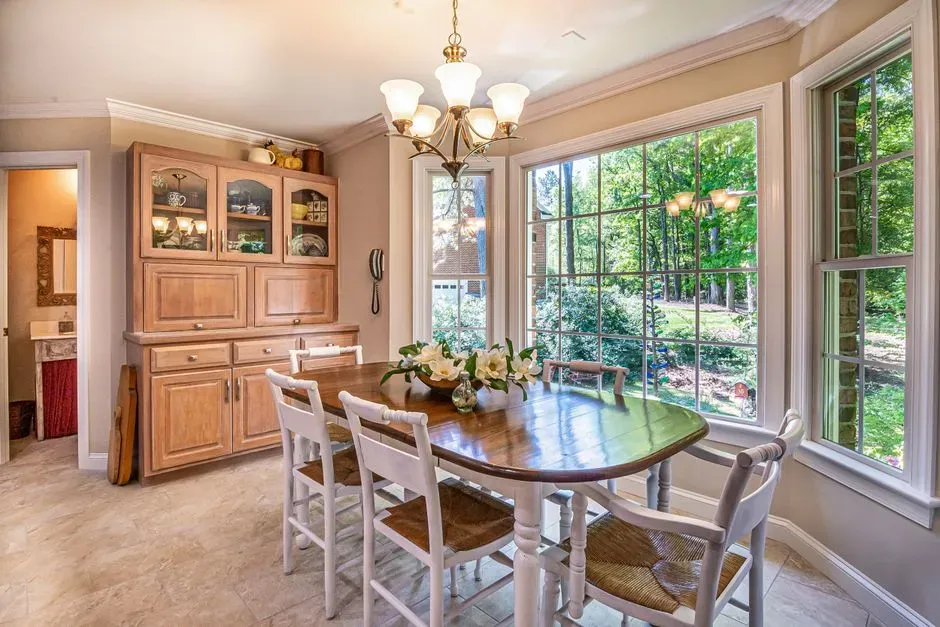
Natural light and why dim rooms drag on mood (Image Credits: Pexels)
Light is one of the more underrated factors in how a home feels day to day. A cluttered, noisy, or poorly lit space can lead to increased stress and irritability, while a peaceful, well-organized home can have a calming effect. People who spend most of their time in dim, north facing rooms without much daylight often report duller moods without connecting the two.
Research has consistently shown that individuals who live in organized, well-lit, and aesthetically pleasing spaces report higher levels of happiness and mental clarity. None of this requires a renovation. Something as simple as pulling back heavy curtains or repositioning a desk toward a window can shift how a room feels within days.
Houseplants and the pull toward nature indoors
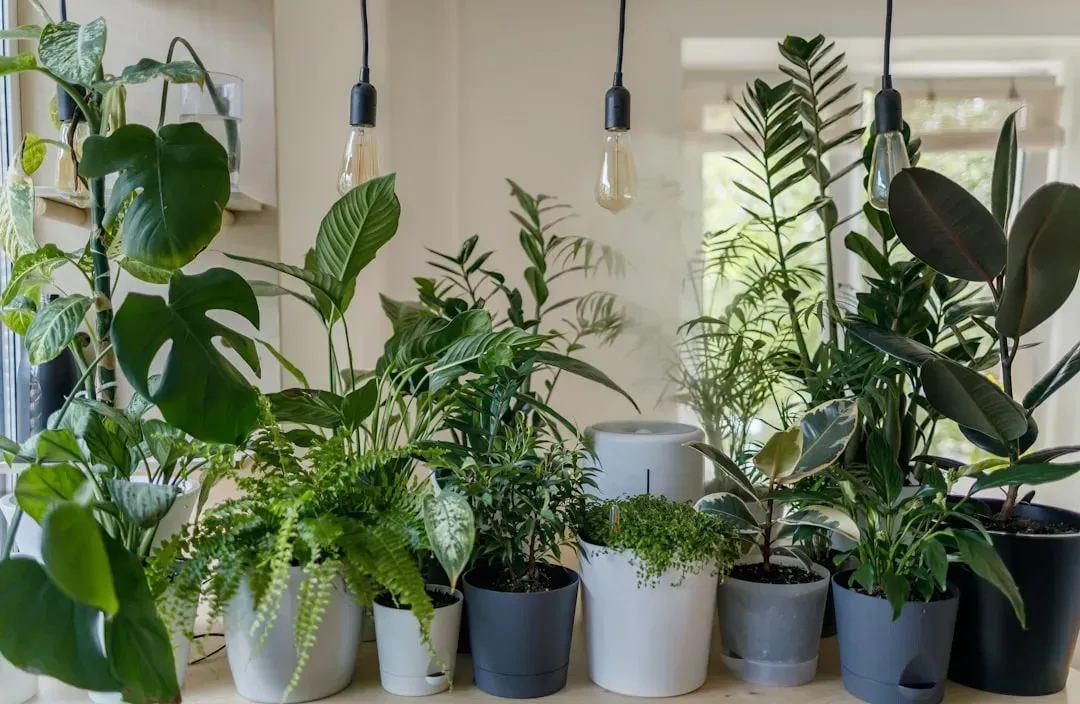
Houseplants and the pull toward nature indoors (Image Credits: Unsplash)
The instinct to bring a plant into an apartment isn’t purely decorative, even if it feels that way. Research has shown that simply looking at plants can lower stress levels, and caring for plants can provide a sense of purpose and reduce anxiety. That held true even during one of the more stressful stretches in recent memory.
During pandemic lockdowns, the vast majority of respondents in one study reported that owning and tending to indoor plants had a positive impact on their mental health, while only a small fraction disagreed with that sentiment. A windowsill full of plants that someone actually keeps alive often says something quiet but real about their capacity to nurture and maintain routine, even when other parts of life feel unmanageable.
What your color choices reveal about your emotional state
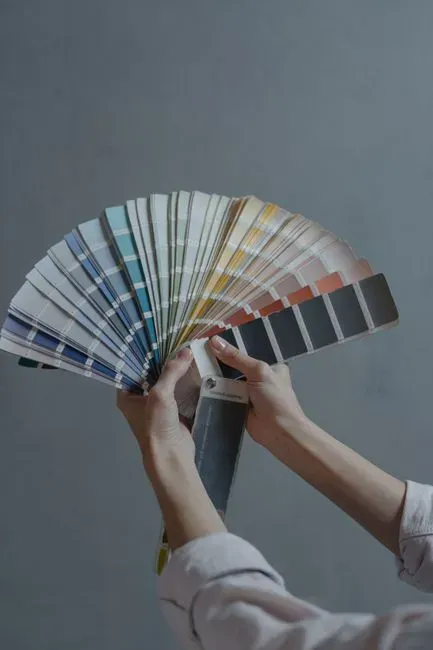
What your color choices reveal about your emotional state (Image Credits: Pexels)
Paint colors are rarely chosen at random, even when people insist they just liked the swatch. Bright, warm colors such as reds, oranges, and yellows stimulate energy and happiness while cool, subdued colors such as blues, greens, and purples are soothing and calming. Someone who has recently repainted every room in muted grays and off whites may be craving calm more than style.
The reverse can be just as telling. A sudden shift toward bold, saturated colors after a long stretch of neutral walls sometimes lines up with a person feeling ready to reclaim energy or assert a new phase of life. While more research is needed to fully understand the links between color and mood, color theory suggests that carefully selecting the color scheme for your home can positively impact your mental health and well-being.
Moving often, staying unsettled
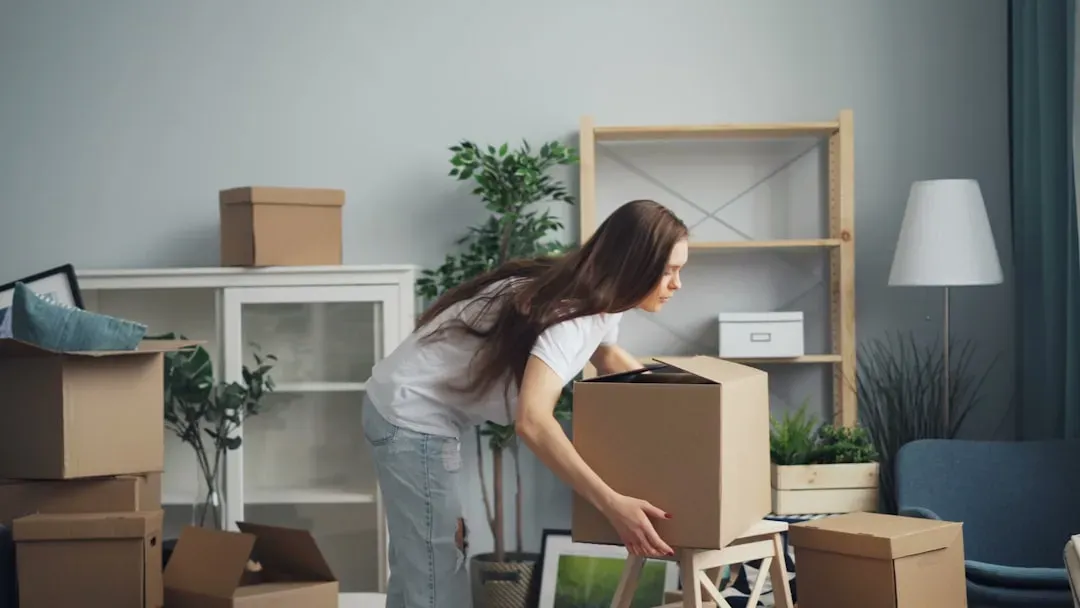
Moving often, staying unsettled (Image Credits: Unsplash)
Some people’s homes never quite reach a settled state because the people themselves keep moving. That pattern has measurable consequences beyond the obvious hassle of packing boxes. Increased residential mobility is related to a higher risk of depression and anxiety. It’s a two way relationship rather than a simple cause and effect.
Consistently experiencing mental health conditions was related to relocation, often relocating to higher deprived areas. A home that never gets decorated, never gets a plant, never gets a photo on the wall isn’t necessarily a sign of indifference. It can just as easily reflect someone who hasn’t felt settled enough, financially or emotionally, to invest in permanence.
The restorative home as a mental health signal
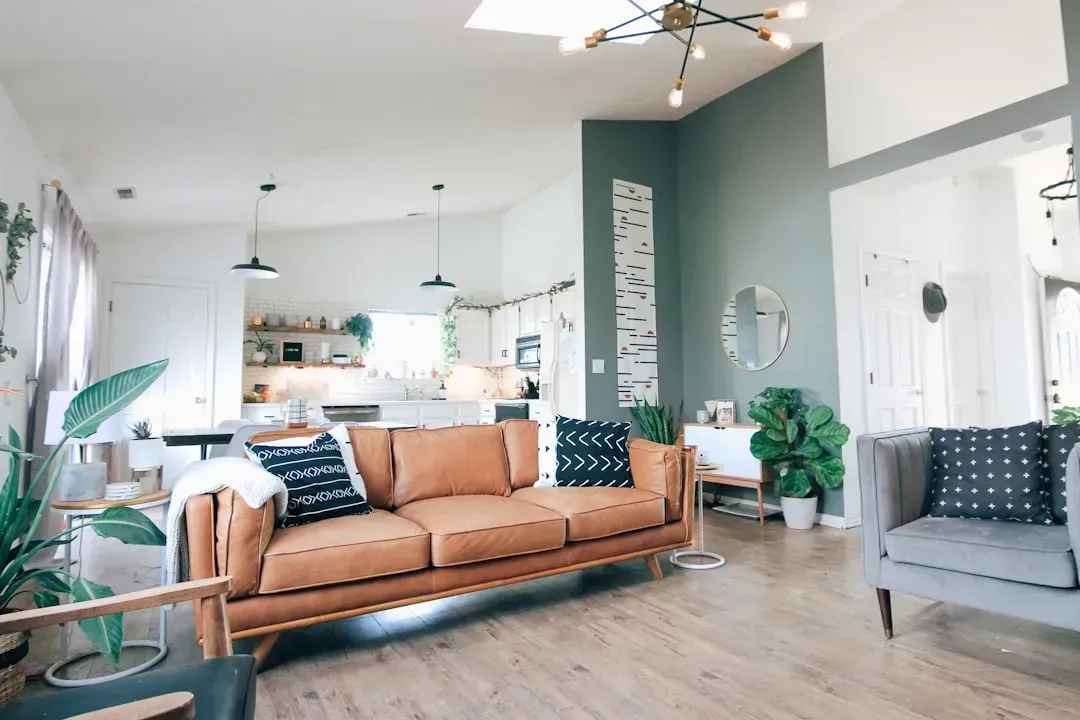
The restorative home as a mental health signal (Image Credits: Unsplash)
Beyond individual factors like light or color, researchers increasingly treat the home as one environmental determinant among several that shape mental health outcomes. Studies have shown that everything from noise levels to housing can affect levels of stress, anxiety and depression, as well as susceptibility to developing more serious conditions. A home isn’t a neutral backdrop to a person’s mental state, it’s an active ingredient in it.
Someone whose home feels genuinely restorative, quiet enough to think, organized enough to function, with a bit of daylight and greenery, tends to describe their day to day life in noticeably calmer terms than someone navigating chaos every time they walk through the door. That difference doesn’t require an expensive renovation to close. It usually starts with noticing which parts of the space are quietly working against a person’s peace of mind.
Reading the room, literally
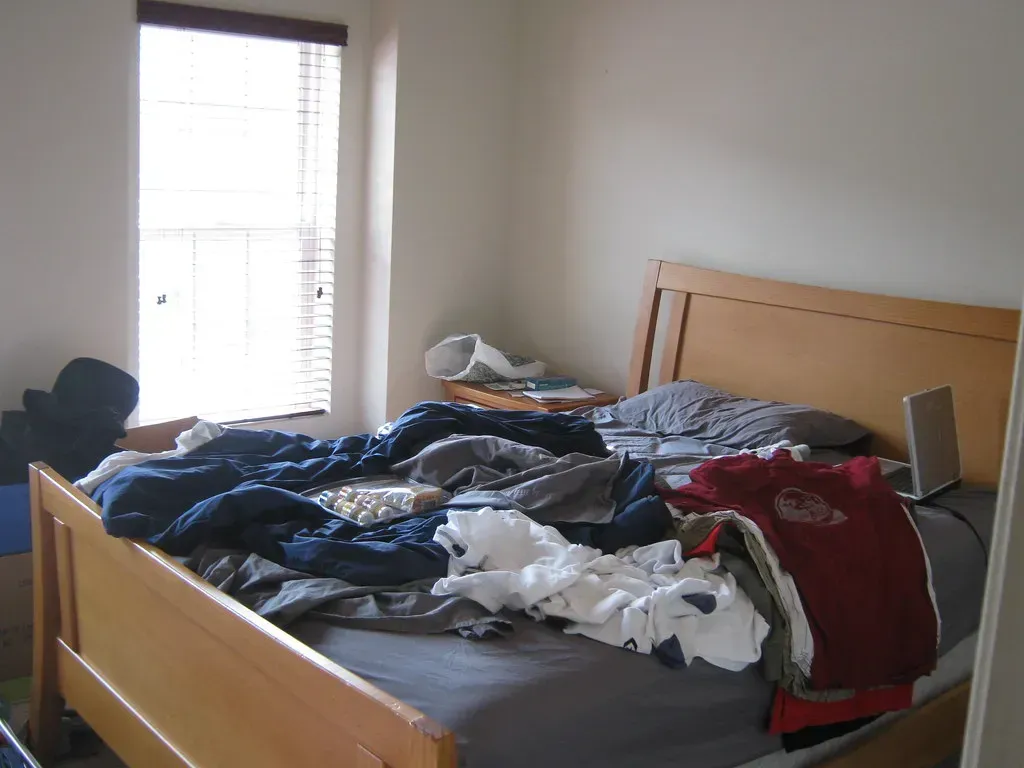
Reading the room, literally (ElCapitanBSC, Flickr, <a href="https://creativecommons.org/licenses/by-sa/2.0/" target="_blank" rel="noopener">CC BY-SA 2.0</a>)
None of this means a messy desk or a bare wall is a diagnosis. Homes are messy proxies for messy lives, and plenty of tidy houses hide plenty of struggle behind closed doors. Still, paying attention to the small physical patterns, the pile that never shrinks, the room that stays dark, the plant nobody waters anymore, can offer a surprisingly honest check in on how someone is actually doing.