
There's no ribbon-cutting ceremony for this one, no viral hashtag, no big product launch. Yet drive through almost any suburb or older city block in 2026 and you'll notice something shifting in small, unremarkable ways: people sitting outside again, chatting over a fence, waving instead of scrolling past on a phone. It's not a single program or policy. It's a loose collection of habits and design choices that, together, are nudging neighbors back into each other's lives.
What makes this trend interesting is how unglamorous it is. Nobody is marketing it as a movement, and yet landscapers, tech companies, and researchers are all independently describing pieces of the same pattern.
Front yards are turning back into living spaces
Front yards are turning back into living spaces (Image Credits: Unsplash)
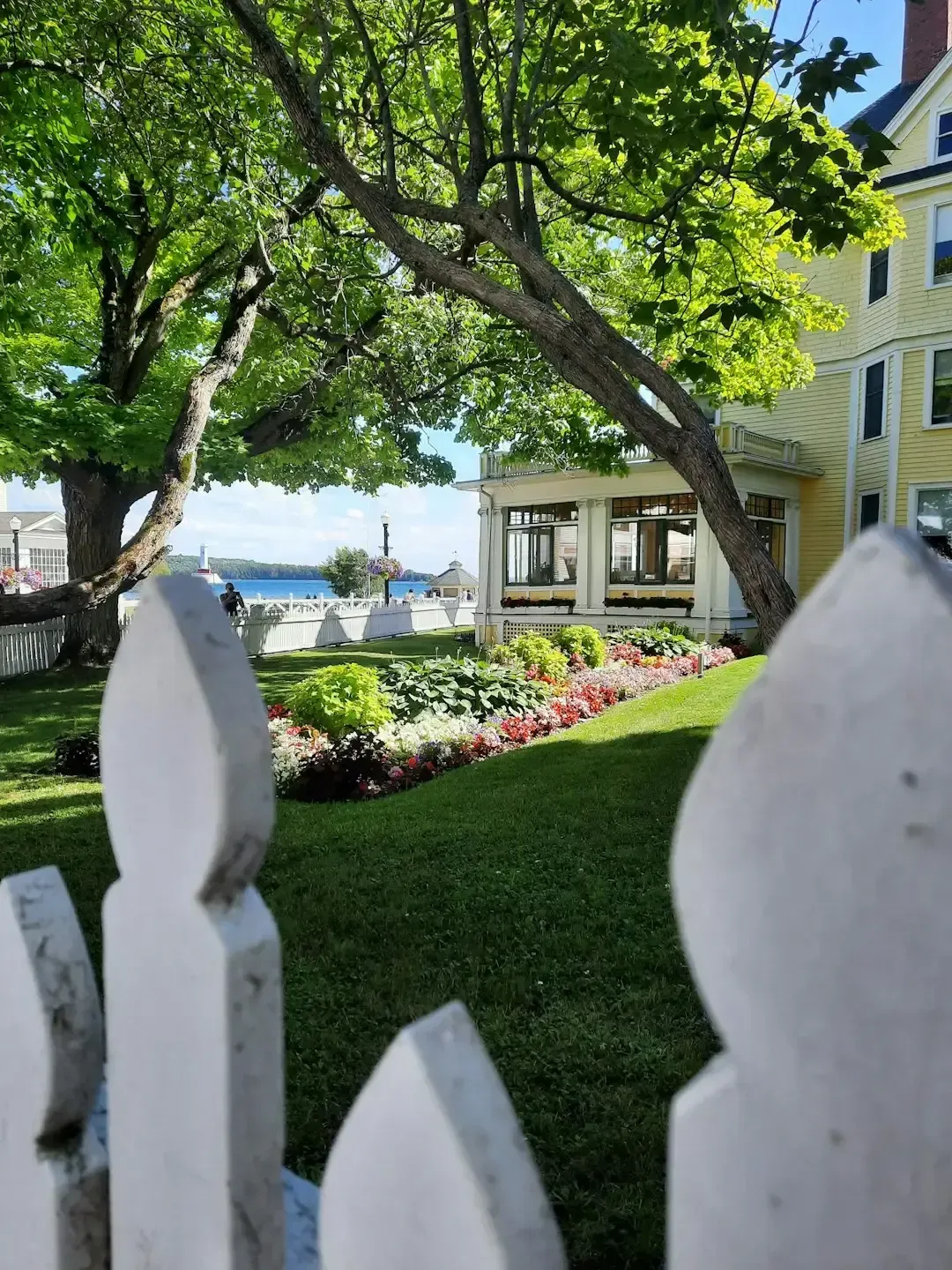
For decades, the front yard was mostly décor, a strip of grass meant to look tidy from the street while all the actual living happened in the backyard. That’s reversing. Landscape professionals report that homeowners increasingly want a front courtyard, a space where they can come outside and say hello to a neighbor riding by on a bike or walking a dog.
It sounds small, but it changes the rhythm of a street. When a chair or bench sits near the sidewalk instead of hidden behind a fence, casual contact becomes almost automatic. Designers have also noted that homeowners are embracing front yards that reflect their living rooms rather than relying on traditional, cookie-cutter layouts, which naturally invites more time spent facing the street rather than away from it.
The front porch is functional again, not just decorative
The front porch is functional again, not just decorative (Image Credits: Unsplash)
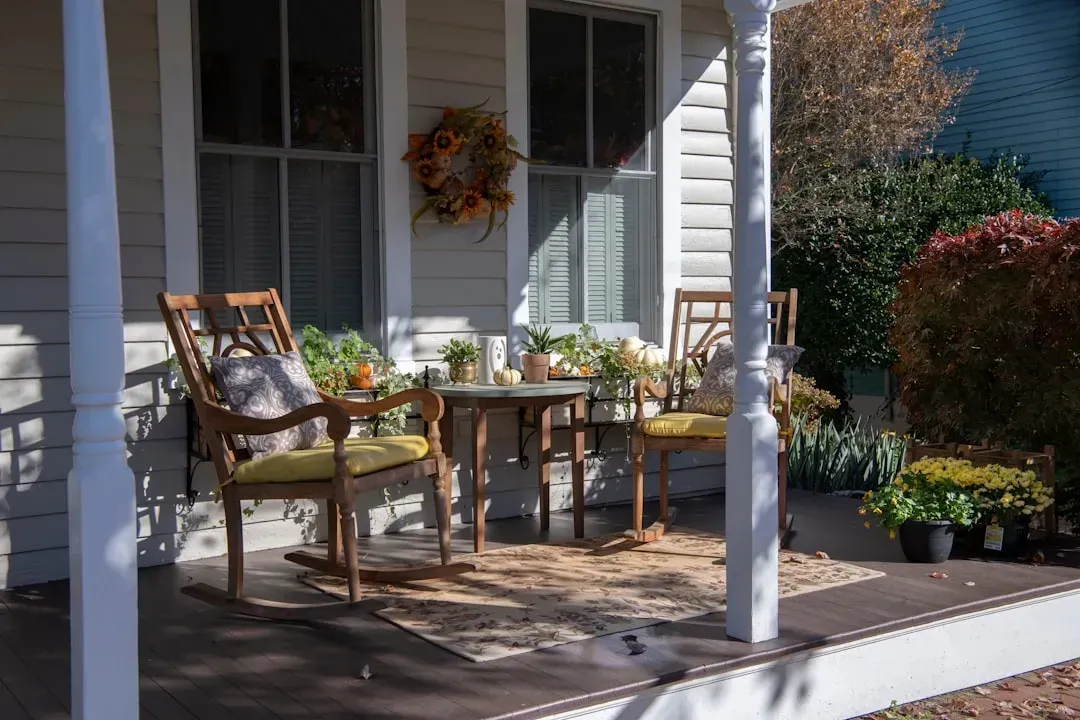
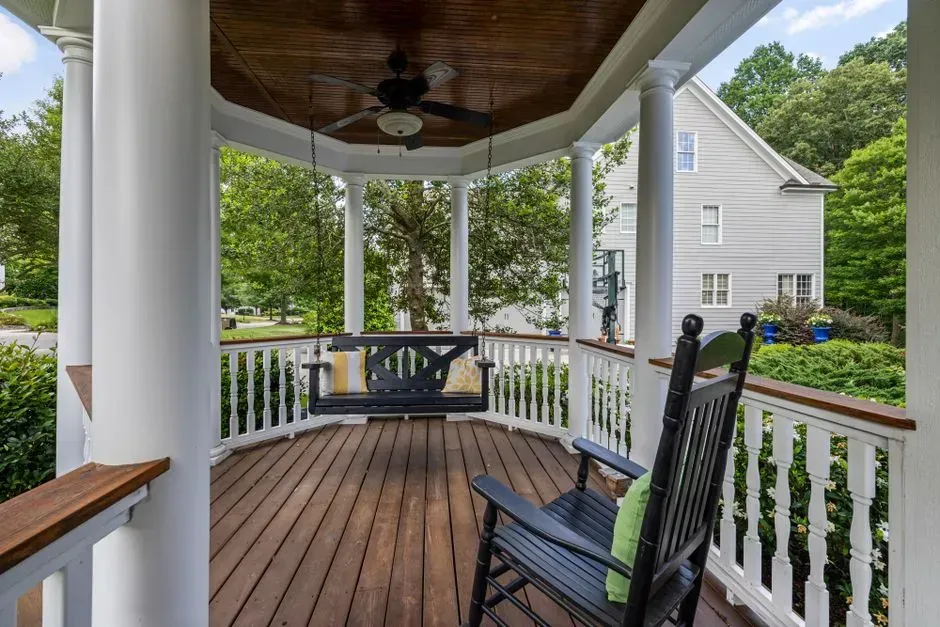
Porches never fully disappeared, but for a long time they were more architectural gesture than usable space. That’s changing as homeowners ask for porches that actually hold up to daily life. One landscape architect described the shift plainly: it used to be that a home had a nice porch and then it was just outside, but now the porch has automatic screens and heaters so it can be converted into usable space.
That kind of upgrade turns a porch from a place you glance at into a place you actually sit. And sitting outside, even for twenty minutes after work, is often when the small talk with a neighbor happens. It’s a low-effort, low-cost way to reintroduce a bit of daily social contact without scheduling anything.
People are letting go of the perfect lawn
People are letting go of the perfect lawn (Image Credits: Pexels)
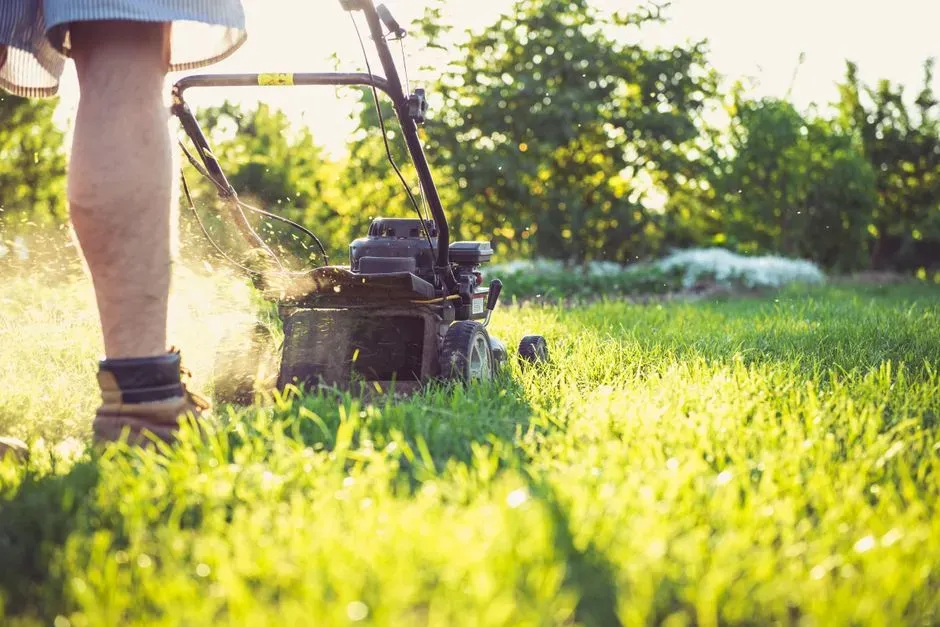
The manicured, weed-free lawn used to be a point of pride, almost a competition between neighbors. Now, professional gardeners note that the classic lush green lawn might have had its day, even among people who spent years maintaining pristine grass for a living.
Letting a lawn go a little wilder, or shrinking it in favor of native plantings, sounds like a purely environmental choice, and often it is. But it also softens the boundary between one yard and the next. A looser, less formal front garden tends to invite conversation rather than the silent nod people give a perfectly striped lawn they’re afraid to disturb.
The isolation numbers behind the shift
The isolation numbers behind the shift (Image Credits: Unsplash)
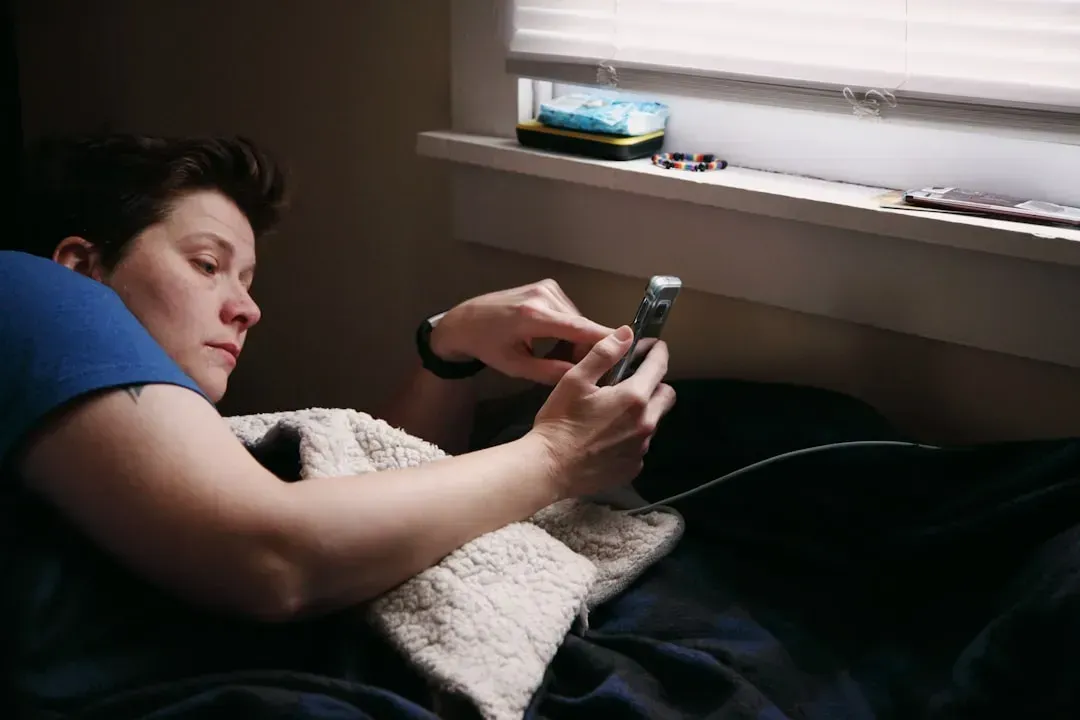
None of this is happening in a vacuum. A survey of more than five thousand Americans found that as Americans spend more of their time online, the neighborhood, once a primary physical location for real-world socialization, is playing less of a central role than ever before. That finding, from a fall 2025 poll conducted by a nonpartisan think tank, gave hard numbers to something many people already sensed.
Local organizers describe the same pattern in plainer terms, noting that social capital, the connections that create and empower communities, is on the decline, though neighborhoods can restore it. The quiet redesign of yards, porches, and shared spaces looks, in part, like a grassroots response to that decline rather than a coordinated fix for it.
Neighborhood apps are pushing people back outside
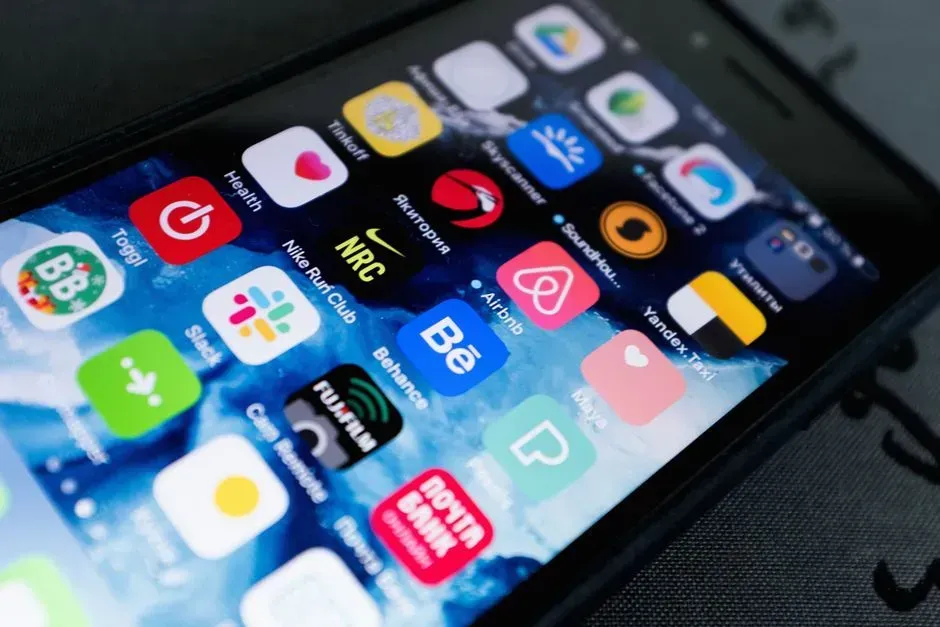
Neighborhood apps are pushing people back outside (Image Credits: Pexels)
It’s a little ironic that a phone app is part of a trend about putting phones down, but the data backs it up. Nextdoor’s own research heading into 2026 found that ninety-one percent of neighbors want to stay more informed about local news and events, ninety percent plan to support more local businesses, and seventy-nine percent are interested in strengthening relationships with their neighbors, with that last figure up sharply from the year before.
Those intentions matter because they suggest the appetite for connection is real, not just nostalgic. The same research found that eighty-four percent of neighbors participated in a charitable activity in the past year, and thirty-five percent plan to increase their giving or volunteering in 2026. Digital tools, in this case, seem to be steering people toward in-person action rather than replacing it.
Shared spaces are doing quiet, heavy lifting
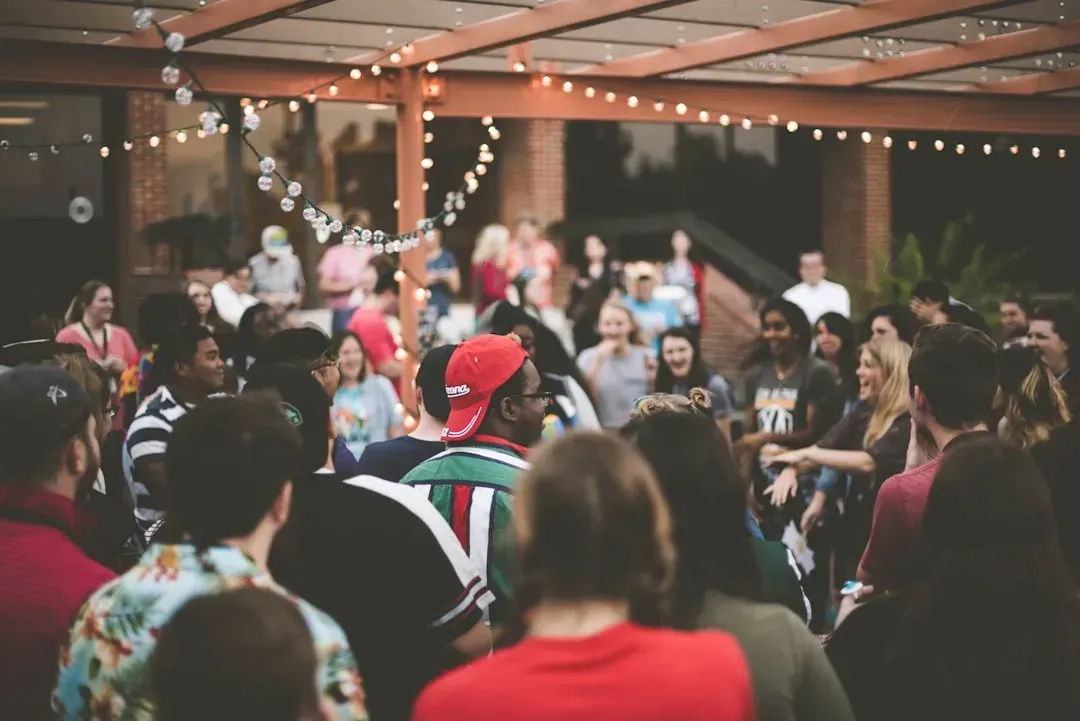
Shared spaces are doing quiet, heavy lifting (Image Credits: Unsplash)
Not every neighborhood has room for a park or a plaza, but the smaller shared spaces matter more than people give them credit for. Community writers have pointed out that neighborhoods with public parks, walking trails, libraries, coffee shops, and community centers are places where people can spend time relaxing and building community at the same time.
Even a church basement can serve this purpose. In one Cincinnati neighborhood, roughly twenty people gathered on a Saturday morning in the undercroft of a church to go to work building social capital, choosing that instead of the errands or downtime they might have otherwise filled the morning with. It’s a reminder that the venue matters less than the willingness to show up.
Mixed-use design is nudging people into each other's paths
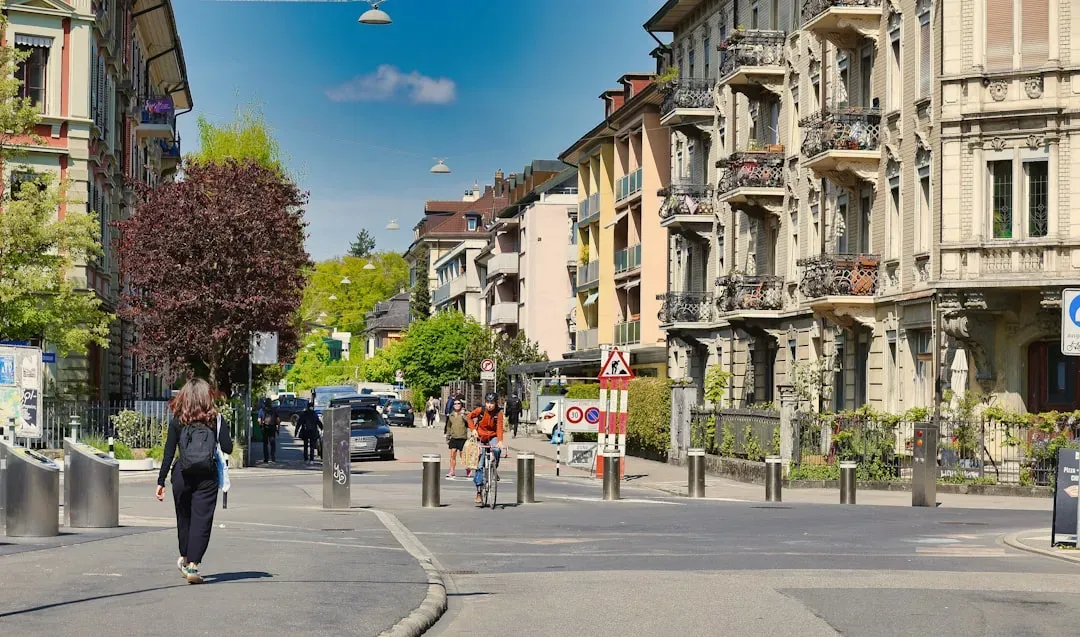
Mixed-use design is nudging people into each other's paths (Image Credits: Unsplash)
Urban planners have leaned into this trend as well, though from a different angle than landscapers. Mixed-use developments, which blend homes, shops, and gathering spots into one walkable area, promote walkability, reduce reliance on cars, and create lively public spaces where social interactions thrive.
The appeal isn’t just aesthetic. These layouts tend to improve public health outcomes by making amenities more accessible, encouraging exercise, and fostering a sense of belonging among residents. When the coffee shop, the small grocer, and the bench outside are all a short walk away, running into the same familiar faces becomes almost unavoidable, which is exactly the point.
Local giving and small favors are the connective tissue
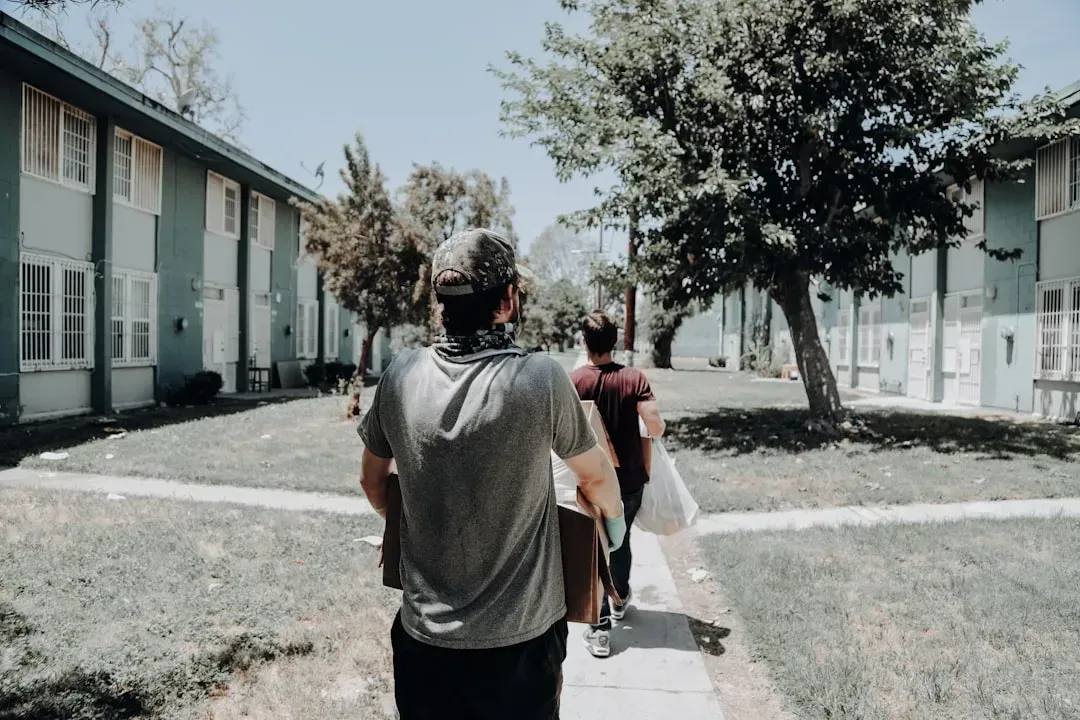
Local giving and small favors are the connective tissue (Image Credits: Unsplash)
Big civic projects get headlines, but the trend showing up most consistently is much smaller: casual help between neighbors. Nextdoor’s platform data, used to rank the friendliest neighborhoods in the country, is built entirely on interactions like helping a neighbor carry in groceries or posting a welcome message for someone new on the block.
That data captures something researchers have been saying for years in more academic language. Neighborhoods where people trust each other, look out for one another, and work together tend to be safer, more engaged, and more resilient than those affected by long-term disinvestment, according to research referenced by community development groups. The favors are small, but their cumulative effect on trust is not.
What the friendliest neighborhoods actually have in common
What the friendliest neighborhoods actually have in common (Image Credits: Unsplash)
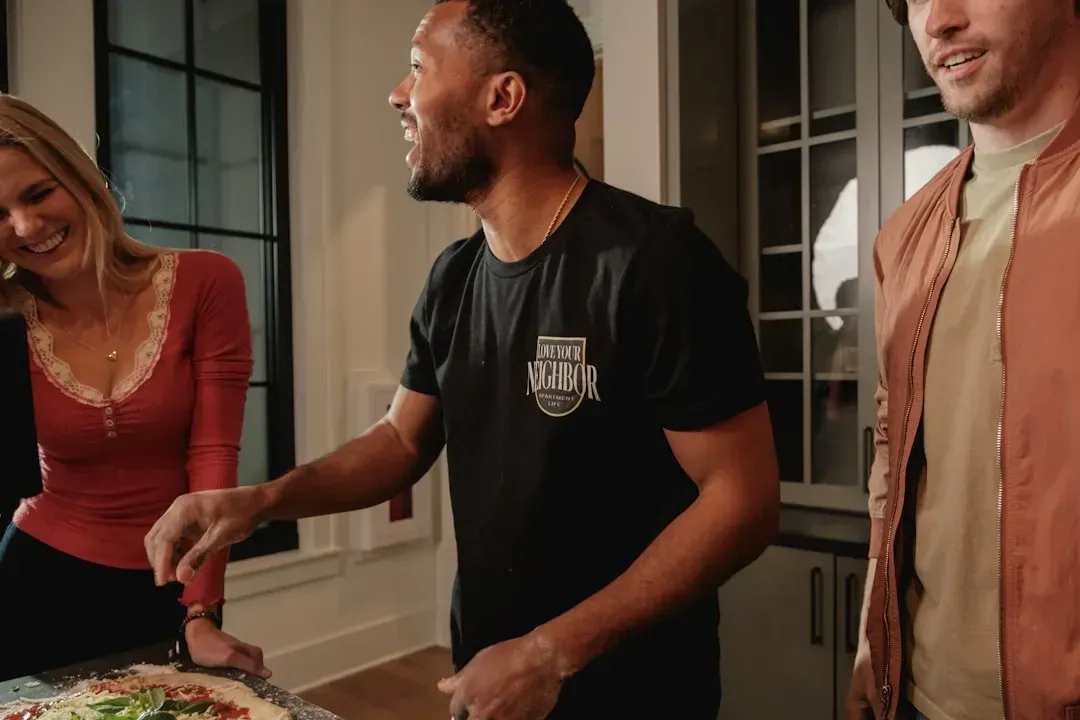
When Nextdoor released its 2026 ranking of the friendliest neighborhoods in America, the company was careful to note that the list wasn’t based on income, home values, or amenities. It was based on real neighbor-to-neighbor resource sharing and expressions of local pride, building a picture of what local community really looks like street by street.
That distinction is worth sitting with. A neighborhood doesn’t need a big budget or a striking skyline to feel connected, it just needs people willing to interact. The company’s communications lead summed up the finding by noting that people considering where to live want to understand what it’s really like to be part of that neighborhood, not just look at statistics about it.
Final thoughts
Final thoughts (Image Credits: Pexels)
None of these pieces, the redesigned front yards, the busier porches, the neighborhood apps, the church basement meetups, would make headlines on their own. Together, though, they sketch out a pattern that feels less like a fad and more like a correction. People spent years arranging their homes and their time around privacy and convenience, and now a fair number of them are quietly rearranging things around visibility and contact instead.
It’s worth watching whether this holds up beyond 2026 or fades once the novelty wears off. For now, the evidence suggests something real is happening on ordinary streets, one front porch conversation at a time.