
There's a particular kind of arithmetic that keeps a lot of millennials up at night. They do the math on what their parents had by 35 or 40, a house, a pension, maybe a paid off car, and then look at their own bank statements and wonder where it all went wrong. The strange part is that the numbers don't always back up the feeling, yet the feeling persists anyway, and that gap between data and gut instinct is worth digging into.
The wealth numbers look better than they used to, but the timing tells a different story
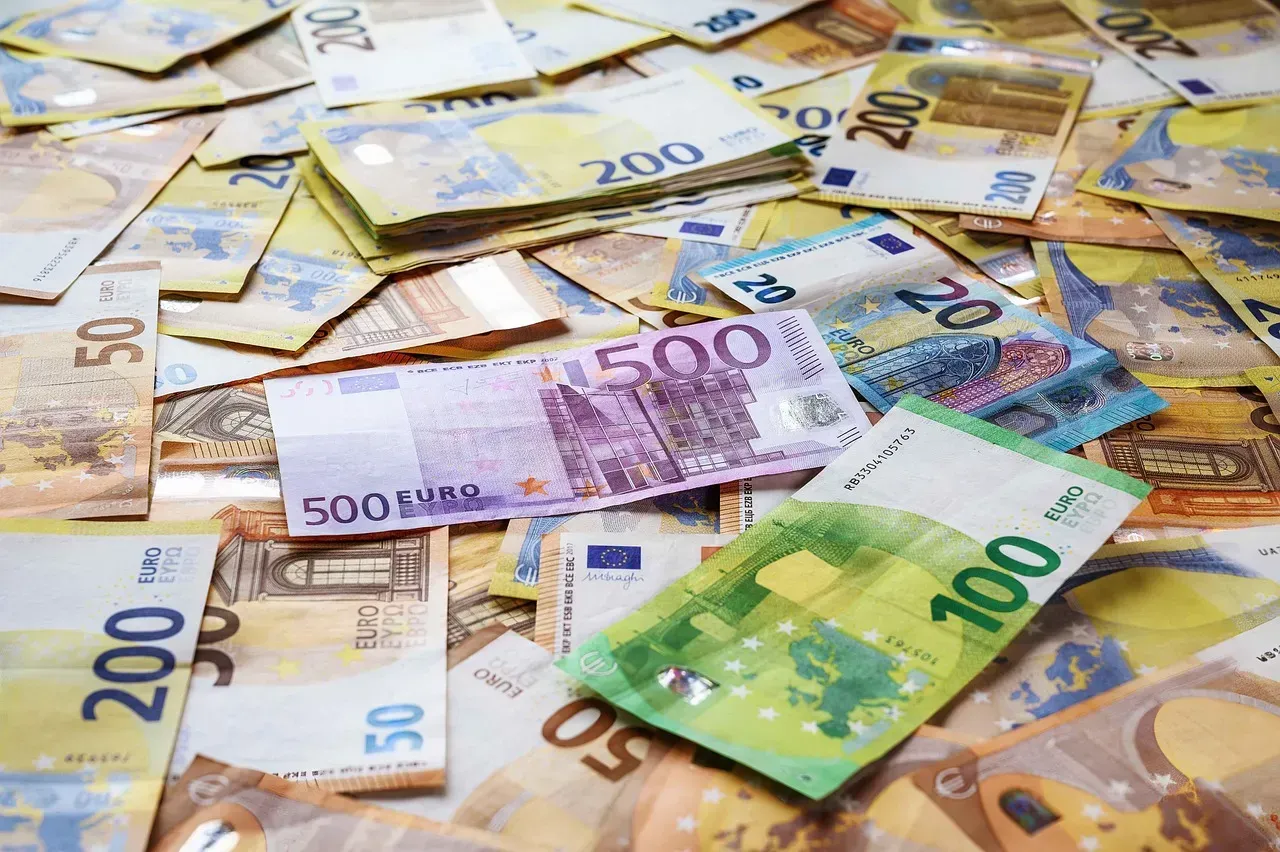
The wealth numbers look better than they used to, but the timing tells a different story (Image Credits: Pixabay)
Recent Federal Reserve data actually complicates the “broke millennial” narrative more than people expect. Younger Americans had greater household wealth, on average, than Gen Xers and baby boomers did when both generations were close to the same average age of 34. By late 2024, younger Americans owned $1.23 for every $1 of wealth owned by Gen Xers at the same age, and $1.35 for every $1 owned by baby boomers at the same age.
That sounds like good news, and in aggregate it is. But averages hide a messier reality underneath them. Median household wealth was 58,000 dollars among baby boomers, 73,000 dollars among Gen Xers, and 100,000 dollars among millennials at comparable life stages, which is progress, though it still leaves the typical household without the kind of cushion that feels secure. Much of the millennial wealth surge traces back to a narrow window of luck, low mortgage rates, a booming stock market, and pandemic era savings, rather than steady, broad based gains.
Homeownership arrived later and slower than it did for mom and dad
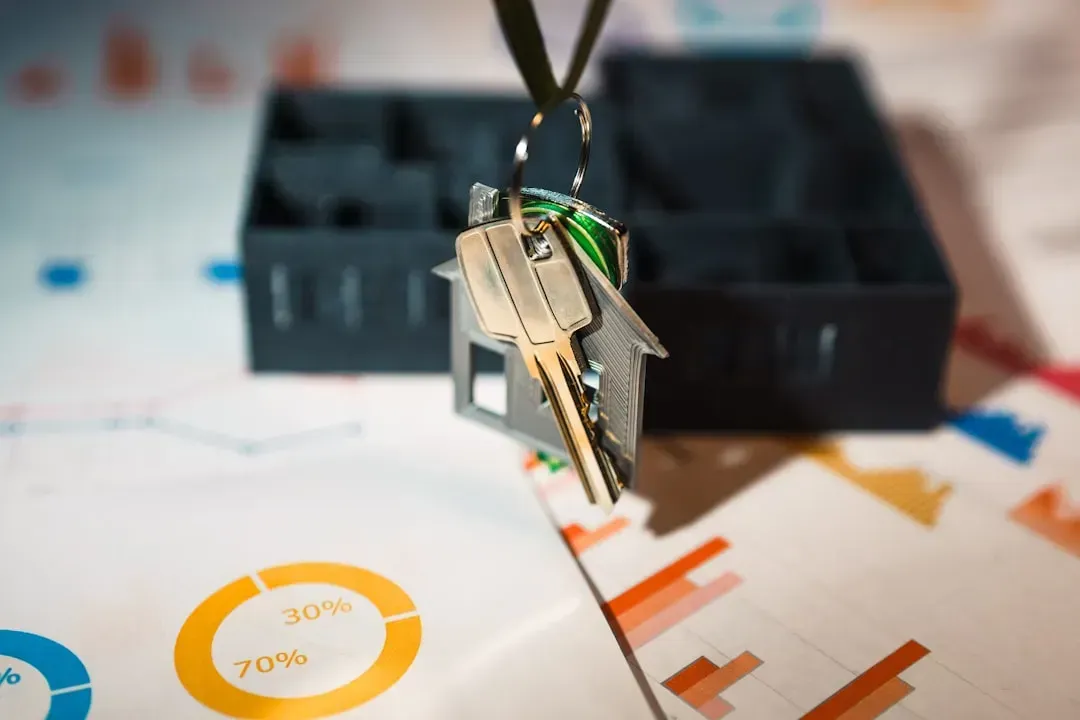
Homeownership arrived later and slower than it did for mom and dad (Image Credits: Unsplash)
Owning a home used to be a milestone people hit in their late twenties. For millennials, it became something closer to a decade long project. Just 33% of millennials owned a home by age 30, compared with 42% of Gen X and 48% of baby boomers at the same age.
The gap narrows with age but never quite closes. 57.2% of 36-year-old millennials owned their home in 2025, compared to 61.2% of Gen Xers and 63.7% of baby boomers when they were 36. Even now, with millennials firmly in their prime buying years, millennial homeownership crossed the 50% mark for the first time in 2025 at 55%, still trailing Gen X’s 73% and baby boomers’ 80%.
College cost more, and the return on that investment shrank

College cost more, and the return on that investment shrank (Image Credits: Unsplash)
Millennials were told, repeatedly, that a degree was the surest path to a stable life. What nobody mentioned was how much more expensive that path had become. The average cost of tuition, fees, and housing for the 2025-26 school year was over $24,000, compared to under $1,500 for the 1975-76 school year.
That inflation in tuition did not necessarily translate into higher average debt loads for millennials specifically, since older generations have racked up sizable balances too. Still, Experian estimates millennials’ overall average debt at $132,280, compared to under $93,000 for baby boomers. A degree that once opened doors now often comes bundled with decades of monthly payments trailing behind it.
Wages crept up while the cost of living sprinted ahead

Wages crept up while the cost of living sprinted ahead (Image Credits: Pexels)
Pay raises happened, technically. What millennials actually felt, though, was a widening distance between what they earned and what everything around them cost. With a median debt of $128,000 and income of $73,000, the median income for millennials is only $3,000 more than the median income for boomers back in 1989.
Housing absorbed a growing share of every paycheck, regardless of how the top line number moved. The cost of home ownership went up to 51% of median household income in 2025 from 33% of median household income in 2000, an 18 percentage point increase. College costs climbed too, though more modestly by comparison, and that combination of stagnant real wages and rising fixed costs is a large part of why the math never quite feels like it adds up.
Retirement savings started later and now have less runway

Retirement savings started later and now have less runway (Image Credits: Pexels)
Time is the one resource compound interest actually needs, and millennials lost a chunk of it early. The average 401(k) balance for millennials is $83,700, compared with $146,400 for all generations combined, according to Fidelity’s fourth quarter 2025 retirement analysis.
That shortfall shows up in how people feel about their own futures, not just in the account balances. More than half of millennials, 55%, the most of any generation, think they’re likely to outlive their savings. Part of the problem is contribution rates rather than intent. The average savings rate was 17.1% for baby boomers, 15.4% for Gen X, and 13.5% for millennials, a gap that compounds over a career the same way debt does.
Life milestones got pushed back, and that changes the whole financial timeline

Life milestones got pushed back, and that changes the whole financial timeline (Image Credits: Pexels)
Marriage, kids, buying a first home, these used to happen in a fairly predictable sequence during someone’s twenties. Millennials shifted that sequence later across the board, often by choice as much as necessity. The median age of first marriage is now 30.8 for men and 28.4 for women, up from 22 for women in 1980.
Delaying these milestones is not inherently bad, but it does rearrange the financial calendar millennials are working with. The average mother has her first child at age 27.5 while fathers now start at 31.5, according to the most recent childbirth statistics. Every milestone pushed later means less time to save before the next major expense arrives, which tends to compress everything into a shorter, more stressful window.
Two economic shocks landed on one generation instead of being spread across several

Two economic shocks landed on one generation instead of being spread across several (Image Credits: Pexels)
Most generations absorb one defining crisis during their working years. Millennials got two, back to back, at some of the worst possible moments in their financial development. The homeownership rate for household heads ages 18 to 34 dropped after 2005, when the US housing market experienced a crisis, right as many millennials were entering the workforce for the first time.
Then, just as careers were stabilizing, the pandemic arrived. Just when many millennials may have finally been getting their careers and finances on the path to growth, the COVID-19 pandemic hit, leaving the least tenured workers the most vulnerable to layoffs, pay cuts, and furloughs. Two recessions in fifteen years is a rare and unlucky draw, and it is one that neither the boomers nor Gen X had to contend with at the same career stage.
The housing market changed shape entirely, not just the price tag

The housing market changed shape entirely, not just the price tag (401(K) 2013, Flickr, <a href="https://creativecommons.org/licenses/by-sa/2.0/" target="_blank" rel="noopener">CC BY-SA 2.0</a>)
It is not only that homes cost more now. The entire structure of who buys, when, and why has shifted underneath millennials’ feet. Baby boomers made up 42% of home buyers in 2025, the largest generational share, despite already being the generation most likely to own a home at an 80% homeownership rate, often trading up or buying second homes rather than making a first purchase.
That leaves fewer entry level homes available for first time buyers, who are millennials by and large. First-time buyers made up just 21% of all buyers in 2025, the lowest share the National Association of Realtors has recorded since it began tracking the figure in 1981. The market millennials are trying to enter looks nothing like the one their parents navigated, even setting price aside.
The gap between feeling behind and being behind is real, and it matters

The gap between feeling behind and being behind is real, and it matters (Image Credits: Pexels)
Here is where the numbers and the mood genuinely diverge. Even as wealth figures improved on paper, the emotional experience of millennials did not necessarily follow along. While Americans under 40 are increasing their wealth, they still feel “an increasing sense of economic fragility,” according to Treasury Department research, and more than any other generation, millennials say financial success is much harder for them to achieve versus previous generations.
That fragility is not irrational, even if the aggregate wealth statistics look reassuring. Younger generations have faced an array of financial challenges including high interest rates, expensive housing and education, healthcare costs, and childcare affordability, all landing at once rather than spread across a career. Feeling behind and being behind are not quite the same thing, but for millennials, both are true often enough that the distinction barely matters day to day.