
Every family group chat eventually hits the same wall. Someone under thirty says a word that sounds like a sneeze, and someone over forty asks what on earth is happening to the English language. It's not new, exactly, but the speed of it is. Where slang used to take years to cross from one age group to another, it now spreads and dies within a single news cycle, leaving pockets of vocabulary that some generations simply will not touch, no matter how many times they hear it.
What follows are nine terms that have become quiet lines in the sand. Some are recent internet inventions that older speakers refuse on principle. Others are decades old and now embarrass the very people who once used them without irony.
1. Skibidi
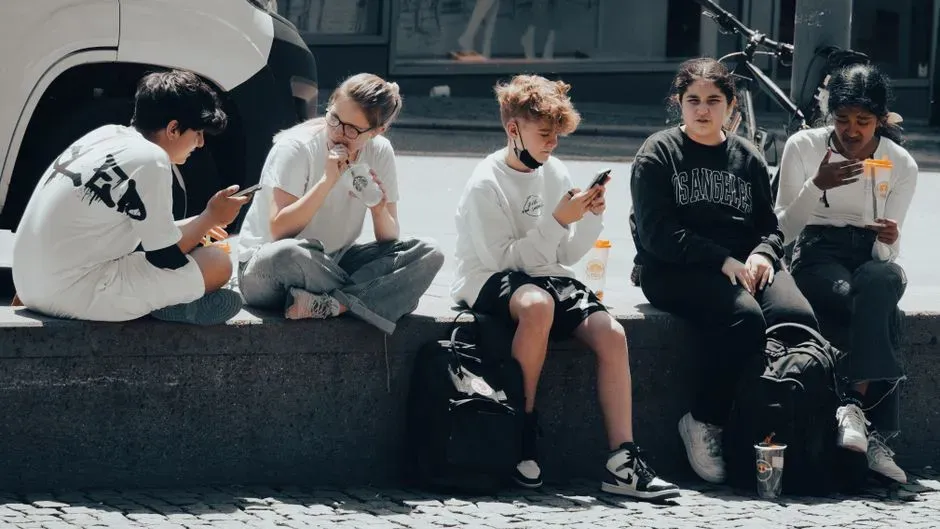
1. Skibidi (Image Credits: Pexels)
Skibidi is the word that Millennials, Gen X, and Boomers point to most often as proof that language has finally broken. It comes from a surreal animated web series and has no fixed meaning at all, which is exactly the point for the kids who use it. Dictionary definitions describe it as a word that can mean either “cool” or “bad,” or can be used with no real meaning as a joke.
For anyone born before the mid 2000s, that lack of a stable definition is the dealbreaker. A slang word that can mean two opposite things depending on tone feels less like vocabulary and more like static, and most older speakers would rather sit out the conversation entirely than risk using it wrong. The term traces back to a meme called the “Skibidi Toilet,” complete with an associated viral dance trend, which only deepens the generational gap since most adults have never seen the source material.
2. Rizz
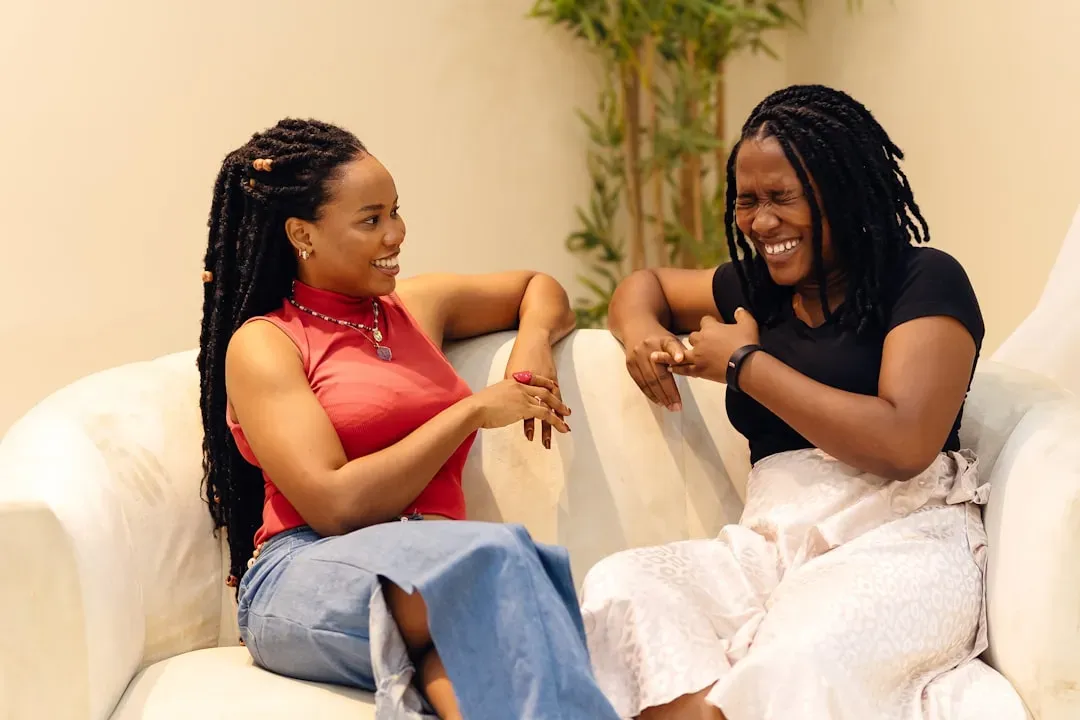
2. Rizz (Image Credits: Unsplash)
Rizz made the jump from niche internet slang to genuine dictionary entry faster than almost any term in recent memory. Cambridge Dictionary now defines it as the ability to attract people’s attention and make them like you, often in a romantic or sexual way. It even earned a major honor a couple of years back, cementing its place in mainstream reference books.
Even so, Boomers and much of Gen X have declined the invitation to use it themselves. Rizz is huge among Gen Alpha, but Millennials might not use it, and Boomers often feel completely out of touch hearing it. There’s a sense among older speakers that borrowing the word without understanding its origin, which traces back to internet streaming culture, would land as try hard rather than fluent.
3. Delulu

3. Delulu (Image Credits: Pexels)
Delulu is a playful shortening of delusional, used when someone’s hopes have drifted well past what reality supports. Cambridge Dictionary defines it as believing things that are not real or true, usually because you choose to. It’s affectionate rather than cruel, which is part of why younger speakers reach for it so often in group chats and comment sections.
Gen X and Boomers, on the other hand, tend to find the word grating rather than charming. Part of the resistance is generational distance from the joke itself, and part of it is a straightforward preference for plain adjectives over compressed internet shorthand. Saying “she’s being unrealistic” carries the same meaning without requiring a translation guide, and plenty of older speakers see no reason to swap one for the other.
4. It's giving

4. It's giving (Image Credits: Pexels)
“It’s giving” describes a vibe or aesthetic without spelling out exactly why something feels a certain way. The phrase is used to describe the overall vibe or energy of something, as in “it’s giving corporate burnout.” It works because it’s vague on purpose, letting the listener fill in the specifics.
That vagueness is precisely what turns Gen X and Boomer speakers away from it. A generation raised on more literal turns of phrase tends to find open-ended slang unsatisfying, preferring words that commit to a single, clear meaning. Even self-described language enthusiasts among older adults admit they understand the phrase perfectly well but still either don’t know or refuse to use it because even they have standards and age limits now.
5. No cap
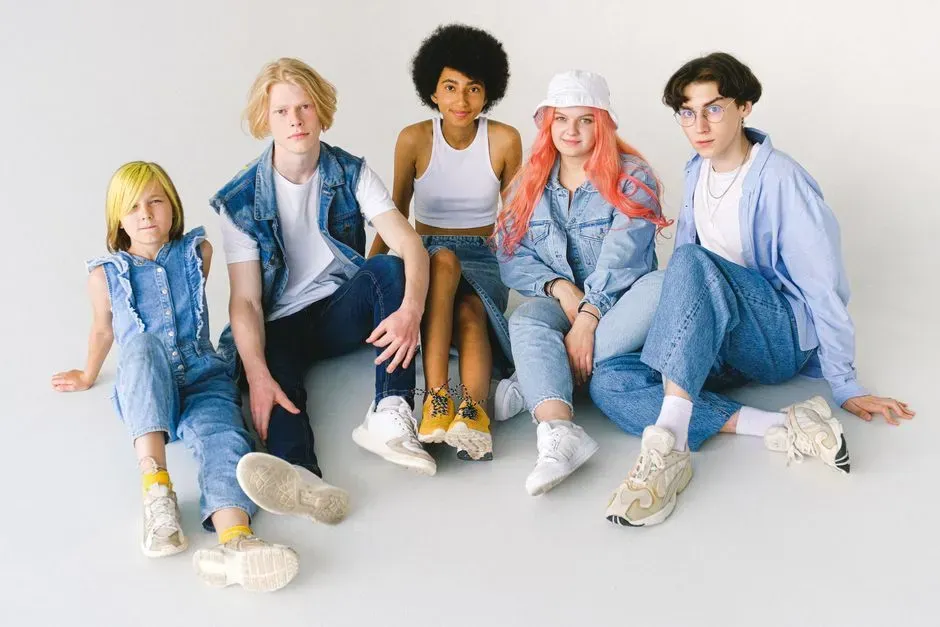
5. No cap (Image Credits: Pexels)
No cap functions as an emphatic way of saying something is true, with roots that run deeper than most casual users realize. “Cap” means false, while “no cap” means true, part of a coded language shared among Gen Z speakers. It shows up constantly in casual speech, texting, and video captions where a plain “seriously” feels too flat.
Boomers, by contrast, have been fairly open about being left behind here. Over half of Boomers admit they can’t keep up with their kids’ or grandkids’ lingo, and no cap sits near the top of that confusion. For a generation whose own slang leaned on words like groovy and far out, the clipped, gaming-and-rap-influenced rhythm of no cap simply doesn’t fit the way they were taught to talk.
6. Bussin

6. Bussin (Image Credits: Unsplash)
Bussin describes food, or occasionally an experience, that’s exceptionally good. Something described as bussin is really good, as in “this burrito is bussin, I’m definitely coming back here.” It has AAVE roots and has been thoroughly absorbed into mainstream Gen Z speech through TikTok and casual conversation.
Older generations have largely opted out of saying it themselves, even when they understand it perfectly. One widely shared account of a parent trying the word out on a Gen Z cashier ended in immediate, gentle mockery, with the reaction that using it made the parent sound thoroughly out of date. Trying to drop the word bussin into casual conversation earned the response, “This is giving boomer core.” That kind of instant social correction is usually enough to keep most adults from trying again.
7. Groovy
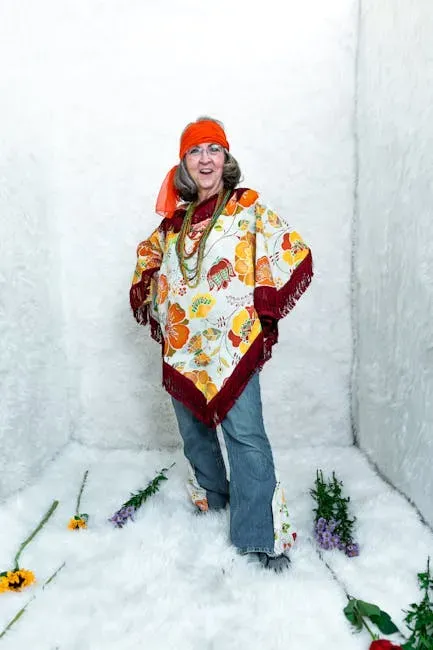
7. Groovy (Image Credits: Pexels)
Now flip the direction entirely, because generational refusal runs both ways. Groovy was the definitive word of the counterculture era, and Boomer slang like “groovy” and “far out” from the sixties was all about the peace and love counterculture. It signaled openness, optimism, and a rejection of stiff, formal norms.
Millennials and Gen Z, however, treat groovy as a punchline rather than a usable word. It shows up ironically, in retro-themed captions or as a deliberate joke about being old fashioned, but almost never in a sincere sentence. The word simply carries too much specific cultural weight from a very particular decade, and using it earnestly would read as a costume rather than genuine speech.
8. On fleek

8. On fleek (Image Credits: Unsplash)
On fleek had one of the shortest lifespans of any major slang term in recent memory, and Millennials know it better than anyone. Millennials had “on fleek” for approximately seventeen minutes before it became cringe. It described something, usually eyebrows, that looked flawlessly groomed, and it exploded across social media almost overnight.
Gen Z has firmly refused to bring it back, treating it as a relic of an earlier, more earnest internet era. Part of the resistance is timing: the phrase burned out so quickly and so publicly that reviving it now would feel like wearing a trend that already had its funeral. Younger speakers have plenty of their own words for looking put together, and none of them involve fleek.
9. Adulting

9. Adulting (Image Credits: Pexels)
Adulting described the small, mildly heroic act of doing responsible grown up tasks, like paying bills on time or cooking a real dinner. Millennials use “adulting” when behaving responsibly, along with “keeping it 100” for being truthful and “getting swole” for lifting weights. It became so common that it eventually settled into everyday English rather than staying purely slang. Words like “adulting” have settled into everyday English, which is the usual fate of slang that survives long enough: it stops being slang.
Gen Z, though, largely treats adulting as a dated millennial habit rather than a word worth keeping. The self-deprecating humor behind it, treating basic responsibility as an achievement, doesn’t land the same way with a generation that grew up watching that exact joke get repeated for a decade. Younger speakers tend to just describe the task directly rather than framing it as a small victory, which quietly signals who said the word first.
Slang has always worked this way, splitting generations even as it tries to connect people within them. What changes is the speed. A term that once needed a decade to feel dated now needs barely a year, and the gap between who says a word sincerely and who says it as a joke keeps shrinking. The nine terms above aren’t really about vocabulary at all. They’re markers of when someone came of age, and no amount of trying will make a borrowed word feel native.