
Walk into any coffee shop full of twenty somethings and you'll hear the same undercurrent of conversation: rent, dating apps, whether kids are even in the picture. It's not that young adults have stopped caring about family. They're just building it on different terms, at a different pace, and often in a different shape than the one their parents used as a blueprint.
What's happening isn't rebellion for its own sake. It's a quiet renegotiation of what commitment, home, and kinship actually mean when the old script no longer fits the economics or the culture of 2026.
1. Marriage is arriving later, not disappearing

1. Marriage is arriving later, not disappearing (Image Credits: Unsplash)
The idea that Gen Z has given up on marriage doesn’t hold up against the numbers. Since 1950, the average age at first marriage has risen by nearly eight years, reaching about 30 for men and 28 for women. The U.S. Census Bureau’s American Community Survey puts it even more precisely: the median age at first marriage reached its highest point ever recorded, 30.8 years for men and 28.8 years for women in 2024, up from just 23.1 and 21.1 respectively in 1974.
What’s telling is that the desire hasn’t faded along with the timeline. More than four in five Gen Z adults, about 81 percent, say they value marriage. Yet Gen Z is the least likely generation to say marriage is important for raising children, with 67 percent agreeing, which suggests the institution is being kept, just no longer treated as the only valid entry point into family life.
2. Cohabitation has become the default starting point

2. Cohabitation has become the default starting point (Image Credits: Pexels)
The old order, where marriage came first and moving in together followed, has essentially flipped. For many couples, cohabitation and shared households now precede marriage rather than follow it. This isn’t a fringe preference anymore; it’s close to the norm among young adults building lives together before signing any paperwork.
Attitudes have shifted just as much as behavior. Nearly 9 in 10 Gen Zers believe cohabitation makes no difference or is socially acceptable. That shift matters structurally too, since fewer than 50 percent of U.S. households are now married-couple households, a first reported by the U.S. Census Bureau in 2025.
3. Parenthood is being pushed back, and often reconsidered entirely

3. Parenthood is being pushed back, and often reconsidered entirely (Image Credits: Unsplash)
Births are falling and the age at which people have them is climbing. The estimated number of births in the U.S. in 2025 was around 3 million, marking a decrease of 1 percent from the number in 2024, while the provisional fertility rate in 2025 was 53.1, also a decrease of 1 percent from the rate in 2024, and a 23 percent drop since 2007. Economic strain sits at the center of that decision for many young people, with roughly 39 percent of Gen Z saying they had delayed having a child because of the current economic climate, while only 36 percent of millennials said the same.
For a growing share, the delay isn’t temporary hesitation, it’s a genuine reconsideration of whether parenthood fits at all. A Barna survey of more than 3,500 adults in August 2024 found that 74 percent of Gen Z respondents said they can have fulfilling lives without kids and just 67 percent said marriage is critical for raising children in a stable environment, marking the lowest percentage among any surveyed generation. Newsweek’s polling found a similar pattern, reporting that one in three Gen Zers and millennials do not have and do not want to have children.
4. Record numbers are moving back in with their parents

4. Record numbers are moving back in with their parents (Image Credits: Pexels)
The image of the twenty something striking out on their own has quietly given way to something else. A record 25.2 million U.S. adults under the age of 35 lived with their parents in 2025, representing about one in three young adults, according to a recent report from Realtor.com. That’s not a pandemic hangover either; it’s actually higher than the pandemic-era surge.
What separates this wave from old stereotypes about basement dwelling is the financial behavior underneath it. Around 72 percent of young adults who live with their parents say they contribute financially to the household in some way, according to 2024 data from Pew. Living at home has become less a failure to launch and more a deliberate strategy for saving toward the next stage, whatever that turns out to be.
5. Multigenerational households are reshaping the family home itself
5. Multigenerational households are reshaping the family home itself (Image Credits: Pixabay)
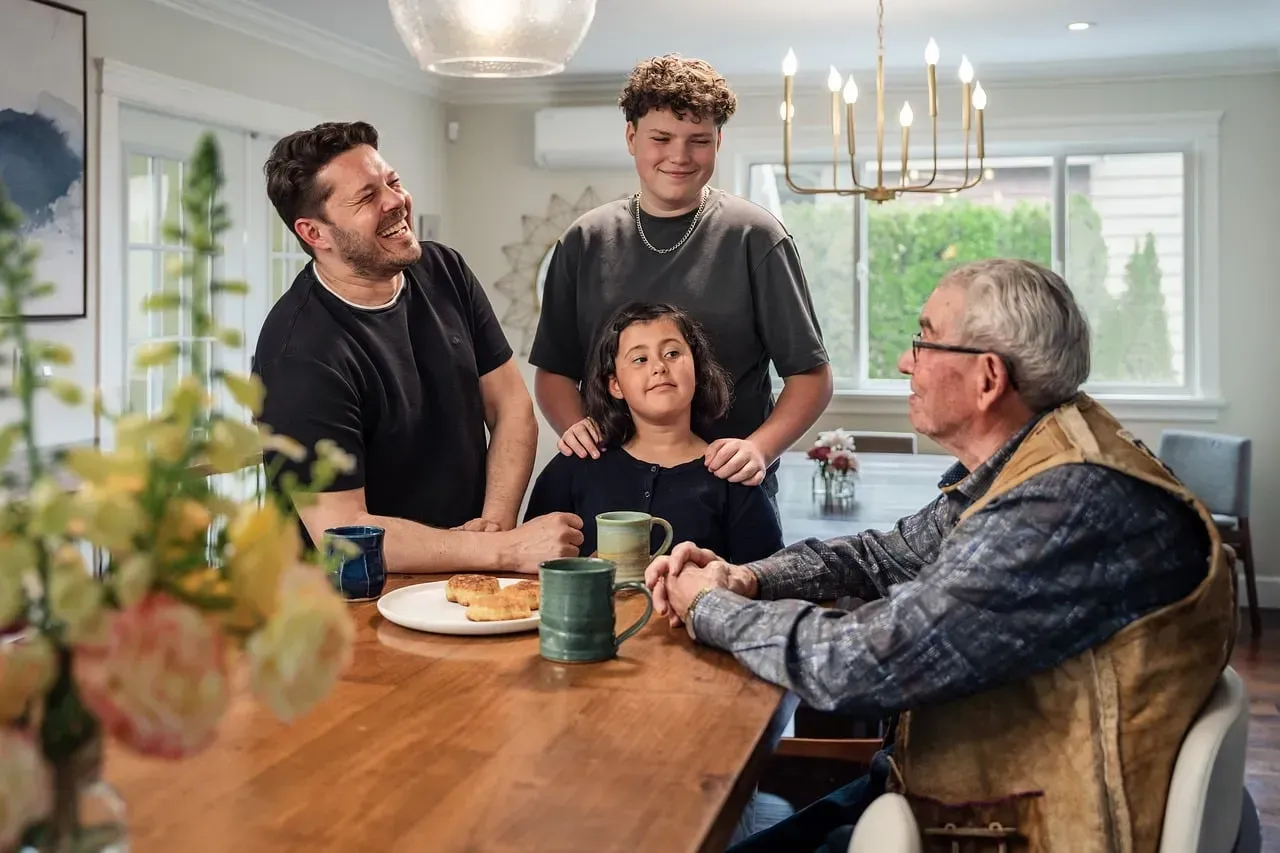
Beyond simple boomeranging, entire households are being redesigned around three generations under one roof. Multigenerational homes, typically including children, parents, and grandparents, represented 17 percent of housing purchases in 2024, a record number for the segment. Pew’s longer view of the trend shows just how far it’s come, noting that 25 percent of young adults now live in a multigenerational household, up from just 9 percent five decades ago.
The motivations run in both directions. Younger adults get help with rent and childcare, while roughly one quarter of Americans now make up the sandwich generation, adults responsible for supporting both their aging parents and their children financially, physically, or emotionally. It’s less a nostalgic return to old-world living arrangements and more a practical response to the cost of doing anything alone right now.
6. Pets have taken on a central role once reserved for children

6. Pets have taken on a central role once reserved for children (Image Credits: Pexels)
For a meaningful slice of this generation, the family unit now has fur in it, sometimes instead of a crib. An emerging trend among 43 percent of Americans is a preference for pets over children, with many Gen Z and Millennials noting that pets are easier to care for and come with fewer financial burdens. Among Gen Z specifically, the preference is even sharper, with 7 in 10 Gen Z adults saying they would rather have pets than have children.
Spending patterns back up the sentiment rather than just the survey answers. Gen Z pet owners spend an average of $6,103 annually on their pets, compared to Boomers’ average of $2,454, highlighting a generational shift in pet-related spending. Pet ownership among young households has grown just as fast, with 18.8 million households in this age group having at least one pet in 2024, a 43.5 percent jump from the previous year.
7. Financial readiness now sets the pace, not romance

7. Financial readiness now sets the pace, not romance (Image Credits: Pixabay)
Ask a Gen Z couple why they’re not engaged yet and the answer is rarely about the relationship itself. 44 percent of Gen Z cite financial readiness as the top barrier to marriage, higher than any other generation surveyed, according to a 2024 Knot Gen Z wedding study. Marriage has effectively become a milestone that gets scheduled around a bank account rather than the reverse.
The same calculus extends into decisions about children. One study found that 84 percent of Gen Z respondents say economic conditions influence whether they plan to have children. Researchers describe this as couples treating major commitments as confirmation that finances, housing, and long-term plans are aligned, so delays often track delayed stability rather than reduced attachment.
8. Chosen family and broader identity are expanding the definition itself

8. Chosen family and broader identity are expanding the definition itself (Image Credits: Pexels)
Family, for a lot of Gen Z, no longer maps neatly onto a marriage certificate or a shared last name. Part of that comes from who this generation is: 22.3 percent of Gen Z adults identify as LGBTQ+ per Gallup 2024, roughly double the rate of millennials at 11.2 percent and seven times the rate of baby boomers at 3.3 percent. That shift alone forces a wider definition of what a household or a family unit can look like.
Researchers studying this generation describe it plainly, noting that Gen Z’s attitudes reflect a growing openness to different family structures and a loosening of the once-assumed link between marriage and parenting. Friend groups, roommates, and long-term partners without formal marriage increasingly fill roles that used to be reserved strictly for blood relatives or spouses.
9. Dating culture has been rewired by apps, and now by app fatigue
9. Dating culture has been rewired by apps, and now by app fatigue (Image Credits: Unsplash)
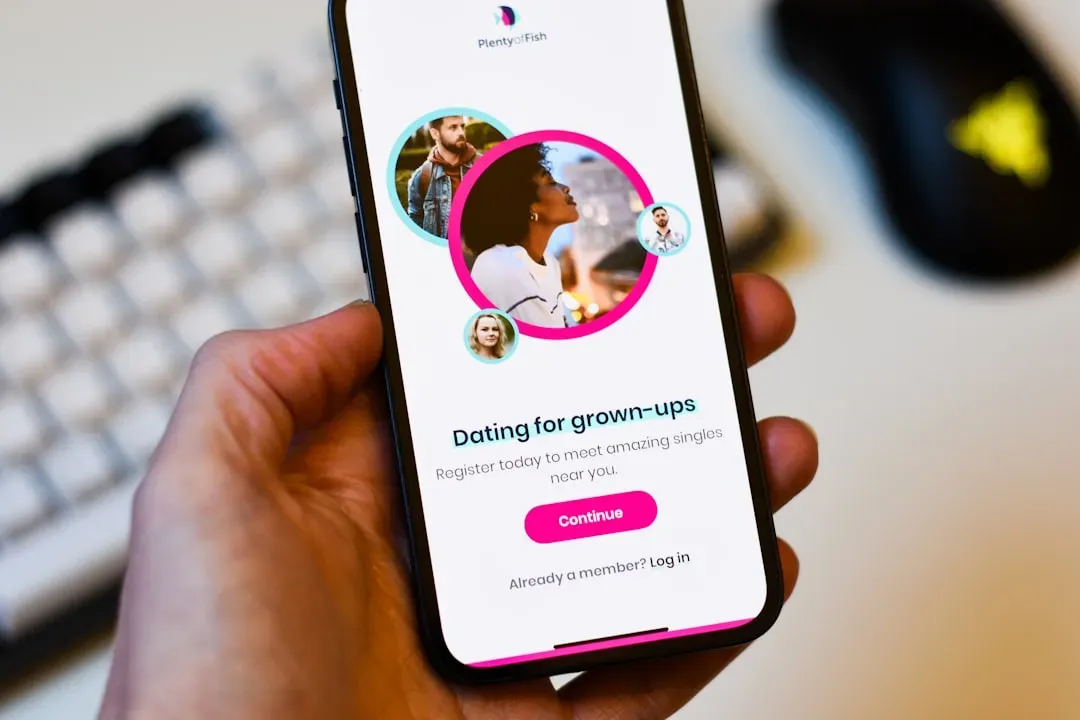
Gen Z’s approach to finding a partner has gone through its own upheaval, and it’s already circling back toward something more analog. Gen Z is the first generation to report widespread dating-app burnout, with 48 percent deleting all dating apps in 2024, and Hinge data showing 38 percent of Gen Z users feel more pessimistic about love after using them. That fatigue shows up in everyday attitudes too, with 56 percent of Gen Z adults saying it is harder to date now than for previous generations.
The interesting twist is where relationships actually start. Most Gen Z couples still meet offline, through friends, school, or work, rather than through apps. Combined with the fact that 57 percent of single Gen Z adults aged 18 to 29 are not actively looking for relationships or casual dates, the highest single-and-not-looking rate ever recorded for that age group, it paints a picture of a generation stepping back from the search rather than abandoning the goal.
None of this points to family life falling apart. It points to a generation renegotiating the order of operations, delaying some milestones, discarding others, and quietly inventing new ones that fit an economy and a culture their parents never had to navigate. Marriage still matters to most of them, children still matter to many, but the path there has gotten longer, more deliberate, and considerably more personal than the one before it.