
Grocery shopping seems like the most mundane task imaginable, yet it reveals more about a person than almost any other public errand. The way someone pushes a cart, handles produce, or waits in line says something quiet but unmistakable about their manners. Nobody's grading anyone on a report card, but other shoppers and store employees definitely notice.
Some habits are so ingrained that people don't even realize they're doing them. Others are just plain thoughtless, the kind of thing that makes a cashier sigh internally or a fellow shopper roll their eyes. Here are eight grocery store behaviors that, fairly or not, tend to leave a bad impression.
1. Abandoning a cart in the middle of the aisle
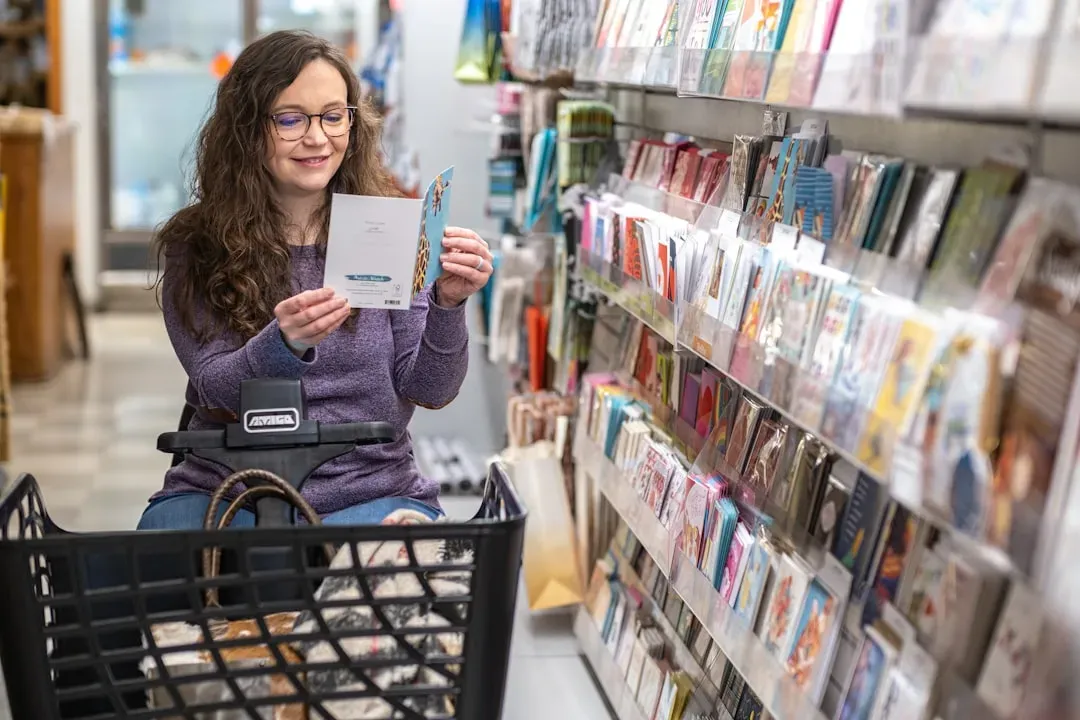
1. Abandoning a cart in the middle of the aisle (Image Credits: Unsplash)
Leaving a shopping cart parked sideways in the middle of a narrow aisle while wandering off to compare cereal brands is one of the most universally irritating habits in any store. It forces other shoppers to awkwardly squeeze past or wait, and it signals a total disregard for the fact that other people exist in the same space. A quick nudge to the side takes two seconds and saves everyone the hassle.
This habit tends to spike during peak hours, like weekend afternoons or right after work, when stores are busiest. Retail workers have long noted that aisle clutter, including stray carts, is one of the top complaints logged by customers in satisfaction surveys. It's a small thing, but it adds up fast when a store is crowded and everyone's trying to get in and out efficiently.
2. Squeezing produce and putting it back

2. Squeezing produce and putting it back (Image Credits: Pexels)
Testing an avocado for ripeness is normal. Repeatedly squeezing, poking, and bruising a dozen pieces of fruit before choosing one and tossing the rest back onto the pile is a different story entirely. It damages the produce for the next customer and often leads to unnecessary food waste, since bruised fruit gets marked down or thrown out.
Grocery chains lose a significant amount of revenue each year to produce damage, much of which happens before an item ever reaches checkout. The USDA has estimated that food loss at the retail level in the United States runs into the billions of dollars annually, and mishandled produce is a contributing factor. A gentle touch and a decisive choice go a long way toward keeping things fair for everyone else browsing the same bin.
3. Leaving items in the wrong section
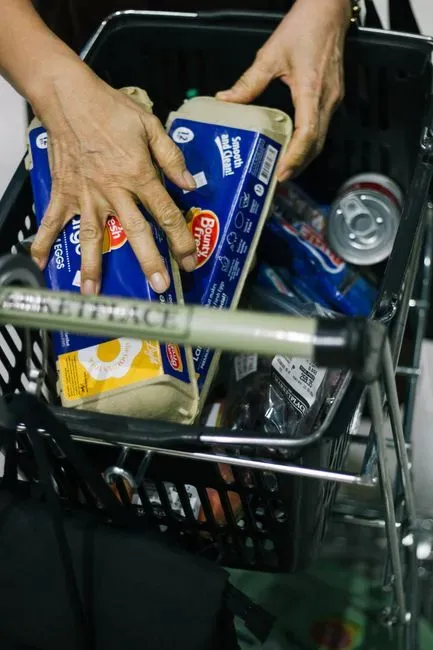
3. Leaving items in the wrong section (Image Credits: Pexels)
Changing your mind about the frozen pizza is completely fine. Leaving it on a shelf in the cereal aisle instead of walking it back to the freezer, or handing it to an employee, is where things get sloppy. Frozen and refrigerated items left in random spots spoil quickly and often have to be thrown out, which is a direct financial hit to the store.
Supermarkets have reported that misplaced perishables are a recurring source of shrinkage, the industry term for inventory loss. The National Retail Federation has tracked shrinkage as a persistent cost pressure for grocers in recent years, with spoilage and misplaced product cited as measurable contributors alongside theft. It only takes a moment to put something back where it belongs, and most stores have staff nearby happy to help if returning it personally feels inconvenient.
4. Talking loudly on the phone through checkout

4. Talking loudly on the phone through checkout (Image Credits: Pexels)
Holding a full conversation on speakerphone while the cashier is trying to ring up items, ask about bags, or mention a store promotion is a habit that reads as dismissive. It makes the transaction feel transactional in the worst sense, like the person on the other end of the phone matters more than the human being standing right in front of them. Cashiers have to repeat themselves, wait awkwardly, or just push through the interaction without the usual back and forth.
Retail worker surveys and workplace culture reports have repeatedly flagged phone use during customer service interactions as one of the more common frustrations employees deal with daily. It's not that a quick text or a glance at a phone is a big deal. It's the sustained, loud conversation that ignores the person doing the scanning that tends to leave an impression.
5. Not returning the cart
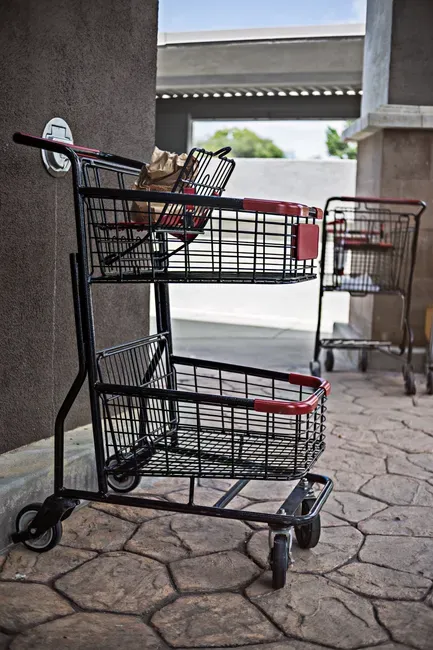
5. Not returning the cart (Image Credits: Pexels)
Leaving a shopping cart in the middle of a parking spot instead of walking it the short distance to a corral has become such a widely recognized behavior that it's earned its own nickname online: the "cart theory," used as an informal test of personal responsibility. There's no fine for skipping it and no employee standing there enforcing it, which is exactly why people point to it as a marker of character. It's a choice made purely because it's the right thing to do, not because anyone's watching.
Loose carts in parking lots also cause real damage, denting cars and occasionally causing accidents when they roll into traffic. Many grocery chains actually calculate cart retrieval as a labor cost, paying employees specifically to walk lots and gather stray carts throughout the day. Returning it takes maybe thirty extra seconds and avoids adding to that workload entirely.
6. Cutting in the express lane with a full cart
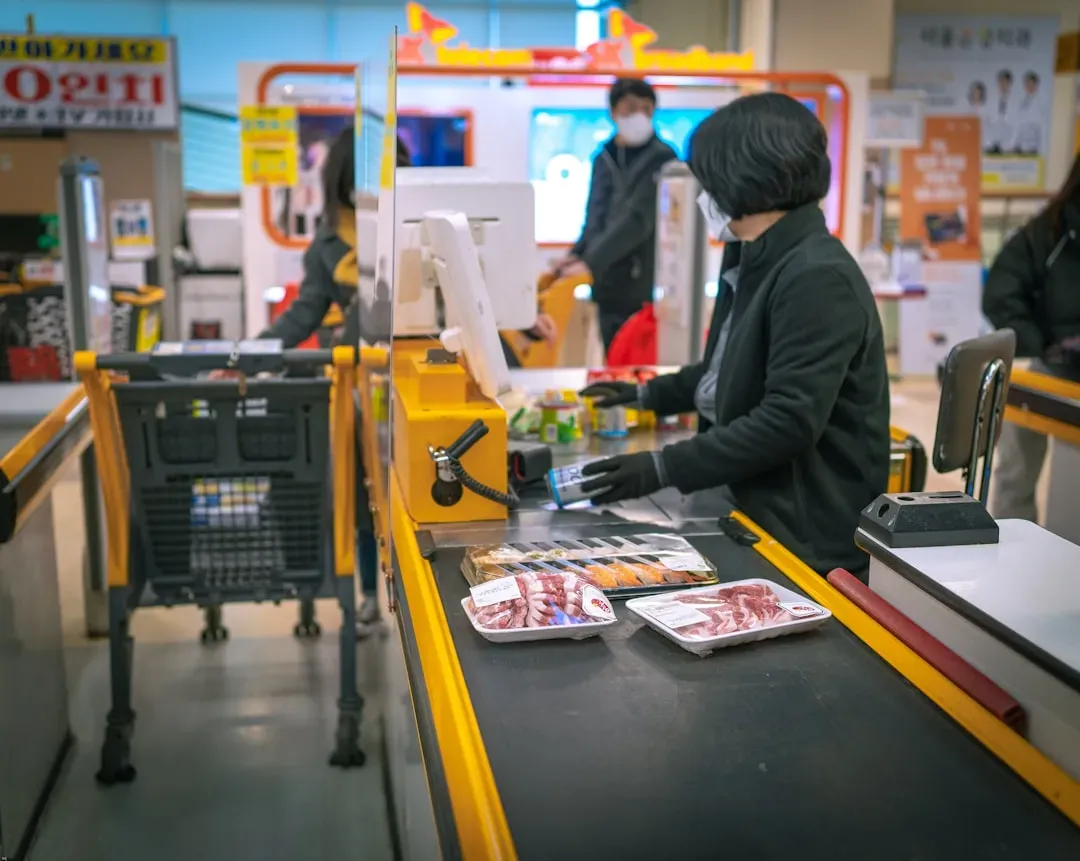
6. Cutting in the express lane with a full cart (Image Credits: Unsplash)
Express lanes exist for a reason, usually posted clearly with a sign reading something like "15 items or less" or "10 items or fewer." Rolling up with a cart stacked with groceries and acting oblivious to the posted limit holds up the line for everyone who followed the rule and just wanted a quick in and out. It's one of the fastest ways to draw quiet frustration from a line of strangers.
Grocery store layout studies have shown that express lanes significantly reduce average wait times for small purchases, but only when shoppers actually respect the item limits. When the system breaks down because of a few disregarded rules, the whole point of having a fast lane disappears. Most people don't say anything out loud, but the eye rolls are real.
7. Sampling food without paying

7. Sampling food without paying (Image Credits: Unsplash)
Opening a bag of grapes, popping a few in your mouth, and tying it back up before it reaches the checkout counter might feel harmless, but it's technically theft, and stores absolutely notice the pattern. Some retailers have started weighing produce bags more carefully or watching for it through loss prevention cameras. It's different from an official sample station, which is set up specifically for tasting.
Grocery theft, sometimes lumped under the broader shrinkage umbrella, has become enough of a concern that many chains have invested in additional security measures in the past couple of years, including locked cases and increased staffing near high theft items. Small-scale snacking might seem insignificant individually, but retailers have pointed to it as part of a broader pattern that adds measurable cost over time. If hunger strikes mid-shop, most stores have a bakery or deli counter willing to sell a single item outright.
8. Ignoring self checkout etiquette

8. Ignoring self checkout etiquette (Image Credits: Pexels)
Self checkout lanes move fast only when people know what they're doing, scan efficiently, and don't treat the machine like a personal obstacle course. Fumbling through fifty items, calling an attendant over for every minor hiccup, or blocking the lane while searching for a wallet slows down everyone waiting behind. These lanes were designed for speed, and ignoring that purpose defeats the whole system.
Self checkout adoption has grown substantially across major grocery chains in recent years, with many retailers expanding the number of self service kiosks to handle rising demand for faster transactions. That efficiency only works, though, when shoppers treat the lane with the same awareness they'd bring to a staffed register. A little patience and preparation, like having a payment method ready before scanning the last item, keeps the whole line moving.
None of these habits are crimes, and nobody's getting arrested for leaving a cart in a parking spot. Still, small moments of consideration, or the lack of it, tend to stick in people's minds longer than almost anything else about a store visit. The most polished version of grocery shopping isn't about designer bags or perfectly organized lists. It's just about noticing the people around you and acting like their time matters too.