
I didn't set out to make a big statement about food waste. It started with a fridge that looked like a crime scene of half-finished takeout containers, a wilting bag of spinach, and three separate Tupperwares I couldn't identify by smell alone. So I gave myself a rule: for seven days, no fresh cooking unless it involved turning something already made into something new. What happened over that week surprised me more than I expected, both in the kitchen and in my head.
The rules I set for myself
The rules I set for myself (Image Credits: Pexels)
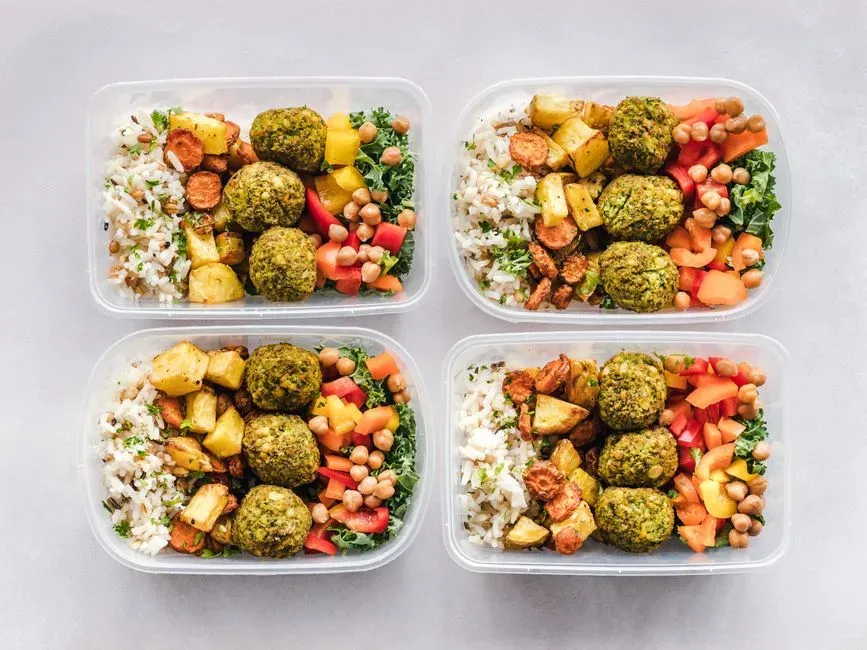
Before day one, I wrote down three simple boundaries. No ordering takeout, no buying new groceries except basics like eggs or bread, and every meal had to include at least one item that had already been cooked once before. That last rule turned out to be the hardest to follow honestly, because it's tempting to call a fresh salad a "leftover meal" just because the chicken on top was from Tuesday.
I also decided to track what I threw away, if anything, since that felt like the real measure of whether this experiment meant anything. Most weeks I'd guess I toss out a container or two without thinking twice. This time I wanted a number, not a guess.
What my fridge looked like before I started
What my fridge looked like before I started (Image Credits: Unsplash)
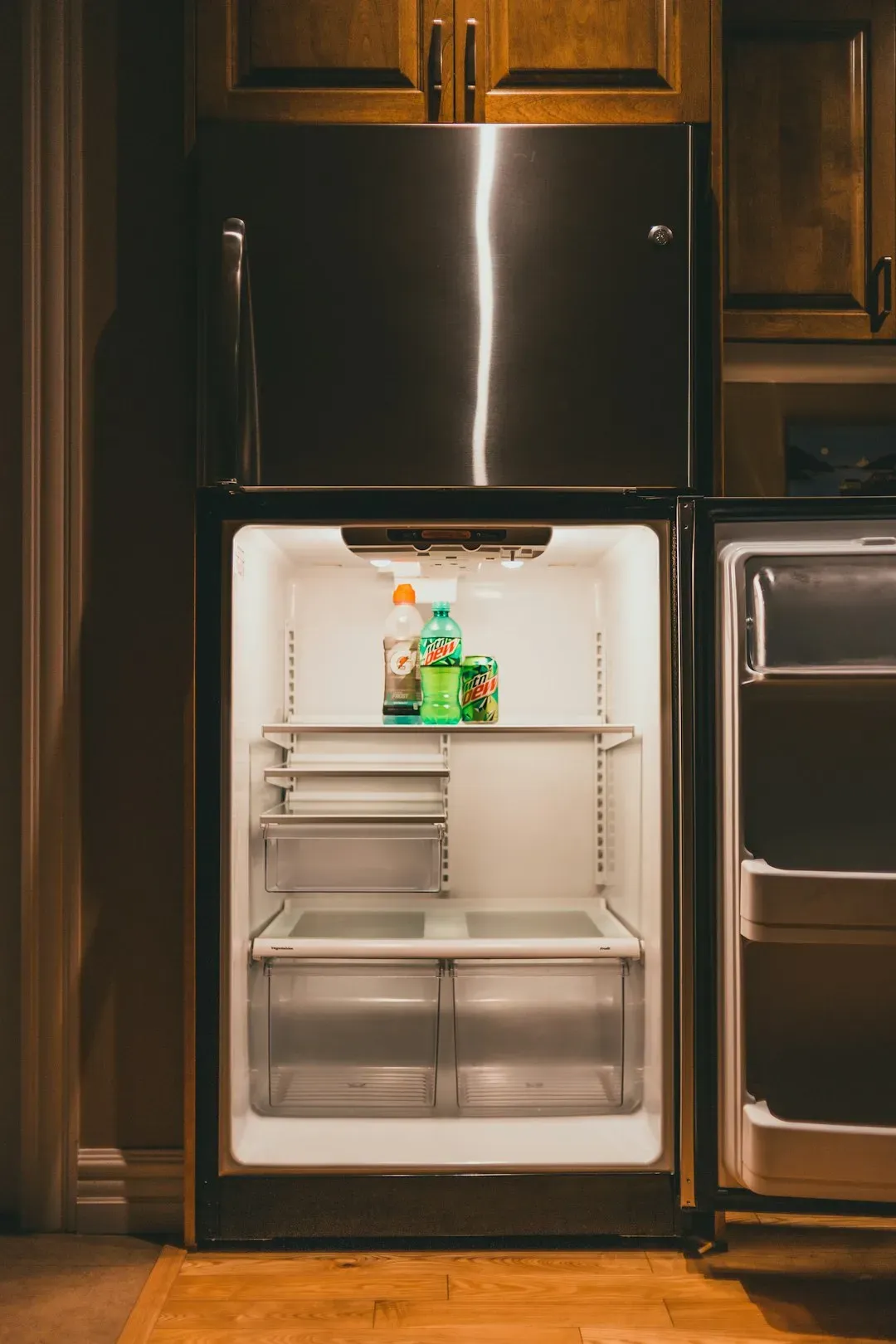
My starting inventory was almost embarrassing. There was a half tray of roasted vegetables from a dinner party, a container of rice that had been pushed to the back for what looked like several days, and some soup that I genuinely could not date. None of it was spoiled, as far as I could tell, but none of it had been touched either.
That kind of pileup isn't unusual. Household food waste accounts for 40 to 50 percent of all food wasted in the United States, amounting to about 26.5 million tons of food waste every year. Looking at my own shelves, it wasn't hard to believe I was contributing my small share to that pile.
The grocery bill told a story I didn't expect

The grocery bill told a story I didn't expect (Image Credits: Unsplash)
By Wednesday, I realized I hadn't been to the grocery store at all, and my usual mid-week impulse buys just weren't happening. That's when the money side of this started to click for me. The average American family of four loses about $1,500 a year to uneaten food, and some estimates push that figure even higher depending on the source and year.
One report from the EPA put the number even more precisely, noting that the cost of food waste to each U.S. consumer is about $728 per year, which works out to $2,913 annually for a household of four, or roughly $56 a week. Fifty six dollars a week is not pocket change. Seeing that number while I was actively eating down my own stockpile made the abstract statistic feel a lot more personal.
Relearning food safety basics

Relearning food safety basics (Image Credits: Pexels)
About halfway through the week, I got nervous about a container of chili that had been sitting for what felt like too long. So I actually looked up the guidelines instead of trusting my nose, and it turns out there's a fairly firm rule most people already half-know but rarely follow precisely. Leftovers can be kept in the refrigerator for three to four days or frozen for three to four months.
The bigger risk, according to food safety guidance, isn't usually the fridge time itself but what happens before food gets there. Within two hours of cooking food or after it's removed from an appliance keeping it warm, leftovers must be refrigerated, and perishable foods left at room temperature for more than two hours should be thrown away, or after just one hour if the temperature is above 90°F. I'd been sloppier about that two hour window than I wanted to admit, especially after big dinners where dishes sit out while everyone lingers at the table.
The freezer became my secret weapon
The freezer became my secret weapon (Image Credits: Unsplash)
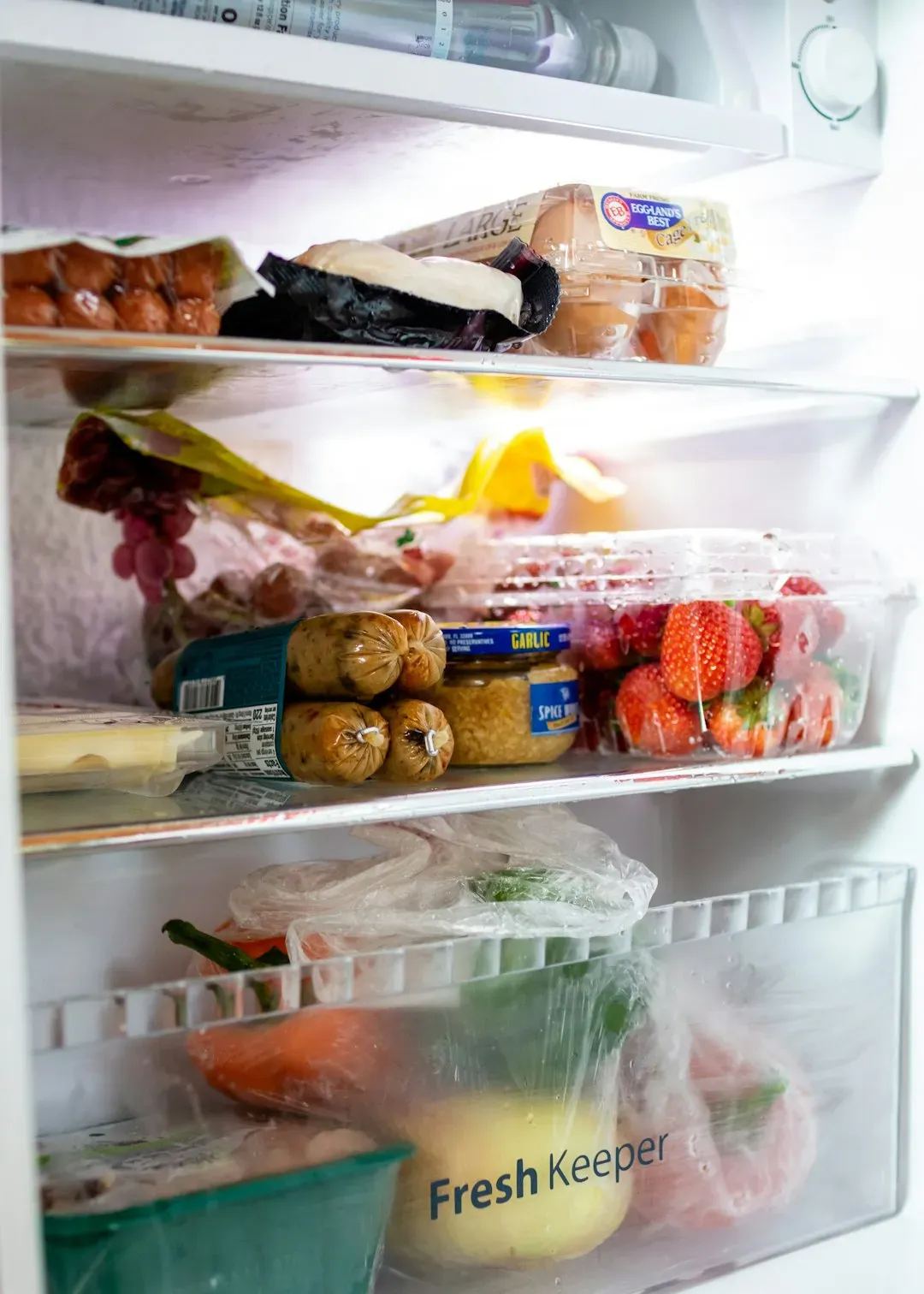
Somewhere around day four, I stopped thinking of the freezer as a place where food goes to be forgotten and started treating it like a pause button. A portion of soup that wasn't going to get eaten in time went straight into a container instead of the trash. That single habit shift probably saved more food that week than anything else I did.
It also lines up with what food safety agencies actually recommend. After cooking raw foods which were previously frozen, it is safe to freeze the cooked foods, and if previously cooked foods are thawed in the refrigerator, the unused portion can be refrozen, as long as it's frozen within three to four days. Once I understood that the freezer wasn't a one way trip, I stopped feeling guilty about portioning things out for later instead of forcing myself to finish everything at once.
Texture and taste: what actually holds up

Texture and taste: what actually holds up (Image Credits: Unsplash)
Not everything reheats well, and this week made that obvious in ways I hadn't paid close attention to before. Roasted vegetables turn a little sad on the second day, soft where they used to be crisp, but stews and curries actually taste better after a day or two once the flavors settle. Rice was a mixed bag depending on how it was reheated, and dry, crumbly reheats were almost always a sign I'd skipped adding any moisture back in.
I also learned that reheating temperature matters more than I'd realized for both safety and taste. When thawing or reheating leftovers in a microwave, food should be heated until it reaches 165°F as measured with a food thermometer. A cheap food thermometer, which I bought on day two, ended up being the most useful five dollars I spent all week.
The mental shift: from chore to challenge

The mental shift: from chore to challenge (Image Credits: Unsplash)
By the middle of the week, something changed in how I approached dinner. Instead of asking "what do I want to eat," I started asking "what needs to be used," and oddly enough that made cooking more interesting, not less. Combining half a container of roasted squash with leftover rice and an egg on top felt more like solving a small puzzle than following a recipe.
That reframing seems to matter more broadly too. Research on household behavior suggests educational interventions targeting consumers can reduce food waste by roughly 10 to 25 percent. A week of forced attention to what was already in my fridge functioned like a crash course in exactly that kind of awareness.
The environmental math behind the plate

The environmental math behind the plate (Image Credits: Pexels)
I hadn't planned on thinking about climate impact when I started this, but the numbers are hard to ignore once you start looking. Food is the single largest category of material entering U.S. landfills, where it produces methane, a greenhouse gas roughly 80 times more potent than CO2. Every container I emptied instead of tossed felt like a very small, very unglamorous way to chip away at that.
On a larger scale, the picture is genuinely staggering. The United States discards more food than any other country in the world, nearly 60 million tons, or 120 billion pounds, every year, which is estimated to be almost 40 percent of the entire US food supply. I'm not naive enough to think one week of careful eating solves anything at that scale, but it did make the scale feel less abstract.
The moments I almost caved

The moments I almost caved (Image Credits: Unsplash)
There were at least two evenings where ordering delivery felt like the obviously easier choice. One was a long work day when the idea of reheating anything, even something good, sounded exhausting. The other was a Friday night when everyone else's plans seemed to involve restaurants and I felt a little left out of the fun.
Both times, what kept me on track wasn't willpower exactly, it was more that I'd already committed to tracking the week honestly, and caving felt like it would undercut the whole point. Takeout culture is genuinely everywhere now, and restaurants themselves aren't immune to the waste problem either. The restaurant industry spends an estimated $162 billion every year in costs related to wasted food, which made ordering in feel a little less like an escape from waste and more like a different flavor of the same issue.
How my shopping habits shifted after day seven

How my shopping habits shifted after day seven (Image Credits: Unsplash)
Once the week ended, I noticed I didn't immediately go back to my old grocery routine. I found myself buying smaller quantities of fresh produce and being more deliberate about cooking in portions that actually matched how many meals I'd realistically eat before things went bad. It's a small change, but it's stuck for a few weeks now, which is longer than most of my kitchen resolutions usually last.
I also started keeping a running mental note of what's in the fridge before I shop, instead of shopping first and figuring out storage later. It sounds obvious written out like that, but it wasn't something I did consistently before. The habit feels less like a diet and more like just paying attention, which might be the actual lesson buried in all of this.
What the week actually changed
What the week actually changed (jbloom, Flickr, <a href="https://creativecommons.org/licenses/by/2.0/" target="_blank" rel="noopener">CC BY 2.0</a>)
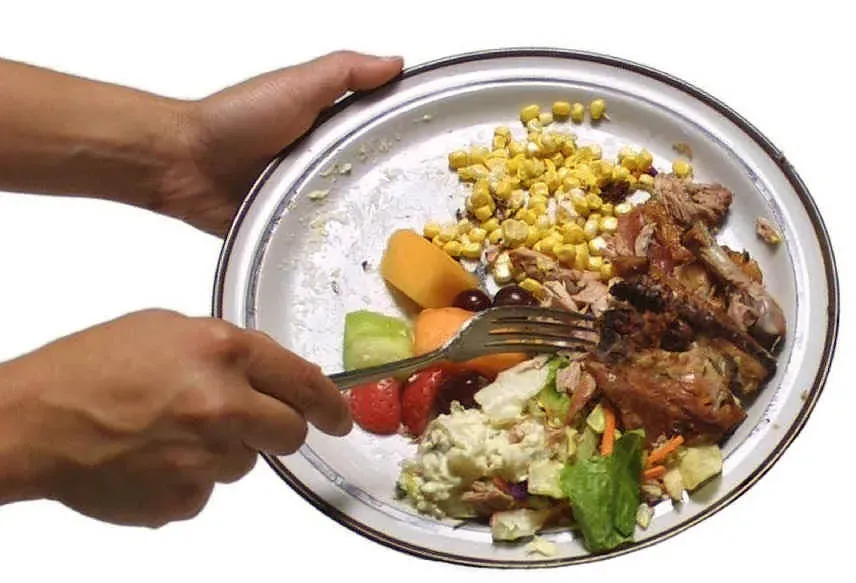
I didn't lose weight or discover some miracle system, and I want to be honest about that. What changed was smaller and more practical: I throw away noticeably less food now, I trust my own judgment about what's still good, and I don't panic-order dinner the way I used to on tired nights. The fridge still gets a little messy sometimes, but it empties out before things go bad, which is really the whole point.
If there's one thing worth carrying forward from all this, it's that leftovers were never really the problem. Ignoring them was. A week of paying attention didn't fix my relationship with food overnight, but it nudged it in a direction that feels worth sticking with.