
Confidence in children rarely shows up as loud bragging or fearless swagger. More often, it looks like a kid who tries again after messing up, who speaks up in class without shrinking, or who tackles a new challenge without needing constant reassurance. Psychologists who study child development consistently point back to one thing that shapes this trait more than almost anything else: the words kids hear from the adults around them, repeated daily until they become the voice inside their own heads.
What follows isn't a script to recite word for word. It's a look at the everyday phrases that tend to show up in homes where kids grow into self-assured, resilient people, along with the reasoning behind why each one matters.
1. "I believe you can figure this out"
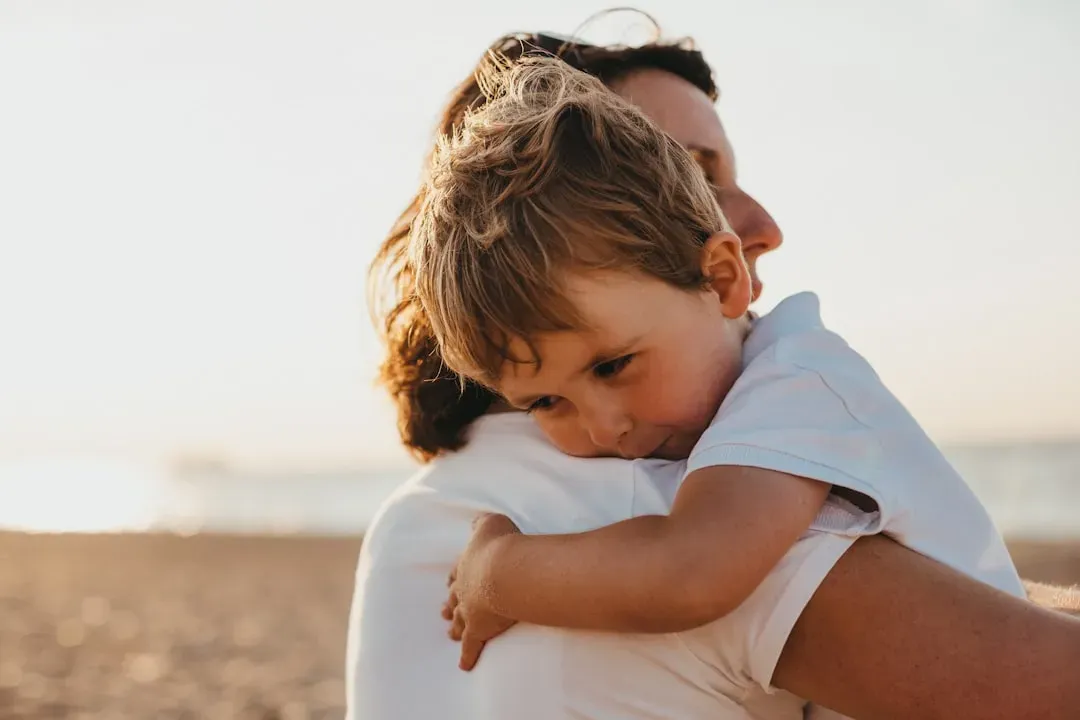
1. "I believe you can figure this out" (Image Credits: Unsplash)
This phrase does something subtle but powerful. Instead of jumping in to solve a problem, a parent who says this is signaling trust in the child's own capability. Developmental psychologists often describe this as scaffolding autonomy, giving kids just enough support to keep trying without doing the thinking for them.
Kids who hear this regularly tend to develop what researchers call an internal locus of control, the sense that their effort and choices actually matter to the outcome. Over time, this reduces the instinct to give up at the first sign of difficulty. It also teaches patience with frustration, since the child learns that struggling with something hard is a normal part of the process rather than a sign of failure.
2. "I noticed how hard you worked on that"
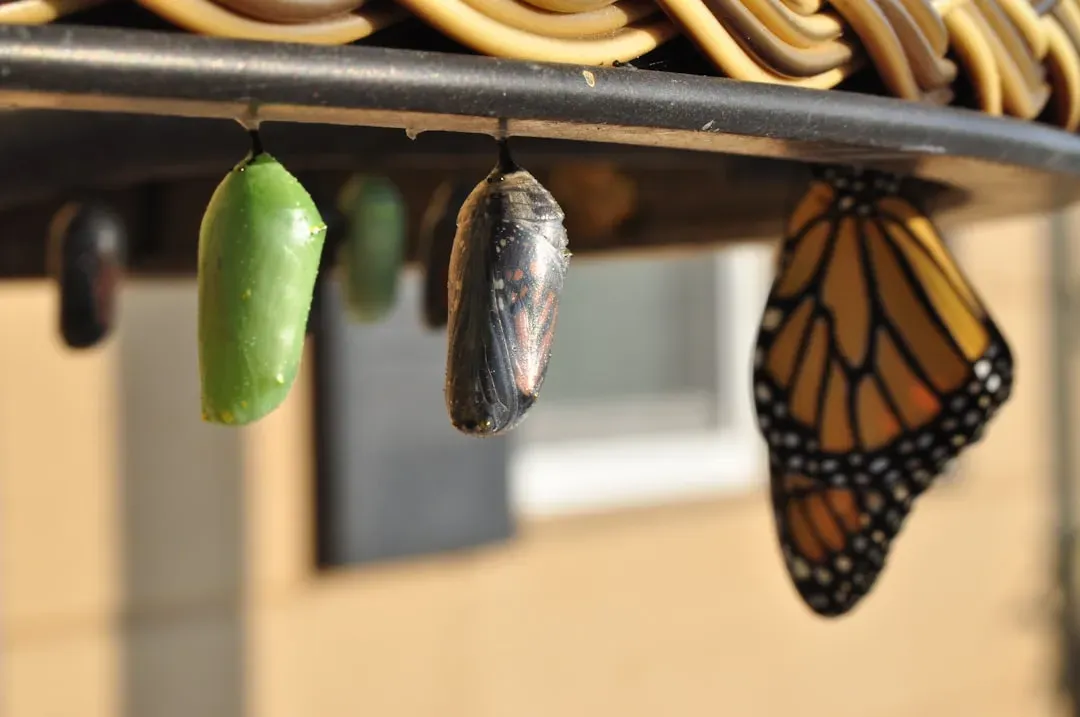
2. "I noticed how hard you worked on that" (Image Credits: Unsplash)
This one is closely tied to the growth mindset research popularized by psychologist Carol Dweck at Stanford University. Her work found that praising effort and strategy, rather than innate talent, encourages kids to embrace challenges instead of avoiding them out of fear of looking less "smart." A child told they worked hard is more likely to try a harder puzzle next time than one told they're simply brilliant.
The distinction matters because talent-based praise can quietly create pressure to always look effortless, which discourages risk-taking. Effort-based recognition, on the other hand, reinforces the idea that improvement comes from practice and persistence. Kids raised on this kind of feedback often become more comfortable with setbacks, viewing them as data rather than defeat.
3. "It's okay to make mistakes"
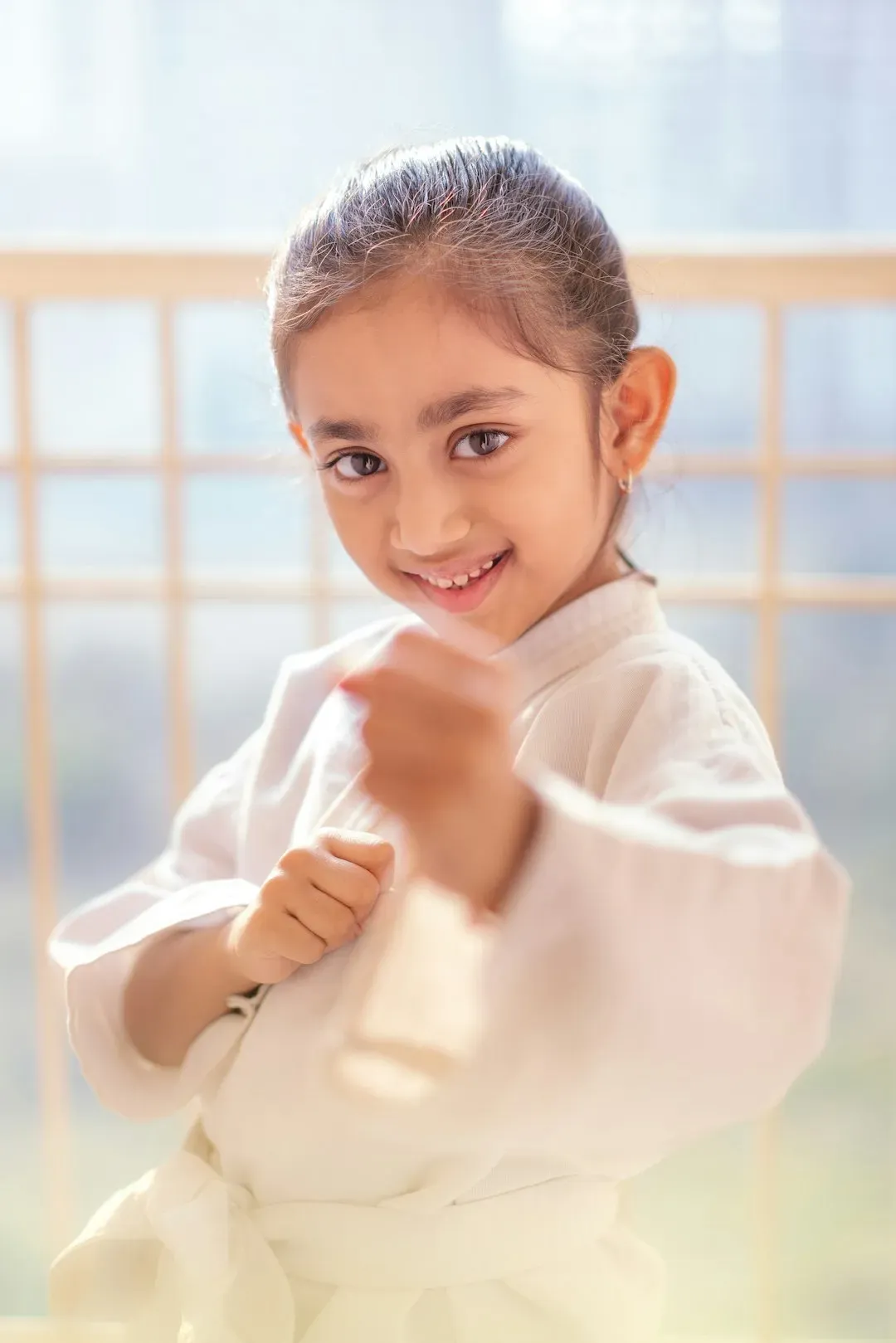
3. "It's okay to make mistakes" (Image Credits: Unsplash)
Confident kids aren't the ones who never fail. They're the ones who don't fall apart when they do. Hearing this phrase regularly helps children separate their self-worth from their performance, which is a distinction many adults still struggle with themselves.
Child psychologists note that kids who grow up in homes where mistakes are treated as learning opportunities, rather than sources of shame, tend to take more academic and social risks. They raise their hand even when unsure of the answer. They try out for the team even if they might not make it. This willingness to be imperfect in public is, somewhat counterintuitively, one of the clearest markers of genuine self-assurance.
4. "What do you think?"
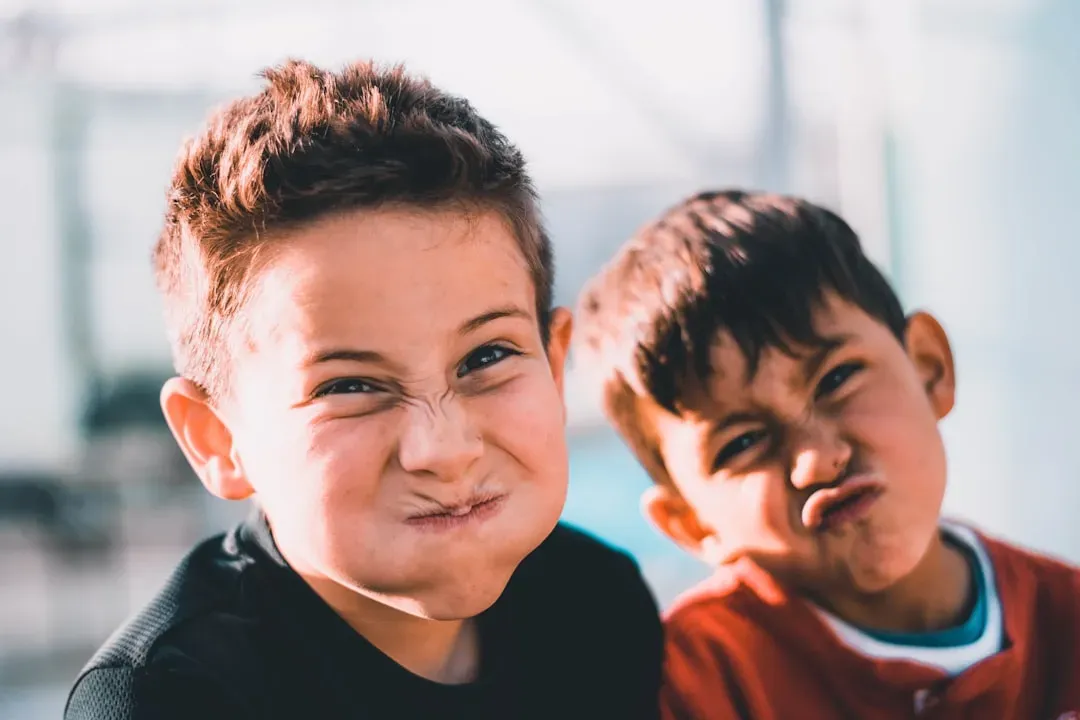
4. "What do you think?" (Image Credits: Unsplash)
Asking a child's opinion, even on small everyday decisions, communicates something important: their perspective has value. This doesn't mean handing over control of every decision, but it does mean regularly inviting kids into the thinking process rather than only issuing instructions.
Family therapists often point out that children who are asked this question consistently develop stronger decision-making skills earlier. They practice weighing options, articulating reasoning, and living with the results of their own choices in low-stakes settings. That practice builds the confidence to voice opinions later in higher-stakes situations, like disagreeing respectfully with a teacher or standing firm with peers.
5. "I love you no matter what"

5. "I love you no matter what" (Image Credits: Pexels)
Unconditional acceptance is one of the most researched pillars of secure attachment, a concept rooted in decades of developmental psychology dating back to the work of John Bowlby and later expanded by researchers studying parent-child bonds. Kids who feel loved regardless of grades, behavior, or performance tend to develop a stable sense of self that isn't constantly seeking external validation.
This doesn't mean the absence of accountability or consequences for poor choices. It means separating the child's worth from their mistakes, so a bad test score or a lost game doesn't translate into feeling less valuable as a person. That stability becomes a kind of emotional home base kids can return to, which frees them up to take social and academic risks without fear that failure will cost them love.
6. "You handled that well"
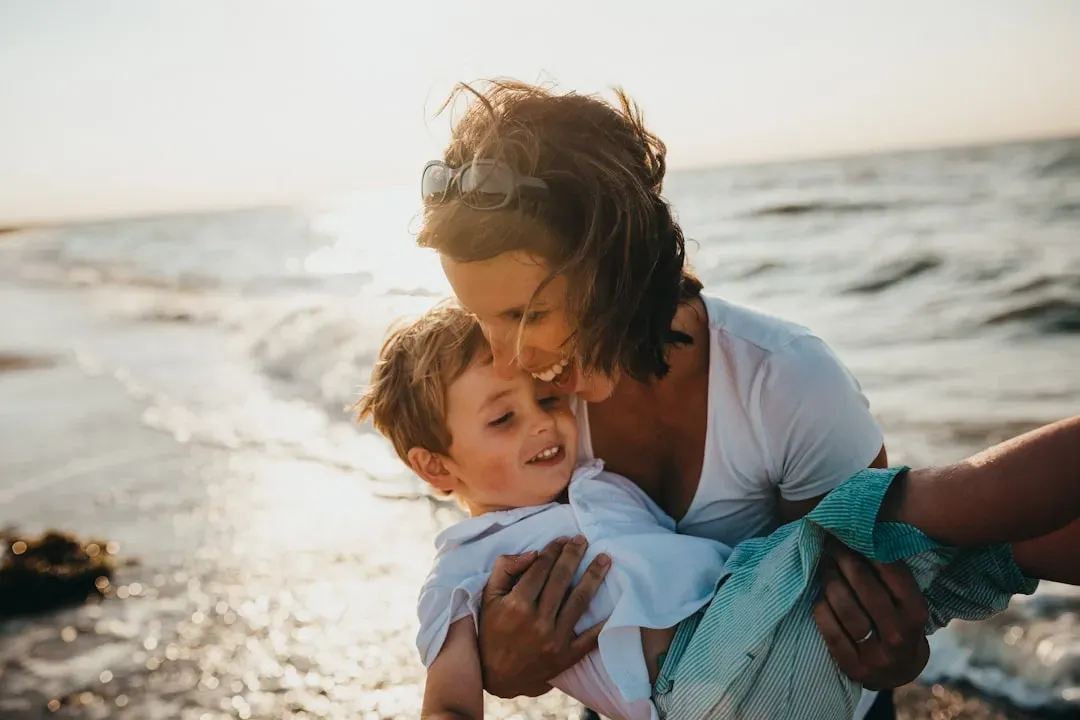
6. "You handled that well" (Image Credits: Unsplash)
Specific, behavior-focused feedback teaches kids to recognize their own strengths in real time. Rather than vague praise like "good job," this phrase points to an actual action, whether it's staying calm during a disagreement, sharing a toy without being asked, or trying a new food. That specificity helps children build a clearer internal map of what they're actually good at.
Over time, this kind of feedback becomes something kids start giving themselves. They begin narrating their own successes internally, which is a habit closely linked to self-efficacy, the belief in one's own ability to handle what comes next. Confidence, at its core, often comes down to this quiet internal narration built from years of hearing it said out loud first.
Confidence isn't installed in a single conversation or a clever parenting trick. It builds slowly, through thousands of small daily exchanges that either affirm a child's capability or chip away at it. The six phrases above aren't magic words, but they represent patterns backed by real developmental research, patterns that consistently show up in the everyday language of families raising kids who trust themselves.