
There's a particular kind of excitement that comes with planning a room refresh. New paint colors, a different sofa layout, maybe finally getting that gallery wall you've been pinning for years. But here's what most design shows skip over: the actual work that makes a redecorated space feel different starts with what you remove, not what you add.
Skipping straight to shopping often means layering pretty new things on top of the same underlying clutter, and the room ends up feeling only slightly better instead of genuinely transformed. Before any paint swatches or furniture catalogs come out, there's a specific order of clearing that tends to make the biggest difference.
1. Expired or unused kitchen gadgets and containers
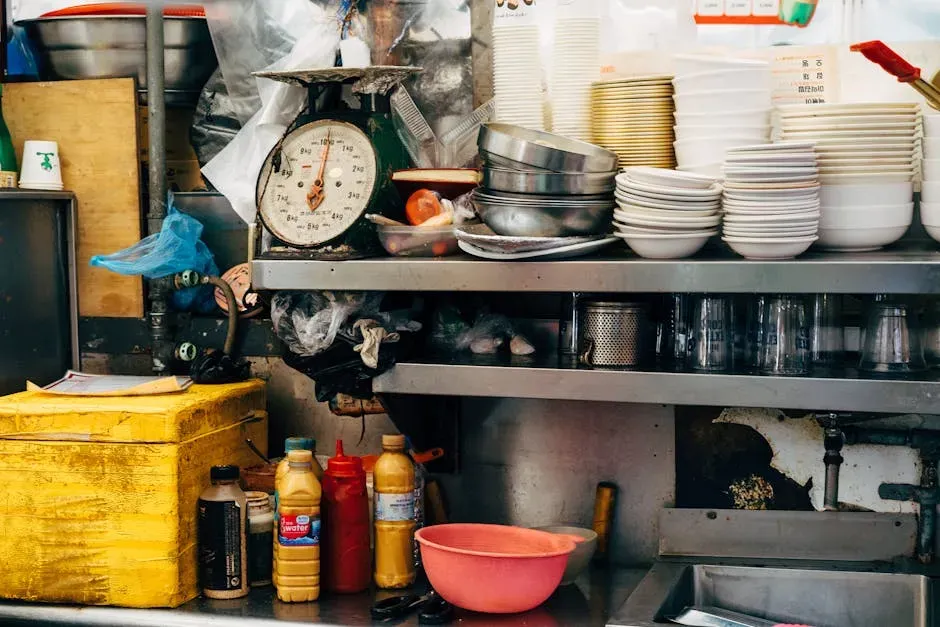
1. Expired or unused kitchen gadgets and containers (Image Credits: Pexels)
Kitchens accumulate specialty tools fast. Think about the avocado slicer, the egg separator, or the three mismatched sets of food storage containers with missing lids. Most people use a small fraction of their kitchen tools regularly, and the rest just take up drawer and cabinet space that could otherwise stay organized.
Before redecorating a kitchen or even swapping out cabinet hardware, pull everything out and sort by actual use. Anything not touched in the last year, plus any container without a matching lid, is a strong candidate to go. This step alone often frees up enough space that people reconsider needing extra storage furniture at all.
2. Old paperwork and mail piles

2. Old paperwork and mail piles (Image Credits: Pixabay)
Paper clutter is sneaky because it accumulates in small increments, a bill here, a flyer there, until a countertop or console table disappears under it. Redecorating around a paper pile just means the new furniture gets buried too. Financial and organizing experts consistently point to unsorted mail and outdated documents as one of the most common sources of visual clutter in shared living spaces.
A simple system helps more than a single big purge. Setting up a shred pile, a file pile, and a recycle pile, then sticking with it going forward, prevents the same mess from returning within weeks of a redecorating project wrapping up.
3. Clothes that no longer fit or get worn
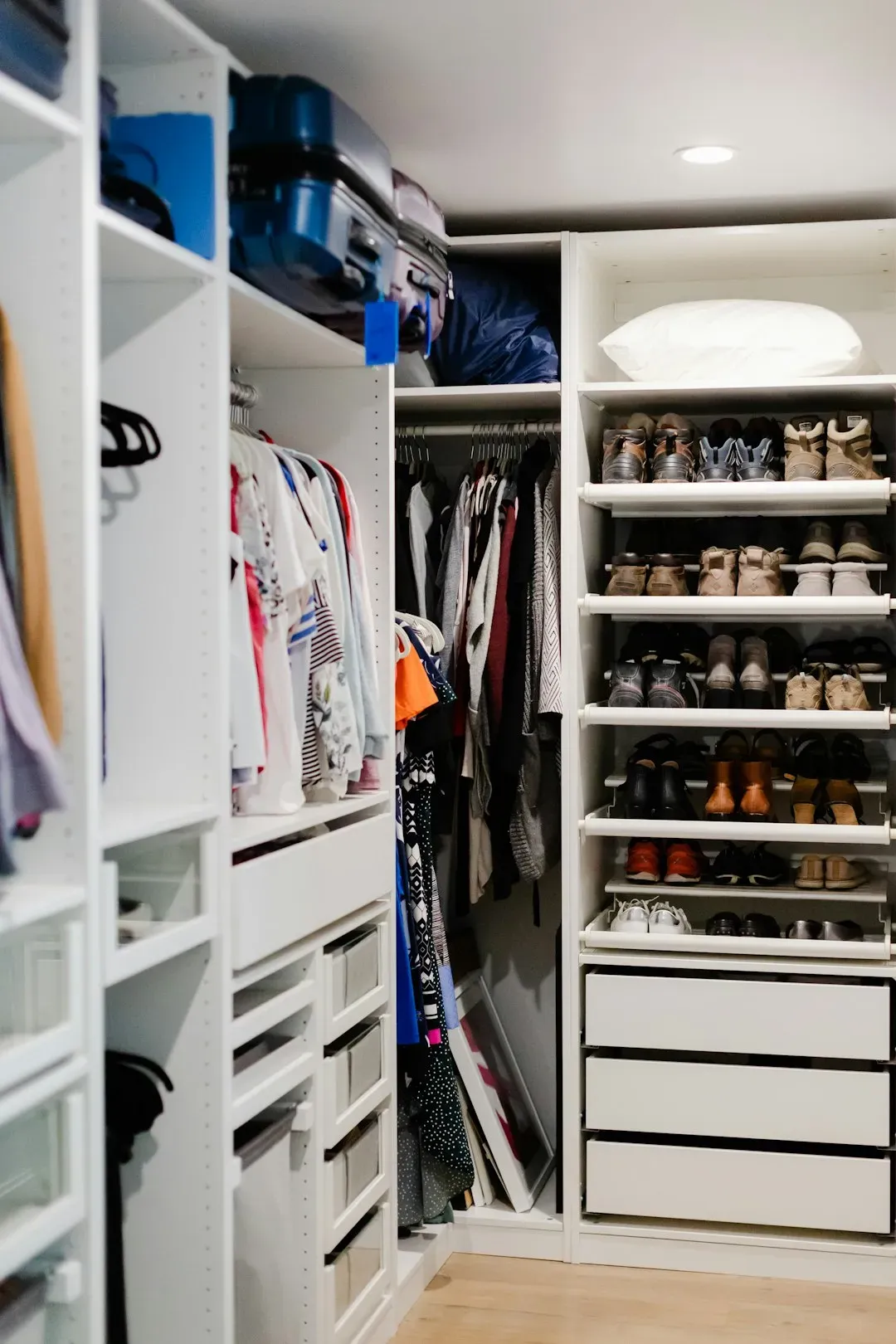
3. Clothes that no longer fit or get worn (Image Credits: Unsplash)
Bedrooms and closets are often the first rooms people want to redecorate, yet closets are also where clutter hides most effectively behind closed doors. Clothing that no longer fits, hasn't been worn in over a year, or was kept "just in case" takes up hanging and shelf space that a redesign can't fix. Environmental Protection Agency data has shown that textile waste in the United States runs into the millions of tons annually, a reminder that clothing turnover is a bigger issue than most closets suggest.
Sorting clothes into keep, donate, and repair piles before buying new closet organizers or dressers makes far more sense than organizing clutter neatly. A leaner wardrobe also means any new closet system actually has room to function as intended, rather than being overstuffed on day one.
4. Duplicate or broken home décor items

4. Duplicate or broken home décor items (Image Credits: Pexels)
It's common to own three sets of picture frames, several half-burned candles, or decorative items that no longer match a home's style but never quite got thrown out. These pieces often get shoved into a bin "for later" and then reappear during a redecorating project, competing for space with the new items being brought in. Holding onto broken or duplicate décor rarely saves money in practice since most of it stays unused in storage.
Going through decorative items honestly, keeping only what still fits the intended style or serves a real purpose, prevents the classic problem of a newly redecorated room slowly filling back up with the same old stuff. This is also a natural point to donate items that are still functional but no longer wanted.
5. Furniture that no longer fits the space or lifestyle
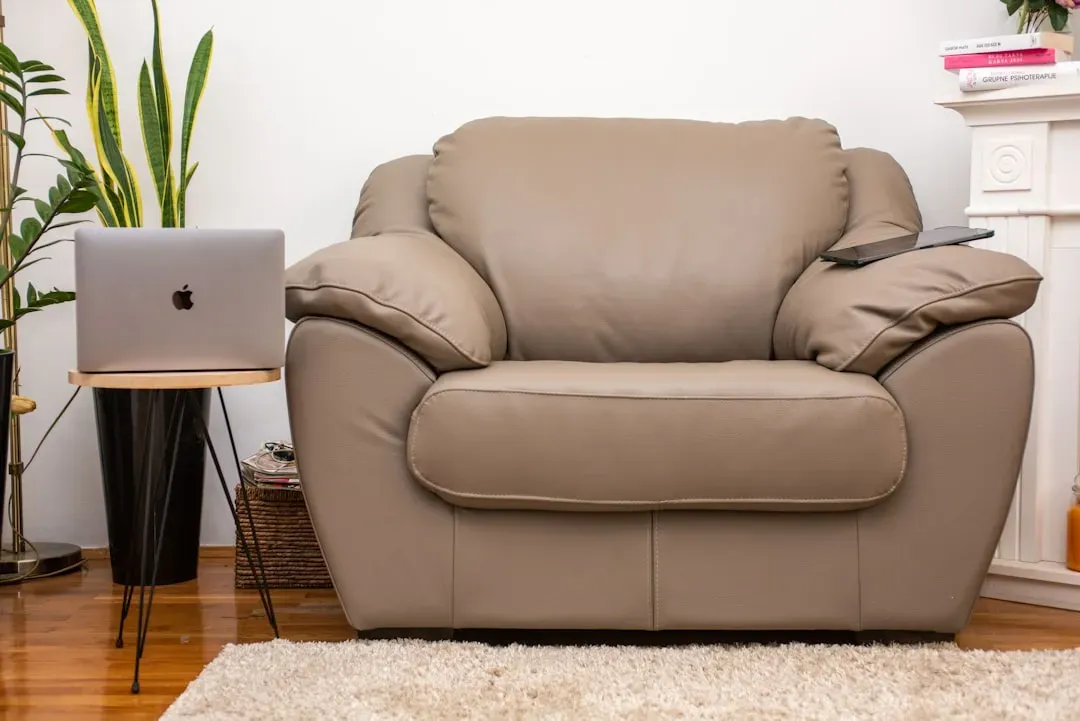
5. Furniture that no longer fits the space or lifestyle (Image Credits: Unsplash)
A bulky armchair that was perfect for a previous apartment layout might be the exact reason a new room feels cramped. Interior designers often note that oversized or mismatched furniture is one of the fastest ways to make even a freshly painted room look unfinished. Redecorating plans frequently fail simply because people try to work around a piece of furniture instead of asking whether it still belongs.
Measuring the new layout first, then comparing it against existing furniture dimensions, helps identify what to sell, donate, or repurpose elsewhere in the home. Letting go of furniture that no longer suits the space, rather than shifting it from room to room, gives a redecorating project a genuinely clean starting point.
6. Digital clutter tied to the home, like old photos and files
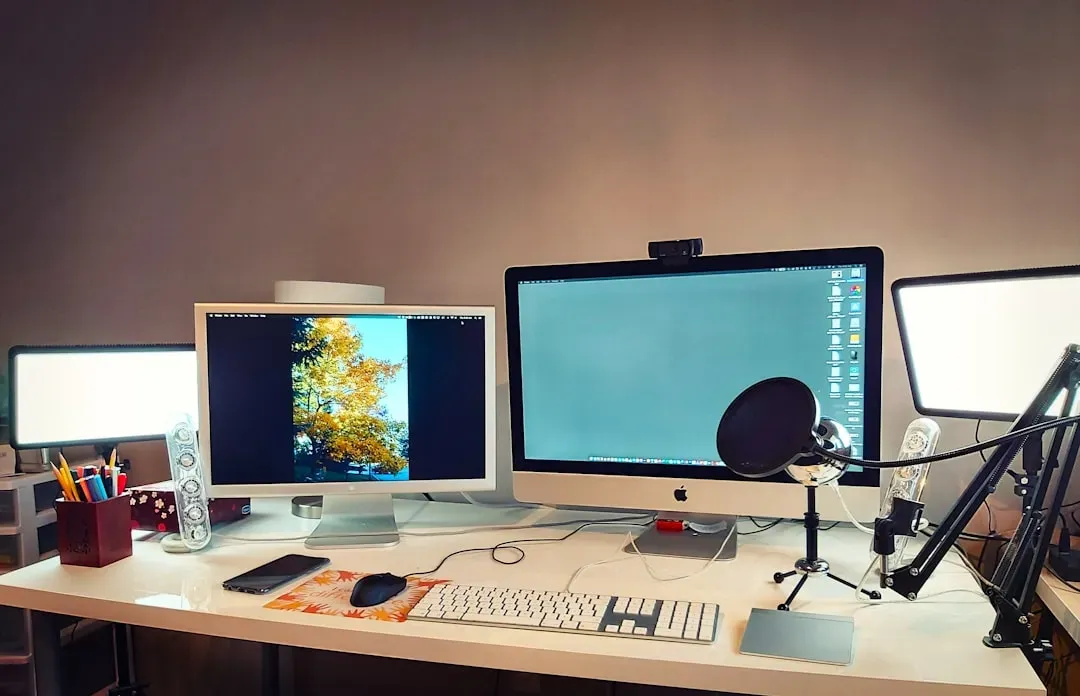
6. Digital clutter tied to the home, like old photos and files (Image Credits: Unsplash)
This one is less obvious but increasingly relevant. Home redecorating in 2025 and 2026 often includes updating smart displays, digital photo frames, and shared family cloud storage, and all of that runs more smoothly without years of unsorted screenshots and duplicate photos clogging things up. Studies on digital clutter have linked overflowing photo libraries and files to added mental fatigue, similar to the effect of physical clutter.
Clearing out duplicate photos, expired app subscriptions tied to smart home devices, and old backup files before installing new tech in a redecorated space keeps things functional rather than frustrating. It also makes setting up new devices, like a redesigned home office or media wall, noticeably faster.
7. Sentimental items kept out of guilt rather than meaning
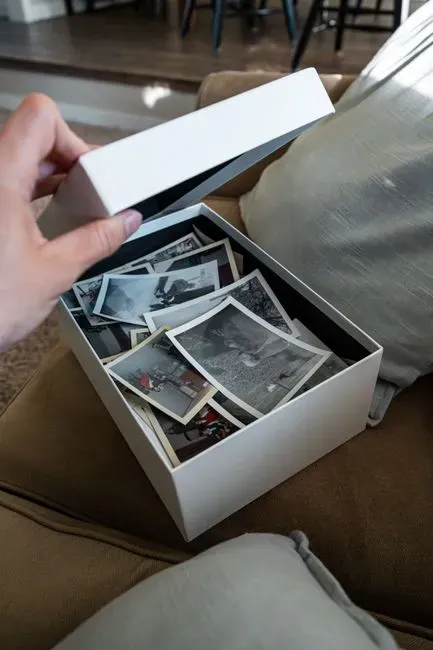
7. Sentimental items kept out of guilt rather than meaning (Image Credits: Pexels)
Every home has a version of this category: gifts never used, inherited items with no real emotional pull, or keepsakes kept because throwing them away feels wrong. Professional organizers frequently describe guilt-based clutter as one of the hardest categories to clear, precisely because the decision feels emotional rather than practical. Left unaddressed, these items tend to get tucked into whatever new storage a redecorated room offers, taking up space without adding value.
Separating genuine sentimental value from simple obligation is worth doing slowly, and it's fine to take breaks during this step. Keeping a small, meaningful collection rather than an overwhelming one tends to make a redecorated space feel more intentional and lived-in, rather than just newly decorated on the surface.
Redecorating a room is ultimately about creating space, both visually and physically, for a life that's changed since the last time that room was set up. Clearing these seven categories first doesn't just make the painting or furniture shopping easier. It tends to reveal what a space actually needs, which is often less than people expect walking in.