
There was a time when tipping felt predictable. You tipped your server, maybe your barber, and that was about it. Somewhere along the way, that quiet arrangement expanded into something much bigger, and now a screen seems to ask for a gratuity at nearly every transaction, whether a person actually served you or not.
The shift has been fast enough that most people can point to the exact moment they noticed it. A Pew Research Center survey found that three out of four Americans believe tipping is expected in more places than it used to be. Below are ten specific settings where that expectation has taken hold, some more justified than others.
1. Coffee shops and cafés
1. Coffee shops and cafés (Image Credits: Unsplash)
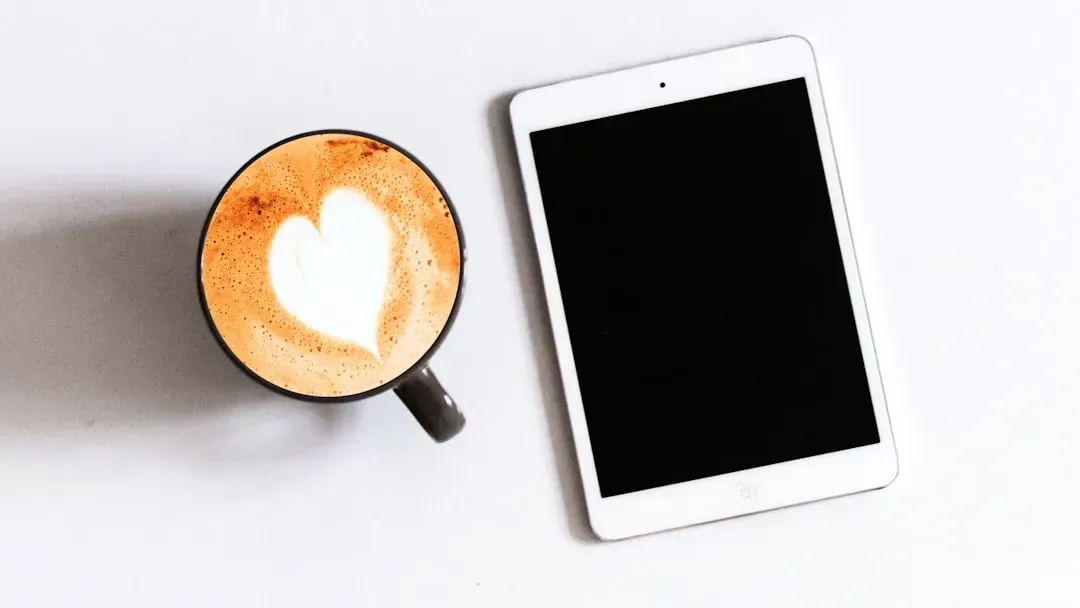
Ordering a latte used to mean handing over cash and maybe dropping a quarter in a jar. Now the tablet spins around before you’ve even paid, and the buttons rarely start low. Reporting on the shift noted that three tip options glared back: 18%, 22%, 25%, for a $3.50 latte that took thirty seconds to make.
The pushback has been loud, but the prompts keep showing up anyway. Even so, actual behavior tells a different story than the screens suggest. Pew’s data shows only a small share of people follow through, with just 12% at fast-food and 13% at coffee shops saying they always or often tip in that setting.
2. Self-checkout kiosks
2. Self-checkout kiosks (Image Credits: Pexels)
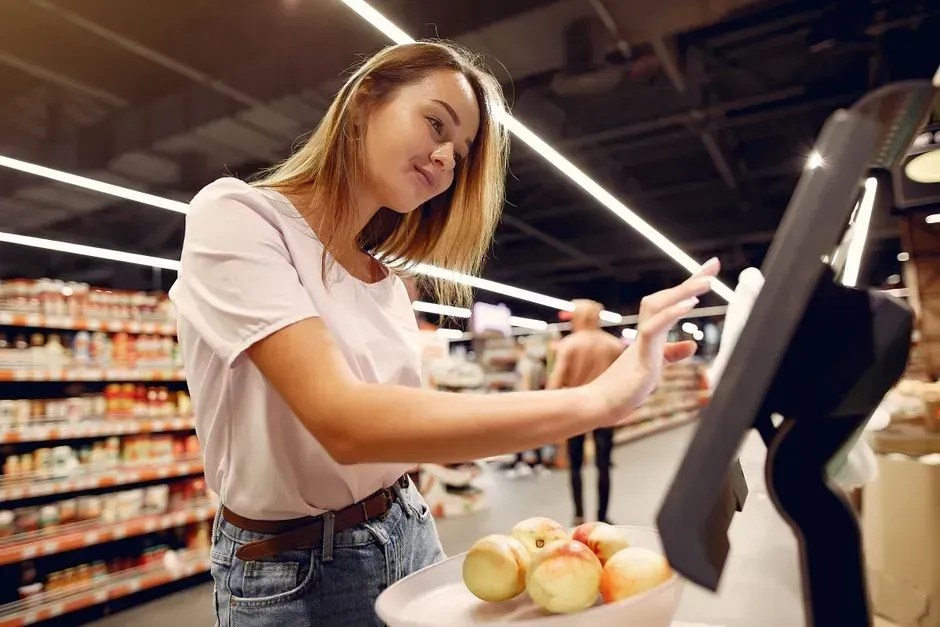
This is the one that tends to catch people off guard the most, and understandably so. You’re scanning your own groceries, bagging your own items, and somehow the machine still wants a gratuity. One writer described the moment plainly, noting she’d just been asked if I’d like to leave 20% by a self-checkout tipping screen, by a robot who didn’t even make eye contact.
The trend isn’t limited to grocery stores either. Prompts have shown up at self-checkout kiosks at airports, grocery stores, stadiums, and cafes. Most etiquette guidance agrees that declining in these cases is entirely reasonable, since no one actually performed a service for you.
3. Fast-casual and counter-service restaurants
3. Fast-casual and counter-service restaurants (Image Credits: Pexels)
Somewhere between a sit-down restaurant and true fast food sits the fast-casual category, and it’s become one of the biggest battlegrounds for tip creep. Ordering at a counter, waiting for a number to be called, then bussing your own table once used to mean no tip was expected at all. Recent guidance now suggests a rough industry norm of 10% for straightforward counter service.
Screens at these spots don’t always stop at modest suggestions, though. Some counter-service registers now default to 20%, 25%, and even 30% suggested tips at counter-service spots where no tipping was expected just a few years ago. The gap between what’s asked and what people actually pay has widened as a result.
4. Food delivery apps
4. Food delivery apps (Image Credits: Unsplash)
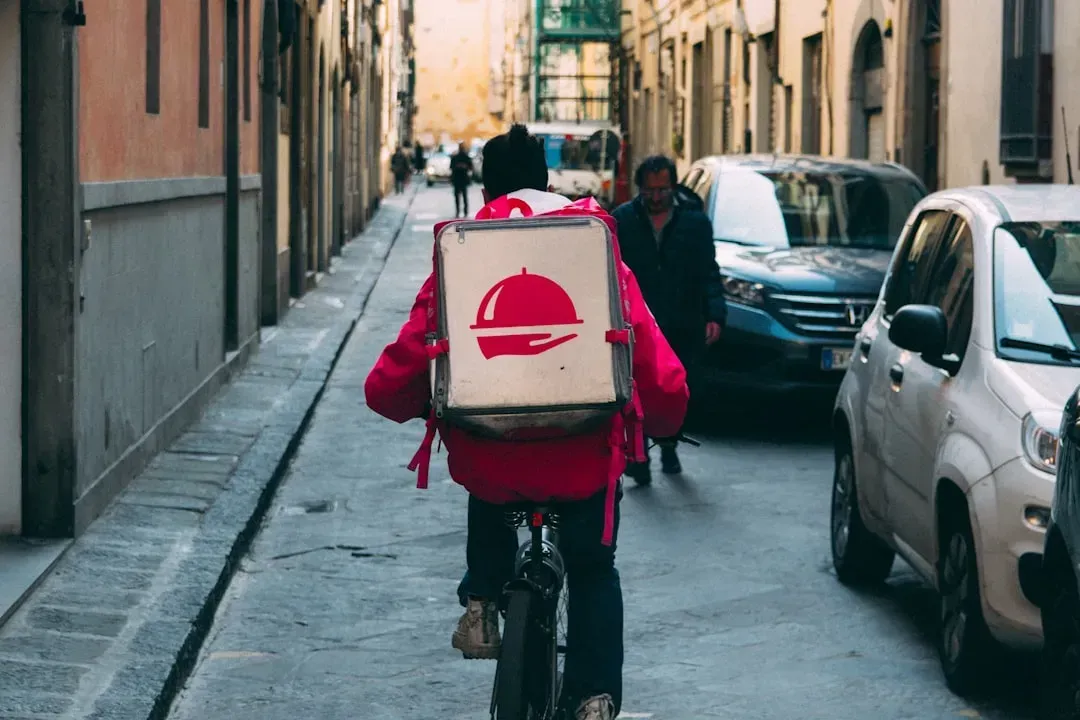
Delivery has always involved some form of gratuity, but the amounts and the pressure around them have grown noticeably. Drivers depend on these tips more than customers may realize, especially with fuel and vehicle costs rising. Current guidance pegs the going rate at $4 to $6 per delivery, or 15 to 20% for larger orders, with a bump recommended if the weather is bad.
What makes delivery different from most other entries on this list is that the tip genuinely funds someone’s income in a direct way. Apps have also gotten better at making the “recommended” amount feel like a floor rather than a suggestion. That framing, more than the amount itself, is what tends to bother people.
5. Takeout and pickup orders
5. Takeout and pickup orders (Image Credits: Unsplash)
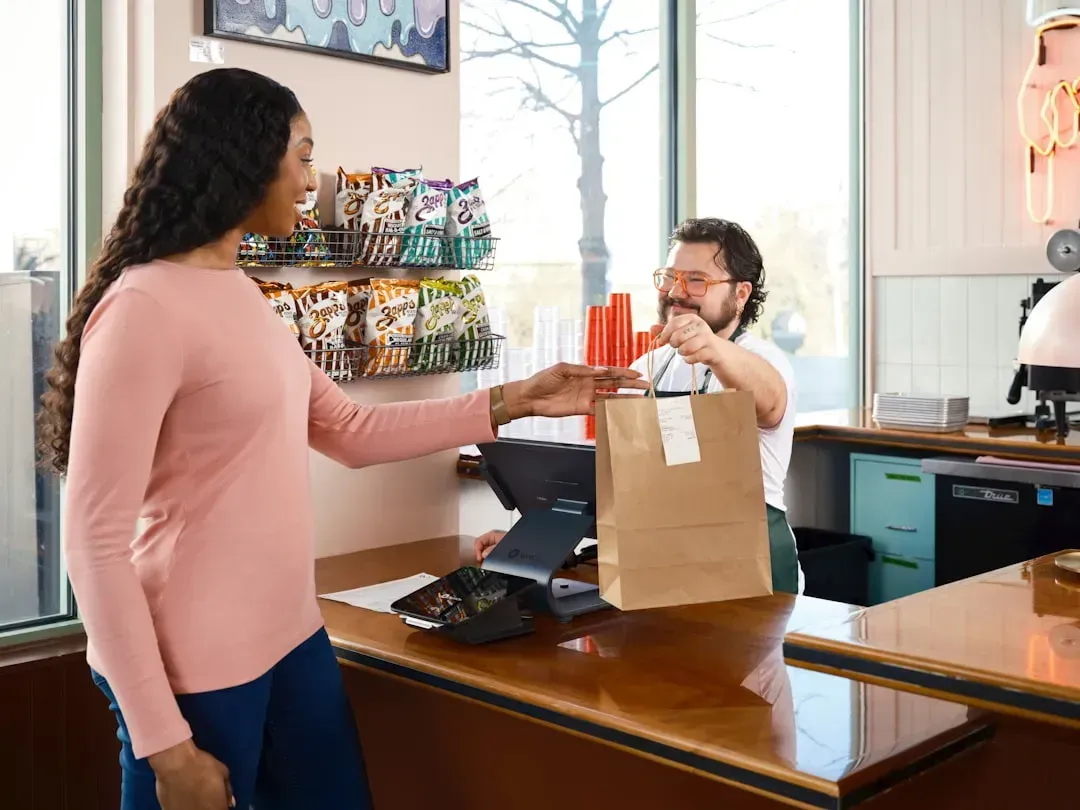
Picking up your own food from a restaurant counter is arguably the clearest case of tip fatigue setting in. There’s no table service, no delivery, just a bag handed across a counter. Consumer resistance has actually shown measurable results here, with pickup order tipping rates falling from 78% in 2022 to 62% in 2026.
That decline suggests something important: people are drawing lines even as prompts multiply. Full-service dining tips have stayed comparatively steady, hovering around 19.4% even as counter and pickup tipping softens. It looks like customers are becoming more selective rather than tipping less across the board.
6. Rideshare and taxi apps
6. Rideshare and taxi apps (Image Credits: Pexels)
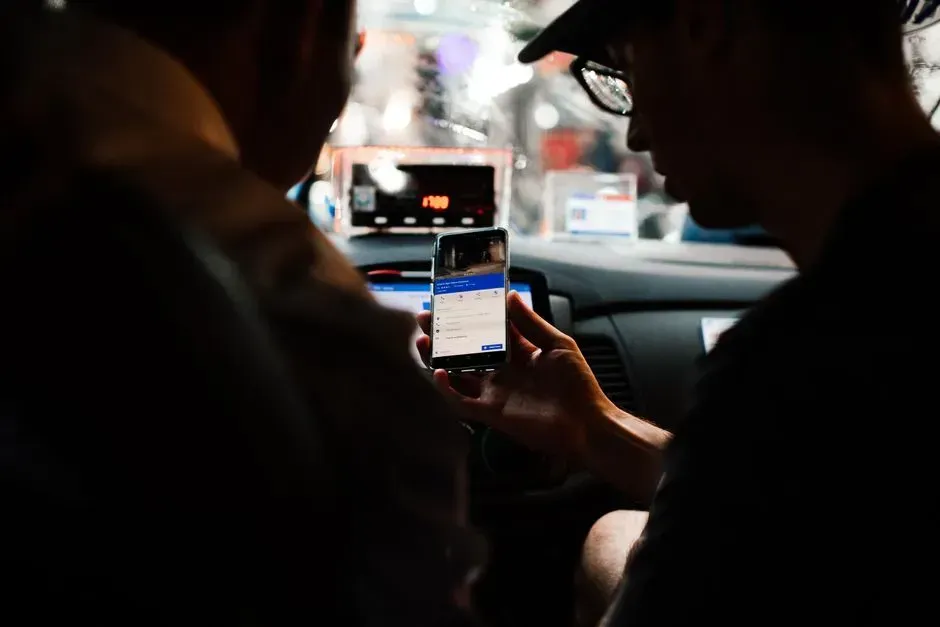
Ridesharing normalized in-app tipping years ago, and it has only become more embedded since. The prompt now appears immediately after a ride ends, often with preset percentage buttons that nudge riders toward a higher number than they might choose on their own. It fits into a broader pattern where tipping touches almost every service interaction, from baristas to rideshare drivers to valet attendants, with the expectation now everywhere.
Unlike self-checkout or vending machines, this is one case where a human actually performed a service, so the expectation carries more legitimacy. Drivers rely on these tips as a real part of their earnings, similar to delivery workers. The friction usually isn’t about whether to tip, but about how the app frames the “right” amount before you’ve had a chance to think it through.
7. Retail stores
7. Retail stores (Image Credits: Pexels)
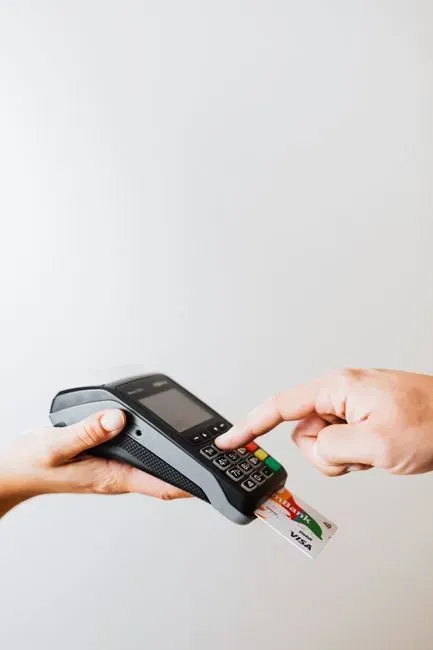
Buying a shirt or a hammer never used to involve a gratuity screen, and many shoppers still find it jarring when one appears. Yet card readers at small boutiques and hardware stores increasingly include the option. As one account put it, buying a pair of shoes or a new sweater never required a tip in the past, yet boutique clothing shops and hardware stores are now adding tip prompts to their card readers.
The reaction has been fairly consistent across surveys. Bankrate’s research found that 38 percent of Americans are actively annoyed by preset tip screens at checkout counters. Retail is one of the clearest examples of a prompt appearing simply because the payment technology allows it, not because a new service norm actually developed.
8. Hotels, from housekeeping to valet
8. Hotels, from housekeeping to valet (Image Credits: Pexels)
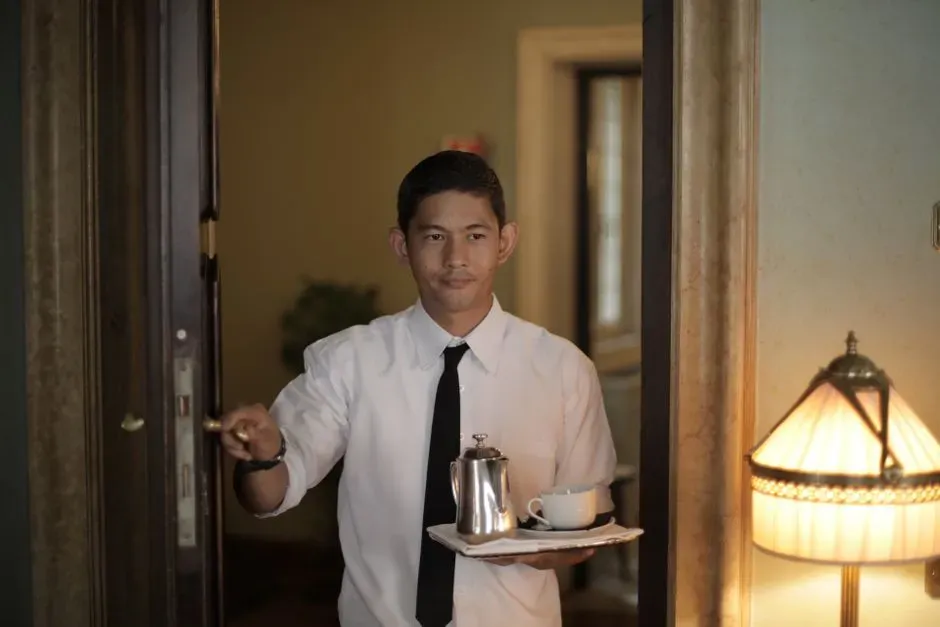
Hotel tipping isn’t new, but the way it’s requested has changed. Digital checkout and in-room tablets now formalize what used to be a discretionary cash envelope left on a pillow. The broader travel guidance for 2026 notes that gratuity culture at hotels sits alongside hotel housekeeping and valet attendants as areas where the expectation is now built into the payment flow rather than left to guest judgment.
Industry reports also point to hotels as one of the sectors actively rethinking their tip structures. The TipHaus 2026 report notes that forward-thinking restaurants, hotels, entertainment venues, and transportation groups are adapting their approach to tipping and pay transparency. That suggests hotel tipping may look noticeably different again within a year or two.
9. Personal care booked through apps
9. Personal care booked through apps (Image Credits: Unsplash)
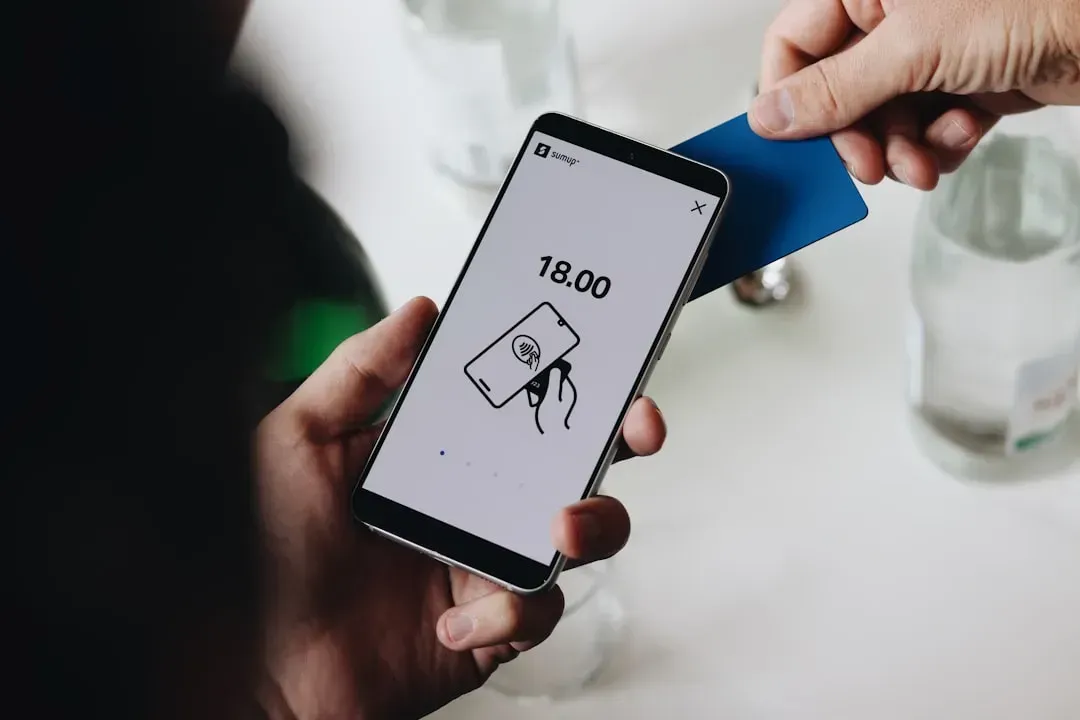
Haircuts, manicures, and massages have long carried tipping expectations, but booking platforms have added a new wrinkle. Many apps now prompt for a tip before the service even happens, sometimes as part of the deposit or booking confirmation. This mirrors a wider concern raised in national surveys, where more than half of adults consider a tip to be necessary or expected for various experiences and establishments, with dining in at independent restaurants ranking highest among tested services.
Personal care sits close to dining in terms of how ingrained the norm feels, which is part of why the app-based prompts haven’t generated as much backlash as, say, retail. Still, being asked to commit to a tip before the appointment even starts changes the psychology of the decision. It removes the option to judge the service first and tip accordingly afterward.
10. Vending machines and unstaffed kiosks
10. Vending machines and unstaffed kiosks (Image Credits: Unsplash)
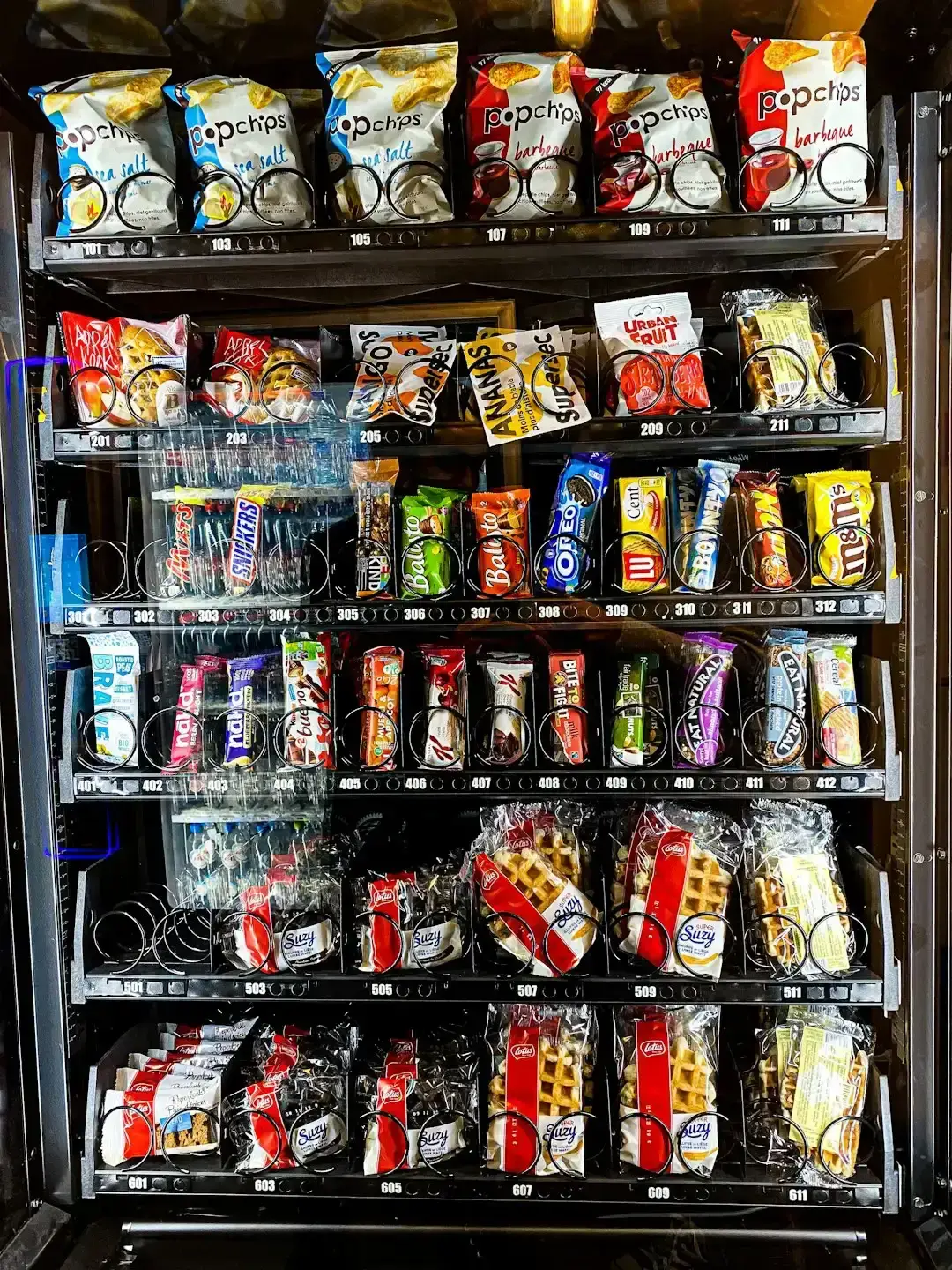
This is the entry that tends to draw the most disbelief, and rightly so. A machine with no employee attached, sometimes not even attended by anyone nearby, can still surface a tip screen during checkout. It fits squarely into what researchers now call tip creep, described as the growing expectation for customers to tip in more places, and often for higher amounts, than ever before.
Reports have tracked this spread into increasingly unlikely corners of retail. Prompts have expanded from takeout counters and drive-thrus to self-checkout kiosks and even vending machines. For most people, this is where the line gets drawn firmly, since there is no service to reward and no worker whose income the tip would directly support.
The bigger picture behind all ten of these examples is less about generosity and more about infrastructure. Payment systems now make it trivially easy to insert a tip prompt into any transaction, and businesses have had little reason not to try. Whether that expectation sticks in each of these settings will likely depend on how much resistance customers keep showing at the checkout screen itself.