
Office culture has quietly shifted over the past couple of years, and some habits that once seemed harmless now read as out of step. Terms like “rustic” or “boomer energy” have popped up in workplace slang to describe behaviors that feel a bit behind the times, even when the person doing them means well. The tricky part is that most of these habits aren’t rude or incompetent, they just clash with how modern teams communicate and collaborate.
Below are seven common habits that can quietly brand someone as old fashioned at work, along with why they stand out and what tends to replace them in more current office environments.
1. Insisting on phone calls instead of messages
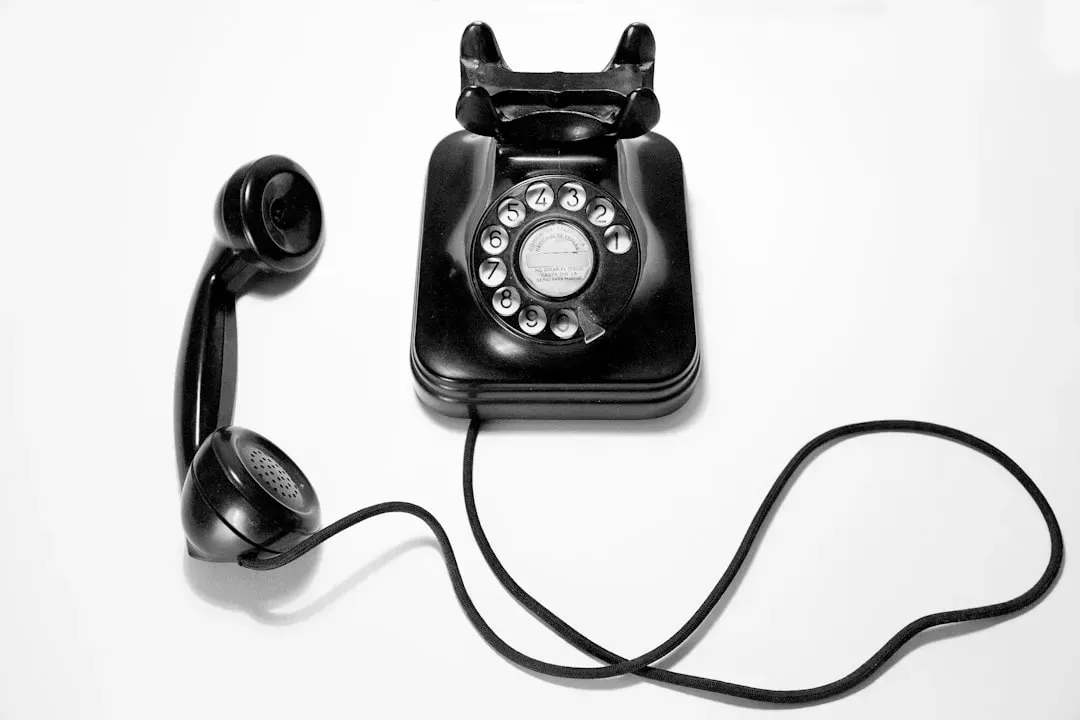
1. Insisting on phone calls instead of messages (Image Credits: Unsplash)
Picking up the phone for every question, no matter how small, is one of the fastest ways to seem disconnected from how modern teams operate. Many employees, especially younger ones, prefer asynchronous tools like Slack, Teams, or email because they let people respond on their own schedule without dropping what they’re doing. A sudden phone call can feel intrusive, almost like an interruption that assumes the other person has nothing better going on.
This doesn’t mean calls are dead, they’re just reserved for genuinely urgent or sensitive conversations now. Defaulting to a call for routine updates or simple clarifications tends to signal someone hasn’t adjusted to the written, documented style most digital-first workplaces favor. It can also unintentionally create friction, since the recipient may feel put on the spot to answer immediately.
2. Printing documents that could stay digital
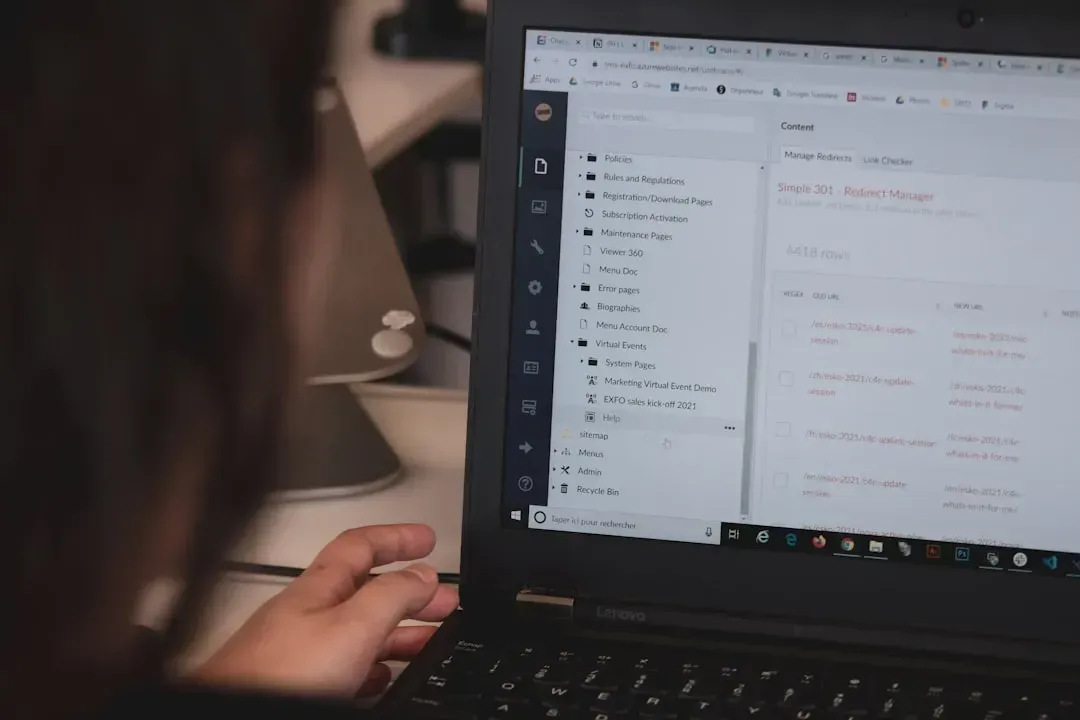
2. Printing documents that could stay digital (Image Credits: Unsplash)
Walking around with a stack of printed emails, spreadsheets, or meeting notes still happens in some offices, but it increasingly reads as a habit from another era. Cloud storage, shared drives, and collaborative documents have made printing largely unnecessary for most day-to-day tasks. When someone prints a document just to mark it up by hand and then re-enter the changes digitally, it adds an extra step that most teams have long since dropped.
There’s also a sustainability angle that younger colleagues notice more than they used to. Many companies have scaled back on paper use as part of broader environmental commitments, so someone reaching for the printer by default can stand out against that backdrop. It’s less about judgment and more about a workflow mismatch, printing simply doesn’t fit how most collaborative tools are built to function now.
3. Refusing to use collaborative software properly
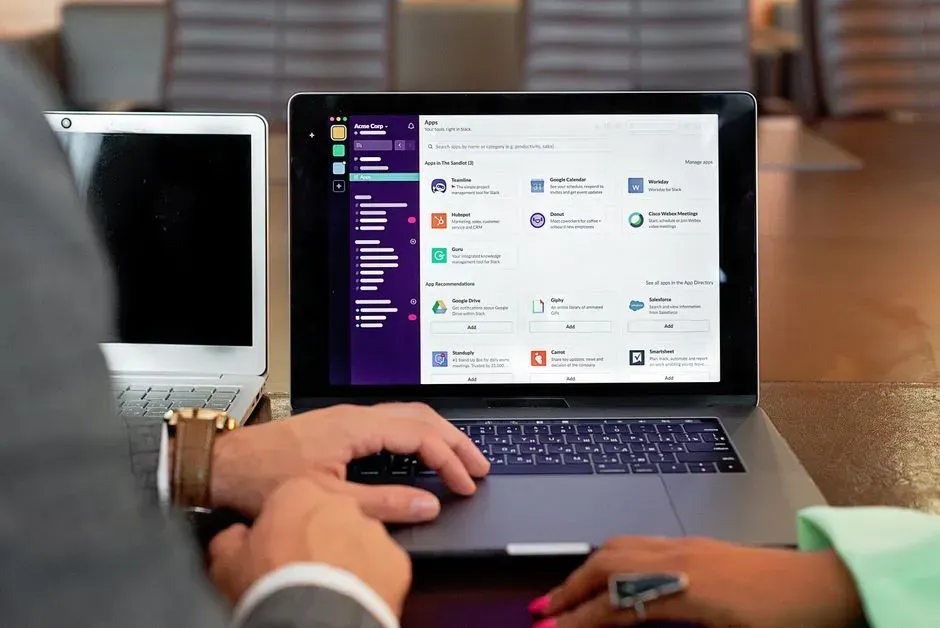
3. Refusing to use collaborative software properly (Image Credits: Pexels)
Tools like Google Docs, Notion, Asana, or Trello are built around real time collaboration, version history, and shared visibility. Someone who insists on emailing separate document versions back and forth, or who avoids tagging teammates and leaving comments directly in a shared file, ends up working against the very design of these platforms. It creates duplicate work, confusion over which version is current, and extra back and forth that the software was meant to eliminate.
This habit often comes from comfort with older systems rather than any real resistance to technology. Still, in a workplace where most colleagues expect to see live updates and comment threads inside a shared doc, sticking to email attachments and standalone files can make someone seem a step behind the collaborative norms everyone else has settled into.
4. Avoiding video calls or keeping the camera off without reason
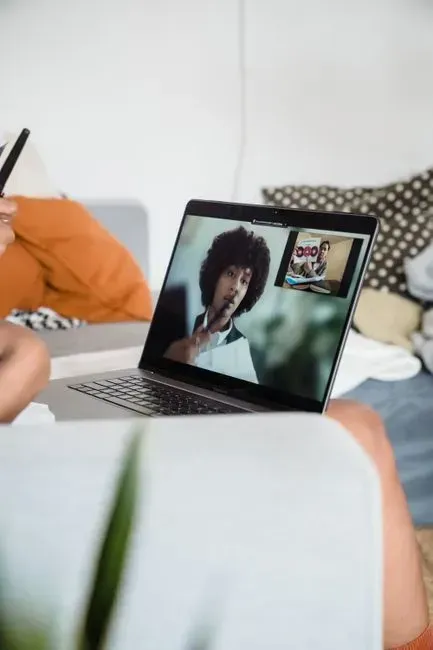
4. Avoiding video calls or keeping the camera off without reason (Image Credits: Pexels)
Remote and hybrid work have made video calls a standard part of daily communication for millions of employees. Consistently dodging video, or keeping the camera off during calls where everyone else is visible, can come across as disengaged or even a little evasive, even if that’s not the intention. Facial expressions and body language carry information that audio alone misses, and many teams have come to rely on that visual context for smoother collaboration.
There are legitimate reasons to skip video sometimes, bad lighting, a messy background, or simple fatigue from back to back calls are all real. The habit becomes noticeable, though, when it’s a consistent pattern rather than an occasional exception. In workplaces where video has become the norm, someone who never turns their camera on can unintentionally seem out of sync with how the rest of the team shows up.
5. Writing overly formal emails for casual situations
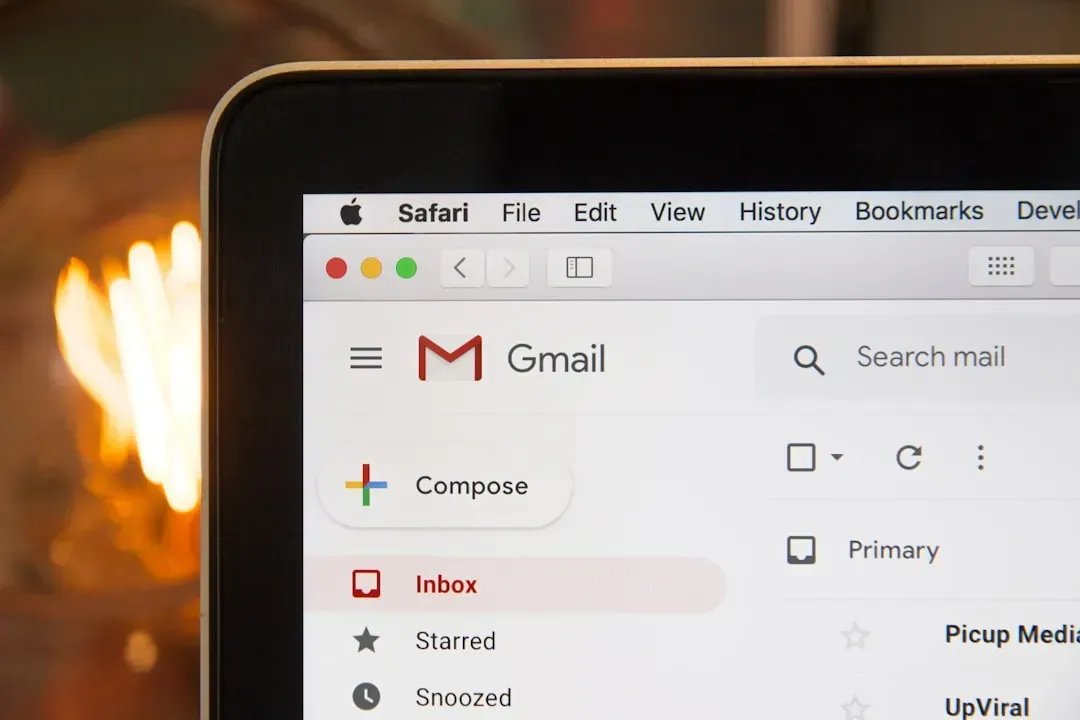
5. Writing overly formal emails for casual situations (Image Credits: Unsplash)
Opening every email with a long formal greeting, using stiff phrases like “please find attached,” and closing with elaborate sign offs can feel misplaced in workplaces that have moved toward shorter, more conversational written communication. Many companies, particularly startups and tech-adjacent firms, have shifted their internal tone to something closer to how people actually talk. An email that reads like a formal letter for something as simple as confirming a meeting time can feel unnecessarily heavy.
This isn’t about abandoning professionalism, it’s about matching tone to context. External communication with clients or executives might still call for more formal language, but internal messages between teammates increasingly lean casual and direct. Sticking rigidly to formal email conventions across every situation can make someone seem unfamiliar with how their particular workplace culture actually communicates day to day.
6. Micromanaging schedules and requiring rigid in office hours

6. Micromanaging schedules and requiring rigid in office hours (Image Credits: Pexels)
The years following the pandemic reshaped expectations around flexibility, and many companies have kept some version of hybrid or flexible scheduling in place. A manager or colleague who insists on strict nine to five presence, tracks bathroom breaks, or questions why someone stepped away from their desk for twenty minutes can come across as clinging to a management style that feels increasingly outdated. Flexibility has become a major factor in job satisfaction and retention for a large share of the workforce.
This habit often stems from genuine concern about productivity rather than any desire to control people. However, research on hybrid work has generally found that flexible arrangements don’t necessarily hurt output when goals and expectations are clear. Someone who fixates on physical presence over actual results tends to stand out as behind the curve compared to managers who focus on deliverables instead of desk time.
7. Resisting AI tools that colleagues already rely on
7. Resisting AI tools that colleagues already rely on (Image Credits: Pexels)
Artificial intelligence tools have become part of daily workflows for a significant portion of office workers, whether for drafting emails, summarizing meetings, or organizing tasks. Someone who dismisses these tools outright, or insists on doing everything manually as a point of pride, can seem disconnected from how quickly workplace norms have shifted. Surveys from major research firms have repeatedly shown rising adoption of generative AI tools inside companies over the past couple of years.
This doesn’t mean everyone needs to become an AI expert overnight. But a flat refusal to even try tools that teammates are actively using for drafts, research, or scheduling can create a noticeable gap in speed and output. In fast moving teams, that gap tends to be exactly the kind of thing that gets someone quietly labeled as resistant to change.
None of these habits are character flaws, and plenty of skilled, thoughtful professionals still lean on a few of them out of comfort or personal preference. What ties them together is a mismatch between individual habits and the collaborative, flexible, tech forward norms that have taken hold across most modern workplaces. Recognizing which ones show up in daily routines is usually the first step toward closing that gap, if closing it feels worthwhile at all.