
There's something special about food trucks. The sizzle from the flat-top, the short menu that somehow makes every choice feel important, the line of regulars who already know what they're ordering before they even reach the window. But behind that easy charm is a small, tightly run operation where every second and every square foot matters.
Ask any food truck owner what wears them down during a lunch rush, and it's rarely the cooking. It's the small, repeated habits customers bring to the window without realizing how much friction they create. Here are nine of them that come up again and again when truck owners talk shop.
1. Showing up with no idea what they want
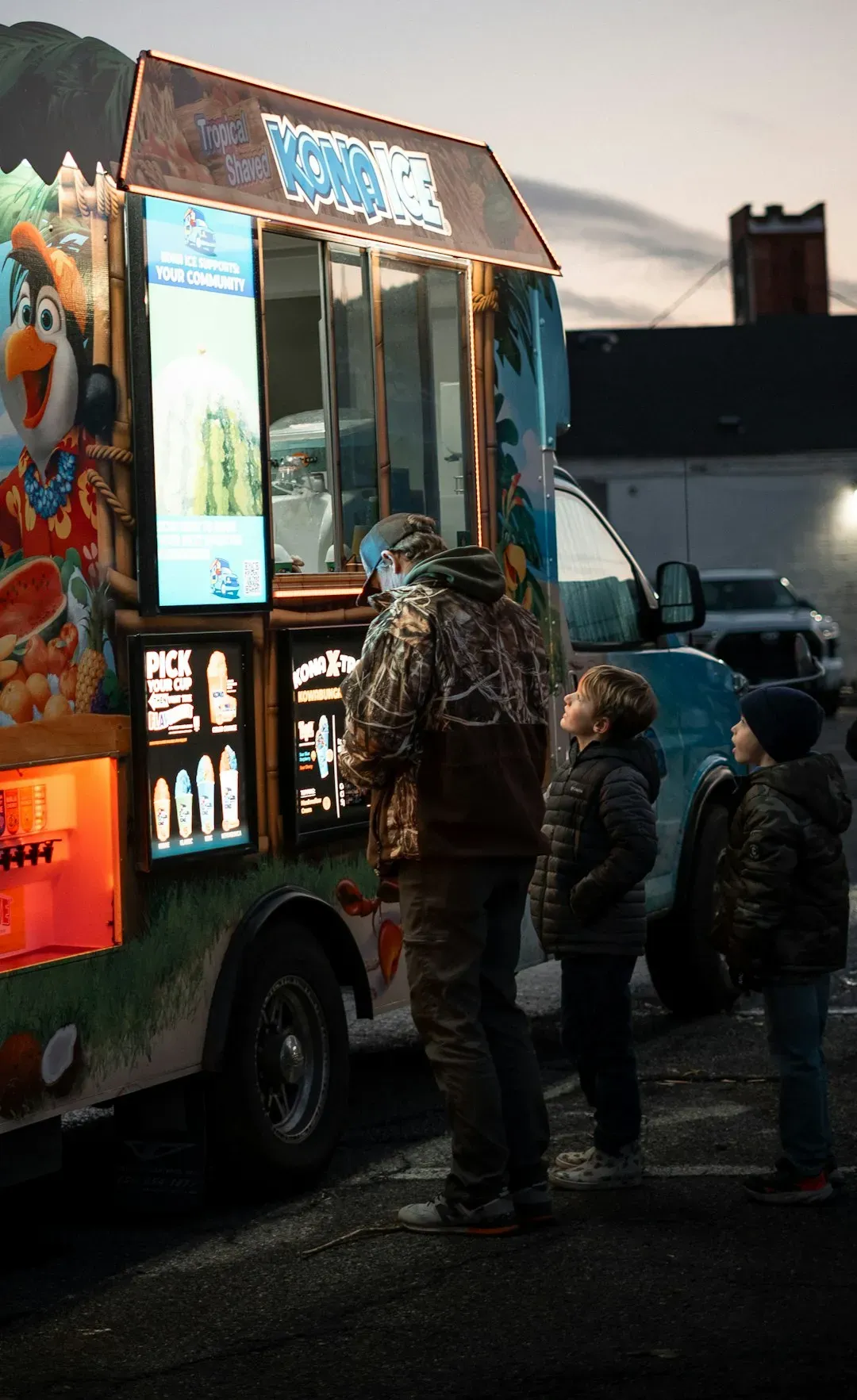
1. Showing up with no idea what they want (Image Credits: Unsplash)
Food trucks run on speed. Most have a menu board mounted right at the window, sometimes with a second one a few feet back so people can decide before they're actually being served. Owners count on that lead time to keep the line moving, especially during a lunch rush that might only last ninety minutes.
When someone steps up and says "what do you have," the whole rhythm stalls. It's not that the question is rude, it's that a food truck kitchen is often the size of a closet, staffed by one or two people who are also cooking, taking payment, and calling out orders. A single hesitant customer can back up a line of a dozen people in under a minute.
2. Ordering like it's a full-service restaurant
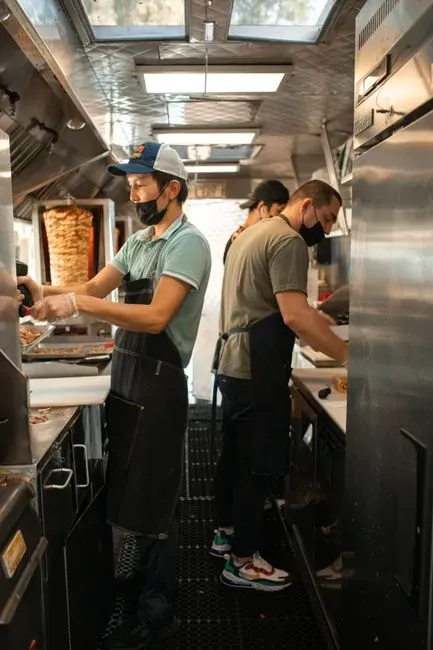
2. Ordering like it's a full-service restaurant (Image Credits: Pexels)
Substitutions, side-by-side sauce comparisons, and requests to "just taste the two options first" might fly at a sit-down spot with a server dedicated to one table. On a truck, the person taking the order is usually also cooking it, and there's no separate expo line to sort out custom builds.
Owners generally don't mind reasonable tweaks, like leaving off onions or swapping a side. What grinds on them is when a simple menu turns into a build-your-own negotiation, especially when five items already spelled out on the board get re-explained anyway. Every extra question adds seconds, and seconds add up fast in a mobile kitchen with limited counter space.
3. Paying with cash and expecting exact change on the spot

3. Paying with cash and expecting exact change on the spot (Image Credits: Pexels)
Card readers and mobile payment apps have become standard on most trucks, partly because handling cash slows everything down and creates security risks when a truck is parked in a busy area for hours. Many operators still take cash, but making change from a cash box while also plating food is its own small juggling act.
The issue isn't cash itself, it's customers who hand over a large bill for a small order and then seem surprised the truck doesn't have change ready. Some owners keep a modest float specifically for this, but a $50 bill for a $9 taco order can genuinely dent that reserve halfway through a shift. It's a small thing, but it's one of those quiet stressors that adds up over a long service window.
4. Crowding the pickup window before their order is called
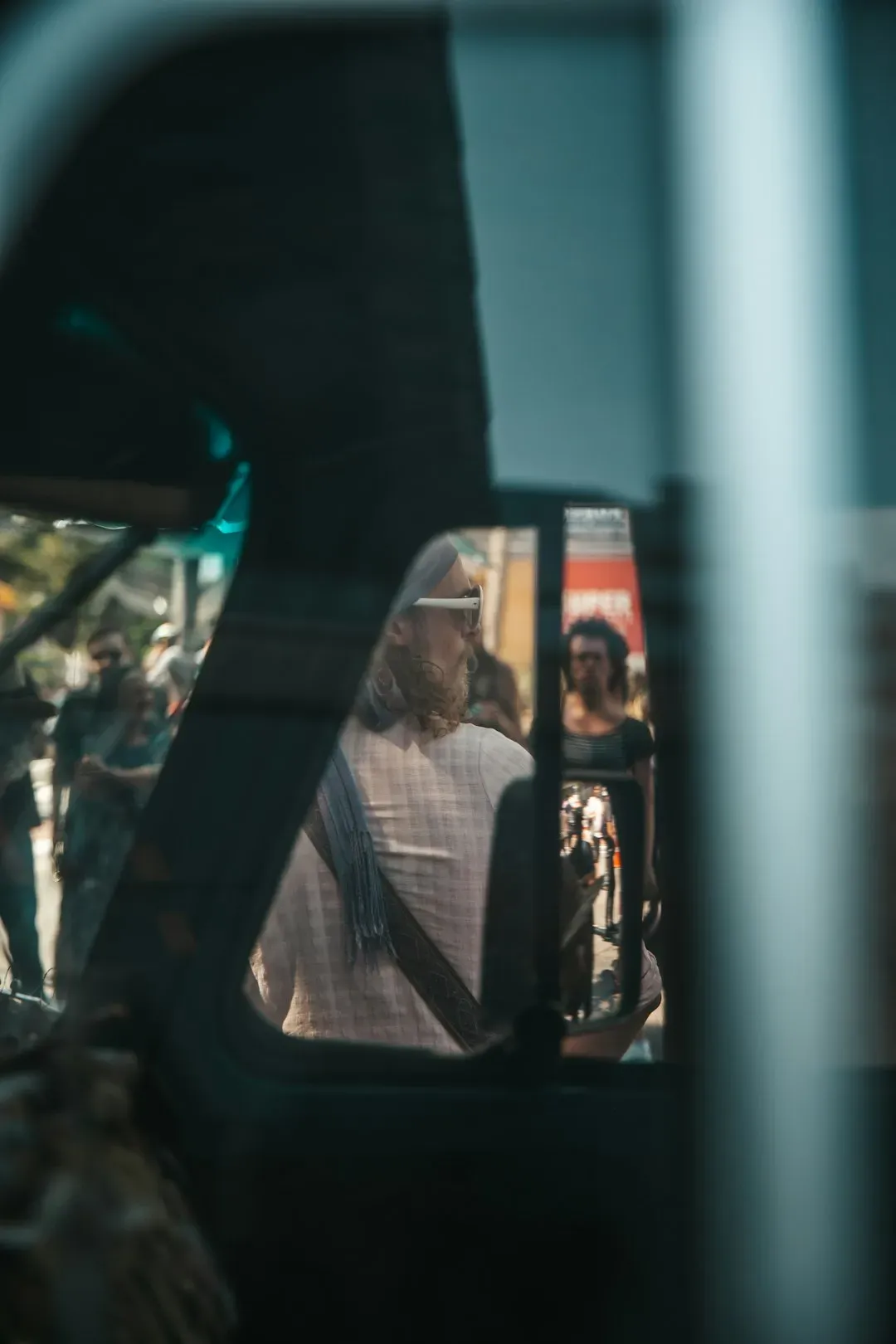
4. Crowding the pickup window before their order is called (Image Credits: Unsplash)
Most trucks use a simple system, order at one spot, wait, then step forward when a name or number is called. It works well when people respect it, and it turns chaotic when they don't. Owners often mention customers who plant themselves right at the window the moment they order, watching every plate that comes out like it might be theirs.
This does two things that hurt service. It blocks the view and workspace for the person actually cooking, and it makes it harder to hand out the correct order to the correct customer when several people are hovering in the same tight space. A truck's serving window is usually just a few feet wide, so a crowd there isn't a minor inconvenience, it's a real bottleneck.
5. Asking for heavy customization on a menu built for speed
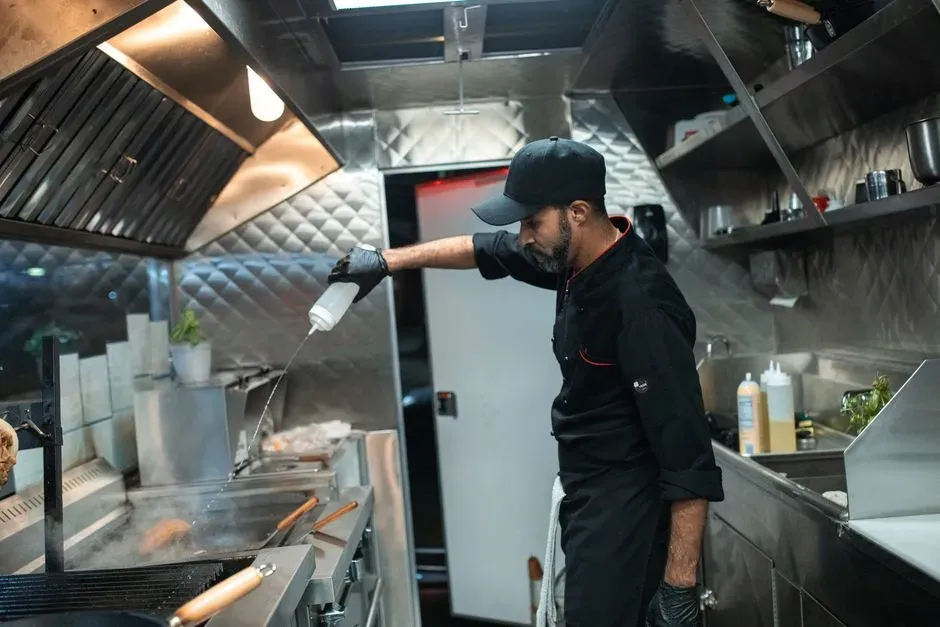
5. Asking for heavy customization on a menu built for speed (Image Credits: Pexels)
Food trucks succeed because their menus are short and their prep is dialed in. A taco truck might have four fillings, two salsas, and a handful of toppings, all pre-portioned so the line cook can assemble orders in seconds rather than minutes. That efficiency depends on most orders following a predictable pattern.
When a customer asks for a dish reimagined from scratch, extra of one protein, none of another, a sauce mixed from two different bottles, it breaks that rhythm. It's not that owners can't do it. It's that doing it well, without slowing down everyone behind that person, usually isn't possible in a kitchen built around volume, not flexibility.
6. Leaving trash and dishes wherever they finish eating
6. Leaving trash and dishes wherever they finish eating (Image Credits: Unsplash)
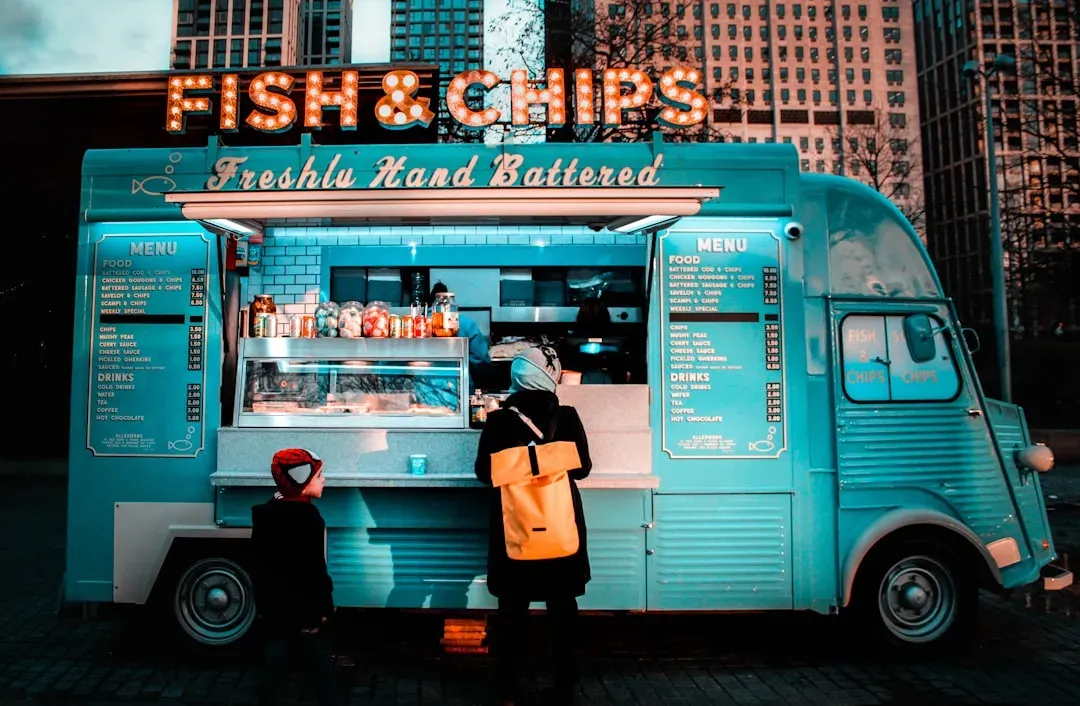
Most food trucks don't have their own seating area. Customers often eat standing nearby, at shared picnic tables, or in their cars, then leave wrappers, napkins, and containers scattered around the truck's footprint. Depending on the local permit, the truck operator might be responsible for keeping that surrounding area clean, which means someone has to step away from the window to pick up after people mid-shift.
It's a small courtesy that costs almost nothing, walking a few feet to a trash can, yet it's one of the most commonly cited frustrations among truck owners. A messy service area doesn't just look bad, it can also affect a truck's standing with the property owner or city that granted them a spot to park in the first place.
7. Standing in line without moving forward when there's room

7. Standing in line without moving forward when there's room (Image Credits: Unsplash)
This sounds minor until you've watched it happen during a fifteen-minute lunch window. A line forms, and instead of tightening up as it moves, people leave a comfortable gap of several feet between themselves and the person ahead. On a sidewalk or in a food truck park, that gap can stretch a line well past where it should end, sometimes blocking other trucks or walkways entirely.
Owners can't really control this, and most won't say anything directly to a customer about it. But a poorly packed line during a rush can genuinely cost sales, since new arrivals sometimes see a line snaking around the block and decide to walk to a different truck instead, even if the wait would have actually been short.
8. Assuming a food truck price should match a fast-food price
8. Assuming a food truck price should match a fast-food price (Image Credits: Pexels)
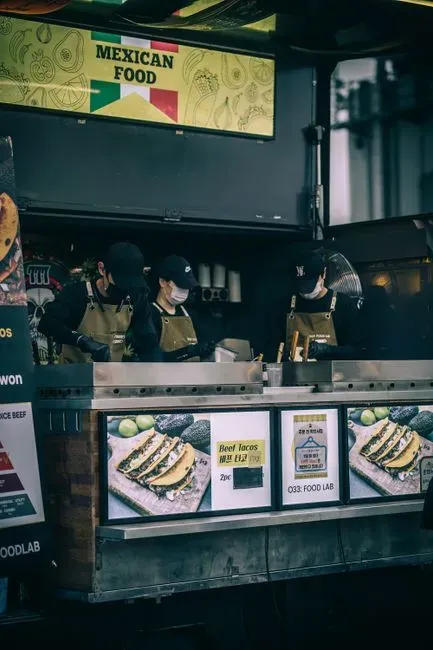
Comparing a food truck taco to a fast-food taco misses a basic economic reality. Trucks deal with fuel costs for the vehicle itself, commissary kitchen rental fees, propane, permits that vary by city, and often smaller batch ingredient purchasing that doesn't come with the bulk discounts a national chain gets. Labor is usually just one or two people doing the work of an entire restaurant staff.
When a customer balks at a price or says it should be cheaper because "it's just a truck," it stings a bit more than a similar comment might at a sit-down restaurant, mostly because the margins on mobile food businesses tend to be thin already. Most owners have priced things carefully to stay competitive while still covering costs that aren't always visible from the sidewalk.
9. Leaving without tipping, then lingering to chat
9. Leaving without tipping, then lingering to chat (Image Credits: Pexels)
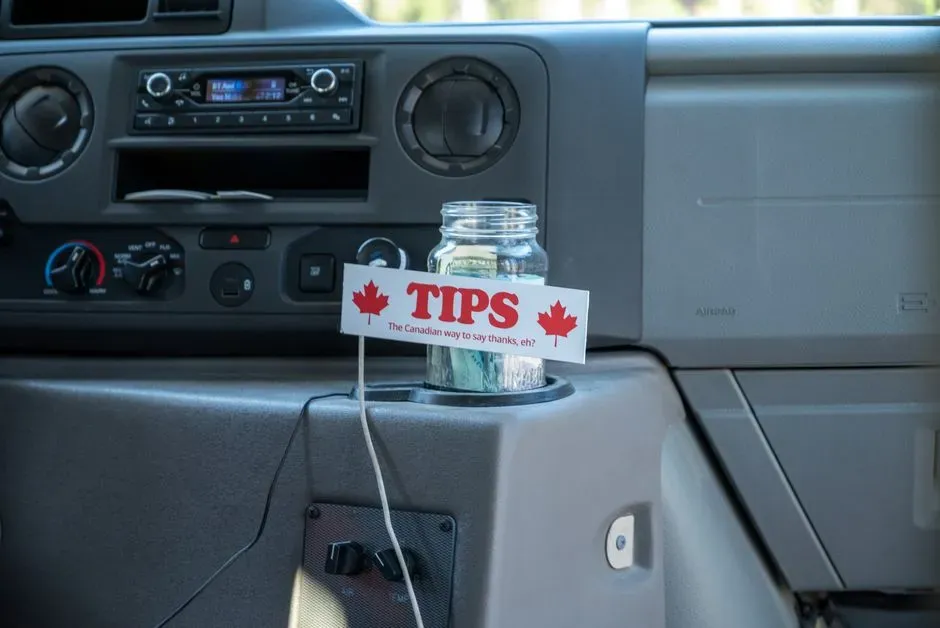
Tipping culture around food trucks has shifted over the past few years, partly because more trucks now use card readers with built-in tip prompts, similar to what's become standard across quick-service restaurants generally. Whether or not someone tips is entirely their choice, and most owners understand that.
What tends to bother owners more is a specific combination, skipping the tip and then staying at the window afterward for a long, friendly conversation while a line builds behind them. Neither behavior alone is a problem. Together, during a busy stretch, they can quietly slow down service for everyone else waiting to order.
None of these habits are dramatic on their own. Most customers who do them aren't trying to cause trouble, they're just used to a different kind of dining experience, one with more staff, more space, and more time built into the system. Food trucks run on a tighter margin in every sense, tighter space, tighter timing, tighter budgets, and small adjustments from customers tend to make a bigger difference there than they would almost anywhere else.