
Ask any wedding planner how their week is going and you will usually get a diplomatic answer, something polite and vague that hides a dozen stories they are not allowed to tell you yet. Behind the calm exterior, though, is a job that regularly asks people to solve problems nobody warned them about in planning school. Some of these moments end up as funny anecdotes at industry conferences. Others just stay with a planner long after the flowers have wilted and the final invoice has been paid.
Being asked to personally cover a wedding during a family emergency
Being asked to personally cover a wedding during a family emergency (Image Credits: Flickr)
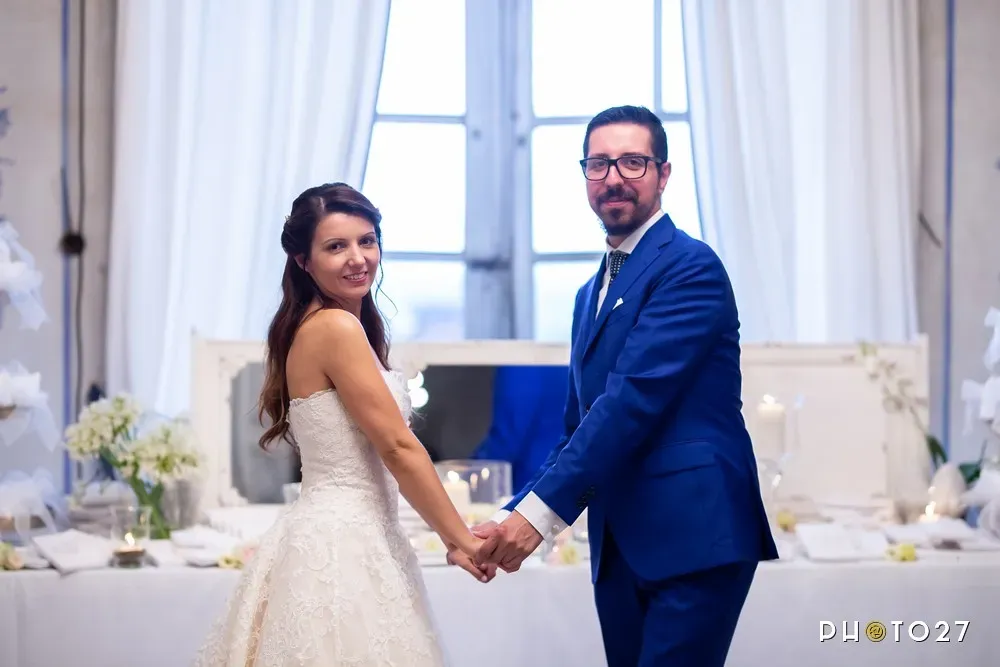
One of the more jarring patterns planners describe involves clients who expect total availability, no matter what is happening in the planner's own life. In one widely shared account, a planner explained a family tragedy to a bride and offered to send a trusted assistant instead. The planner called back that night to explain what had happened and that an assistant would cover the wedding, only for the bride to insist the assistant go to the funeral instead and that the planner "better be at her wedding."
Stories like this circulate because they capture something planners rarely say out loud, which is that clients sometimes forget there is a person behind the clipboard. Most professionals handle these moments with grace, refunding deposits or quietly walking away rather than escalating things further. It is a reminder that the emotional labor of the job rarely shows up in the contract.
Fielding advances from grooms or groomsmen
Fielding advances from grooms or groomsmen (Image Credits: Unsplash)
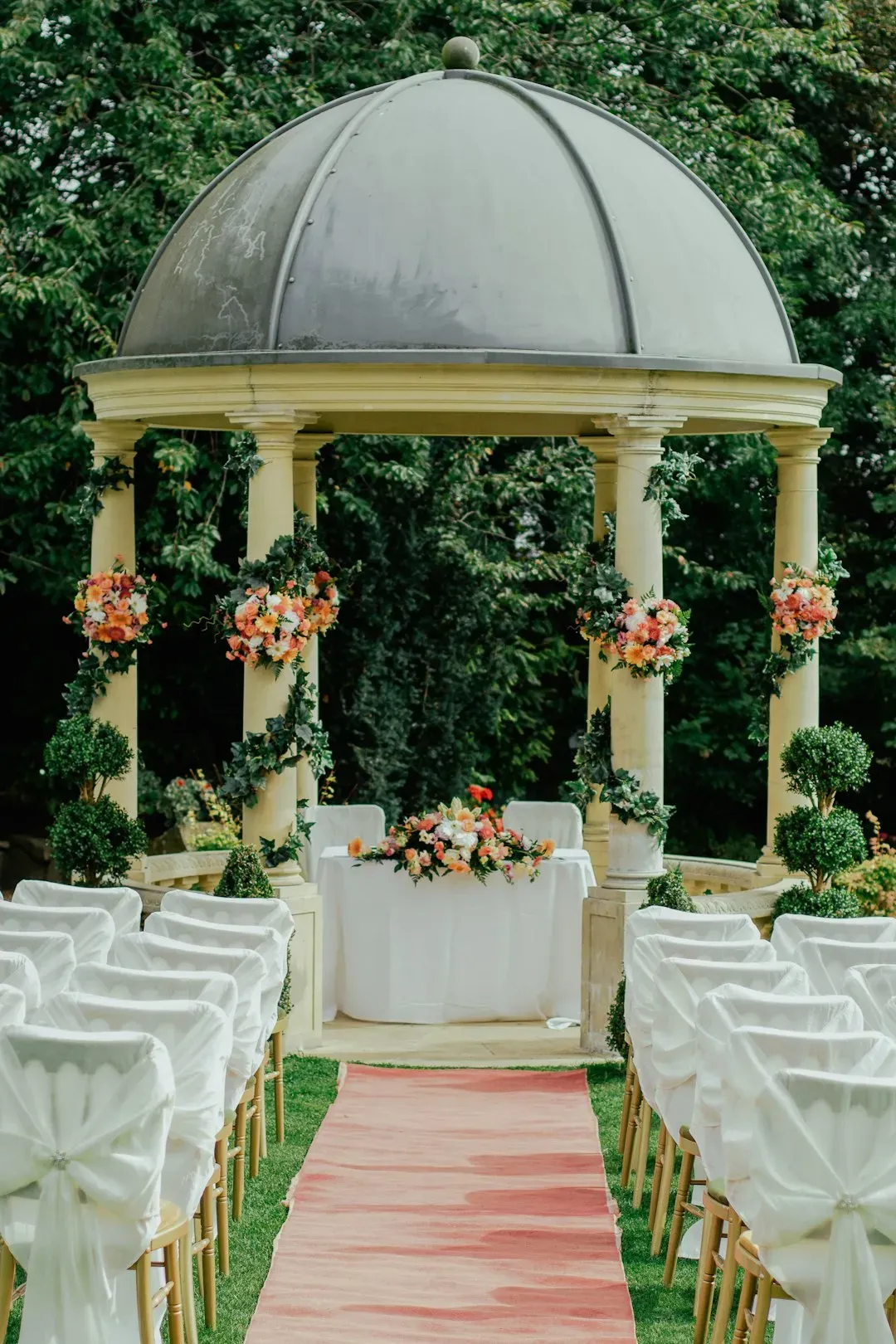
It sounds like the plot of a bad sitcom, but planners consistently mention it as one of the more uncomfortable parts of the job. One of the strangest phenomena wedding planners deal with is fielding groomsmen who want to sleep with them. It happens often enough that many planners develop a standard, unbothered way of shutting it down without making a scene.
What makes this request particularly awkward is the timing. These moments tend to surface during rehearsal dinners or late in the reception, when the planner is trying to keep a dozen other things running smoothly. Handling it quietly, without embarrassing anyone or derailing the event, becomes its own kind of professional skill.
Mandatory cash gifts just to walk through the door
Mandatory cash gifts just to walk through the door (Image Credits: Unsplash)
Guest lists have always come with expectations, but some couples have pushed those expectations into new territory. In one viral case, a bride's list of rules for guests included a strict cover charge. One Reddit user posted a screenshot of the strange restrictions, among them a seventy five dollar entrance fee. The same list told guests they could not talk to the bride, had to drink a specific brand of alcohol, and had to provide a seventy five dollar gift unless they wanted to be turned away.
Planners who have encountered similar lists say they try to talk couples out of anything that reads as transactional. Weddings are already an expensive obligation for guests who travel, buy outfits, and take time off work. Adding a literal price of admission tends to turn a celebration into something that feels more like a toll booth.
Banning the DJ from taking any requests at all

Banning the DJ from taking any requests at all (Image Credits: Unsplash)
Control over the guest experience can go from thoughtful to restrictive fairly quickly, and DJ policies are a common flashpoint. In one case that spread widely online, an event planner described a couple who banned an entire category of guest interaction. The couple did not allow their wedding DJ to take song requests from any guests, reportedly telling people to go to a club if they wanted their songs played.
Planners understand the instinct behind this rule. Nobody wants a dance floor hijacked by an uncle's questionable taste in music. Still, a blanket ban tends to backfire, since guests who feel shut out of the fun often just leave early instead of dancing to whatever the couple picked in advance.
Demanding a bridesmaid change her natural hair color
Demanding a bridesmaid change her natural hair color (☺ Lee J Haywood, Flickr, <a href="https://creativecommons.org/licenses/by-sa/2.0/" target="_blank" rel="noopener">CC BY-SA 2.0</a>)
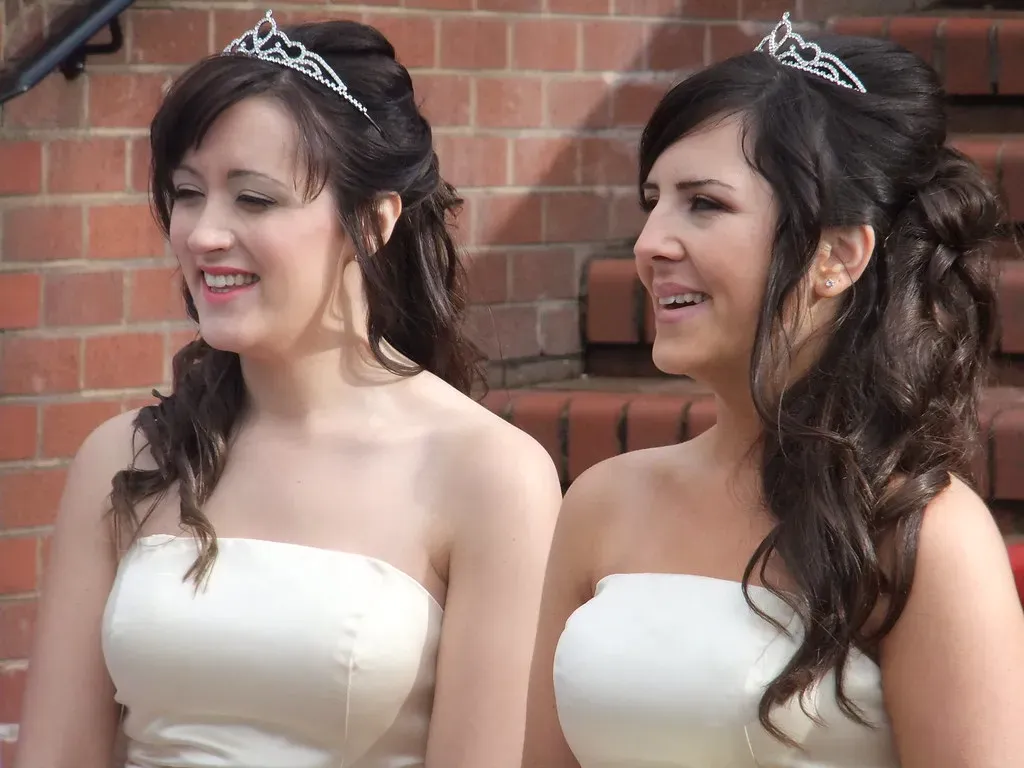
Bridal party rules can drift from coordinated outfits into something closer to a dress code enforcement squad, and hair has become a surprisingly common battleground. One woman revealed she was ordered by a bride to revert her pink hair to its natural color as a condition of remaining in the bridal party. The ultimatum left her choosing between altering her appearance or attending as a regular guest instead.
Planners who witness these disputes often end up as unofficial mediators, trying to explain to couples why a friend might resist a demand like this. Hair, unlike a dress, is not something that can be returned after the wedding. It is one of the clearer examples of how far some requests stray from the actual purpose of the day.
Uninviting someone over what they planned to wear
Uninviting someone over what they planned to wear (Image Credits: Unsplash)
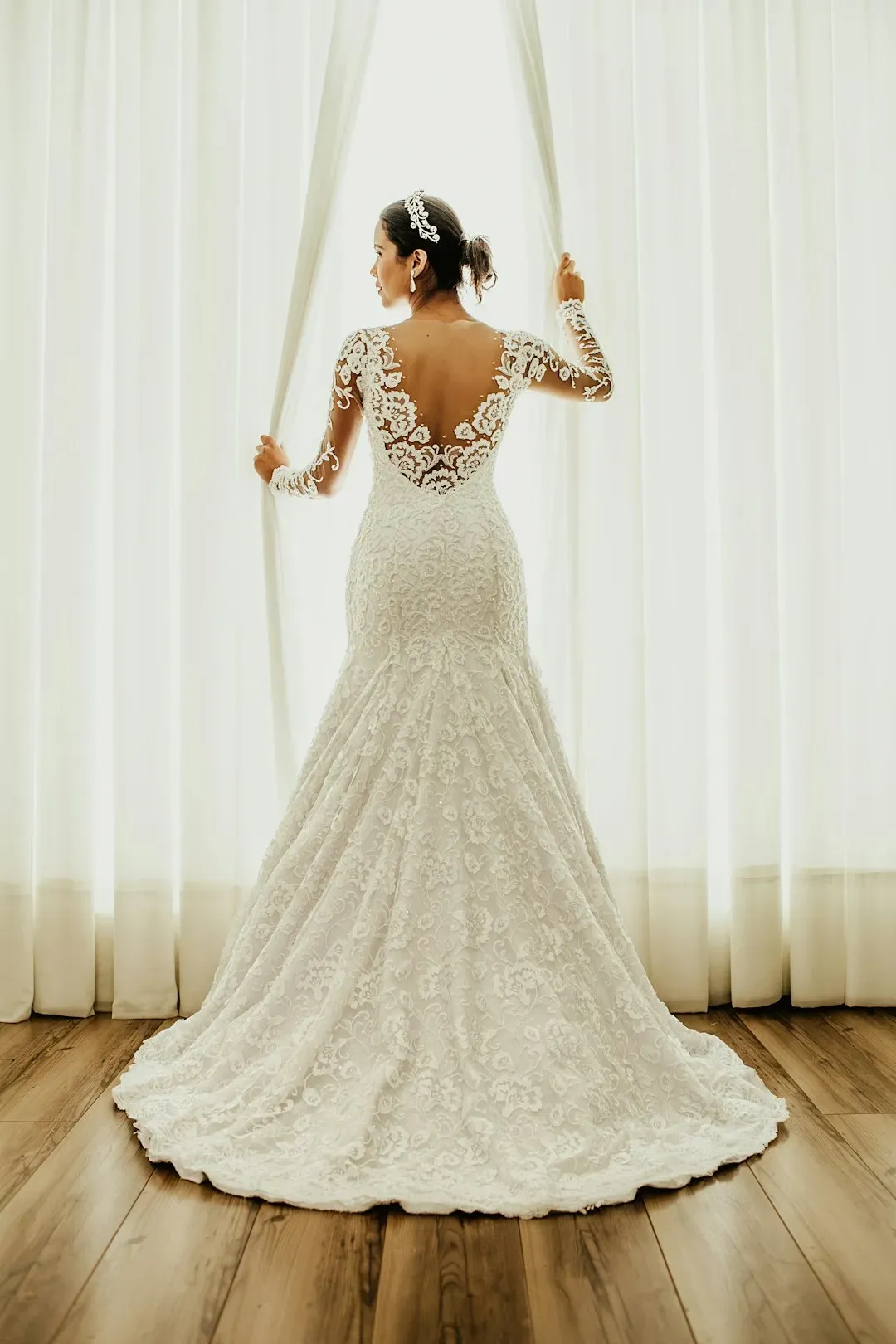
Dress codes exist for a reason, but enforcement has occasionally crossed into territory that feels punitive rather than practical. In one widely discussed case, a bridesmaid was uninvited from a wedding after the bride discovered she planned to wear black. The bridesmaid was actually observing a mourning period following a personal loss, which made the decision look even harsher once the full context came out.
Planners often find themselves caught in the middle of disputes like this, trying to soften the blow or find a compromise before relationships fracture completely. Color rules are common in formal weddings, but most experienced planners recommend building in some flexibility for situations nobody could have predicted. Rigid enforcement rarely ages well once the wedding photos start circulating.
Being asked to sit at the sweetheart table
Being asked to sit at the sweetheart table (Image Credits: Unsplash)
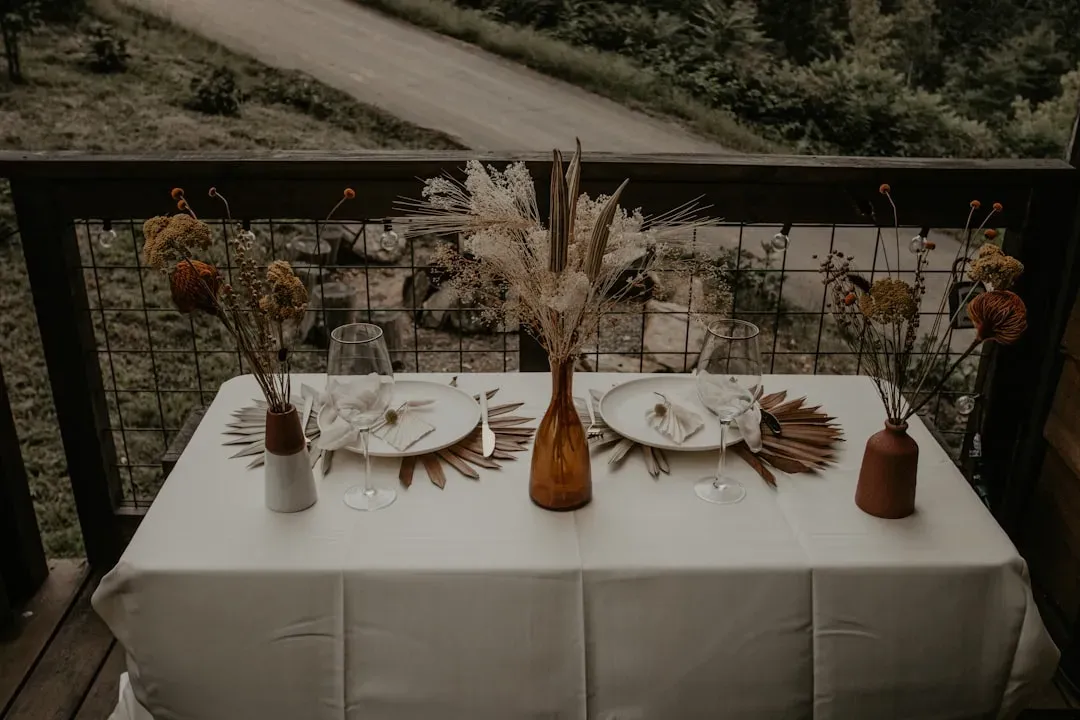
Most planners expect to spend the reception working the room quietly from the sidelines, not sitting with the couple. Planner Samantha Goldberg described exactly that kind of unusual request. She once had to share the sweetheart table with the bride because the groom, a politician, was too busy networking with guests, and the bride did not want to eat alone.
It is a request that blurs the line between vendor and guest in a way that can feel flattering and strange at the same time. Planners generally try to redirect the couple toward each other rather than accepting the seat themselves. A wedding, after all, is supposed to be the one night a couple actually sits down together.
Insisting on a venue that ignores every safety concern
Insisting on a venue that ignores every safety concern (Image Credits: Unsplash)
Sometimes the request is not about etiquette at all, but about a couple simply overruling professional advice on logistics. One planner recalled a half million dollar budget wedding where the couple chose an unusual and risky location. The groom insisted on holding the celebration in a huge underground, walk out basement belonging to his parents, with only one exit for three hundred guests. The planner strongly recommended a backup tent in the yard in case of an emergency, but the groom and his family would not listen.
The night did not go smoothly. It turned out to be a blisteringly hot, rainy night, and the air conditioner blew out toward the end of cocktail hour, leaving the room silent and guests eating by candlelight. It is the kind of story planners tell not for laughs, but as a case study in why safety recommendations exist in the first place.
Trying to negotiate the fee down after signing a contract
Trying to negotiate the fee down after signing a contract (Image Credits: Unsplash)
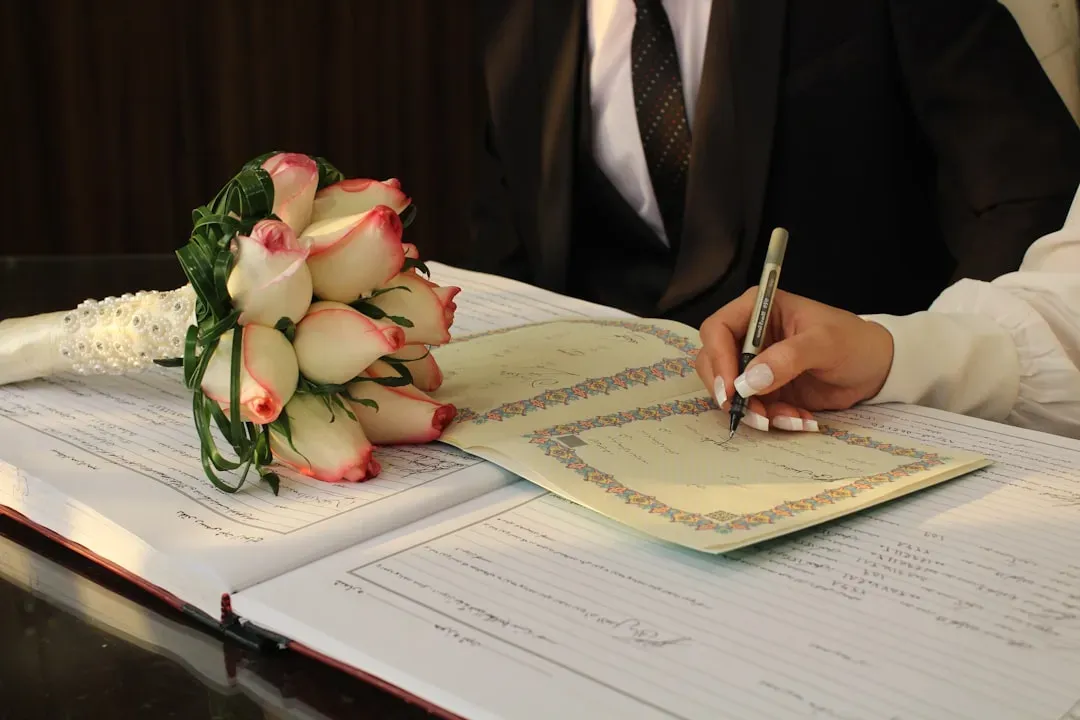
Wedding planning is a service industry built on trust, yet price negotiation after the fact remains a persistent headache. Industry accounts consistently describe couples who agree to a rate and then attempt to chip away at it later. Many clients try to haggle and will do what they can to argue the price down, even after work has already begun.
Planners point out that this behavior often stems from a misunderstanding of how many hours go into a wedding, from vendor coordination to timeline management to handling exactly the kind of chaos described throughout this list. Renegotiating mid project rarely reflects how much labor has already gone in. It puts planners in the uncomfortable position of defending their own value while still trying to deliver a flawless event.
Expecting elaborate entertainment with almost no notice
Expecting elaborate entertainment with almost no notice (Image Credits: Pexels)
Not every memorable request is stressful in a negative way. Some are simply logistically wild, arriving with far too little lead time to execute safely. One planner described weddings that have included rings delivered by a flying owl and a groom eating a snack minutes before the bride's entrance.
Requests involving live animals, surprise performers, or elaborate entrances tend to sound simple in a client's imagination and complicated in practice. Permits, handlers, timing, and backup plans all have to fall into place with almost no room for error. Planners who pull these moments off successfully rarely get credit for how much coordination it actually took behind the scenes.
Final Thoughts
Final Thoughts (Image Credits: Pexels)
Reading through these accounts, a pattern becomes obvious pretty quickly. Most of the requests that stick with planners are not really about flowers or seating charts at all. They are about boundaries, respect, and the strange pressure that big life events put on ordinary people.
None of this means couples should walk on eggshells while planning their wedding. It simply suggests that the person coordinating the day is not just managing logistics, but often managing people too. That combination is probably why the good ones are worth every dollar of the fee nobody wants to negotiate.