
A week is a strange amount of time to dedicate to hamburgers, but that's exactly what I did. Eight chains, seven days, and more napkins than I care to admit. What started as a casual curiosity turned into something closer to a methodical taste test, one that forced me to think harder than expected about what actually makes a burger good.
I kept things simple: a classic single or double cheeseburger and regular fries from each spot, ordered as close to their default menu as possible. No special sauces, no secret menu tricks, just the baseline experience most customers get on a random Tuesday. Here's how each chain stacked up, and which one I kept thinking about long after the week ended.
McDonald's: the burger everyone measures against
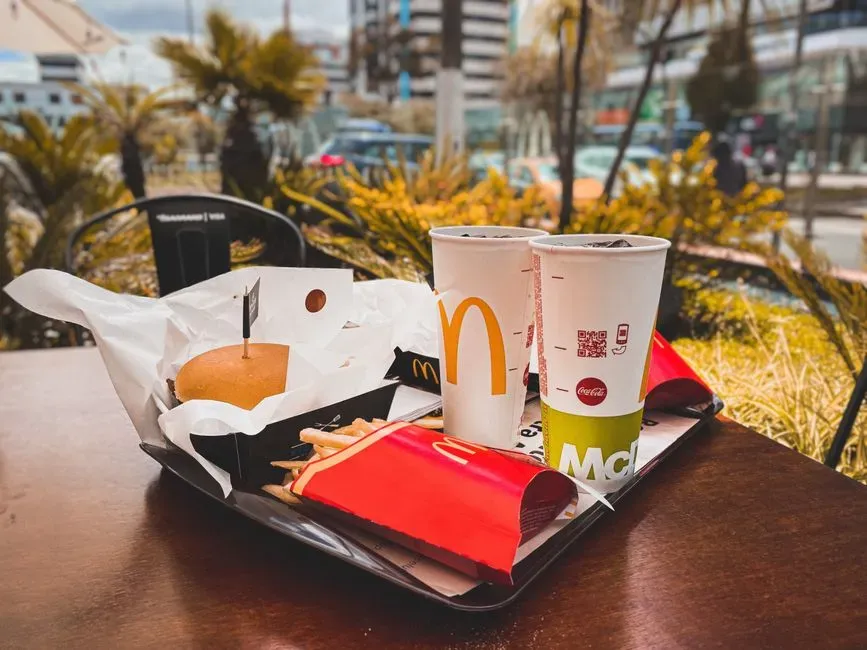
McDonald's: the burger everyone measures against (Image Credits: Pexels)
I started with McDonald’s because it felt like the fairest baseline. It’s still the most recognizable name in the category, and its footprint backs that up. There are 13,851 McDonald’s locations in the United States as of June 2026, which means almost nobody in the country is far from one.
The burger itself was exactly what I expected: thin, salty, a little steamed in texture, and comforting in a way that’s hard to explain. It’s not a burger you savor, it’s one you recognize instantly, like a jingle you didn’t know you memorized. Fries were good, hot, and gone in about four minutes.
Burger King: flame-grilled promise, mixed delivery
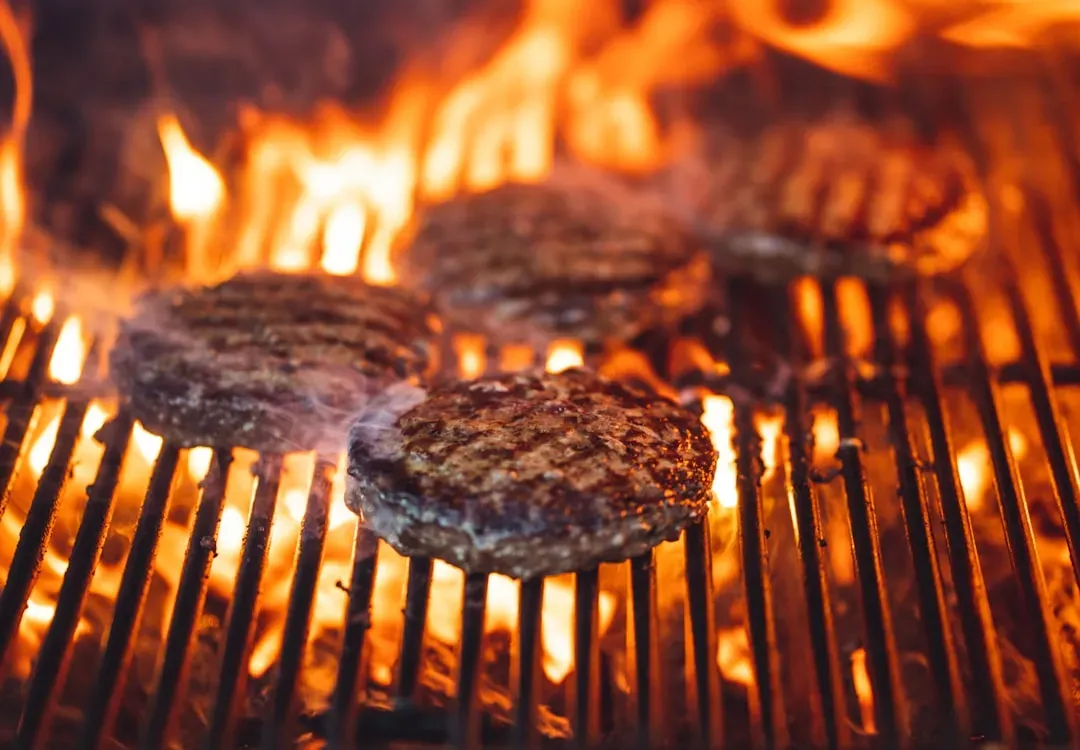
Burger King: flame-grilled promise, mixed delivery (Image Credits: Unsplash)
Burger King leans hard on its flame-grilled identity, and when it’s done right, you can genuinely taste the difference from a griddled patty. My burger had decent char and a slightly smoky edge that McDonald’s doesn’t really attempt. The bun, though, felt a bit flimsy under the weight of the toppings.
Burger King remains a distant number two in the burger space by store count, with roughly half of McDonald’s footprint in the U.S. That gap has shaped a lot of its recent strategy, including remodels and value menu pushes aimed at closing the distance. The fries on my visit were underwhelming, a little limp, which took some shine off an otherwise solid burger.
Wendy's: fresh beef makes a real difference
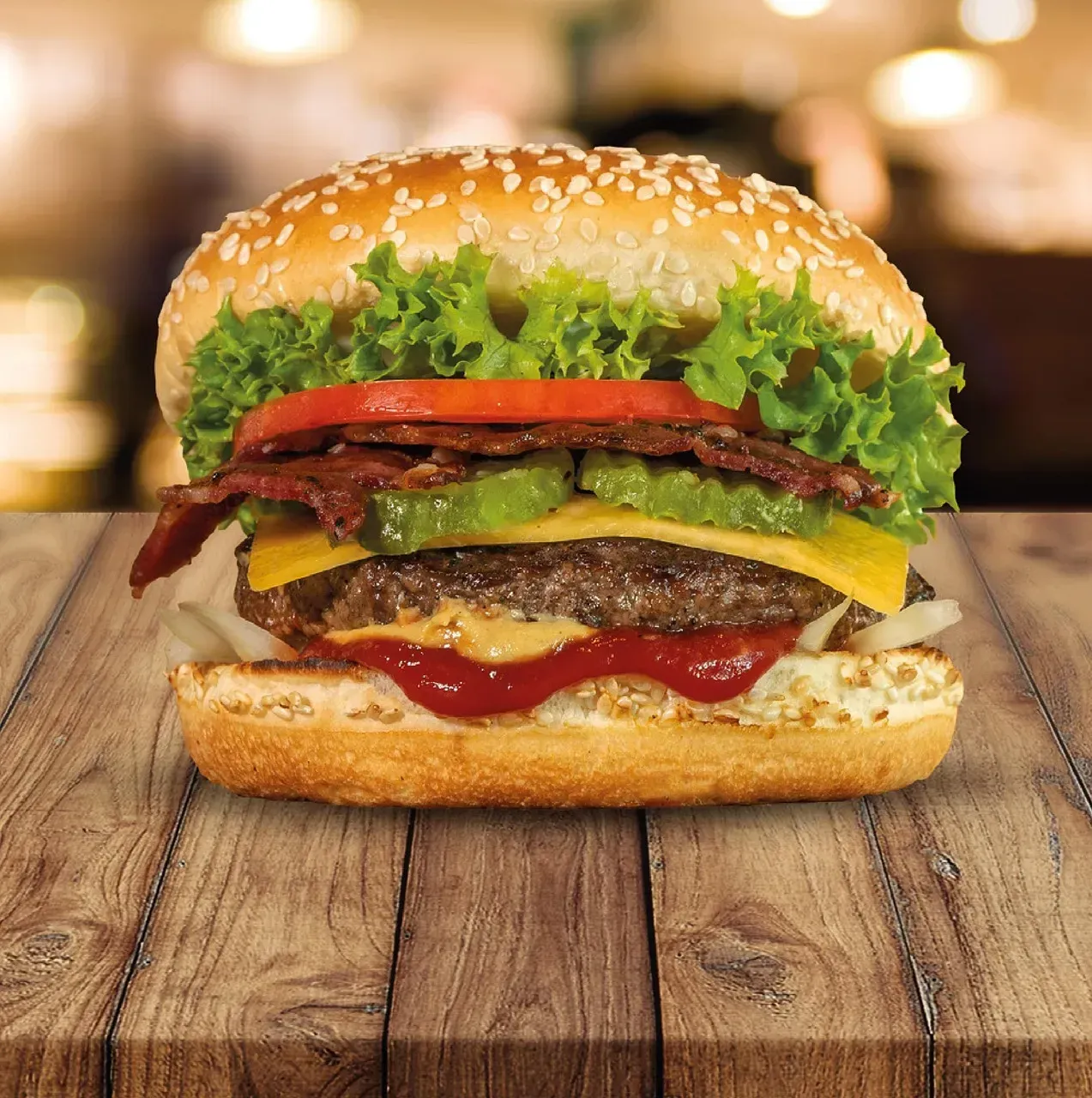
Wendy's: fresh beef makes a real difference (Image Credits: Pixabay)
Wendy’s has built its identity around never-frozen beef, and it shows in the texture. The patty had more bite and a juicier center than either of the first two stops, and the square shape still amuses me every time I unwrap it. This was the first burger of the week that felt like it had actual thought put into the seasoning.
The chain sits well behind McDonald’s and Burger King in raw location count, but it consistently punches above its size in taste rankings among the major three. My fries here were the best of the “big three” so far, with a light seasoning that didn’t overpower the potato flavor. It was a strong recovery after Burger King’s soft showing.
In-N-Out: the hype, tested in person
In-N-Out: the hype, tested in person (Image Credits: Unsplash)
In-N-Out is the chain people talk about like it’s a rite of passage, and I went in trying not to let expectations cook the experience. The Double-Double lived up to a lot of the talk: fresh lettuce, a tomato that actually tasted like something, and a sauce that ties it together without drowning the beef. It’s a simple burger, but every component pulls its weight.
Part of the appeal is scarcity. In-N-Out currently has more than 400 restaurants across California, Nevada, Arizona, Utah, Texas, Oregon, Colorado, Idaho, Washington and Tennessee, with California accounting for more than 65 percent of all locations. That limited footprint has made every new market opening a genuine event, and a 2022 nationwide study of more than 5,000 consumers found In-N-Out earned an 80 percent overall satisfaction score, roughly double that of major competitors such as McDonald’s and Burger King. I understand the reputation now. It earns it.
Five Guys: customizable, but it costs you
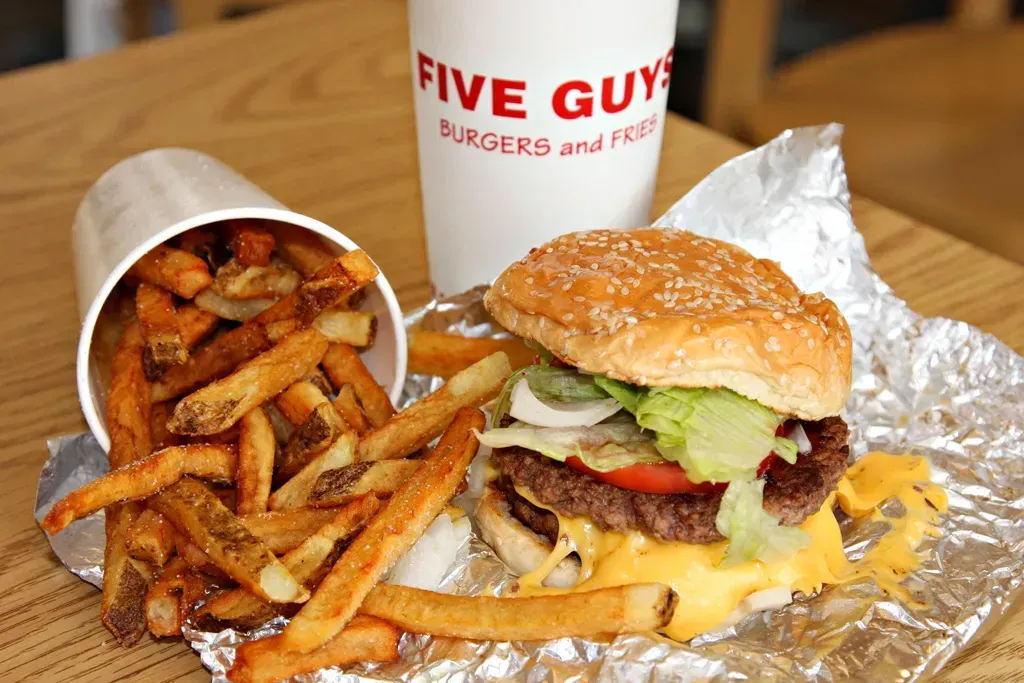
Five Guys: customizable, but it costs you (Five Guys Burgers and Fries, <a href="https://commons.wikimedia.org/w/index.php?curid=91190807" target="_blank" rel="noopener">CC BY 2.0</a>)
Five Guys hands you a lot of control, from bun toppings to a scoop of free peanuts while you wait. The patty is thicker and messier than anything from the first four chains, with a crust that suggests it’s actually been seared rather than steamed. It’s a satisfying burger, dense in a way that makes you slow down.
The price stings a bit more here, and the free toppings can’t quite offset that. The brand ended 2024 with 1,558 U.S. restaurants, a sign it’s still growing steadily even as it faces some regional closures in 2026. Fries came in a generous portion, almost comically large, but I found them a touch greasy by the time I finished the bag.
Shake Shack: the upscale contender
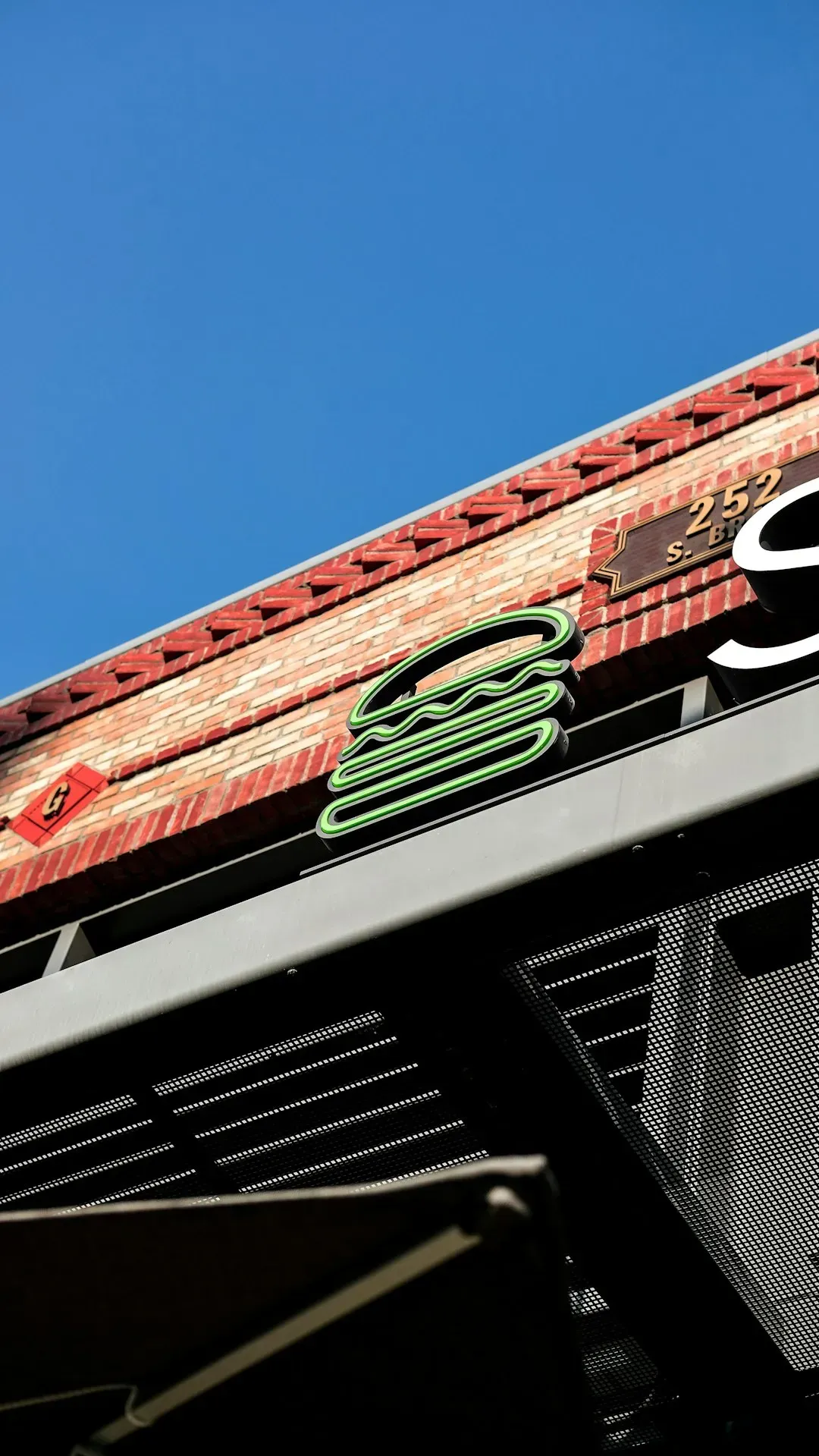
Shake Shack: the upscale contender (Image Credits: Unsplash)
Shake Shack feels like the chain built for people who want fast food with a slightly elevated feel, and the ShackBurger delivers on that pitch. The patty had a crisp edge and a soft, almost pillowy potato bun that held everything together without falling apart. ShackSauce brings a tangy note that separates it from the ketchup-and-mustard crowd.
Its growth has been notable for a chain that started as a single hot dog cart in a New York City park. Shake Shack has nearly 700 locations in about three dozen states from coast to coast, with additional international locations. The fries, crinkle-cut and well salted, were among the best of the week, though the overall price point puts it closer to a sit-down lunch than a quick bite.
Whataburger: Texas pride, big portions
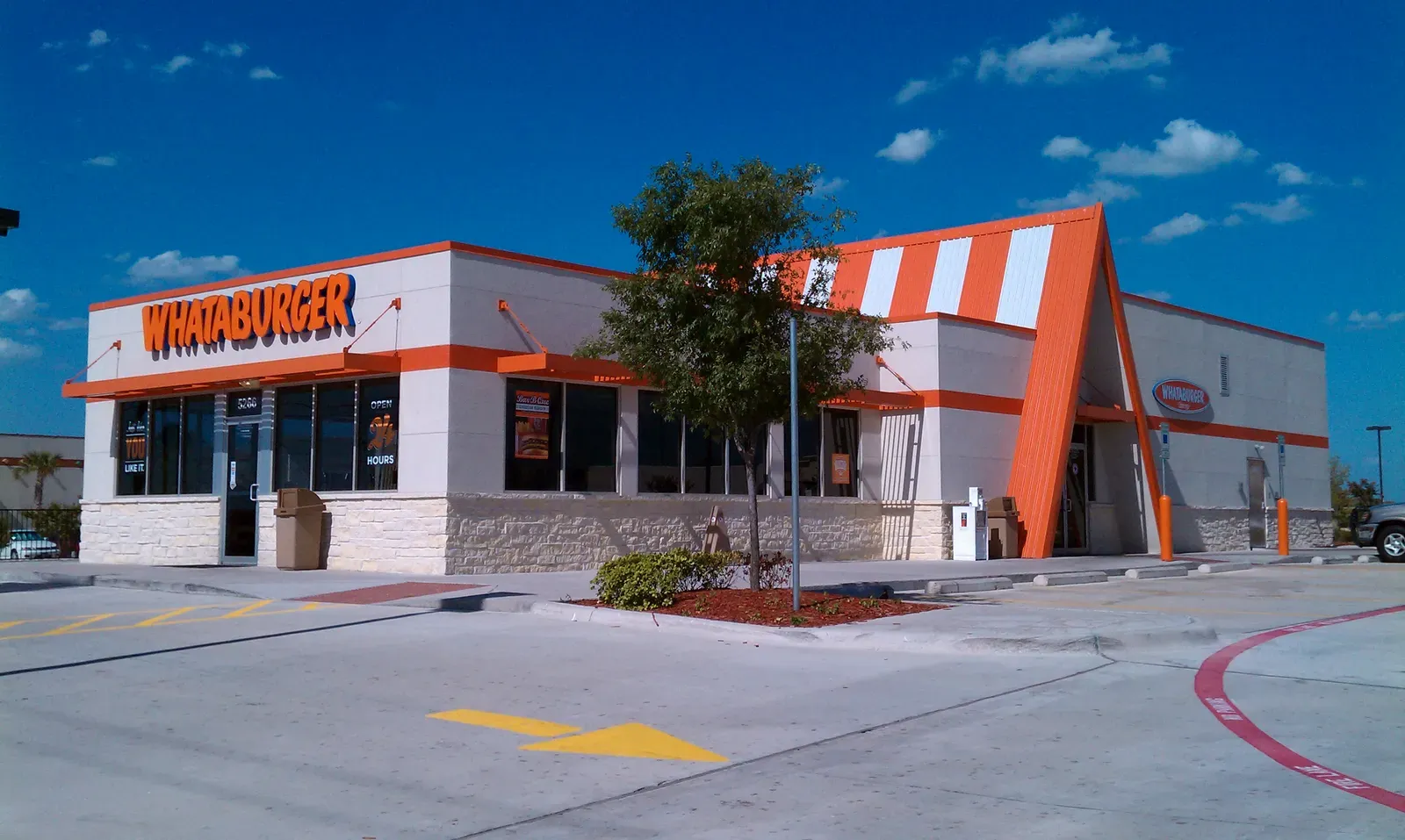
Whataburger: Texas pride, big portions (I created this work entirely by myself.
Transferred from en.wikipedia by SreeBot, <a href="https://commons.wikimedia.org/w/index.php?curid=16935720" target="_blank" rel="noopener">CC BY-SA 3.0</a>)
Whataburger doesn’t try to be subtle. The burger is bigger, the bun is toasted with a distinct char, and the whole thing feels built for people who want their money’s worth. It’s also a chain with a genuinely loyal regional fan base, the kind of place where locals get defensive if you compare it to anything else.
The brand has stayed rooted primarily in the South and Southwest, with steady rather than explosive growth. As of 2025, Whataburger operates in 16 states, cementing its footprint in both core and emerging markets. Per-store sales tell a similar story of strength, with the chain reportedly posting some of the highest average unit volumes in the burger category. My only complaint was the fries, which felt a step behind the burger in quality.
Culver's: butterburgers and a different kind of comfort
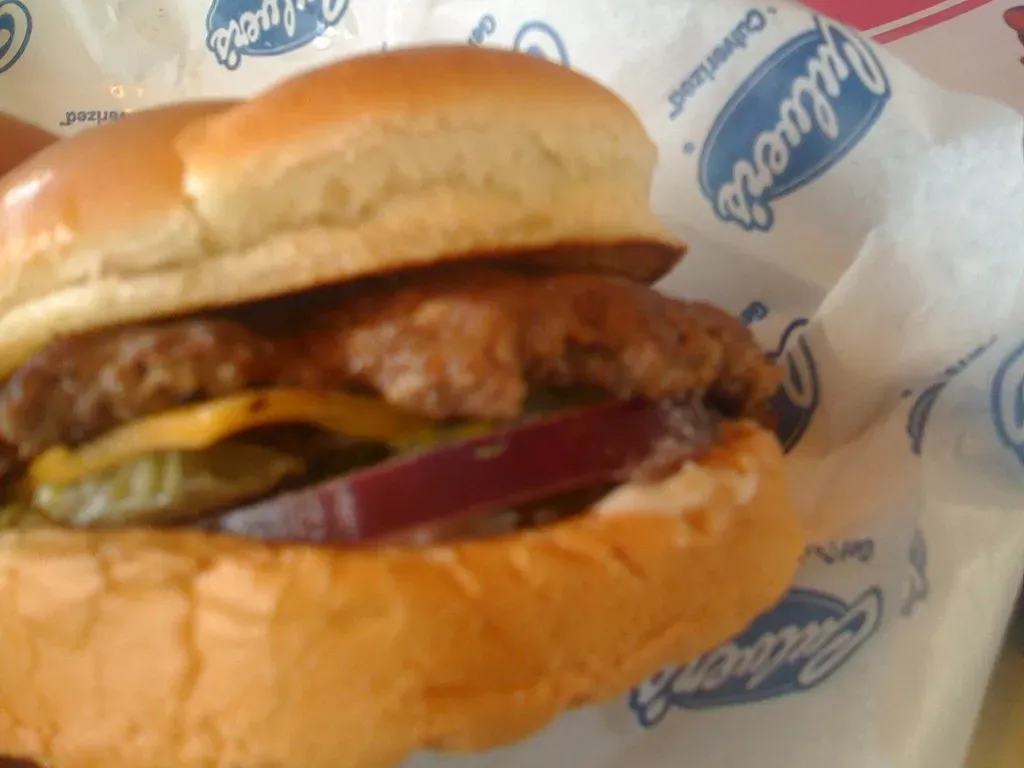
Culver's: butterburgers and a different kind of comfort (arnold | inuyaki, Flickr, <a href="https://creativecommons.org/licenses/by/2.0/" target="_blank" rel="noopener">CC BY 2.0</a>)
Culver’s was the wildcard of the week, and it turned into one of the more pleasant surprises. The ButterBurger lives up to its name with a lightly buttered, toasted bun that adds a subtle richness without feeling greasy. It’s a smaller, tighter patty than Five Guys or Shake Shack, but the flavor punches above its size.
Culver’s has been quietly expanding well beyond its Wisconsin roots in recent years. In total, there are just over 1,000 Culver’s locations in the U.S., with the vast majority of them franchised. The chain has also kept up a steady pace of new openings, adding 55 new locations in 2025 after opening 53 the year before. The crinkle-cut fries here were solid, though the real standout on the side was the frozen custard, which isn’t technically part of the test but was hard to ignore.
My favorite after a full week of burgers
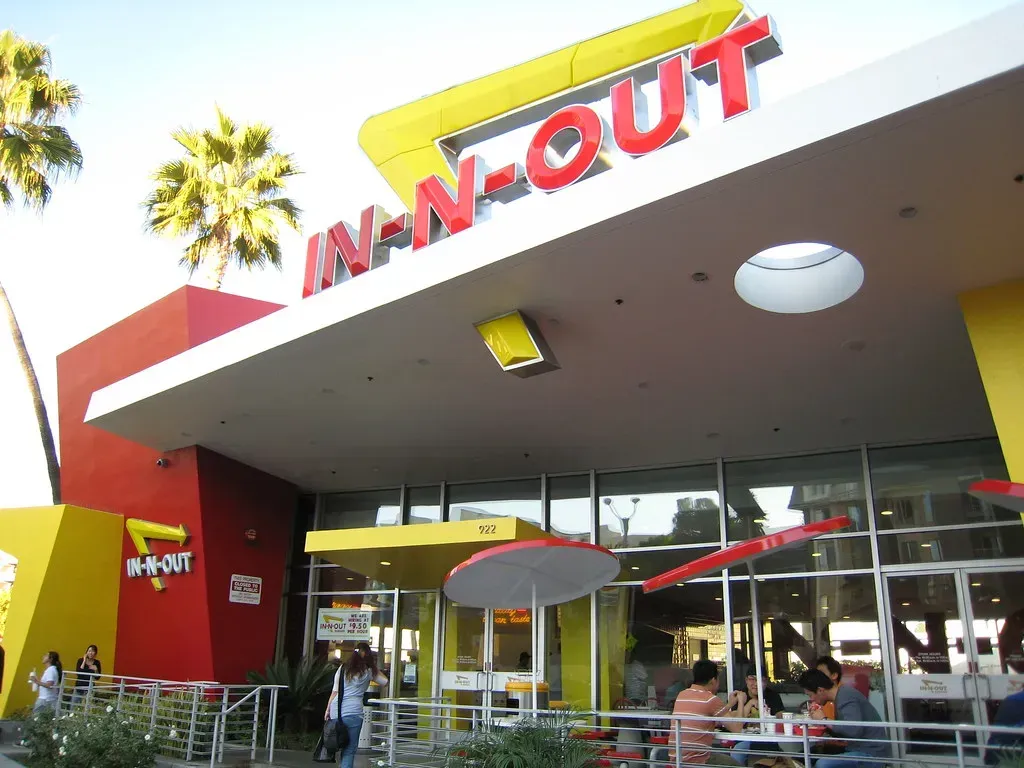
My favorite after a full week of burgers (Wallslide, Flickr, <a href="https://creativecommons.org/licenses/by/2.0/" target="_blank" rel="noopener">CC BY 2.0</a>)
By the end of the week, the choice came down to three: In-N-Out, Wendy’s, and Culver’s. McDonald’s wins on nostalgia and Shake Shack wins on polish, but neither quite matched the balance I was looking for between value, freshness, and flavor.
In the end, In-N-Out edged out the competition for me. The simplicity of the menu forces every ingredient to matter, and nothing on that burger felt like filler. It’s not the biggest patty of the week, not the most expensive, and not the most elaborate, but it was the one I’d genuinely go out of my way to order again.