
Airports are full of quiet tells. Long before boarding groups get called, you can usually spot who has traveled a hundred times and who is still figuring out how liquids work at security. Much of that story sits in the bag people wheel, sling, or clutch onto the plane, and it turns out that small choice reveals a surprising amount about habits, priorities, and even personality.
The hard-shell roller loyalist
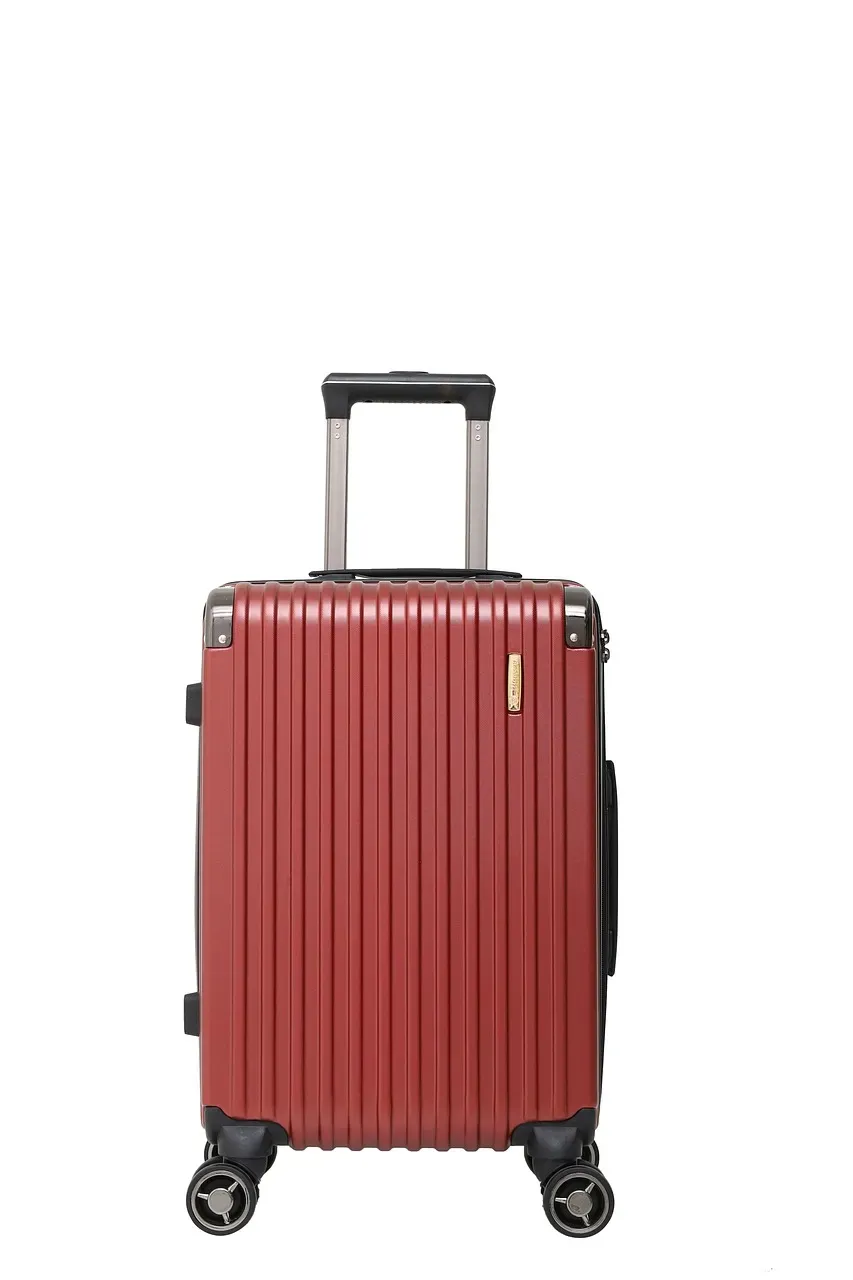
The hard-shell roller loyalist (Image Credits: Pixabay)
People who swear by a hard-shell spinner tend to value protection and predictability over flexibility. These bags are built to shrug off rough baggage handlers and rainy tarmacs, which appeals to travelers who pack breakable souvenirs, camera gear, or clothing they refuse to see wrinkled. The four-wheel spinner design also lets users glide through terminals with minimal effort, a detail frequent flyers notice after enough sprints through Atlanta or O'Hare.
This traveler usually has a system. Packing cubes, a designated toiletry pouch, and a specific pocket for chargers are common signs of someone who has learned from past chaos. The hard shell says something else too: this person plans routes, checks weather before departure, and rarely improvises once they are airborne.
The soft-sided duffel minimalist
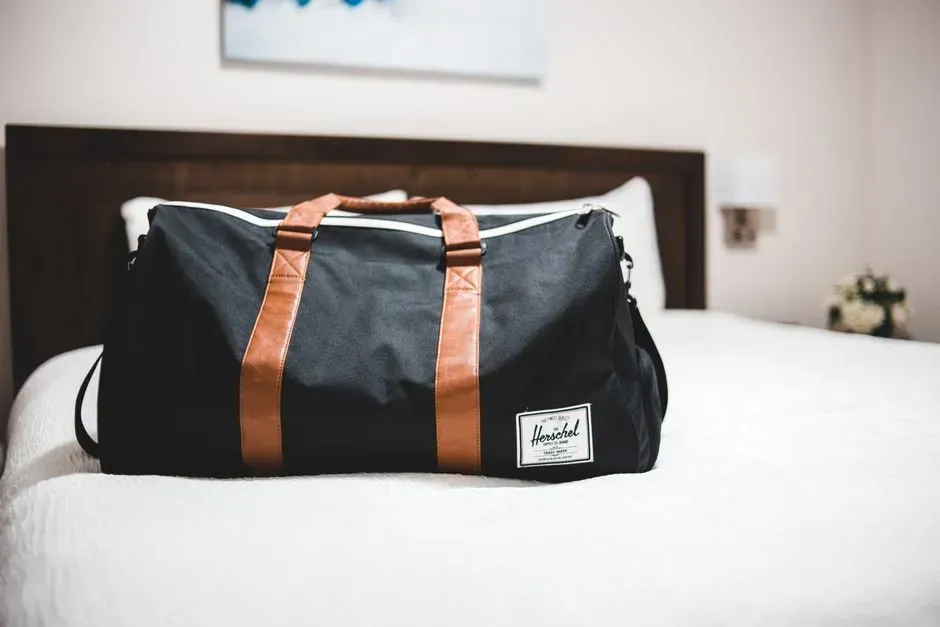
The soft-sided duffel minimalist (Image Credits: Pexels)
Soft duffels are the choice of travelers who prioritize flexibility over structure. A duffel squishes into overhead bins that a rigid suitcase never could, and it can be stuffed under a seat when a flight is unexpectedly full. People who choose this style often travel for shorter, less predictable trips where cramming in one more item matters more than keeping everything perfectly organized.
There is also a practical honesty to the duffel crowd. They tend to pack less, worry less about wrinkles, and accept that their belongings will shift around mid-flight. It signals someone comfortable with a bit of disorder in exchange for speed and ease at the gate.
The backpack-only nomad

The backpack-only nomad (Image Credits: Unsplash)
Backpack travelers, especially those who fit everything into a single 40-liter bag, are often chasing independence more than comfort. This style has grown alongside remote work and long-term travel trends, with more people documenting how to live out of one backpack for months at a time. The appeal is obvious at a crowded airport, since there is no waiting for an overhead bin, no lifting a bag above shoulder height, and no fear of losing wheels on cobblestones.
This traveler usually prioritizes mobility over polish. Clothes get chosen for versatility rather than variety, and packing lists get trimmed ruthlessly before departure. It is a style that rewards discipline, and travelers who stick with it long enough often describe a strange relief in owning less while moving more.
The overpacked worrier

The overpacked worrier (Image Credits: Pexels)
Some travelers arrive at the gate with a carry-on straining at its zippers, stuffed with backup chargers, extra layers, and snacks for emergencies that rarely happen. This habit usually comes from anxiety rather than carelessness, a desire to be prepared for every possible scenario a trip might throw at them. Airlines have tightened carry-on size enforcement in recent years, and many overpackers find themselves gate-checking a bag they insisted would fit.
There is a comforting logic behind the extra weight, even if it slows things down. These travelers tend to research their destinations obsessively beforehand, checking weather forecasts and packing lists from strangers online. The bag becomes a security blanket, one that says this person would rather carry too much than risk being caught without something they might need.
The tech-heavy business flyer
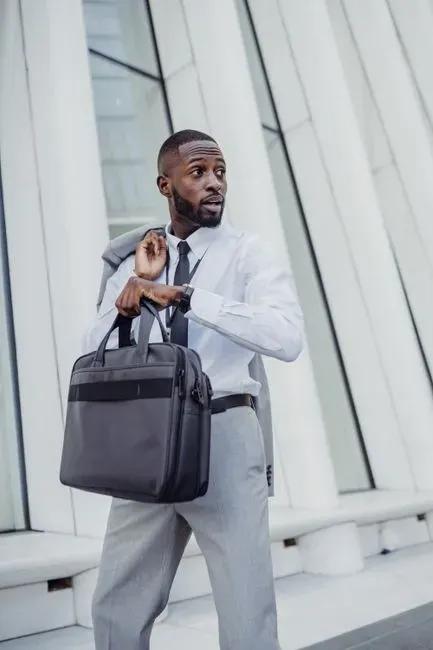
The tech-heavy business flyer (Image Credits: Pexels)
Carry-ons built around laptop sleeves, cable organizers, and a dedicated compartment for a tablet usually belong to someone traveling for work. These bags are often slimmer and more structured, designed to slide easily under a bulkhead seat or into an overhead bin without a fight. Frequent business travelers also tend to favor bags with quick-access pockets for boarding passes and passports, since time at security and boarding checkpoints adds up over dozens of trips a year.
This traveler treats the carry-on almost like a mobile office. Efficiency matters more than style, though many of these bags have quietly become fashionable in their own understated way. The choice reflects someone who travels often enough that friction, even small friction, becomes worth eliminating.
The fashion-forward statement piece
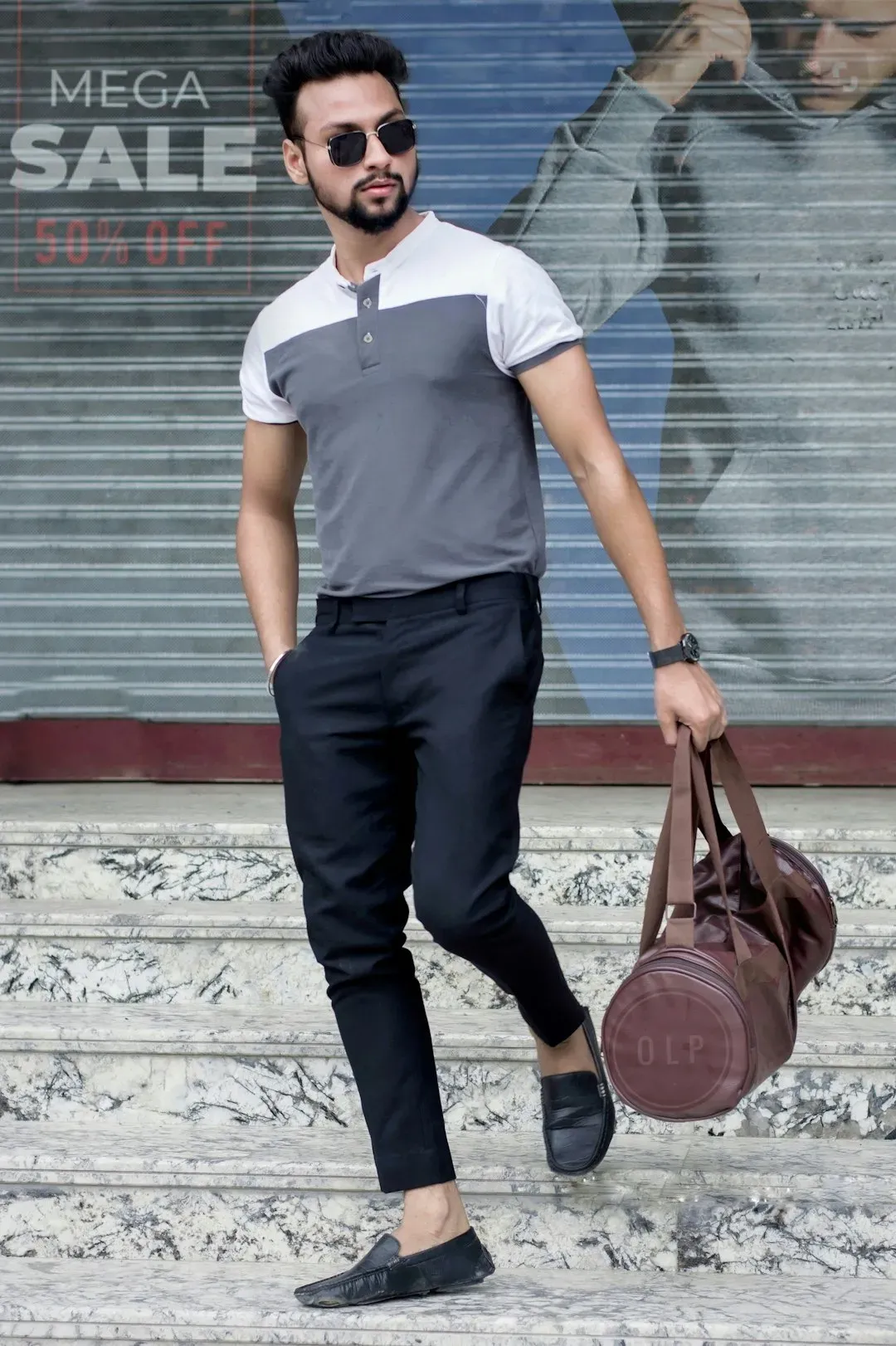
The fashion-forward statement piece (Image Credits: Unsplash)
A carry-on chosen for its look rather than its function says something different entirely. Bright colors, designer branding, or a distinctive pattern often belong to travelers who see the airport itself as part of the experience, not just a stop on the way to one. Social media has amplified this trend, with travel influencers frequently showcasing coordinated luggage sets as part of their overall aesthetic.
This does not necessarily mean impracticality. Many stylish carry-ons still meet standard size restrictions and functional needs, but the priority order is different. Appearance comes first, and practicality gets built around it rather than the other way around.
The budget traveler with a well-worn bag
The budget traveler with a well-worn bag (Image Credits: Unsplash)
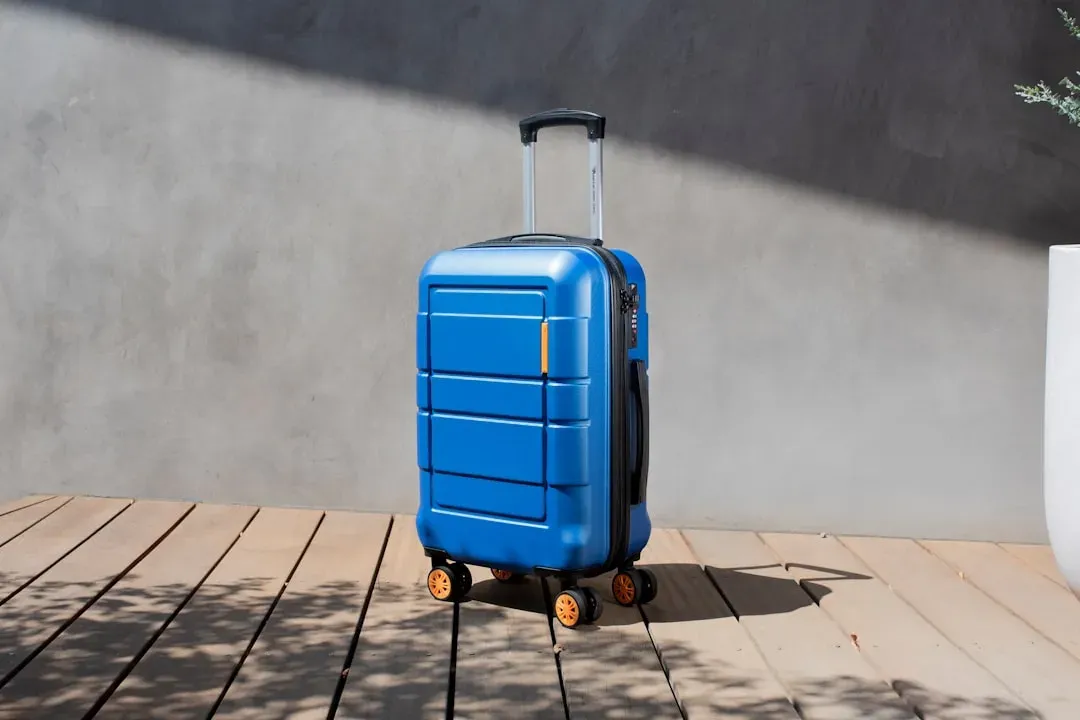
Scuffed corners, a broken zipper pull replaced with a paperclip, stickers from a dozen destinations. This carry-on tells the story of someone who travels often but spends carefully, prioritizing experiences over gear. Budget airlines have made strict size and weight limits a defining feature of air travel in recent years, and travelers who fly them frequently learn exactly how far a bag can be pushed before it gets flagged at the gate.
There is a kind of pride in this approach. A bag that has clearly survived years of travel suggests someone who trusts function over form, and who would rather spend money on the trip itself than on the container that holds their belongings. It often signals experience, since only frequent flyers accumulate that much wear.
The rolling underseat bag optimizer
The rolling underseat bag optimizer (Image Credits: Unsplash)
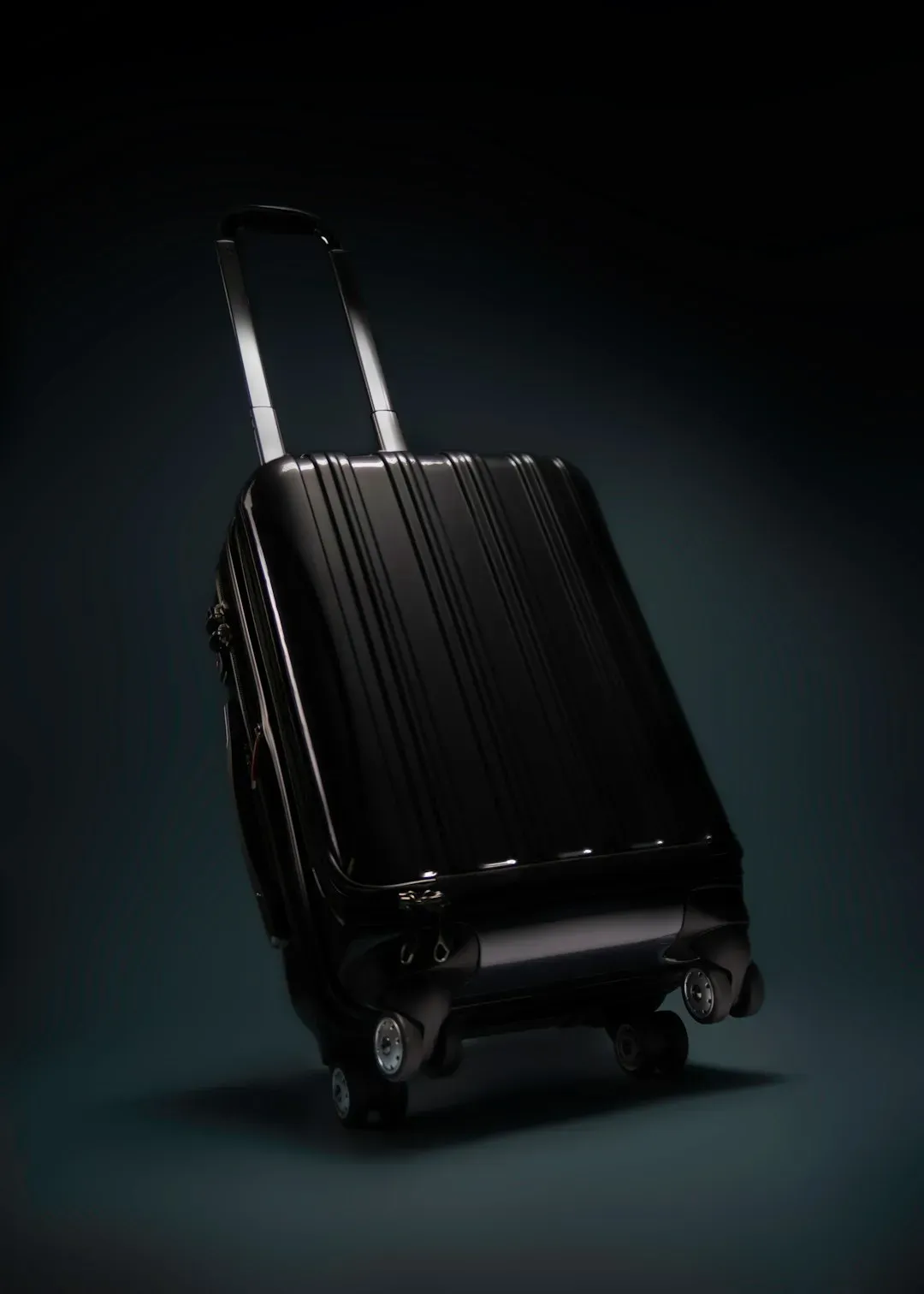
A newer category has emerged as airlines increasingly enforce stricter carry-on sizing, particularly on budget and regional carriers. Underseat rolling bags, designed to meet the smallest allowed dimensions while still offering wheels, appeal to travelers who want mobility without risking a gate-check fee. This style has grown noticeably in popularity as more airlines adopt sizing templates at boarding gates to catch oversized bags before they reach the cabin.
Choosing this bag signals someone who has done their homework. These travelers tend to know exact airline policies before booking, and they would rather sacrifice a bit of packing space than deal with the uncertainty of gate-checking. It is a practical, slightly cautious choice, built around avoiding surprises rather than maximizing capacity.
The mismatched improviser
The mismatched improviser (Image Credits: Unsplash)
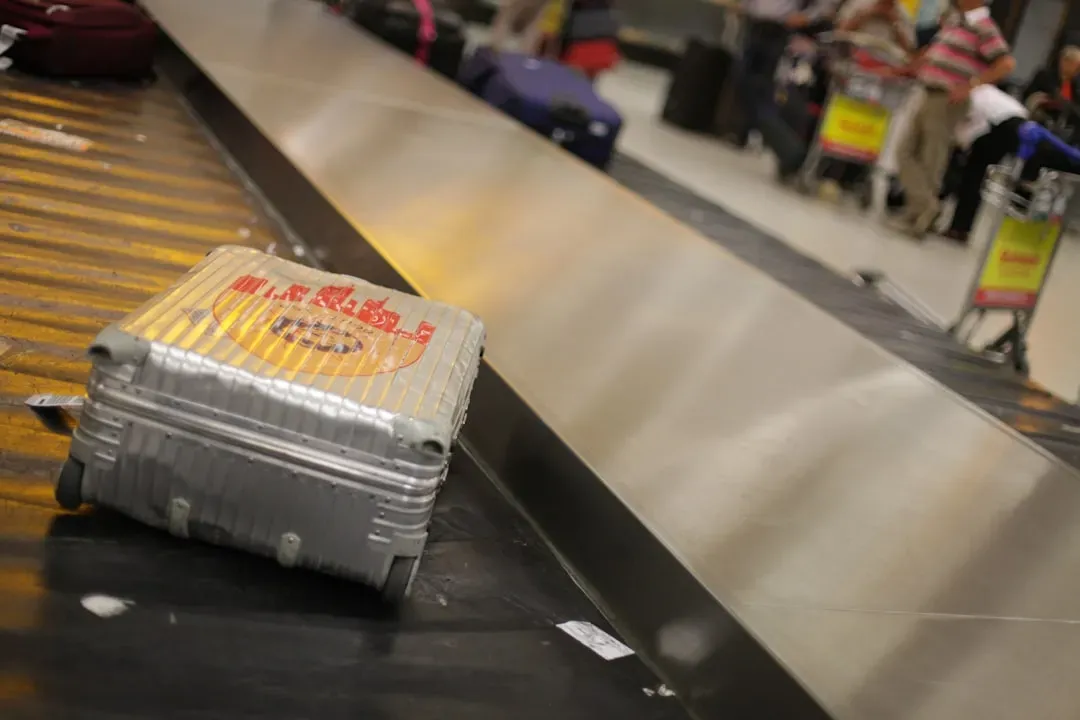
Not every carry-on is a proper suitcase. Tote bags borrowed from other trips, reusable grocery bags pressed into service, or a backpack clearly meant for hiking rather than flying all fall into this category. This traveler often did not plan the trip far in advance, or simply does not see luggage as something worth investing in.
There is a certain freedom in this approach, even if it looks chaotic at the gate. These travelers tend to be spontaneous, prioritizing the trip itself over the logistics of getting there looking polished. It often reflects someone who travels rarely enough that buying dedicated luggage never felt necessary, or someone so experienced that they simply stopped caring what their bag looked like.
The garment-bag professional
The garment-bag professional (find eric, Flickr, <a href="https://creativecommons.org/licenses/by-sa/2.0/" target="_blank" rel="noopener">CC BY-SA 2.0</a>)
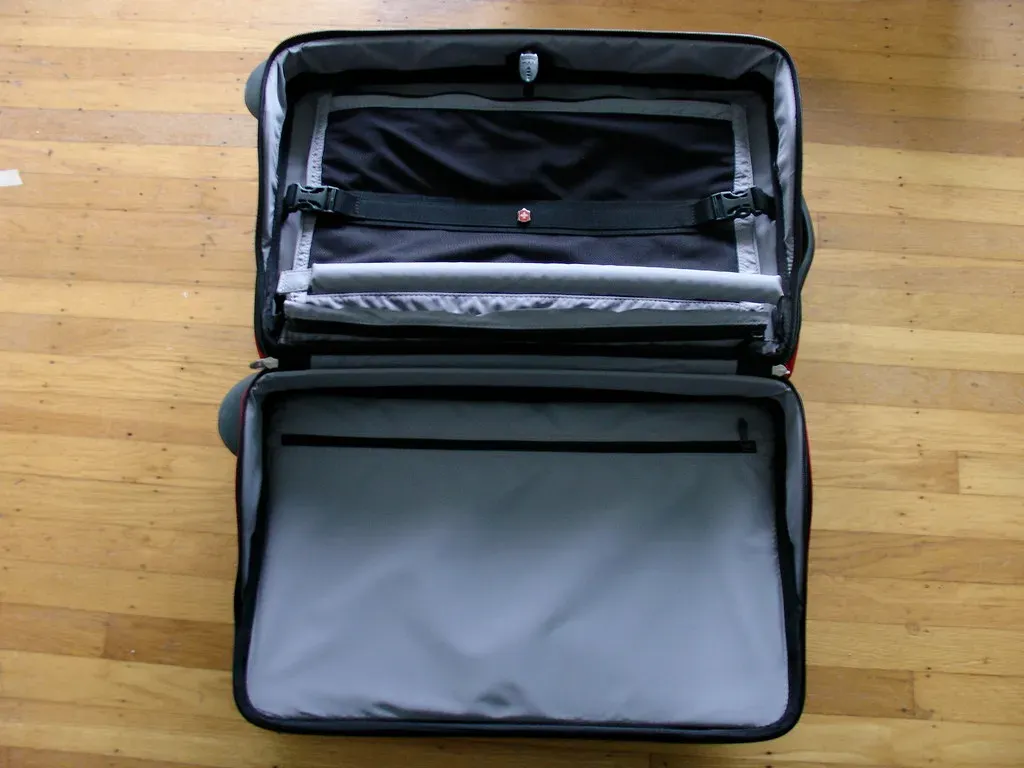
Garment bags, whether carried separately or built into a hybrid carry-on, belong to a specific kind of traveler heading to a specific kind of event. Weddings, conferences, and business trips requiring a suit or formal dress often call for this style, since folding fine fabric into a standard suitcase risks wrinkles that no amount of steaming fixes easily. Airlines still generally allow one garment bag as part of the standard carry-on allowance, though sizing rules have gotten stricter across many carriers in the past few years.
This traveler is thinking ahead about arrival, not just departure. They are picturing the moment they step off the plane and need to look presentable within hours, not days. It is a small but telling detail, since most casual travelers never think twice about wrinkle prevention the way garment-bag users do.