
Ask a millennial about modern dating and you'll likely get a raised eyebrow, maybe even a nervous laugh. Ask a Gen Zer the same question, and they'll shrug like nothing about it is unusual at all. Somewhere between smartphones becoming an extension of the hand and dating apps turning courtship into a swipe-based economy, an entire generational language shift happened, and most people didn't notice until they tried to date across the age gap.
What one generation sees as thoughtful pacing, the other sees as avoidance. What looks like efficiency to a twenty-two-year-old can look like emotional distance to someone in their late thirties. These nine habits sit right at that fault line.
1. Sliding into DMs instead of asking someone out in person
1. Sliding into DMs instead of asking someone out in person (Image Credits: Pexels)
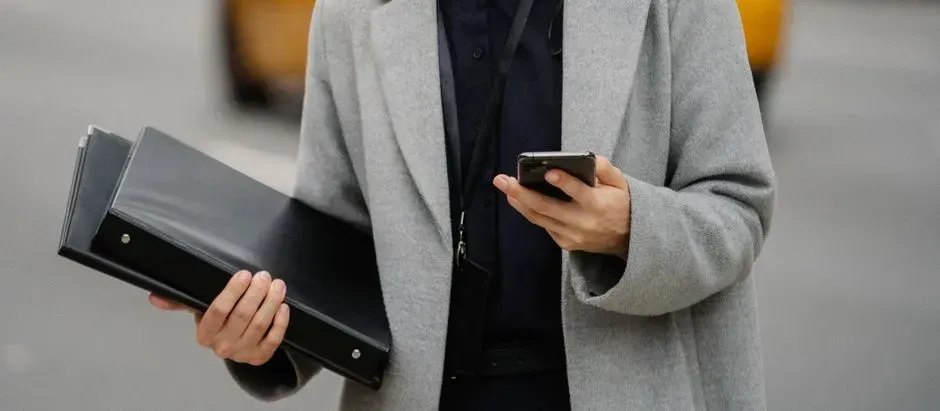
For a lot of Gen Z daters, direct messaging is simply the front door to a relationship, not a backup plan. Survey data backs this up clearly: “Sliding” into someone’s DMs is no longer taboo; it’s now mainstream, with 61% of men and 64% of women saying direct messaging someone on social media is an acceptable way to ask them out. Gen Z women in particular have embraced this approach, with 78% calling it acceptable.
Millennials, who came of age when a phone number exchanged in person felt like the real milestone, often find this baffling. To them, a comment on a photo followed by a DM conversation feels like a watered-down version of actually approaching someone. Gen Z would counter that it’s just a lower-stakes way to test the waters before any face-to-face risk is involved.
2. Calling it a "situationship" and being fine with that

2. Calling it a "situationship" and being fine with that (Image Credits: Unsplash)
The situationship, an undefined relationship that isn’t quite dating and isn’t quite nothing, has become a fixture of Gen Z romantic life. Where millennials tend to want clarity fairly early, whether that means “exclusive,” “seeing other people,” or “just friends,” younger daters often let things stay ambiguous for weeks or months without pushing for a label.
Part of this comes from a broader hesitation around commitment that shows up across the data. 71% of Gen Z say marriage is “important,” but only 36% say it is “very important,” a meaningful decline from 50% of millennials at the same age. The situationship, in a sense, is the relational equivalent of that same caution, keeping emotional stakes lower while still getting some of the benefits of closeness.
3. Falling for someone through weeks of texting before ever meeting
3. Falling for someone through weeks of texting before ever meeting (Image Credits: Unsplash)
A slower, text-heavy build-up before an actual date has become common enough that it has its own name: slow dating. Gen Z began investing more effort in sustaining conversations and forming deeper bonds online, with longer chats and more intentional communication before meeting in person. For many younger daters, this feels like a smart filtering step rather than wasted time.
Millennials, many of whom dated before texting fully replaced phone calls, often see this differently. Matchmakers who work across both generations describe how the pattern can backfire, noting that people fall in love via text, having weeks-long conversations with someone they’ve never met, and building entire relationships in their heads before ever seeing if there’s actual chemistry in person. The disappointment that sometimes follows an in-person meeting, after all that digital buildup, is exactly the kind of letdown older daters try to avoid by meeting sooner.
4. Expecting costs to be split rather than assuming the traditional pay structure
4. Expecting costs to be split rather than assuming the traditional pay structure (Image Credits: Pexels)
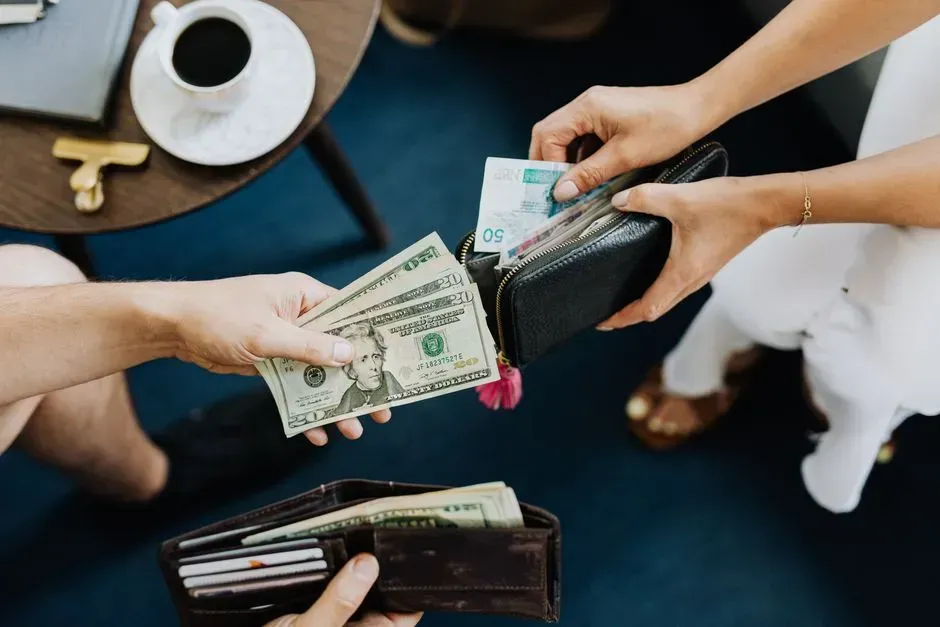
The old script of “he pays” has been quietly rewritten. Recent survey work found a real generational shift on this front. Gen Z women were more likely to believe that whoever plans the date should pay, showing a shift toward shared responsibility.
Physical expectations tell a similar story of divergence, though along different lines. 62% of millennial men said they would kiss on a first date, while only 37% of millennial women agreed. Gen Z’s approach to money on dates tends to be more practical and less symbolic, treating a first date more like splitting a bill with a friend than a test of someone’s intentions.
5. Soft launching a partner on social media instead of a clear announcement
5. Soft launching a partner on social media instead of a clear announcement (Image Credits: Pixabay)
Millennials popularized the “Facebook official” relationship status. Gen Z has replaced that with something far more ambiguous: the soft launch, a blurry photo, a hand in frame, a caption with no name attached. It signals “someone exists” without confirming anything.
This drives some older daters a little crazy, mostly because it removes the clarity they grew up expecting from a public relationship milestone. For Gen Z, though, the vagueness is often intentional. It lets them test how a relationship feels before inviting outside opinions, comments, and questions into something still finding its footing.
6. Treating hours-long video calls as a substitute for actual dates
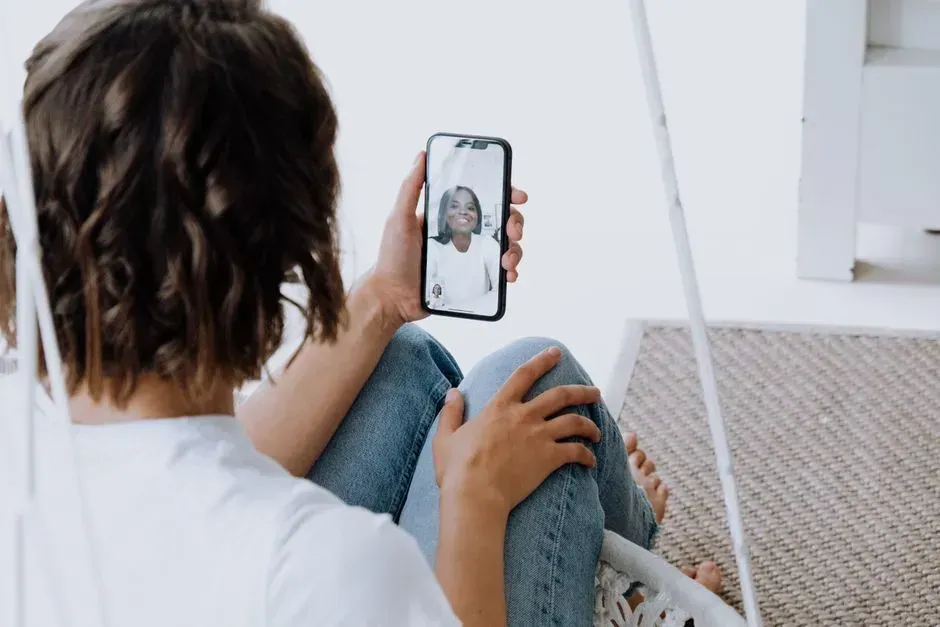
6. Treating hours-long video calls as a substitute for actual dates (Image Credits: Pexels)
Long-distance intimacy used to mean phone calls and letters. Now it often means marathon FaceTime sessions that stretch for hours, sometimes replacing in-person time entirely even when two people live in the same city. Millennials watching this unfold have voiced genuine confusion about it, with one common complaint being blunt: how is someone your boyfriend or girlfriend when you only ever text them, and why spend hours on FaceTime instead of physically being together, since not liking dating apps but also not liking going out or talking to people in person seems odd and contradictory.
Gen Z’s defense of this habit usually comes down to comfort and lower pressure. A video call doesn’t require getting dressed, choosing a venue, or navigating the awkward silences that can happen over dinner. It’s connection without the logistics, even if it means the relationship stays in a kind of holding pattern longer than older daters would tolerate.
7. Communicating in memes, voice notes, and GIFs instead of full sentences

7. Communicating in memes, voice notes, and GIFs instead of full sentences (Image Credits: Pexels)
Ask a Gen Zer to describe their feelings and you might get a fifteen-second voice memo, a reaction GIF, and maybe three words of actual text. This isn’t laziness so much as a different communication style entirely. Communication is no longer limited to text, as Gen Z increasingly uses memes, GIFs, voice notes, and video content to express personality and humor.
Millennials, who largely learned dating etiquette through paragraph-length texts and carefully worded messages, sometimes read this shorthand as a lack of effort. Gen Z would argue the opposite, that sending a perfectly timed meme actually requires more emotional intelligence than a generic text ever did, because it shows you know the other person well enough to make them laugh specifically.
8. Deleting and redownloading dating apps on a near-weekly cycle
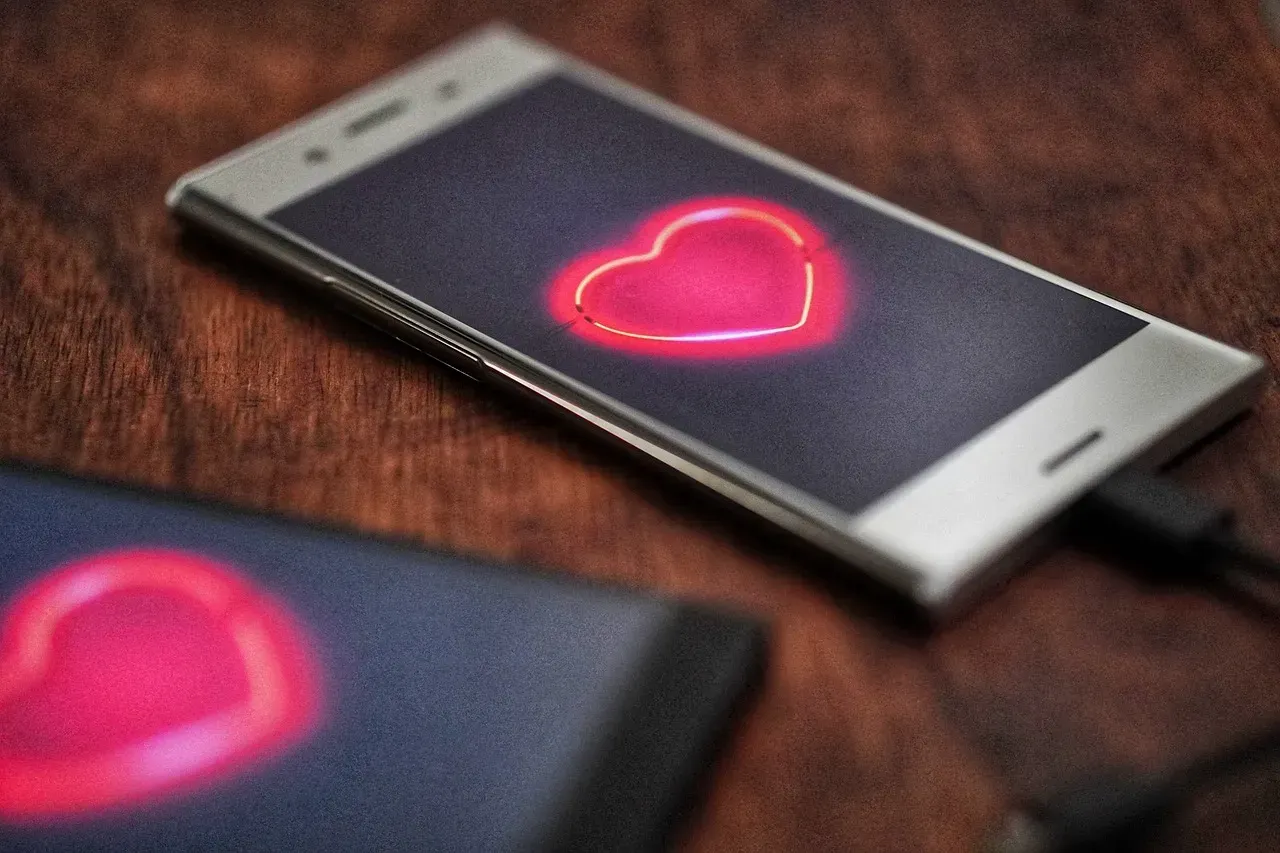
8. Deleting and redownloading dating apps on a near-weekly cycle (Image Credits: Pixabay)
Few habits capture Gen Z’s complicated relationship with dating apps better than the delete-reinstall loop. Burnout is widespread and well documented. A recent Forbes Health survey reported that 78 percent of millennials and Gen Z experience severe dating app burnout.
What’s distinct about Gen Z’s version of this fatigue is the cycle itself, deleting the app in frustration only to reinstall it days later out of boredom or loneliness. A striking 73% report ghosting at least once monthly, while 55% say they feel dating app fatigue after just six months of use. Millennials, many of whom stuck with one or two apps for years, often see this on-again-off-again pattern as more self-sabotage than strategy, even as growing numbers of Gen Z daters now supplement or replace apps entirely with community events and in-person meetups.
9. Preferring a short, low-pressure coffee date over a traditional dinner

9. Preferring a short, low-pressure coffee date over a traditional dinner (Image Credits: Unsplash)
The classic dinner-and-a-movie first date has lost its default status among younger daters. Coffee, or something similarly brief and casual, has become the standard opener instead. Coffee or tea ranked as the most universally acceptable first date across the generations surveyed, and Gen Z has leaned into that format especially hard, with the average first meeting reportedly lasting under two hours.
Millennials who came up believing a “real” date meant a planned dinner reservation sometimes read the short coffee meetup as noncommittal or even a little cold. Gen Z’s logic is more about risk management than romance, though: a thirty-minute coffee is easy to exit gracefully if there’s no spark, and easy to extend if there is one. It’s less about grand gestures and more about giving both people an easy off-ramp.
The gap between these two generations isn’t really about who’s doing dating “correctly.” It’s a byproduct of coming of age with entirely different tools, different economic pressures, and different ideas about what risk in a relationship even looks like. Millennials built their dating instincts before smartphones flattened every interaction into a message thread; Gen Z has never known dating without that layer of mediation. Neither approach is inherently better, but the friction between them explains why so many cross-generational conversations about dating end in mutual, good-natured confusion.