
There's a particular kind of calm that settles into a marriage after twenty, thirty, or forty years together. It isn't boredom, and it isn't resignation. It's something closer to trust that's been tested and held up over time.
Talk to women who've been married for decades and a pattern emerges. The anxieties that once kept them up at night, the ones that felt urgent in the early years, have quietly faded into the background. What's left is a shortlist of concerns that simply stopped mattering.
1. Whether their husband still finds them attractive

1. Whether their husband still finds them attractive (Image Credits: Unsplash)
In the early years of a marriage, physical appearance often carries an outsized weight. Women in long marriages describe a shift where that pressure loosens its grip, replaced by a confidence built on decades of being seen and chosen anyway. Gray hair, changing bodies, and the visible marks of aging stop feeling like liabilities and start feeling like evidence of a shared history.
This isn’t about giving up on looking good. It’s about no longer tying self worth to a partner’s fleeting glance or a stranger’s opinion. Women who’ve spent thirty or forty years with the same person often say the attraction that remains feels steadier and less conditional than it did at twenty five.
2. Small disagreements turning into something bigger

2. Small disagreements turning into something bigger (Image Credits: Pexels)
Every couple argues. What changes over time is the fear attached to those arguments. Longitudinal research on long-term marriages has found that negative emotional behavior, primarily belligerence, defensiveness, fear or tension, and whining, decreased while positive emotional behavior, primarily humor, enthusiasm, and validation, increased with age among couples studied over thirteen years.
That shift shows up in daily life as a quieter kind of conflict. Couples researchers have also found that compared with middle aged marriages, older couples showed reduced potential for conflict and greater potential for pleasure in several areas, along with equivalent levels of overall mental and physical health. Women in long marriages often describe knowing, almost instinctively, which disagreements matter and which ones will dissolve by morning.
3. What other people think of their marriage

3. What other people think of their marriage (Image Credits: Unsplash)
Younger couples sometimes feel pressure to perform happiness for an audience, whether that’s family, friends, or social media. Women decades into a marriage tend to let that performance go. They’ve usually weathered enough real ups and downs together that outside opinions carry far less weight than they once did.
There’s also a practical element here. After enough years, a couple has usually built its own private language and its own way of doing things, one that doesn’t always match what looks good from the outside. Once a woman has seen her marriage survive job losses, illness, or family conflict, a neighbor’s raised eyebrow stops registering as a threat.
4. Keeping the romance as intense as it was at the start
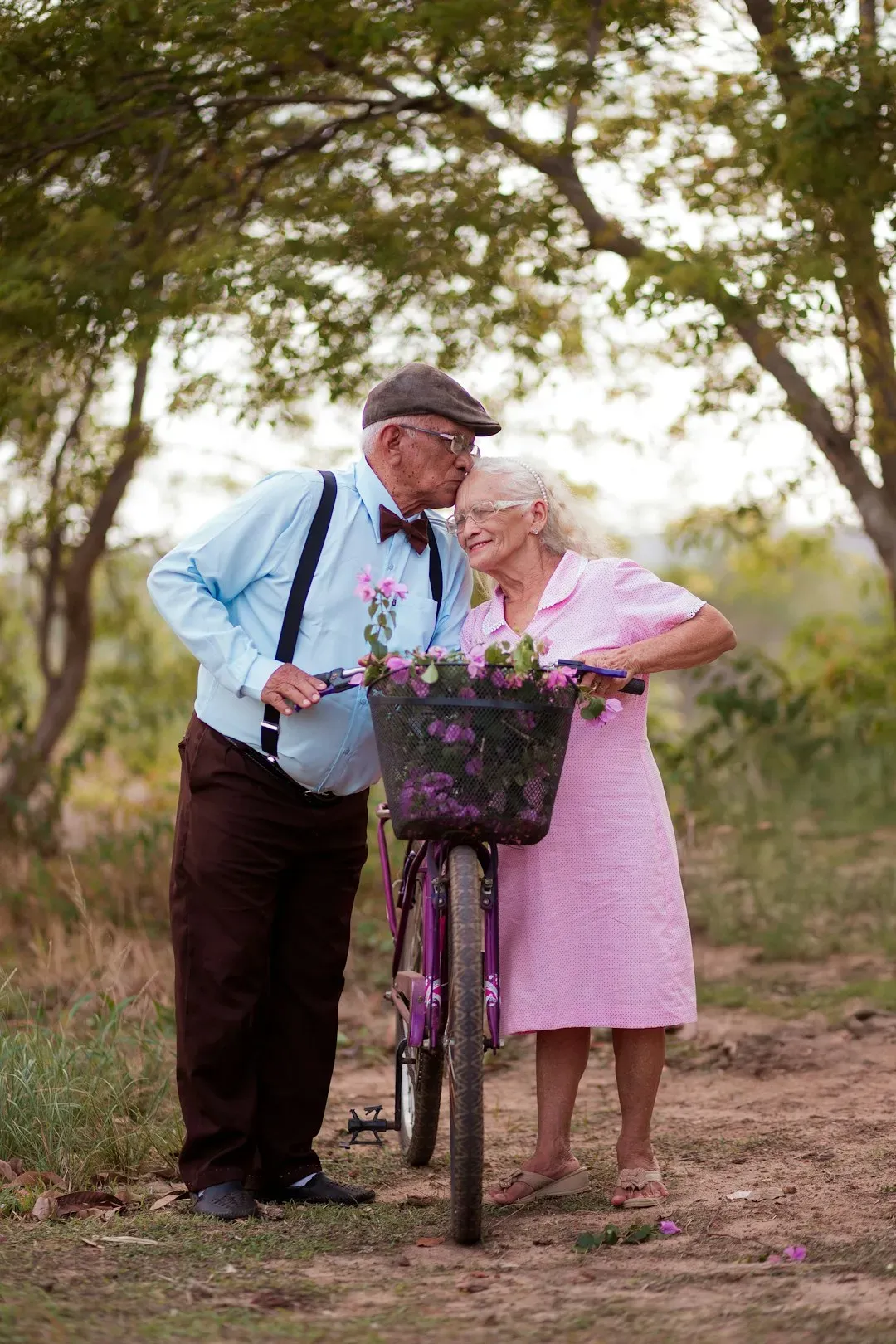
4. Keeping the romance as intense as it was at the start (Image Credits: Unsplash)
Early relationship intensity is exciting, but it’s also exhausting to maintain, and most long married women eventually accept that it isn’t sustainable or even necessary. What replaces it is usually described as something quieter but more durable, a kind of affection built on familiarity rather than novelty.
Researchers who have spent decades observing older couples have noted that those who stay together tend to develop real skill at connection over time. As one longtime marriage researcher put it, “You could say they have developed wisdom about how to make a marriage work. We have a lot to learn from them.” Women in these marriages often say the pressure to recreate early romance simply falls away once that wisdom sets in.
5. Financial disagreements spiraling out of control

5. Financial disagreements spiraling out of control (Image Credits: Gallery Image)
Money is one of the most common sources of tension in any relationship, particularly in the earlier years when budgets are tight and roles are still being worked out. Women in long marriages frequently say that after a few decades, financial decisions become more collaborative and less anxious, simply because the couple has already navigated major purchases, job changes, and financial setbacks together.
That doesn’t mean money stops being a topic of conversation. It means the emotional charge around it tends to soften. Having a long track record of managing money together, even imperfectly, tends to replace panic with a working system both partners already understand.
6. Whether the marriage will actually last
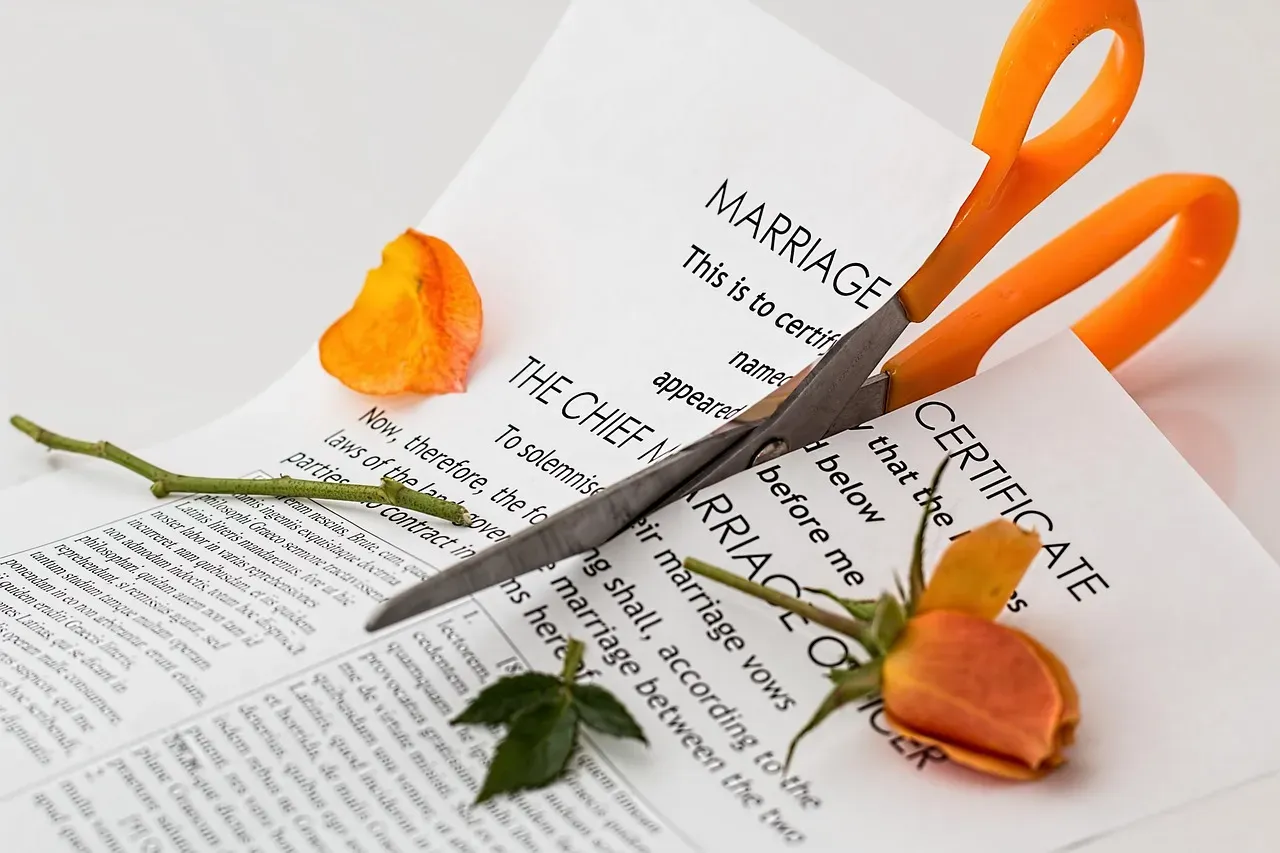
6. Whether the marriage will actually last (Image Credits: Pixabay)
This one comes with an important caveat. Divorce among older adults, often called gray divorce, has been rising for years. Research from the National Center for Family and Marriage Research shows that whereas only 8% of all persons divorcing in 1990 were aged 50 or older, today the share is nearly 40%, and separate reporting notes that the divorce rate among Americans age 50 and older has doubled since the 1990s.
Even so, that statistical trend doesn’t erase the personal sense of security many women describe after decades in a stable partnership. Interestingly, some researchers have found that the gray divorce rate has largely stagnated, and even declined slightly for adults aged 50 to 64, signaling that gray divorce is largely a Baby Boomer phenomenon. For women in genuinely long, settled marriages, the daily anxiety about the relationship ending tends to fade, replaced by a quiet confidence built on years of evidence rather than hope.
7. Who does which household chores
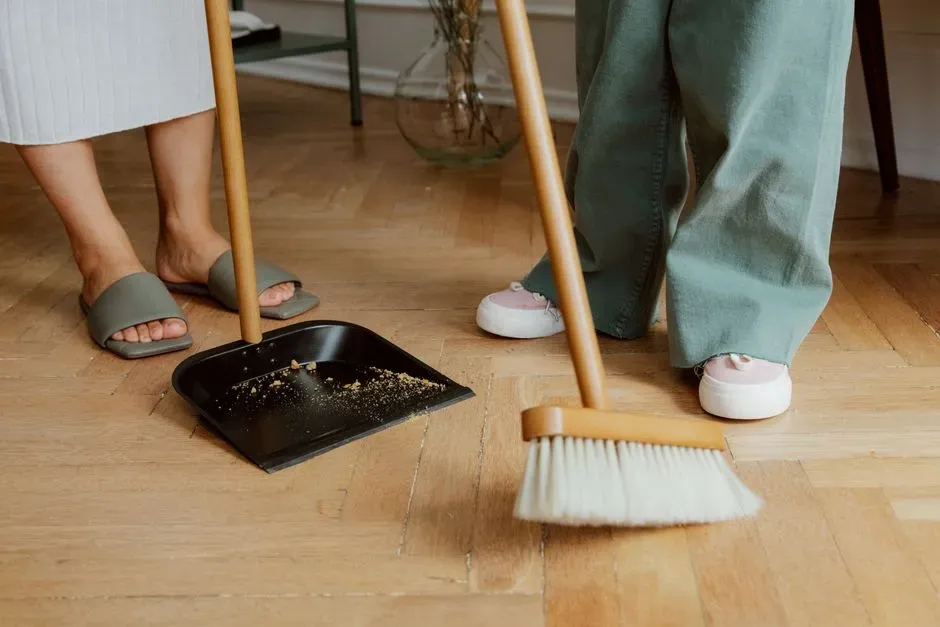
7. Who does which household chores (Image Credits: Pexels)
In the early years of living together, dividing labor at home can spark real friction. Who cooks, who cleans, who handles the bills, these questions often get renegotiated constantly. Women in long marriages tend to describe this as one of the areas that eventually just sorts itself out.
By the time a couple has been together for twenty or thirty years, the division of labor has usually settled into a rhythm that works, even if it isn’t perfectly equal on paper. The worry isn’t gone because the chores disappeared. It’s gone because both partners have found a system that no longer requires constant renegotiation.
8. Jealousy over friendships or outside relationships

8. Jealousy over friendships or outside relationships (Image Credits: Gallery Image)
Early in a relationship, jealousy can feel like a natural, if uncomfortable, companion. A partner’s friendships, coworkers, or even old photos can trigger real insecurity. Women who’ve been married for decades often say that kind of jealousy has largely dissolved, replaced by a baseline trust that doesn’t need constant reassurance.
This shift tends to track with the broader emotional changes researchers have observed in long marriages, where reactivity and defensiveness ease over time. Once a couple has built enough shared history, outside relationships stop feeling like competition and start feeling like a normal part of a full life.
9. Losing themselves inside the relationship

9. Losing themselves inside the relationship (Image Credits: Gallery Image)
Younger women sometimes worry that a serious relationship will swallow their individual identity, their friendships, their hobbies, their sense of self outside the partnership. Women who’ve been married a long time tend to report the opposite experience over time. A stable, secure marriage often ends up creating more room for individuality, not less, because the relationship no longer requires constant maintenance or reassurance.
Marital quality research supports this pattern in a subtle but meaningful way. Studies of older married couples have found that men who reported high levels of marital support from their wives reported significantly reduced levels of worry, a finding that speaks to how a strong partnership can lower anxiety rather than compound it. Many women describe a similar effect in reverse, where a secure marriage becomes a stable base rather than a source of self doubt.
Taken together, these shifts don’t mean long marriages are free of tension or difficulty. They mean the nature of the worry changes. The small, sharp anxieties of the early years tend to give way to something steadier, built on time, shared history, and the simple accumulation of evidence that the relationship works.
That steadiness is worth naming, especially in a cultural conversation that often focuses more on what goes wrong in marriages than on what quietly goes right. For many women, the absence of certain worries isn’t complacency. It’s the payoff of decades of showing up.