
Most travelers walk through airport security on autopilot, following the same routine they've used for years without checking whether the rules have actually changed underneath them. That's a problem in 2026, because TSA has quietly rewritten a surprising number of its procedures over the past year, from identification requirements to shoe removal to how carry-on bags move through the newer scanners.
The result is a checkpoint experience that looks familiar but works differently than it did even eighteen months ago. Small missteps, the kind nobody notices until they're standing at the front of the line, are exactly what slow everyone down.
1. Assuming your old driver's license still works
1. Assuming your old driver's license still works (Image Credits: Pexels)
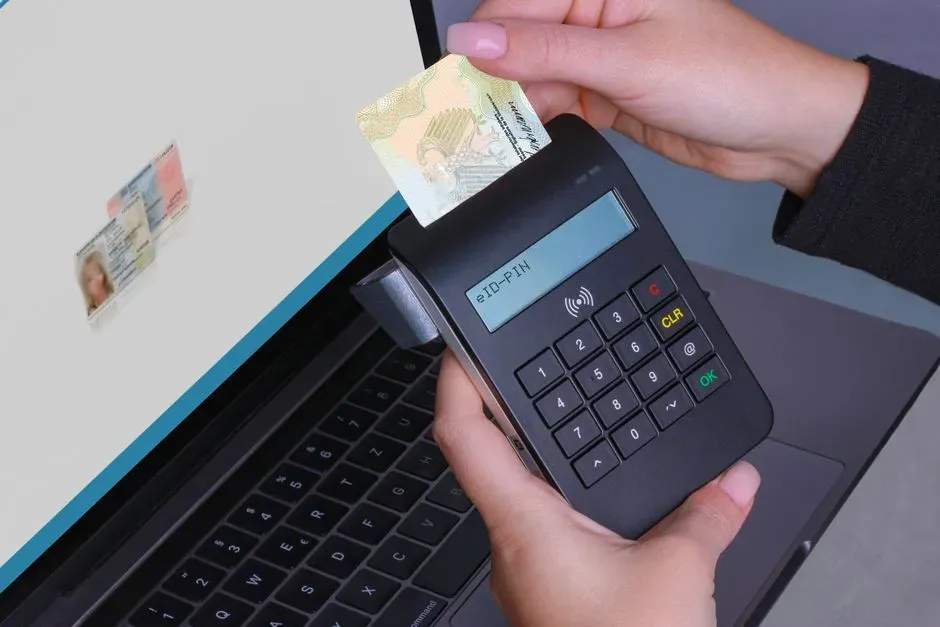
Full enforcement of the REAL ID Act began on May 7, 2025, and full enforcement of the REAL ID Act went into effect May 7, 2025. Since February 1, 2026, the stakes have gotten higher for anyone who skipped the update, because travelers without a REAL ID or other form of approved identification at U.S. airports for domestic flights face a $45 fee, dubbed the “TSA ConfirmID Fee.”
The fee isn’t the only cost. TSA has warned that travelers undergoing TSA ConfirmID screening should expect delays, possibly 30 minutes or more, and should factor this into their airport arrival time. Checking your license for the star marking before you leave the house takes ten seconds and can save you from a genuinely stressful checkpoint experience.
2. Packing your liquids bag like it's 2010
2. Packing your liquids bag like it's 2010 (Image Credits: Pexels)
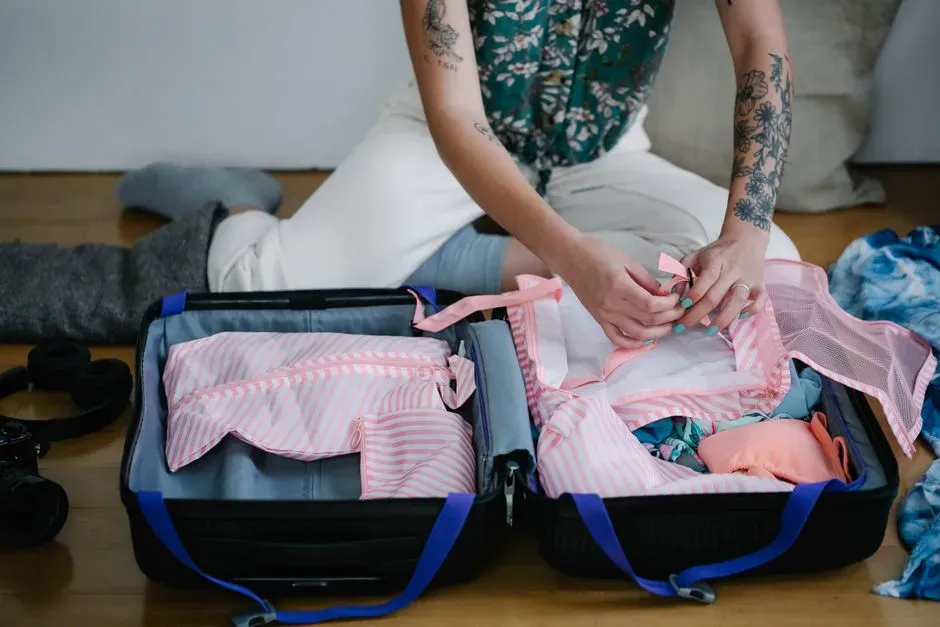
Newer CT scanners have changed a lot about screening, but the underlying liquids rule has not moved. As one detailed breakdown puts it, the 3-1-1 rule itself hasn’t changed. You still need to pack liquids in 3.4-ounce containers inside a quart bag. The CT scanners just mean you might not have to pull that bag out at security.
The mistake people make is assuming that because their airport has fancy new equipment, the size limits no longer apply. They still do, everywhere in the country. The only real update is that at CT-equipped lanes, you often don’t need to remove your liquids bag or laptop from your carry-on at all, and the screening process is faster and less annoying.
3. Leaving your laptop buried at the bottom of your bag
3. Leaving your laptop buried at the bottom of your bag (Image Credits: Pexels)
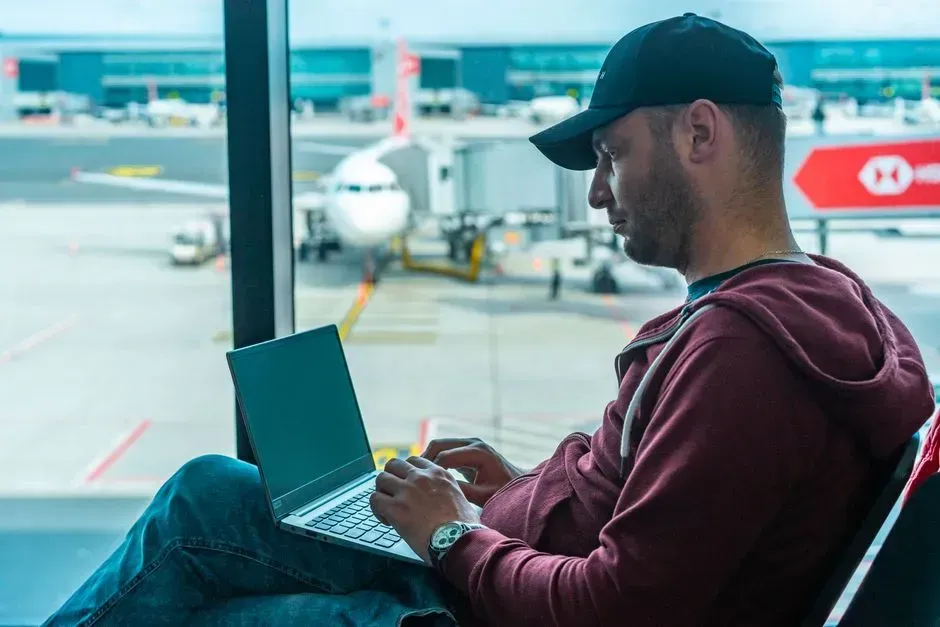
Not every airport has upgraded its equipment yet, which means the old habit of digging a laptop out from under your clothes can still bite you. At older checkpoints, laptops must be removed from your bag and placed in a separate bin, while phones, cameras, and small electronics can stay in your bag.
The safest approach is to pack electronics near the top of your carry-on regardless of which airport you’re flying through, since at airports with newer CT scanners, you may not need to remove laptops or electronics from your bag, but travelers should look for signage at their checkpoint or ask a TSA officer. Guessing wrong wastes time for you and everyone stacking up behind you.
4. Wearing the wrong shoes and expecting the old routine
4. Wearing the wrong shoes and expecting the old routine (Image Credits: Pexels)
This is one of the biggest procedural shifts in years. As of July 8, 2025, TSA no longer requires travelers to remove their shoes during the standard screening process, ending a nearly two-decade-old policy at all domestic airports, a change officially announced by Homeland Security Secretary Kristi Noem.
That doesn’t mean every shoe sails through untouched. Footwear with hidden metal components, including steel toes, buckles, heel rods, vintage metal shanks, and some orthopedic inserts, are the most likely to cause delays. Travelers who assume all shoes are now exempt sometimes get pulled aside for the exact walk back through the scanner they thought they’d avoided.
5. Forgetting that some airports still require shoe removal
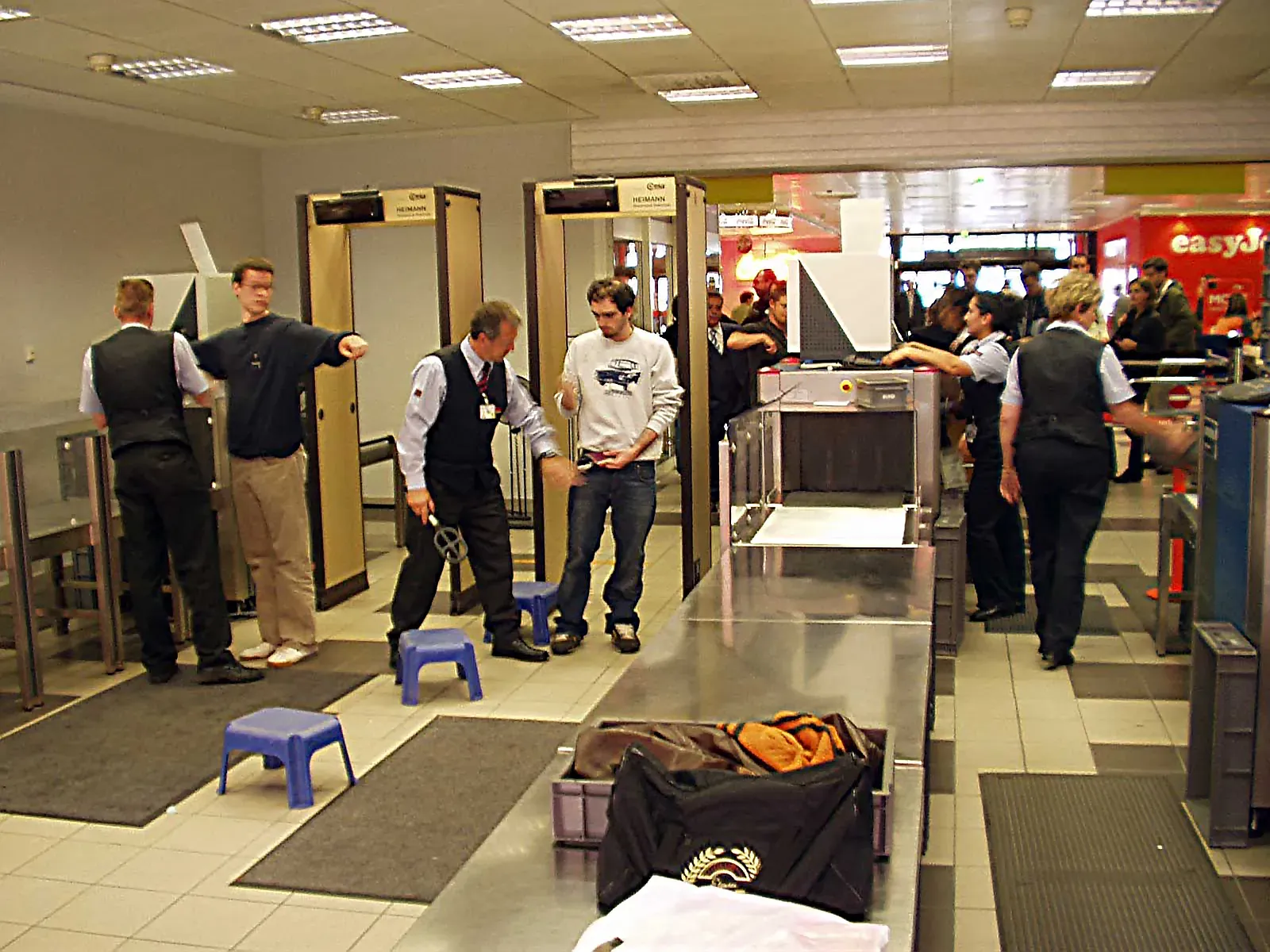
5. Forgetting that some airports still require shoe removal (By Ralf Roletschek, <a href="https://commons.wikimedia.org/w/index.php?curid=276692" target="_blank" rel="noopener">GFDL</a>)
The shoes-on policy rolled out unevenly rather than flipping on everywhere at once. Reporting on the change noted that the change began rolling out at major airports starting in mid-July 2025, with a goal of expanding to all U.S. airports, which means smaller regional airports may lag behind.
It’s also worth knowing that additional screening can still trigger a shoe removal request even at airports that have adopted the new policy. As one guide notes, as of July 8, 2025, passengers can generally keep shoes on at TSA checkpoints, though additional screening may still require removal. Treat “shoes on” as the default, not an absolute guarantee.
6. Not budgeting extra time for ID verification delays
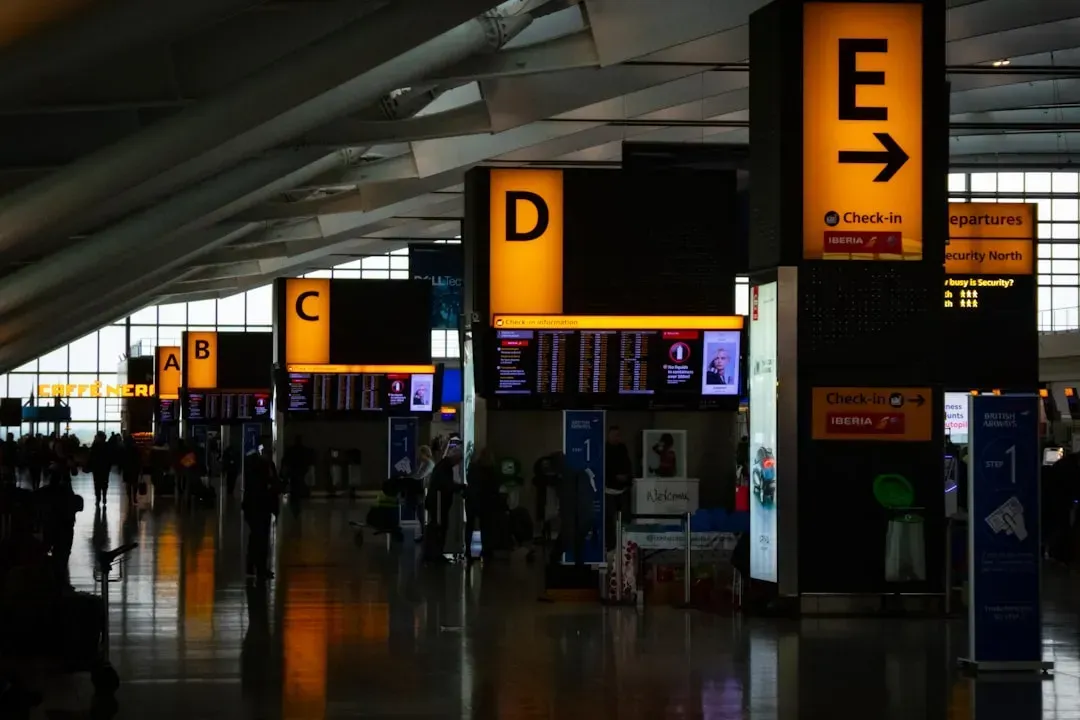
6. Not budgeting extra time for ID verification delays (Image Credits: Gallery Image)
Even travelers with compliant identification are affected by the broader system changes happening at checkpoints. TSA’s own rollout data showed a strong compliance rate, with 95-99% of travelers presenting REAL IDs or other acceptable forms of identification at airport security checkpoints, an encouraging improvement in compliance since TSA ConfirmID was announced in December 2025.
Still, that leaves a meaningful slice of travelers going through secondary verification, which slows down entire lanes. Under full enforcement, TSA officers are required to flag non-compliant identification, and if you present a non-compliant ID, a TSA officer may direct you to an identity verification process, allow passage after secondary verification though this is not guaranteed, or require you to wait in a designated area while verification is completed. Arriving even fifteen minutes earlier than usual is a simple hedge against this.
7. Assuming TSA PreCheck skips every extra step
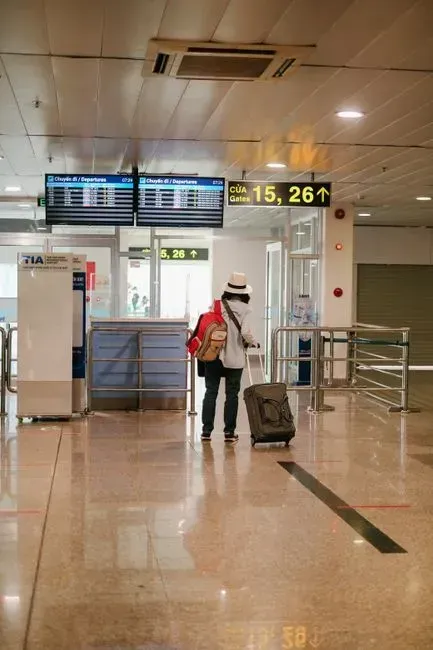
7. Assuming TSA PreCheck skips every extra step (Image Credits: Pexels)
TSA PreCheck remains genuinely useful, but people sometimes overestimate what it covers. Homeland Security Secretary Kristi Noem addressed this directly, noting that PreCheck will still be something many travelers will want to utilize, because when they have TSA PreCheck, they won’t have to take off their belt or their coat or remove things from their bag such as laptops or compliant liquids.
The confusion comes from thinking PreCheck means zero screening variability. It doesn’t erase identity checks, it doesn’t exempt you from random additional screening, and it doesn’t replace the need for compliant ID. It simply removes several of the physical steps that slow down the standard line.
8. Skipping the "power-on" test for your devices
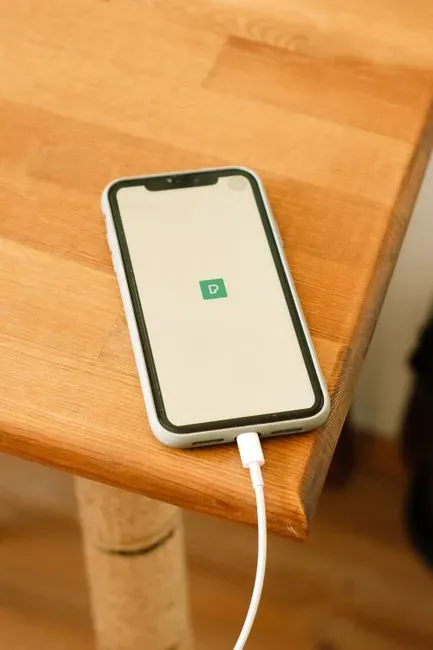
8. Skipping the "power-on" test for your devices (Image Credits: Pexels)
A dead phone or laptop used to be a minor inconvenience. Now it can actually stop you at the checkpoint, because TSA officers frequently conduct “power-on” tests, and if your device is dead and cannot turn on, it may be denied entry to the secure area for safety reasons.
The fix is straightforward but easy to forget in the rush of packing. Travel guidance for 2026 recommends travelers ensure all devices are charged to at least 30 to 50 percent before heading to the airport. A five-minute charge at the gate area beforehand is far less painful than losing a device at the checkpoint.
9. Treating oversized carry-ons as a non-issue at CT lanes
9. Treating oversized carry-ons as a non-issue at CT lanes (Image Credits: Pexels)
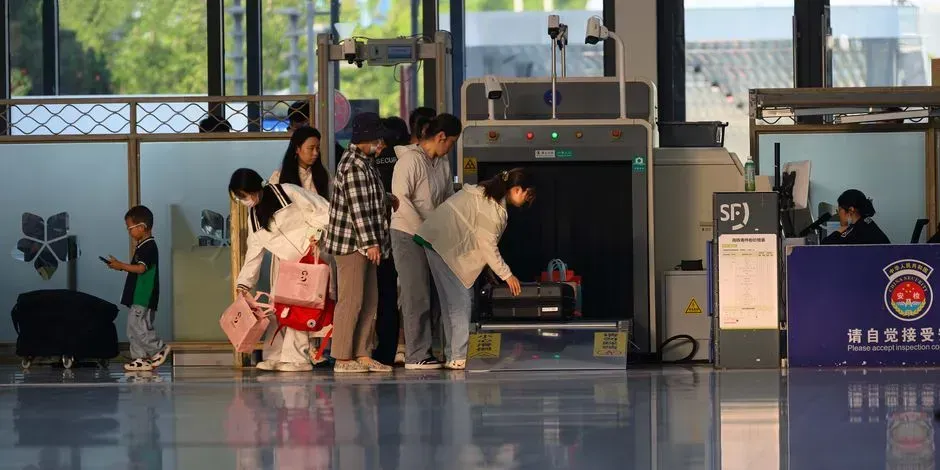
The newer scanning technology has a physical limitation that catches people off guard. According to TSA itself, some carry-on bags that fit through the older X-ray machines might not clear the smaller opening of the CT scanners, because the units have a slightly smaller entry tunnel.
This means a bag that has sailed through the same airport for years might suddenly get flagged simply because the lane switched equipment. TSA’s own recommendation is blunt: large carry-on items should be checked with the airline rather than risk a repack at the checkpoint.
10. Not knowing which liquid exemptions actually apply to you

10. Not knowing which liquid exemptions actually apply to you (Image Credits: Pexels)
Medical liquids are one of the most misunderstood exceptions in the entire carry-on rulebook. Current TSA guidance confirms that liquid medications are exempt from the 3-1-1 rule, and travelers may bring medically necessary liquids, gels, and aerosols in quantities exceeding 3.4 ounces if they declare them to the TSA officer and remove them from the bag for separate screening.
Many travelers either don’t realize this exemption exists or fail to declare the items properly, which triggers unnecessary bag searches. The same guidance notes that TSA does not require medications to be in prescription bottles, though keeping original packaging can prevent issues, and while a doctor’s letter isn’t required, having one is recommended for injectable medications or large quantities of liquid medication.
11. Believing every rule change applies at every airport equally
11. Believing every rule change applies at every airport equally (Image Credits: Pexels)
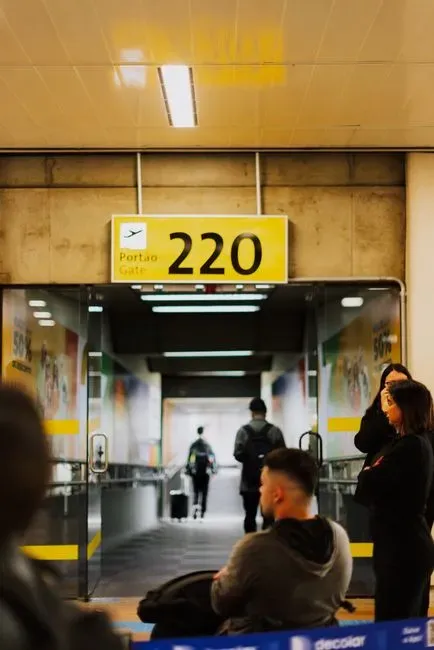
Perhaps the biggest mistake is treating TSA policy as one uniform national experience. It isn’t. Coverage of the agency’s recent changes has been explicit that CT scanners let travelers leave electronics in their bag, but only in lanes that have them, and tablets and e-readers are more consistently being pulled out for separate screening at older checkpoints.
That patchwork rollout means the exact same traveler can have two completely different experiences flying out of two different airports in the same week. The safest habit going into any trip is to check signage at the checkpoint itself rather than relying on what worked last time, since the expansion of CT scanners at U.S. airports is reshaping security procedures, allowing passengers to keep laptops and liquids in bags, though implementation remains inconsistent across different airports and terminals.
None of these mistakes are dramatic on their own. A shoe that sets off an alarm, a liquids bag packed the old way, a phone that won’t power on, each one is a small thing. But small things compound at a busy checkpoint, and the rules genuinely have shifted enough over the past year that old instincts aren’t always reliable anymore. A few minutes of checking current requirements before a trip is a modest habit that tends to pay for itself the moment you’re standing in line.