
Most people could not name every subscription pulling money from their account each month. That is not a character flaw. It is by design, since recurring charges are built to be small enough to ignore and spread across just enough billing dates that they never quite add up in your head.
The numbers tell an uncomfortable story. Research from C+R Research found that the real average is $219 per month when people actually add it all up, which is 2.5 times more than they estimated. West Monroe's research went further, finding that 89% of consumers underestimate their subscription costs, and 66% are off by more than $200. Here are eleven of the most common culprits, and why they are easier to lose track of than you might think.
1. Streaming video services
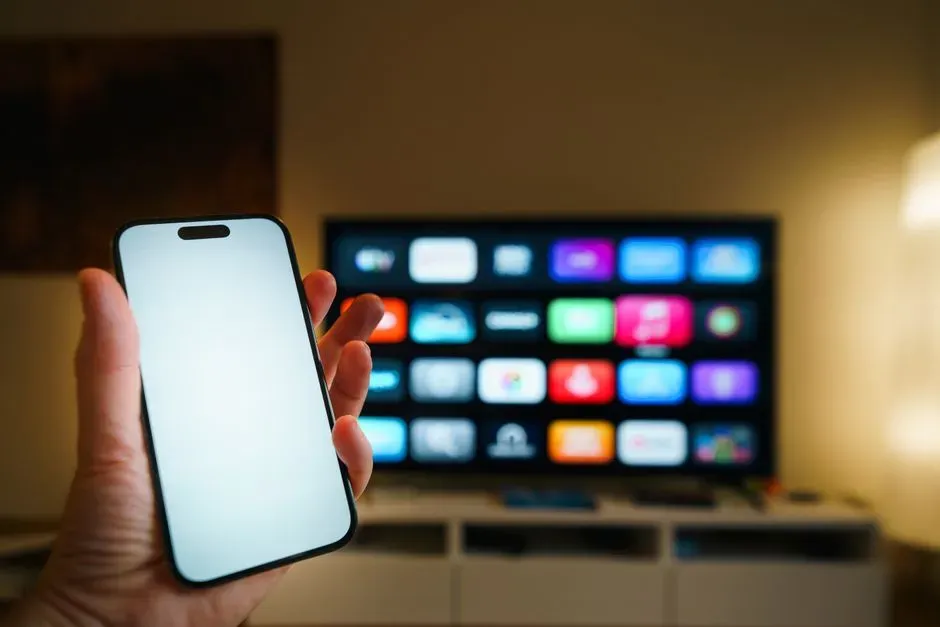
1. Streaming video services (Image Credits: Pexels)
Streaming was supposed to save money compared to cable, but the math has shifted. Deloitte's 2025 Digital Media Trends survey found that the average American pays for four streaming services at a combined cost of $69 per month, a 13% year-over-year increase. When you widen the lens to the whole household, the picture gets bigger still, since the average household pays for 4.5 streaming platforms at a combined $69 a month.
Prices keep climbing too. Netflix now charges $7.99 per month for its ad-supported tier, $17.99 for ad-free Standard with two screens, or $24.99 for Premium with four screens and 4K. Disney has followed a similar path, raising its Disney+, Hulu, and ESPN Select bundle from $17 to $20 for the ad-supported experience and from $27 to $30 for commercial-free viewing. Stack three or four of these together and a service marketed as a cheap alternative to cable starts to look surprisingly close to it.
2. Music streaming subscriptions

2. Music streaming subscriptions (Image Credits: Unsplash)
Music apps rarely get a second thought once they are set up, which is exactly why they linger long after listening habits change. Amazon Music Unlimited recently raised its rates, with Individual plans rising to $13 per month, or $12 for Prime members. That increase followed a broader pattern across the industry, since streaming companies raising prices has become the norm rather than the exception heading into 2026.
The trouble is that most households do not use just one music service. Someone might keep a family Spotify plan alongside a personal Apple Music account left over from a free trial, or an Amazon Music subscription bundled into Prime that nobody actively chose. None of these feel expensive on their own, yet together they can easily add ten to twenty dollars a month to a budget that never gets reviewed.
3. Cloud storage and software tools
3. Cloud storage and software tools (Image Credits: Unsplash)
Cloud storage is one of the stickiest subscription categories precisely because it holds your data hostage in a friendly way. Industry estimates put typical costs for this category at $15 to $30 a month for password managers, cloud storage services like iCloud, Google One, and Dropbox, productivity tools, and VPNs. Cancel and you risk losing access to years of photos, documents, or backed-up files, so most people simply keep paying.
These charges tend to multiply quietly. A person might have iCloud storage for their phone, a separate Google One plan for work documents, and a Dropbox account nobody remembers signing up for. Because each individual charge is modest, it rarely triggers the kind of scrutiny a single large bill would.
4. Gaming subscriptions

4. Gaming subscriptions (Image Credits: Unsplash)
Console gaming subscriptions have become a genuine battleground on pricing, and 2026 has been an unusually volatile year for it. Microsoft raised Xbox Game Pass Ultimate to a controversial $29.99 per month in October 2025, before a subscriber backlash forced the company to cut it back to $22.99 per month in April. Sony, meanwhile, raised PlayStation Plus prices across all three tiers in May 2026, pushing Essential to $10.99 per month and Extra to $16.99.
What makes gaming subscriptions particularly easy to overpay for is overlap. Someone might keep Game Pass Ultimate for the day-one releases while also paying for PlayStation Plus Premium out of habit from a previous console generation. Annual plans can soften the blow somewhat, since PS Plus Essential runs $79.99 a year versus $119.88 if paid monthly, a 33% saving, but plenty of subscribers never switch billing cycles even when it would save them real money.
5. Food delivery memberships

5. Food delivery memberships (Image Credits: Unsplash)
Delivery memberships like DashPass and Uber One promise to pay for themselves through waived fees, and for frequent users they often do. For everyone else, they quietly become one of the larger line items on a subscription audit. Food delivery and meal kit subscriptions now account for roughly 19% of total subscription spending, a category that includes services such as DoorDash DashPass, Uber One, HelloFresh, and specialty food boxes.
The math only works out in the subscriber's favor if they actually order often enough to offset the monthly fee. Many people sign up during a promotional period, order a handful of times, then stop using the app altogether while the membership renews in the background. Because the monthly charge is smaller than a single delivery fee, it rarely feels urgent enough to cancel.
6. Retail and warehouse club memberships
6. Retail and warehouse club memberships (Image Credits: Unsplash)
Amazon Prime and its retail rivals occupy a strange space in the subscription economy, since they bundle shipping, video, and other perks into a single fee that feels like a household utility. Amazon Prime currently costs $14.99 per month, or $139 per year, and the company has held onto more than 200 million members as of 2025. Walmart has been chasing the same audience aggressively, with record-high subscriber numbers this year as shoppers look for an app with delivery, fuel, and other retail benefits under one roof.
The catch is that these memberships often get renewed automatically for years without anyone checking whether the household still shops there enough to justify the cost. A membership bought for free two-day shipping during a specific purchase can quietly become a permanent fixture on the credit card statement, whether or not the shopping habits that justified it stuck around.
7. Fitness and wellness apps

7. Fitness and wellness apps (Image Credits: Pexels)
Fitness subscriptions sit in an unusual category, since they are purchased with genuine intention and then abandoned with equally genuine regret. Software and wellness subscriptions, including workout apps and meditation platforms, fall into the broader fifteen-to-thirty-dollar monthly software category that many households carry without close tracking. The pattern is familiar to anyone who has signed up in January and stopped opening the app by March, while the charge keeps hitting the account every single month regardless.
What makes this category especially costly is the annual plan trap. Many fitness apps push heavy discounts for yearly commitments, which locks in a full year of payments even after motivation fades. Unlike a monthly gym membership that at least requires an active decision to keep going, an annual app subscription runs quietly until the renewal notice arrives, if one arrives at all.
8. News and magazine digital subscriptions

8. News and magazine digital subscriptions (Image Credits: Unsplash)
Digital news subscriptions have multiplied as more publications moved behind paywalls over the past several years. A single news outlet's digital pass might only cost a few dollars a month, which is exactly why households end up paying for two, three, or more without ever comparing the total. Combine a national newspaper with a local outlet and a specialty magazine, and the household is looking at a meaningful monthly total for content that often goes unread once the initial interest fades.
Many of these subscriptions also start as promotional trials, frequently priced at a dollar for the first few months before jumping to full price. Because the increase happens automatically and the amount involved is small relative to bigger bills, it rarely prompts a second look. The habit of skimming headlines rather than reading full articles does not help either, since it makes the subscription feel less essential without ever quite feeling worth canceling.
9. VPN and security software
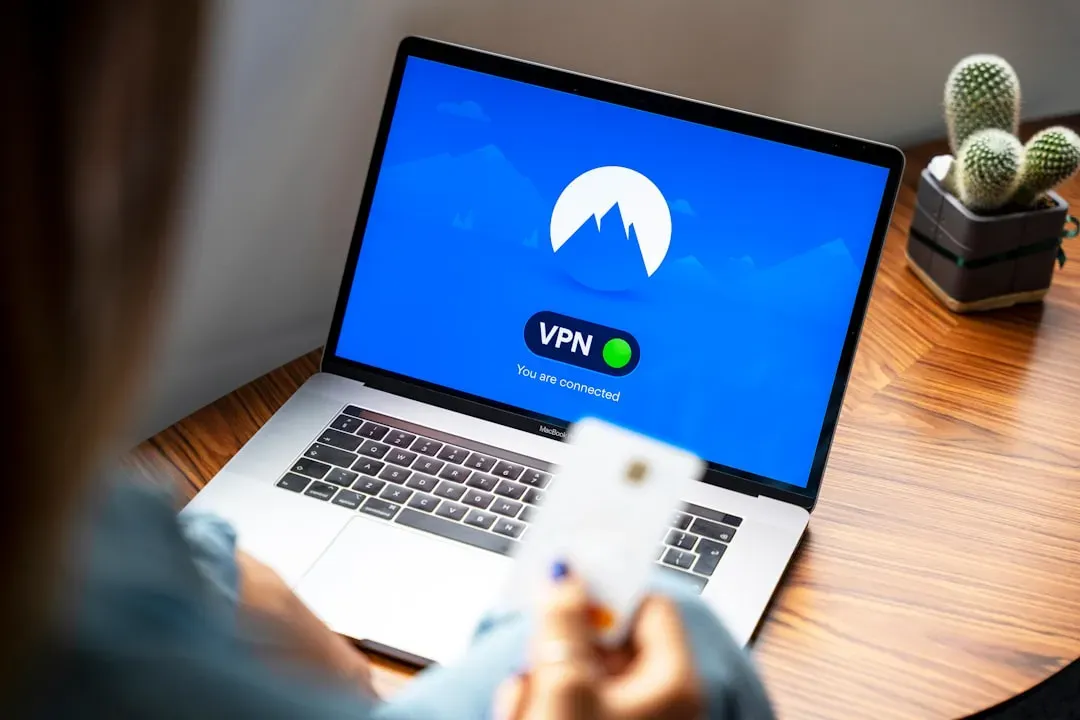
9. VPN and security software (Image Credits: Unsplash)
VPN and antivirus subscriptions occupy a strange psychological space, since most people buy them out of a sense of obligation toward digital safety rather than active daily use. These tools fall squarely into the software and cloud category priced around fifteen to thirty dollars a month, alongside password managers and productivity tools. The renewal notices often arrive as a single annual charge, which makes them easy to overlook compared to a monthly line item that shows up on every statement.
A common scenario involves signing up for a VPN during a specific trip or project, then forgetting to cancel once the need has passed. Security software in particular benefits from consumer anxiety, since canceling can feel like it invites risk even when the actual usage has dropped to nearly nothing. That psychological friction is part of why this category retains subscribers even when engagement is low.
10. Weekly mobile app subscriptions

10. Weekly mobile app subscriptions (Image Credits: Unsplash)
One of the more overlooked drains comes from mobile apps that bill weekly rather than monthly, a structure that has grown dramatically in recent years. Weekly app subscriptions now capture 47% of total in-app revenue, up from 42% just one year earlier. These are frequently niche utility apps, photo editors, horoscope tools, or puzzle games that offer a short free trial before converting to a recurring weekly charge.
Because the charge is framed as weekly rather than monthly, the actual annual cost can be deceptively high while each individual transaction looks trivial on a bank statement. A five-dollar weekly charge works out to roughly two hundred sixty dollars a year, a figure most subscribers never calculate. These app subscriptions also tend to be buried deep in phone settings rather than appearing prominently, which makes them among the hardest recurring charges to actually track down and cancel.
11. AI tool subscriptions

11. AI tool subscriptions (Image Credits: Unsplash)
The newest category on this list has grown fast since generative AI tools became mainstream. Many households now pay for at least one AI assistant subscription for writing, coding, or image generation, often priced in the fifteen to twenty-five dollar monthly range depending on the provider and tier. As more of these tools embed themselves into daily work and personal tasks, they are quickly becoming as routine a line item as streaming video once was.
The risk here is duplication, since it is increasingly common for someone to pay for a personal AI subscription while their employer separately provides access to a similar tool through work. Free tiers with usage caps also nudge people toward paid upgrades during a busy week, and that upgrade often outlives the specific task that triggered it. Because these tools are new enough that most people have not built the habit of auditing them, they may be the fastest-growing blind spot in personal subscription spending right now.
Taken together, these eleven categories explain why the gap between what people think they spend and what they actually spend has grown so wide. None of them look dangerous in isolation. A five-dollar app charge here, a fifteen-dollar cloud plan there, a gaming subscription that made sense two years ago but never got reconsidered. It is the accumulation, not any single service, that turns a handful of reasonable decisions into a genuinely expensive habit sitting quietly on the monthly statement.