
Snacking doesn't have to mean choosing between something satisfying and something light. The trick is picking foods that combine protein, fiber, or healthy fats, since those are the nutrients that actually slow digestion and keep the stomach feeling settled. A handful of chips might taste good for a minute, but it rarely holds you over until the next meal the way a smarter combination can.
Below are ten snacks that stay under 150 calories while still doing real work to curb hunger. Each one relies on ingredients that are easy to find and simple to prepare, so there's no need for special equipment or a long grocery list.
1. Hard-boiled eggs

1. Hard-boiled eggs (Image Credits: Pixabay)
Two hard-boiled eggs come in at around 140 calories, yet they pack roughly 12 grams of protein between them. Protein takes longer to digest than refined carbs, which is part of why eggs have a reputation for curbing appetite well past the snack itself. They’re also portable, needing nothing more than a shell to peel and maybe a pinch of salt.
Eggs contain choline and a handful of B vitamins, so they’re not just filling, they’re nutritionally dense for so few calories. Boiling a batch at the start of the week means they’re ready whenever hunger strikes. It’s one of the simplest snacks to prep in advance and forget about until needed.
2. Plain Greek yogurt with cinnamon
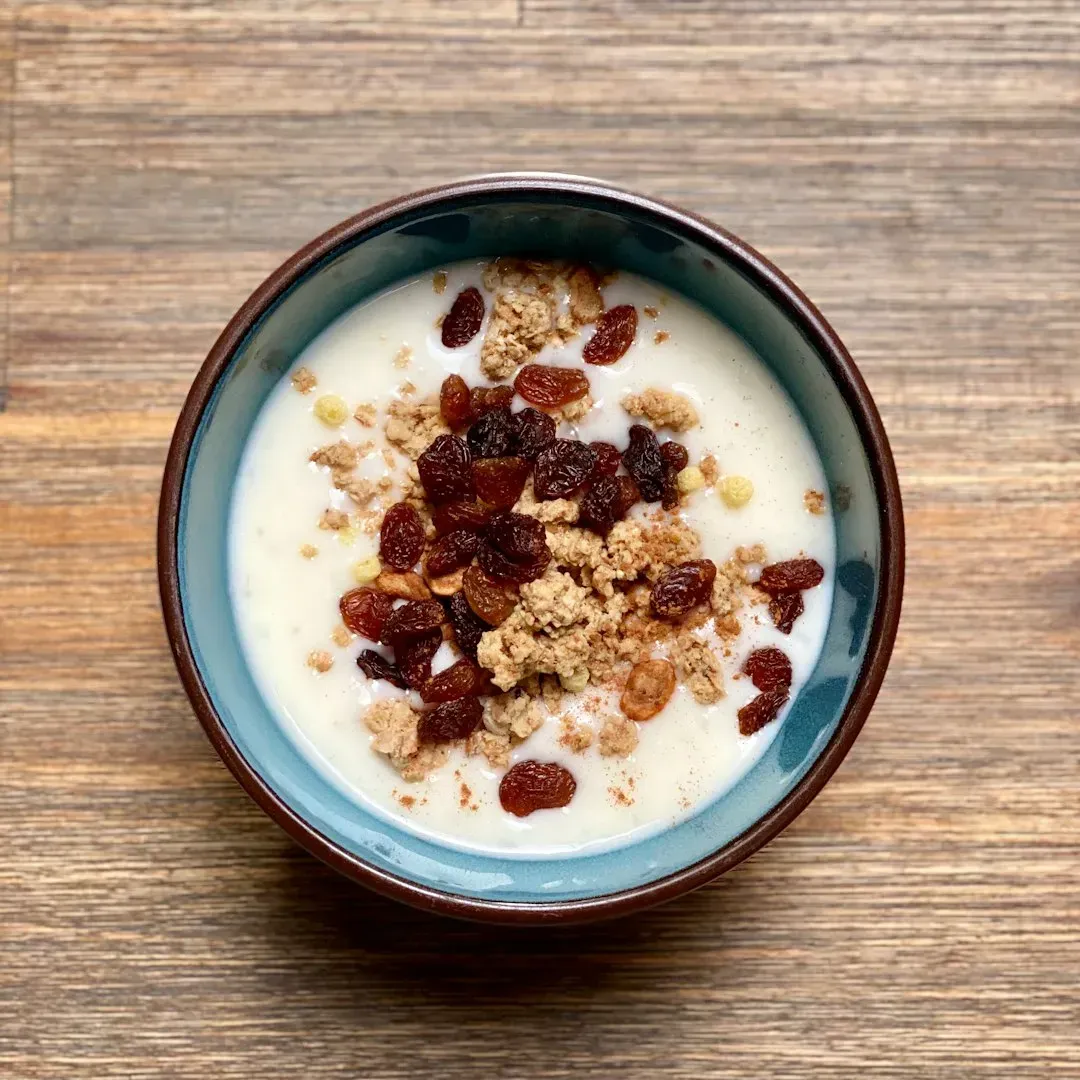
2. Plain Greek yogurt with cinnamon (Image Credits: Unsplash)
A small container of plain, nonfat Greek yogurt typically runs about 100 to 120 calories, but it can carry 15 to 18 grams of protein depending on the brand. That protein content is notably higher than regular yogurt, since the straining process concentrates it. A sprinkle of cinnamon adds warmth and a touch of sweetness without needing added sugar.
The thick texture of Greek yogurt also plays a psychological role in satisfaction, since it feels more substantial in the mouth than thinner dairy products. Some people add a few berries for extra fiber, which barely changes the calorie count. It’s a snack that works just as well at a desk as it does straight from the fridge at home.
3. Roasted chickpeas

3. Roasted chickpeas (Image Credits: Pixabay)
A quarter cup of roasted chickpeas lands close to 120 calories while offering around 5 grams of fiber and 6 grams of protein. That fiber and protein combination is a big reason legumes show up so often in discussions about appetite control. Roasting them with a little olive oil and spices gives a crunchy texture that scratches the same itch as chips or crackers.
Chickpeas also contain resistant starch, a type of carbohydrate that ferments slowly in the gut and can help extend feelings of fullness. Store-bought versions are widely available now in flavors like sea salt or chili lime, making this an easy grab-and-go option. Homemade batches keep well in an airtight container for several days.
4. Air-popped popcorn

4. Air-popped popcorn (Image Credits: Unsplash)
Three cups of air-popped popcorn come in under 100 calories, leaving room for a light drizzle of olive oil or a dusting of nutritional yeast without breaking the 150-calorie mark. Because it’s a whole grain, popcorn brings fiber to the table, roughly 3.5 grams per three-cup serving. The volume itself matters too, since a larger portion size tends to make people feel more satisfied than a small handful of something denser.
This is one of the few snacks where quantity and low calories genuinely go hand in hand. Skipping the butter-drenched movie theater version keeps it in the healthy range while still delivering that familiar crunch. It’s an easy snack to portion out into small bags for the week.
5. Cottage cheese with berries
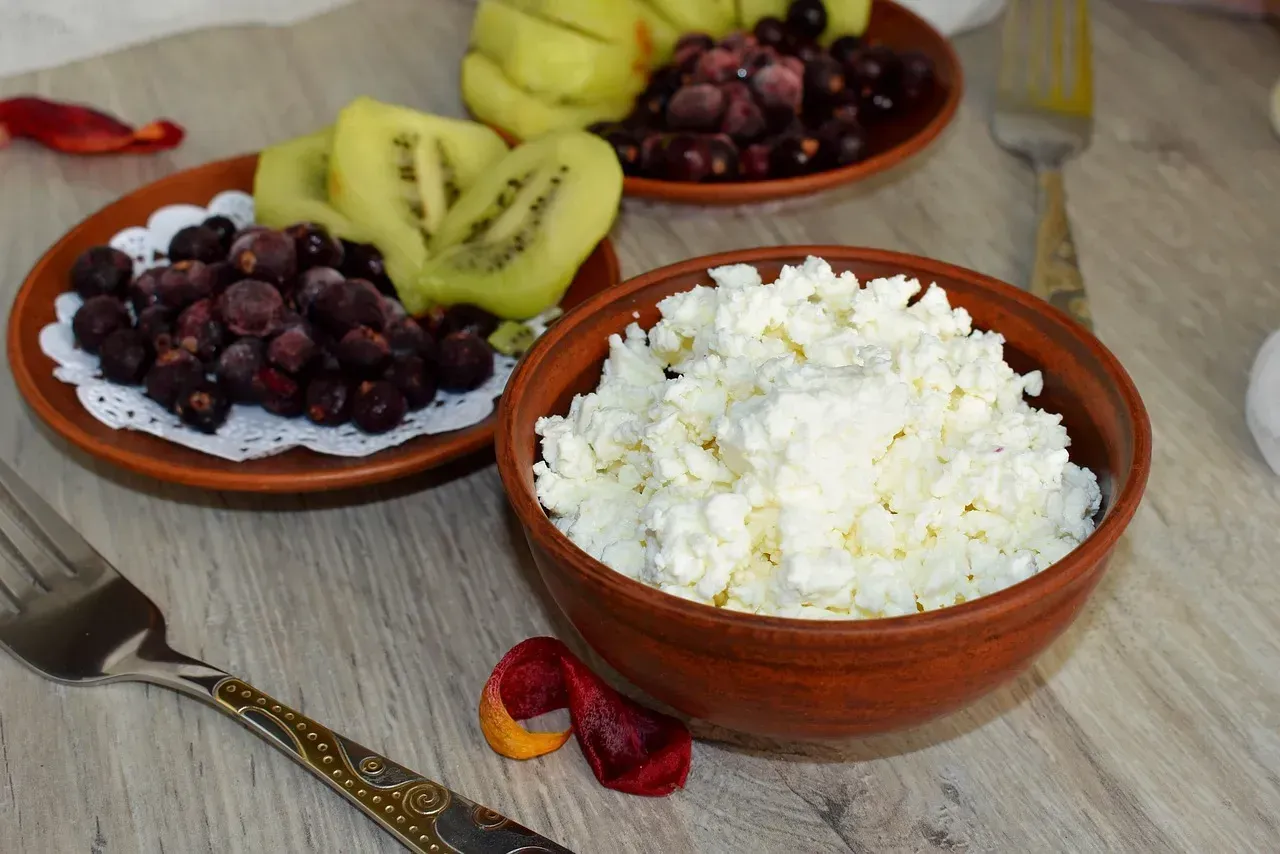
5. Cottage cheese with berries (Image Credits: Pixabay)
Half a cup of low-fat cottage cheese runs about 90 calories and contributes close to 12 grams of protein, making it one of the more protein-dense dairy snacks available. Topping it with a small handful of blueberries or strawberries adds fiber and natural sweetness for barely any extra calories. The combination keeps total calories under 150 while covering both protein and fiber bases.
Cottage cheese has seen a resurgence in recent years, partly driven by interest in higher-protein diets and its usefulness in various recipes beyond just eating it plain. Its slightly tangy flavor pairs well with fruit, but it also works with a dash of black pepper for a savory version. Either way, it’s a snack that tends to hold hunger off longer than its modest calorie count would suggest.
6. Apple slices with a small spoonful of peanut butter
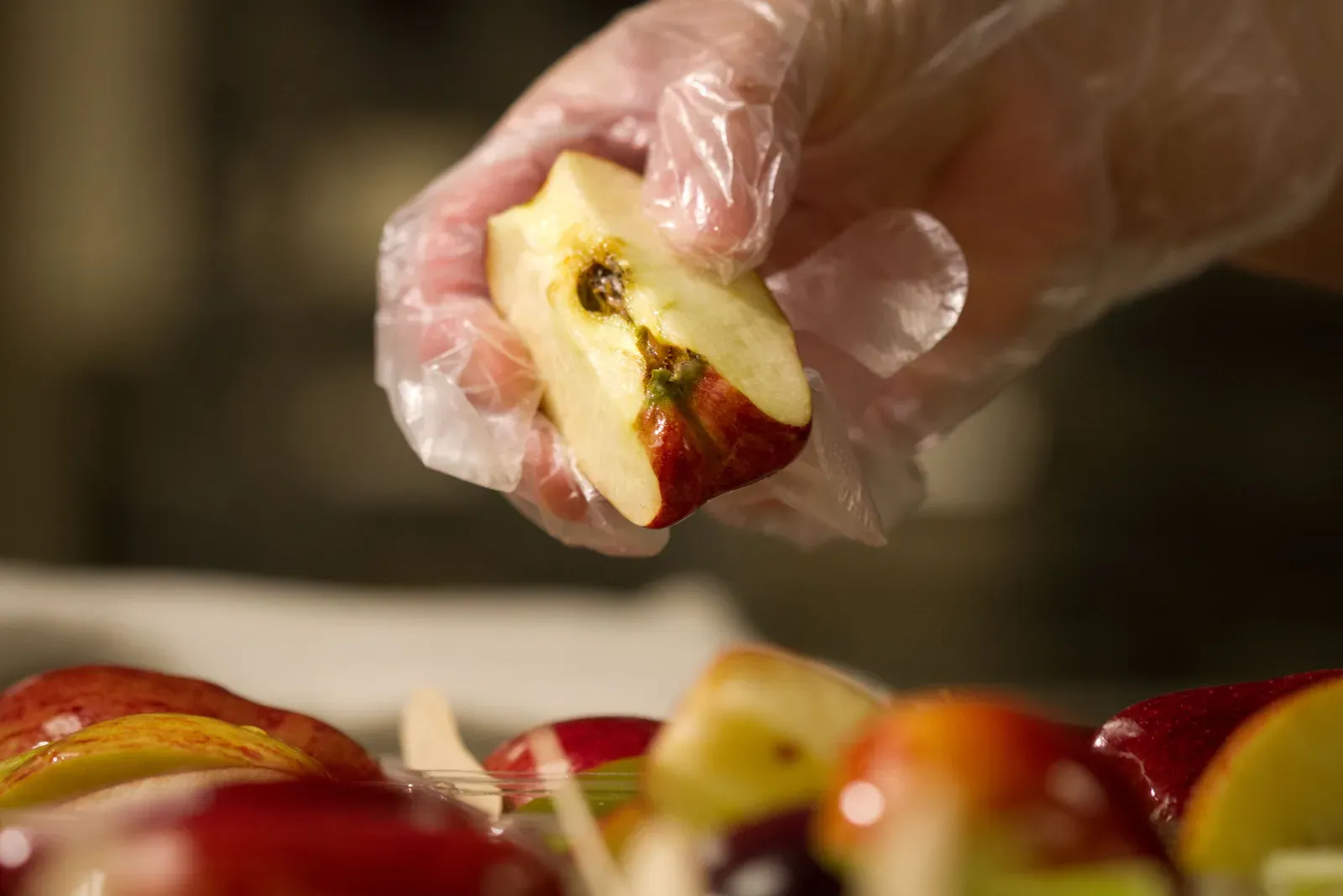
6. Apple slices with a small spoonful of peanut butter (20120905-FNS-LSC-0096, <a href="https://commons.wikimedia.org/w/index.php?curid=185353078" target="_blank" rel="noopener">Public domain</a>)
A small apple paired with a level teaspoon of peanut butter stays close to 130 calories while combining fiber from the fruit with protein and healthy fat from the nut butter. This mix of nutrients slows the absorption of the apple’s natural sugars, which helps avoid the quick energy dip that fruit alone can sometimes cause. It’s a classic snack combination for a reason, and it remains relevant in current nutrition guidance around pairing carbs with protein or fat.
Apples themselves carry pectin, a soluble fiber that can support feelings of fullness. Cutting the apple into slices rather than eating it whole can also make portioning the peanut butter easier to control. It’s a snack that travels well in a small container for work or school.
7. Edamame in the pod

7. Edamame in the pod (dionhinchcliffe, Flickr, <a href="https://creativecommons.org/licenses/by-sa/2.0/" target="_blank" rel="noopener">CC BY-SA 2.0</a>)
A cup of steamed edamame in the pod comes in around 120 to 150 calories depending on preparation, while offering roughly 8 grams of fiber and close to 12 grams of protein. That’s an unusually strong fiber-to-calorie ratio for a snack, and it comes from a whole soybean rather than a processed source. The act of shelling the pods also slows down eating, which can naturally reduce how much gets consumed in one sitting.
Edamame has become easier to find in grocery store freezer sections, often pre-steamed and lightly salted. A sprinkle of sea salt or chili flakes is usually all it needs. It’s a snack that feels more like a small meal than a passing bite, largely because of its fiber and protein content working together.
8. Hummus with sliced vegetables
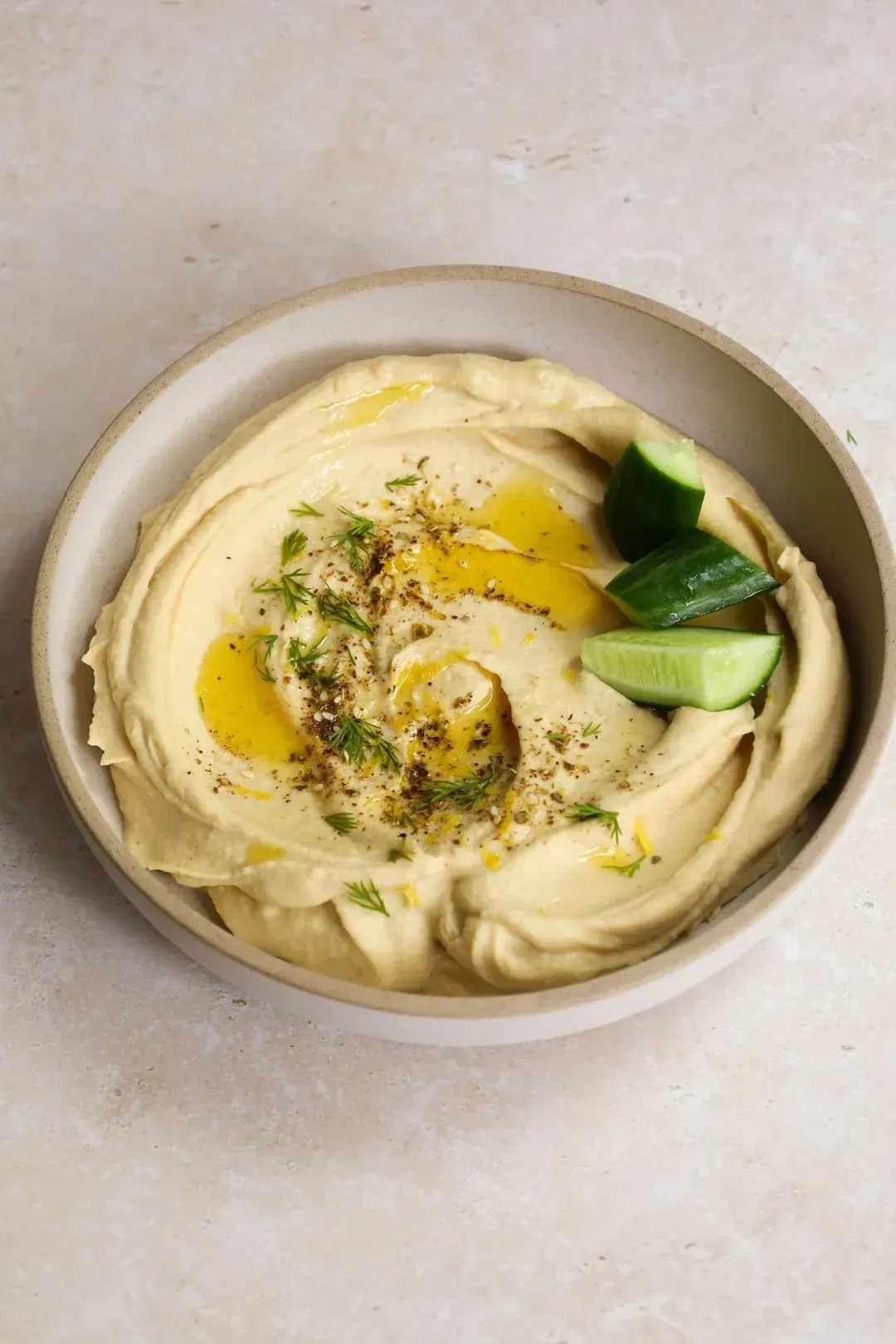
8. Hummus with sliced vegetables (Image Credits: Unsplash)
Two tablespoons of hummus paired with a cup of sliced cucumber, bell pepper, and carrots typically lands under 150 calories total. Hummus is made primarily from chickpeas, so it brings fiber and plant protein along with the healthy fats from tahini and olive oil. The vegetables add volume and crunch without contributing many calories at all.
This snack works well for people who want something savory rather than sweet in the afternoon. The combination of fiber from both the hummus and the vegetables tends to make it more filling than dipping the same vegetables in a lighter, less nutrient-dense sauce. Portioning the hummus ahead of time helps keep the calorie count predictable.
9. Turkey and cheese roll-ups

9. Turkey and cheese roll-ups (Image Credits: Pexels)
Two ounces of sliced turkey breast rolled with a thin slice of low-fat cheese comes in around 130 to 140 calories, with roughly 16 grams of protein. Wrapping the turkey around cheese instead of bread keeps carbohydrates low while still delivering a satisfying, savory bite. It’s a snack that leans heavily on protein alone to create fullness, which research consistently links to reduced hunger in the hours that follow.
Adding a leaf of lettuce or a thin strip of roasted red pepper inside the roll-up can bring a bit of crunch without meaningfully changing the calorie total. This snack requires almost no prep time, which makes it a practical option for busy afternoons. It also keeps well for a few hours if packed for travel or work.
10. A small portion of almonds
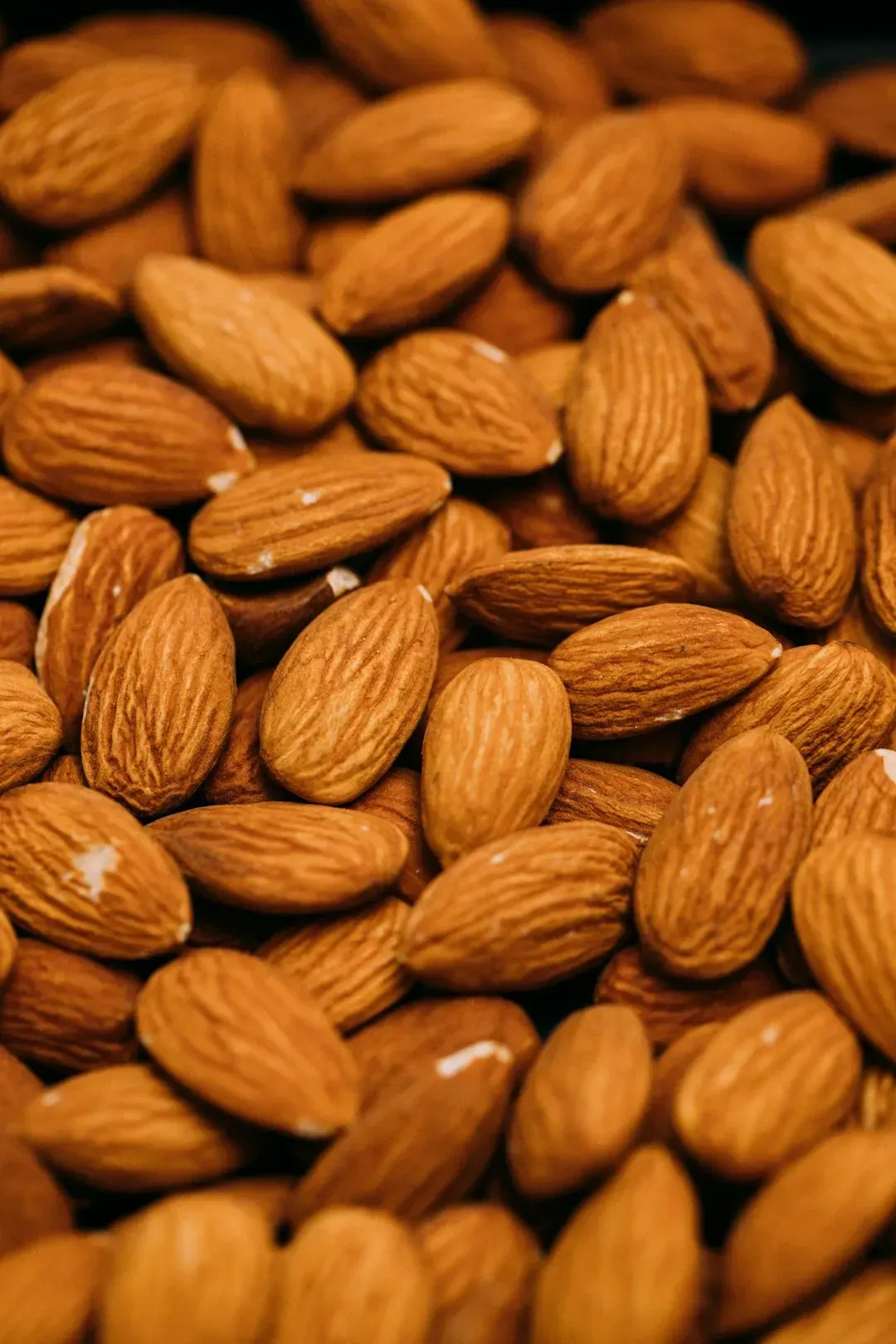
10. A small portion of almonds (Image Credits: Unsplash)
About 20 to 23 almonds, roughly a quarter cup, sits right around 140 to 150 calories while providing close to 6 grams of protein and 3.5 grams of fiber. Almonds also contain unsaturated fats, which research has associated with improved satiety compared to snacks that lean heavily on refined carbohydrates. Because nuts are calorie-dense, portioning them out in advance rather than eating from the bag helps keep this snack in the filling category rather than the overindulgent one.
The combination of fat, fiber, and protein in almonds means they tend to digest slowly, which is likely why studies on nut consumption often show reduced hunger ratings afterward. Pairing them with nothing else keeps the calorie count clean and easy to track. A small container of pre-measured almonds in a bag or desk drawer makes this one of the easiest snacks to keep on hand consistently.