
Family-style dinners carry a certain warmth that plated meals just can't replicate. Everyone reaches, passes, and shares from the same dishes, and there's something genuinely nice about that kind of togetherness. But the format also comes with its own quiet rulebook, one that most people never think about until someone breaks it.
A lot of the discomfort at these meals doesn't come from bad intentions. It comes from small habits that seem harmless in the moment but quietly throw off the rhythm of the table. Here are twelve of the most common ones worth paying attention to.
1. Digging in before the last dish arrives
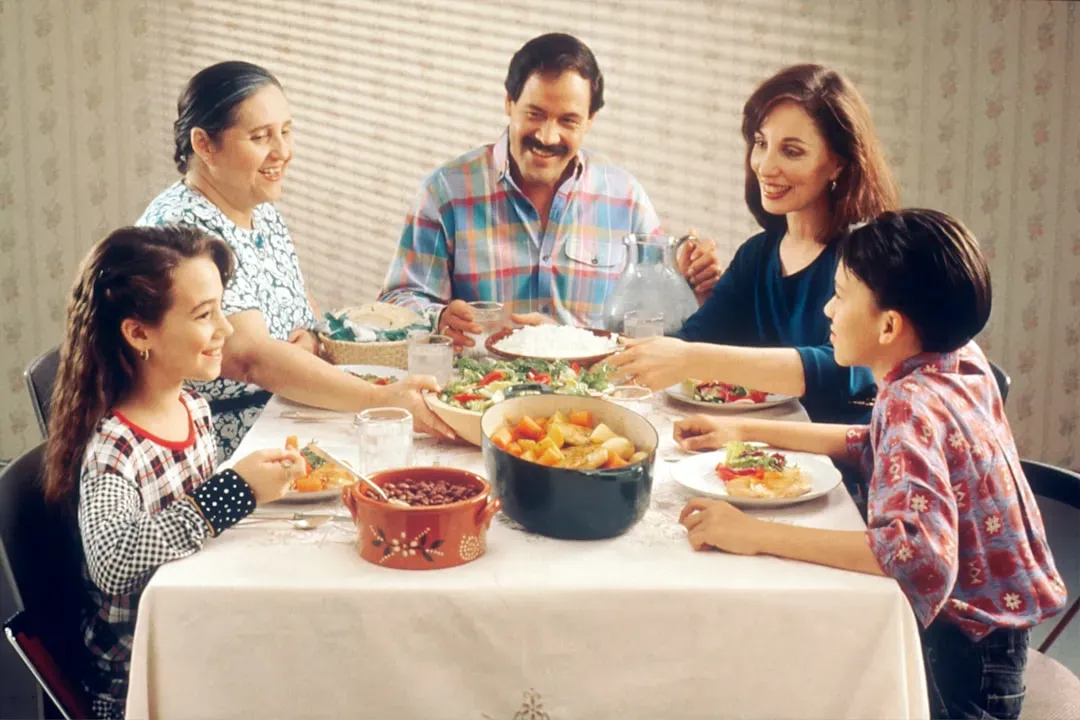
1. Digging in before the last dish arrives (Image Credits: Unsplash)
There's always that one person who starts loading their plate the second the first bowl hits the table, long before everything else has made it out of the kitchen. It puts unspoken pressure on everyone else to either wait awkwardly or join in before the meal is actually complete. Family-style dining works best when there's a shared sense of "we start together," and skipping that cue undermines the whole point of the format.
This habit also tends to throw off portioning. If the earliest arrivals get scooped up before the rest of the spread appears, later dishes might not have enough takers left with room on their plates. A short pause, even just thirty seconds, keeps the table feeling coordinated rather than like a race.
2. Taking more than a fair share on the first pass

2. Taking more than a fair share on the first pass (Image Credits: Pexels)
Family-style meals rely on a kind of built-in math: everyone gets a reasonable portion, and if there's extra, it circulates again. When one person piles their plate high on the first round, it throws that math off immediately. Other guests either end up shortchanged or feel awkward asking if there's more, which defeats the relaxed vibe the format is supposed to create.
This is especially noticeable with limited-quantity items like a small dish of a specialty side or the last few pieces of a protein. A good rule many etiquette guides suggest is to take roughly one portion per person present divided across the dish, then go back for seconds once everyone has had a first turn.
3. Double-dipping serving utensils into your mouth
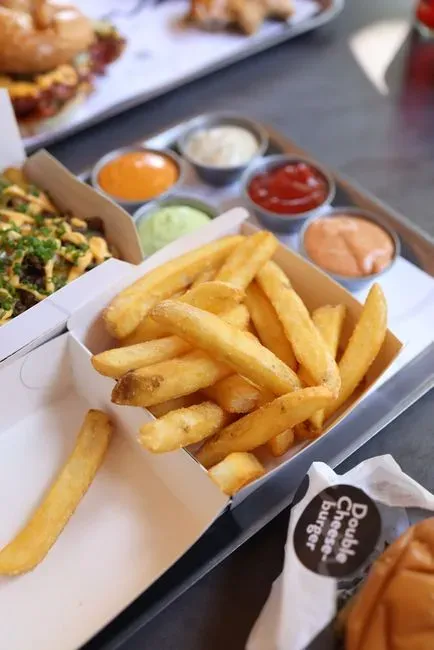
3. Double-dipping serving utensils into your mouth (Image Credits: Pexels)
Using the communal spoon to taste something and then dipping it back into the shared dish is one of the fastest ways to make people uneasy at a group meal. It's a habit that feels minor to the person doing it but reads as a hygiene concern to everyone else at the table. Food safety guidance has long flagged saliva transfer through shared utensils as a way bacteria and viruses can spread between diners.
Most people won't say anything in the moment, but it often changes how enthusiastically they continue eating from that dish. Keeping serving spoons separate from personal eating utensils, and never letting the two touch your mouth, solves the issue without anyone needing to bring it up directly.
4. Reaching across someone's plate instead of asking
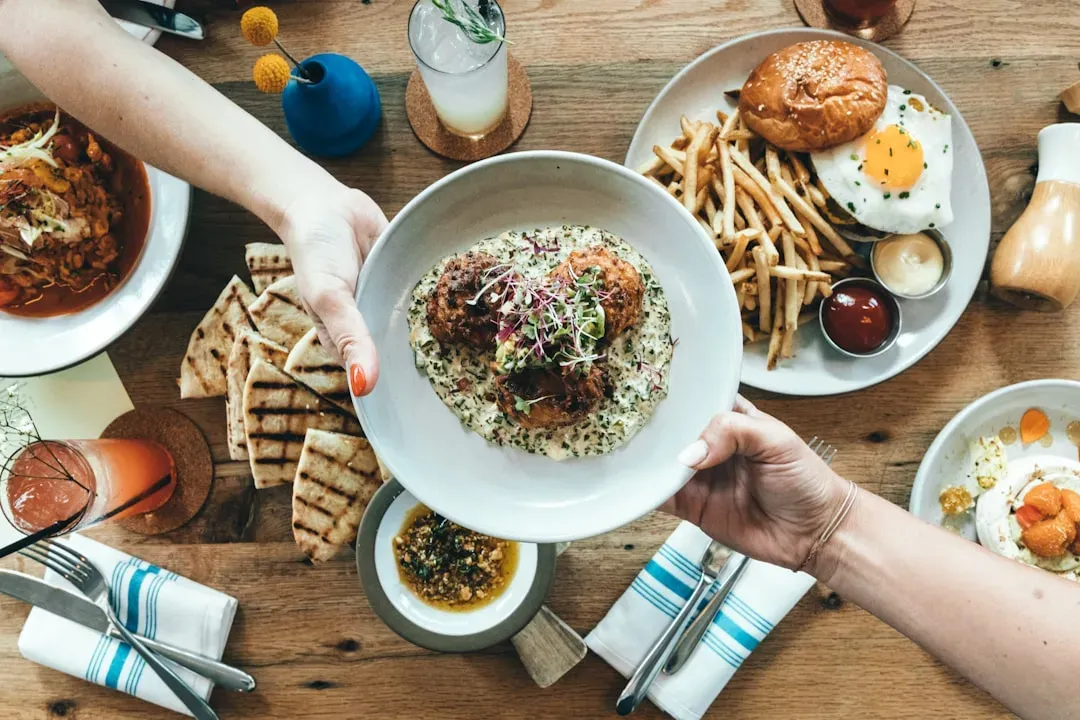
4. Reaching across someone's plate instead of asking (Image Credits: Unsplash)
Stretching an arm across another guest's space to grab a dish, rather than asking them to pass it, is a small move that reads as inconsiderate more often than people realize. It puts your arm and sleeve directly over someone else's food, which most people find genuinely off-putting even if they don't mention it. It also just feels rushed, like the meal is a grab-and-go situation rather than a shared one.
A quick "could you pass the rice" takes two seconds and keeps the table feeling considerate rather than chaotic. This is especially true at larger gatherings where the table is wide and dishes are spread across a lot of real estate.
5. Hovering over a dish while deciding what to take

5. Hovering over a dish while deciding what to take (Image Credits: Pexels)
Standing or leaning over a shared plate for an extended stretch while deciding what looks good creates a strange kind of gridlock. It blocks the dish from other people who might be ready to serve themselves, and it draws attention in a way that feels oddly performative for something as simple as taking food. The unspoken norm at most family-style tables is to decide quickly, serve, and pass it along.
This becomes more noticeable at round or lazy Susan-style tables, where one person lingering can stall the entire rotation. Deciding in advance roughly what you'd like, before the dish even reaches you, keeps things moving smoothly for everyone else.
6. Commenting negatively on someone's dish choice
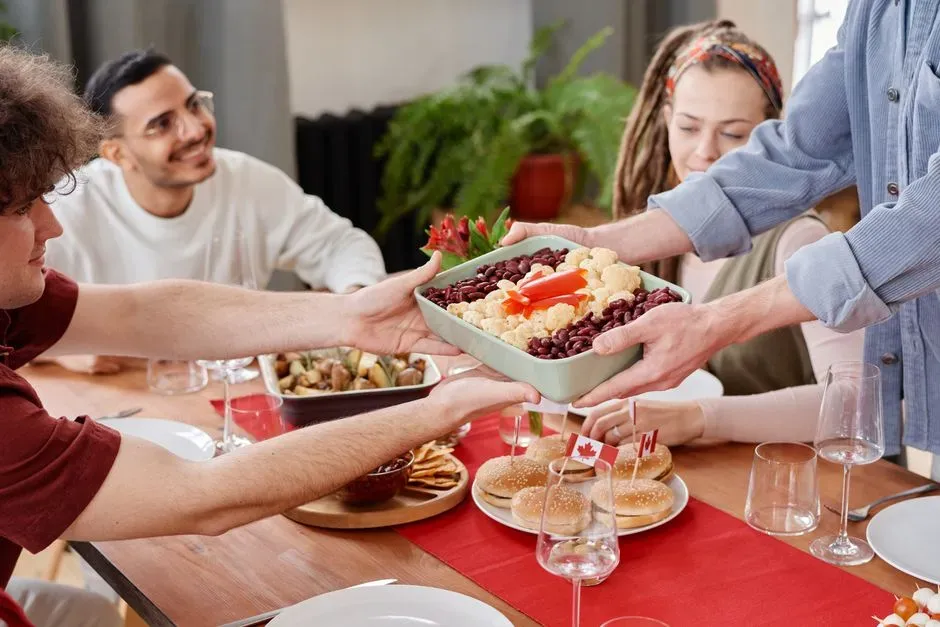
6. Commenting negatively on someone's dish choice (Image Credits: Pexels)
At potlucks or family-style meals where guests bring their own contributions, criticizing a dish out loud, even lightly, tends to land harder than people expect. Comments like "I'm not really a fan of this one" or exaggerated faces of distaste can embarrass the person who made or chose that item. Food carries a personal element for a lot of people, especially in family settings where recipes are tied to memory or tradition.
Neutral silence or a simple "no thanks" when declining a dish is almost always better received than a running commentary on its taste or appearance. It keeps the mood pleasant without putting anyone on the defensive over something they brought in good faith.
7. Ignoring dietary needs when serving shared dishes
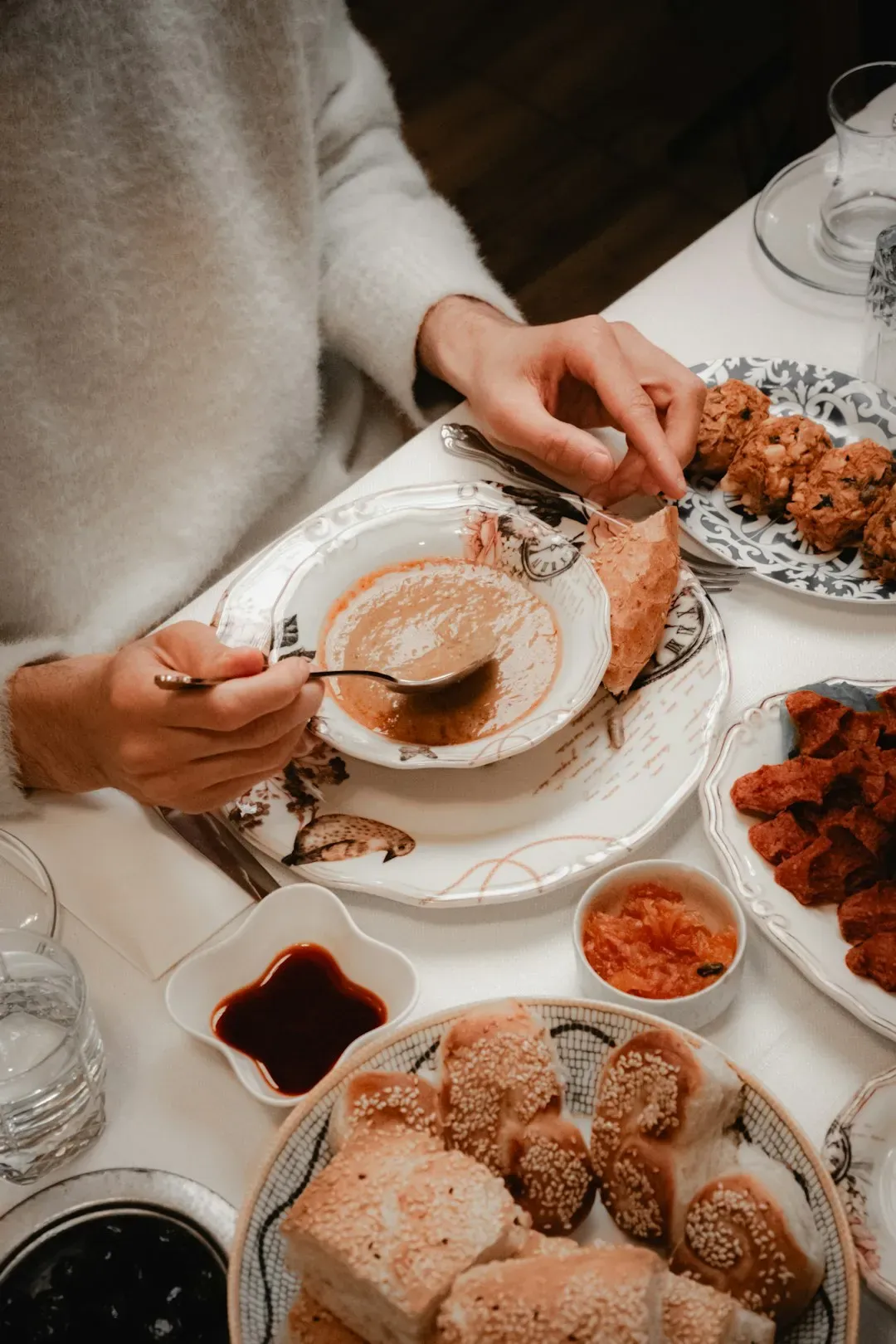
7. Ignoring dietary needs when serving shared dishes (Image Credits: Unsplash)
Using the same serving spoon across dishes with different dietary restrictions, like a vegetarian dish and a meat dish, can create real problems, not just etiquette ones. Cross-contact between allergen-containing foods and allergen-free foods is a recognized concern by organizations like Food Allergy Research and Education, which notes that shared utensils are one of the more common ways accidental exposure happens at group meals. For guests managing food allergies or religious dietary restrictions, this isn't a minor inconvenience, it can be a genuine health risk.
Keeping designated spoons or tongs with each dish, and not swapping them between plates, protects guests who might not feel comfortable bringing it up themselves. It's a small setup step that host and guests alike can watch for before the meal even starts.
8. Talking with your mouth full during passing moments

8. Talking with your mouth full during passing moments (Image Credits: Pexels)
Family-style dinners tend to involve more overlapping conversation than plated meals, since dishes are moving and people are chatting while serving each other. Talking with a full mouth during these moments, especially while handing someone a dish, tends to draw more attention than usual because eye contact and interaction happen more frequently at a shared table. It's a habit that's easy to overlook individually but becomes more noticeable in a group setting where people are facing each other and passing things back and forth.
Waiting until you've swallowed before responding to a question or making a comment keeps the exchange comfortable for the person you're talking to. It's a small pause that costs nothing but makes conversation flow more naturally.
9. Refusing to pass a dish along after taking your share
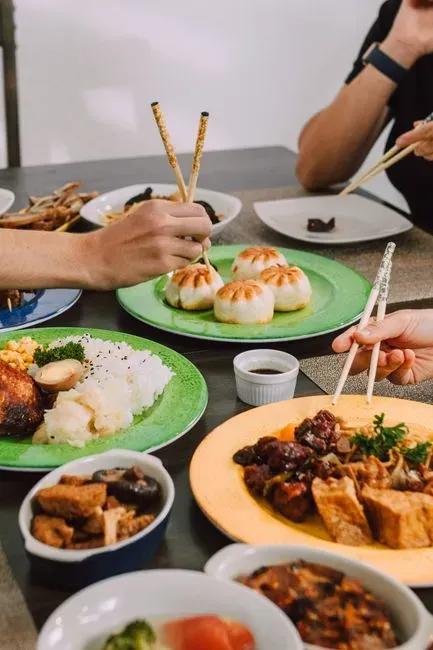
9. Refusing to pass a dish along after taking your share (Image Credits: Pexels)
Holding onto a shared plate a beat too long after serving yourself, whether from distraction or just not noticing, slows the whole table down. Other guests end up waiting, sometimes asking twice, before the dish makes its way around. This is one of the more common sources of quiet frustration at group meals, precisely because it seems too small to comment on directly.
A simple habit of passing a dish immediately after taking your portion, rather than setting it down nearby "for later," keeps the rotation moving. It also signals to the table that you're paying attention to the shared rhythm of the meal, not just your own plate.
10. Serving yourself from the wrong side of a dish

10. Serving yourself from the wrong side of a dish (Image Credits: Unsplash)
Taking food from the side of a dish closest to another guest, rather than the side nearest you, means your utensil or hand crosses into their immediate space. It's a subtle thing, but it can feel intrusive, especially at closely arranged tables where personal space is already limited. This often happens without anyone noticing they're doing it, since the instinct is usually just to reach for whatever looks best.
Serving from your own side of a dish, even if it means taking a slightly different piece than you'd prefer, keeps the physical boundaries of the table comfortable. It's a minor adjustment that a lot of etiquette guides mention specifically because it's so easy to correct once you're aware of it.
11. Announcing how much food you're skipping

11. Announcing how much food you're skipping (Image Credits: Unsplash)
Loudly declaring a decision to skip carbs, avoid a dish because of a diet, or comment on calorie content while dishes are being passed can put a strange weight on the table. Other guests may suddenly feel scrutinized for what's on their own plate, even if that wasn't the intention at all. Family gatherings in particular tend to already carry some baggage around food and body commentary, and vocalizing these choices at a shared meal can amplify that discomfort.
Quietly declining a dish, without narrating the reasoning behind it, keeps personal choices personal. If someone asks directly, a brief and low-key answer works far better than an unprompted explanation to the whole table.
12. Rushing everyone through dessert or the final course

12. Rushing everyone through dessert or the final course (Image Credits: Pexels)
Standing up to clear plates or announcing it's time for dessert while others are still finishing their main course can feel like being hurried out the door. Family-style meals are often meant to be leisurely, with the shared dishes encouraging lingering conversation between courses. Cutting that short, even with good intentions like wanting to keep things moving, can leave slower eaters feeling rushed or self-conscious about their pace.
Waiting until most plates are genuinely empty, or simply asking if everyone's ready before clearing, respects the natural rhythm most people expect from this kind of meal. It's a small courtesy that keeps the closing moments of the dinner as relaxed as the rest of it was meant to be.
None of these habits are dramatic on their own. They're the kind of small frictions that build up quietly over the course of a meal, noticed by everyone but mentioned by almost no one. Paying attention to them doesn't require overthinking a dinner, just a bit more awareness of how shared dishes and shared space actually work when everyone's eating from the same table.