
Table manners are funny things. We learn most of them as kids, half-remember the reasons behind them, and then spend the rest of our lives repeating gestures we assume are courteous. Some of those habits, though, land very differently than intended, especially across different households, cultures, or even generations at the same table. Here's a closer look at ten common dinner behaviors that people often do to seem thoughtful, but that actually come across as awkward or even impolite.
1. Salting your food before tasting it
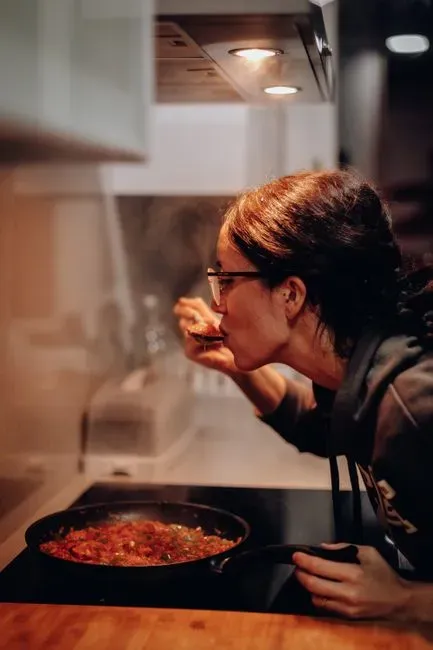
1. Salting your food before tasting it (Image Credits: Pexels)
Reaching for the salt shaker the second your plate arrives feels like a harmless habit, but to a cook or host, it can read as a quiet insult. The gesture suggests you've already decided the dish needs fixing before giving it a chance. In many dining traditions, especially formal ones, seasoning a meal before tasting is considered a subtle dig at the chef's judgment.
Etiquette guides consistently recommend tasting first, then adjusting seasoning only if needed. It takes just a few seconds and shows you're actually paying attention to what's in front of you. Skipping that step, even unintentionally, can make a host feel like their effort was overlooked.
2. Insisting on paying the entire bill

2. Insisting on paying the entire bill (Image Credits: Unsplash)
Grabbing the check and refusing to let anyone contribute might feel generous, but it can actually put people in an uncomfortable position. Some guests genuinely want to split costs or take their turn, and being overridden repeatedly can feel controlling rather than kind. It also creates an unspoken debt that not everyone is comfortable carrying.
Modern etiquette experts increasingly suggest offering to pay once, gracefully, and then respecting the other person's response. If they insist on splitting or covering their share, pushing back a second or third time shifts from generous to overbearing. Genuine hospitality includes letting people reciprocate when they want to.
3. Cleaning your plate completely

3. Cleaning your plate completely (Image Credits: Unsplash)
Finishing every last bite is often taught as a sign of gratitude, especially in households where wasting food was frowned upon. In several cultures, though, it sends the opposite message. In parts of China and the Middle East, leaving a small amount of food on the plate is a traditional cue that the host provided more than enough.
A completely empty plate can unintentionally suggest that portions were too small, prompting the host to feel obligated to serve more. It is a small cultural mismatch, but one that trips up a lot of well-meaning travelers and dinner guests. Knowing the household or region you're eating in matters more than sticking to one universal rule.
4. Refilling your own glass without offering others first

4. Refilling your own glass without offering others first (Image Credits: Unsplash)
Topping off your own drink mid-conversation seems minor, but at a shared table it can look self-focused. The generally accepted approach, especially at group meals, is to offer refills to those around you before pouring your own. It is a small sequencing habit, yet it signals awareness of the people sharing the table with you.
This is particularly noticeable in wine-forward dining cultures, where refilling etiquette is treated almost as seriously as the wine choice itself. Skipping the offer isn't a major offense, but repeated over an entire dinner, it can come across as inattentive. A quick glance around the table before pouring solves the problem entirely.
5. Complimenting the food excessively
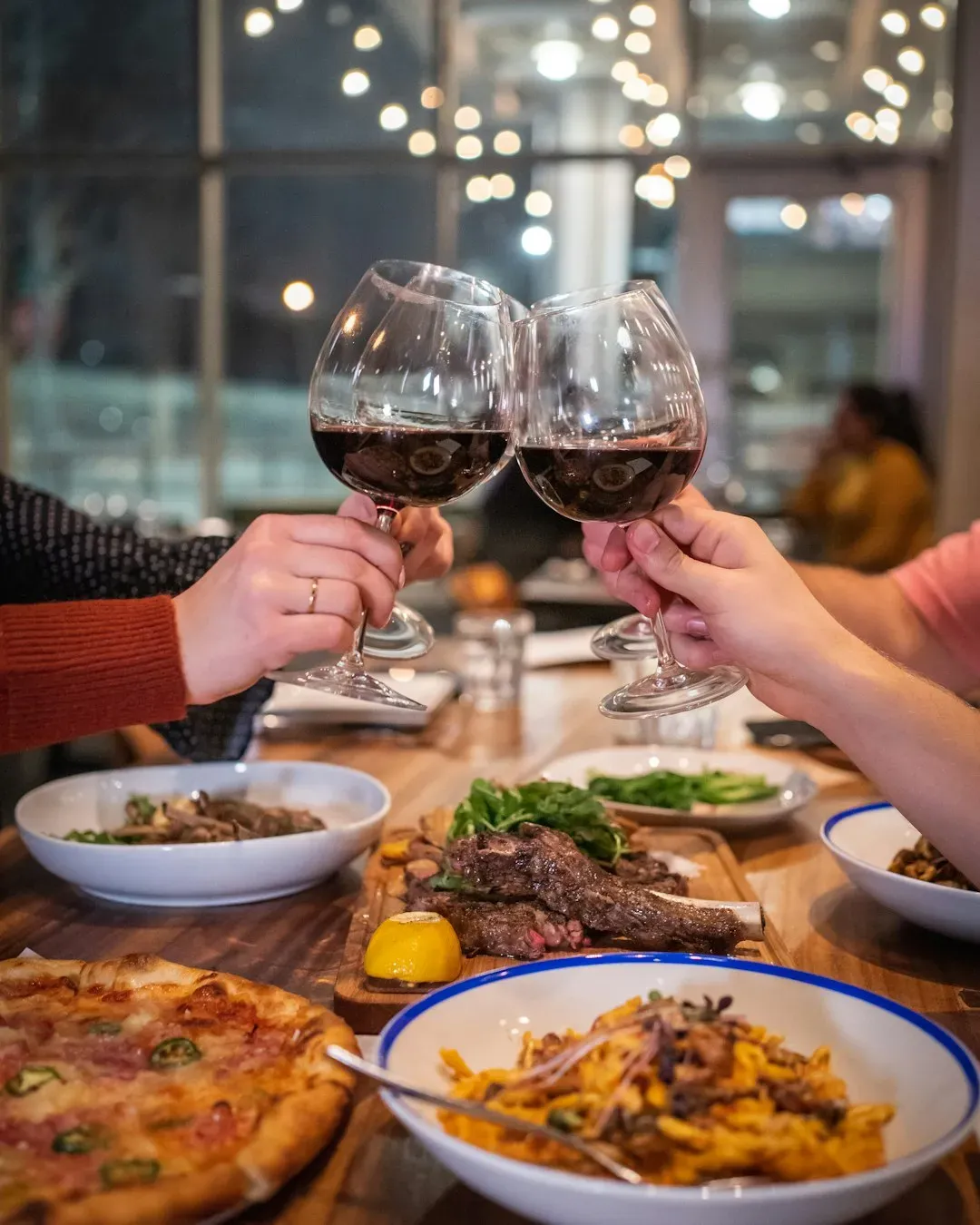
5. Complimenting the food excessively (Image Credits: Unsplash)
Praising a meal is normal and expected, but piling on compliment after compliment can tip into something that feels performative rather than sincere. Overdoing it sometimes puts pressure on the host to respond modestly again and again, which gets exhausting over a two-hour dinner. It can also make other guests feel like their own reactions are being measured against an impossibly enthusiastic bar.
One genuine, specific compliment, mentioning a particular dish or technique, tends to land better than a stream of general praise. Hosts often say a single thoughtful remark feels more authentic than repeated exclamations. Restraint, in this case, reads as more respectful than enthusiasm.
6. Bringing your own food or dietary substitutions uninvited

6. Bringing your own food or dietary substitutions uninvited (Image Credits: Pexels)
Showing up to a dinner party with a separate dish because you're not sure what will be served might feel considerate toward your own needs, but without a heads-up, it can feel dismissive to the host. Most hosts genuinely want to accommodate allergies or preferences if they know in advance. Surprising them with a cooler bag at the door removes their chance to plan for you.
Etiquette guidance from hospitality experts generally recommends communicating dietary restrictions well before the event, not solving them independently on arrival. If a host is not told and a guest brings food anyway, it can unintentionally suggest a lack of trust in their cooking or planning. A short message beforehand avoids the whole situation.
7. Texting under the table "quietly"

7. Texting under the table "quietly" (Image Credits: Unsplash)
Sliding a phone onto your lap and glancing down between bites feels discreet, but it rarely goes unnoticed. The gesture communicates the opposite of what people intend, since a dinner partner can usually tell exactly what's happening from the tilt of your head and the pause in conversation. Surveys on dining etiquette consistently rank phone use at the table among the most disliked modern habits, right alongside talking with a full mouth.
Even brief phone checks interrupt the flow of conversation and can make others feel like their company is secondary. Waiting until a natural break, or stepping away briefly if something urgent comes up, reads as far more respectful than trying to multitask discreetly. The under-the-table method fools almost no one.
8. Standing to greet every single person who walks by
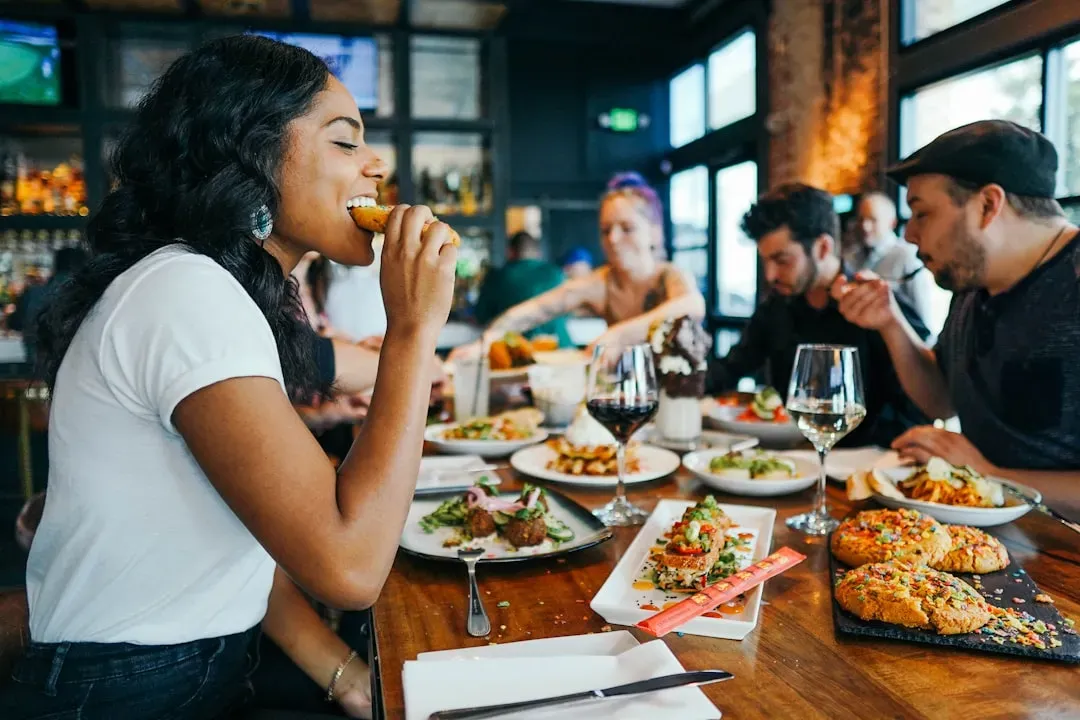
8. Standing to greet every single person who walks by (Image Credits: Unsplash)
Popping up from your seat each time someone approaches the table can feel like good manners, especially in more traditional or formal settings. In a busy restaurant or a large family gathering, though, constant standing disrupts the flow of the meal for everyone else at the table. It also tends to draw more attention to the greeting than necessary.
A warm nod, a smile, or a brief handshake while remaining seated is generally considered sufficient outside of very formal occasions, such as meeting an elder for the first time in certain cultural contexts. Etiquette guidance typically reserves full standing greetings for moments when someone significantly senior or important arrives. Overapplying the gesture to every passerby ends up diluting its meaning.
9. Asking to take home leftovers immediately after the meal ends

9. Asking to take home leftovers immediately after the meal ends (Image Credits: Pexels)
Requesting a box the second plates are cleared can seem like a compliment to the cooking, but the timing matters. Jumping straight to leftovers, before dessert, coffee, or lingering conversation even begin, can make it feel like the social part of the evening is being cut short. It shifts the mood from relaxed to transactional rather abruptly.
Waiting until the natural close of the evening, when other guests are also wrapping up, tends to feel more considerate. Hosts often mention that guests who ask for leftovers right as they're heading out the door make the gesture feel like an afterthought rather than a rushed request. A little patience here goes a long way.
10. Pouring wine or drinks for yourself before the toast
10. Pouring wine or drinks for yourself before the toast (Image Credits: Unsplash)
Grabbing a glass and pouring before a toast has been made, especially at a celebratory dinner, breaks a sequence that many people take seriously. Toasting traditions across numerous cultures place real weight on everyone raising a filled glass together before anyone drinks. Pouring early, even absentmindedly, can come across as jumping ahead of a moment meant to be shared.
This matters especially at weddings, anniversaries, or work dinners where a toast signals something specific, like gratitude or an announcement. Waiting those extra thirty seconds costs nothing and keeps the moment intact for everyone. It's a small pause, but it's one people notice when it's skipped.
Table manners rarely come with instruction manuals, which is exactly why so many well-intentioned habits get misread. Most of these missteps aren't really about rules at all. They're about paying attention to the people you're sharing a meal with, and adjusting small habits so the gesture actually lands the way it was meant to.