
Grocery shopping seems like it should be the same everywhere in the country. Wheel a cart around, grab a few things, pay, go home. Yet anyone who has moved from Boston to Portland, or flown from New Jersey to Los Angeles for a work trip, knows the checkout line can feel like a small culture shock. The differences are not dramatic, but they add up, and they tend to catch newcomers off guard in ways that are equal parts funny and mildly frustrating.
Some of it comes down to state law, some of it comes down to regional habit, and some of it is just how certain chains built their brand decades ago and never bothered to change. Here is a rundown of the moments that tend to make transplants pause mid-checkout and wonder what just happened.
1. You are expected to bring your own bags, or pay for one
1. You are expected to bring your own bags, or pay for one (Image Credits: Unsplash)
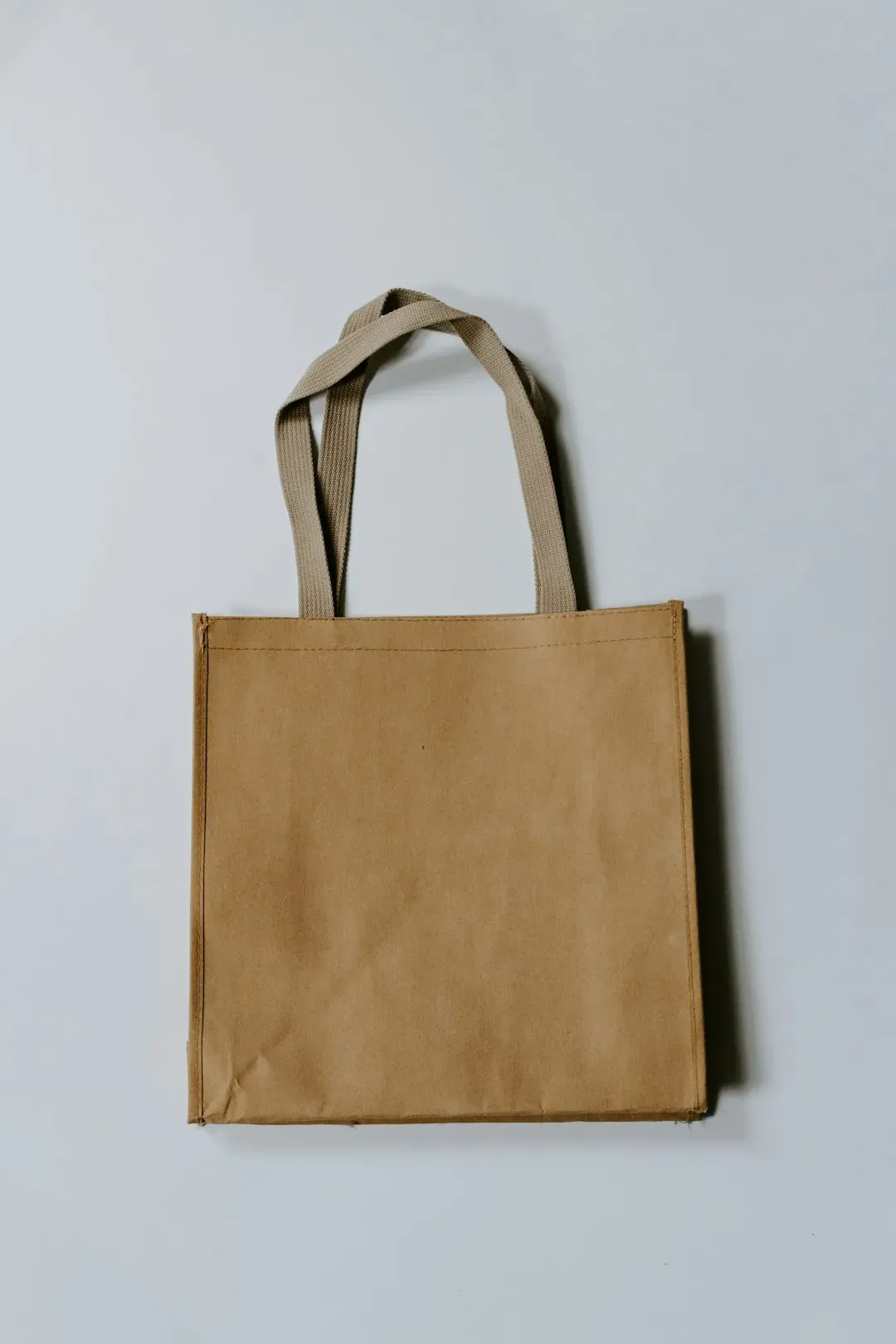
Plastic bags at the register are basically gone across much of the West Coast, and it is not a suggestion. As of January 1, 2026, customers at most grocery stores, convenience stores, and other retailers have three main options: pay at least 10 cents for a paper bag, use a reusable bag, or hand-carry their purchase. This comes from California's Senate Bill 1053, which closed a loophole that had let stores hand out thicker plastic bags labeled as reusable.
East Coasters visiting California, Oregon, or Washington often forget this and end up juggling loose groceries in their arms. It is worth noting this is not just a California quirk either. At least 12 states now have some form of ban on single-use plastic bags, but the West Coast states were among the earliest and strictest adopters of the practice.
2. Every can and bottle comes with a mysterious extra charge
2. Every can and bottle comes with a mysterious extra charge (Image Credits: Pexels)
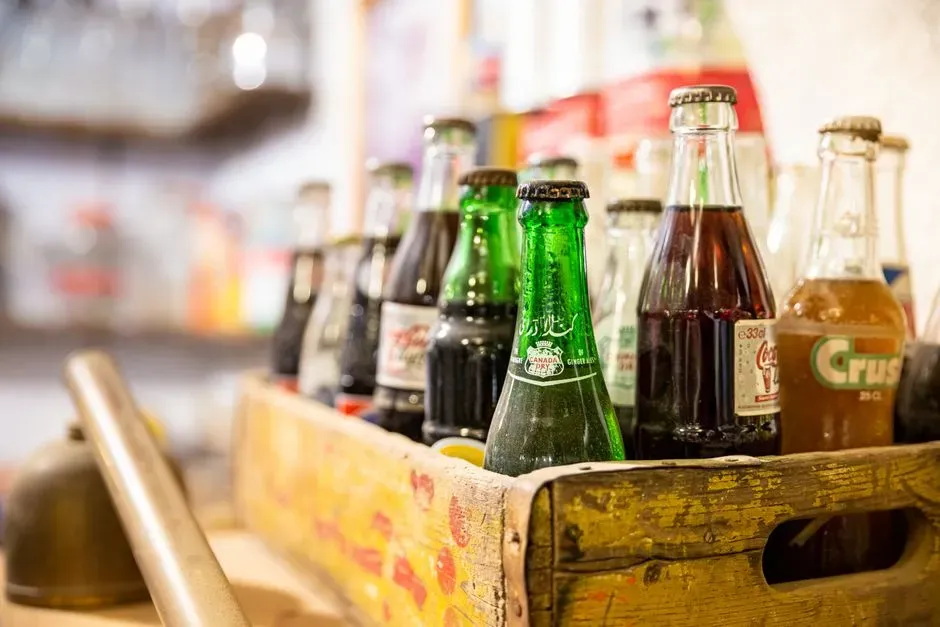
Buy a six-pack of soda in California and the receipt will show a small line item that looks like a mistake. It is not. Consumers pay a deposit known as the California Redemption Value, or CRV, with a charge of five cents for containers under 24 ounces and ten cents for containers 24 ounces or larger.
The fee is technically charged to the distributor, but it gets passed along, and retailers usually break out the CRV as a distinct part of the purchase price on receipts, for example listing a 50-cent soda as "45 cents plus 5 cents CRV." You can get that money back by returning containers to a certified recycling center, though plenty of visitors never bother and just chalk it up as a strange tax on soda.
3. The same grocery chain has a completely different name
3. The same grocery chain has a completely different name (By Boeayamschtiaom, <a href="https://commons.wikimedia.org/w/index.php?curid=30629148" target="_blank" rel="noopener">CC BY-SA 3.0</a>)
This one trips up frequent travelers more than almost anything else. Kroger, the massive Cincinnati-based grocery corporation, operates under its own name across much of the East and Midwest, but on the West Coast it goes by Ralphs. One longtime observer on a travel forum summed up the confusion simply: it's Krogers in the east, but Ralph's in the west, same chain with a different name.
Ralphs is not a small operation either. It is one of the many supermarkets owned by Kroger and features 182 store locations, all concentrated in Southern California. The same pattern shows up elsewhere too, with Safeway rebranding as Vons in parts of Southern California and Fred Meyer running the show in Oregon and Washington under its own regional identity.
4. Hand-painted chalkboard signs instead of glossy corporate branding
4. Hand-painted chalkboard signs instead of glossy corporate branding (Image Credits: Pexels)
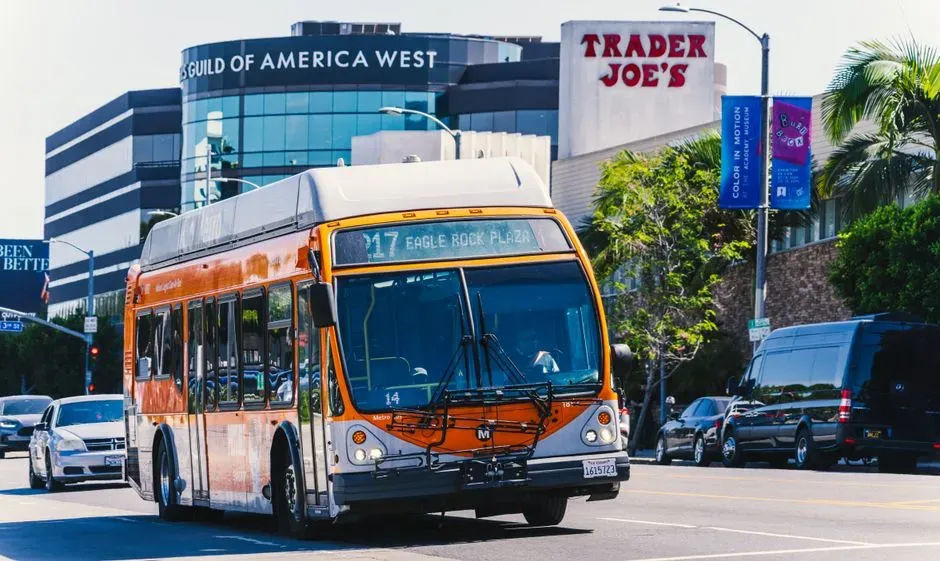
Walk into a Trader Joe's anywhere in the country and you will notice the artwork, but the tradition started on the West Coast and still feels distinctly Californian. Trader Joe's uses handmade signage as a major piece of its signature style and to enhance its "neighborhood grocery store" positioning. The chain was born in Pasadena in 1967, and its founder built an identity around feeling small and local even as it grew.
East Coasters who grew up with fluorescent-lit supermarket chains sometimes find the whole aesthetic disarming at first, almost too quirky to be a real business. It took decades for the concept to fully cross the country. Trader Joe's did not open its first East Coast stores until 1996, in Brookline and Cambridge outside Boston, so for a long stretch this handmade look really was a West Coast thing.
5. Nobody bags your groceries for you anymore
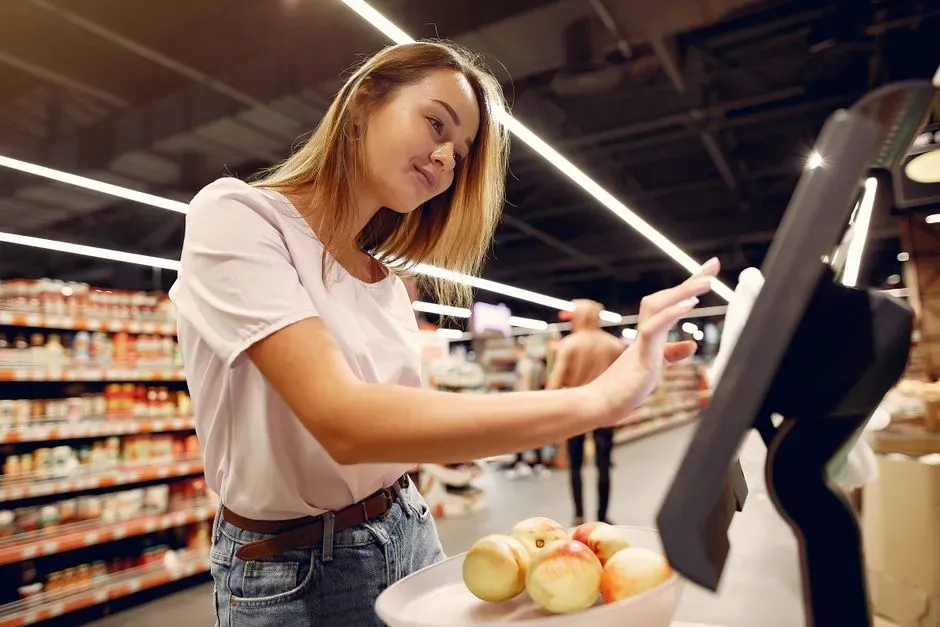
5. Nobody bags your groceries for you anymore (Image Credits: Pexels)
Full-service bagging, where an employee packs your cart and sometimes walks it out to the car, still exists in pockets of the West Coast, but it has become far less common than many East Coast shoppers expect. One person tracking the shift noticed the pattern was regional, writing that the friendly bagged-and-carried-to-your-car service felt more of a suburban thing, since the nice Safeways near her parents' old house always had baggers, and a Kroger in Savannah had them too, but she had never seen them in the city.
Trader Joe's, which shaped a lot of West Coast shopping habits, leans into a fast self-serve checkout culture where cashiers move quickly and customers are often already bagging their own items before the transaction even finishes. It is efficient, but it can feel abrupt if you are used to someone else handling that part of the errand for you.
6. Familiar East Coast chains vanish, replaced by names you have never heard of
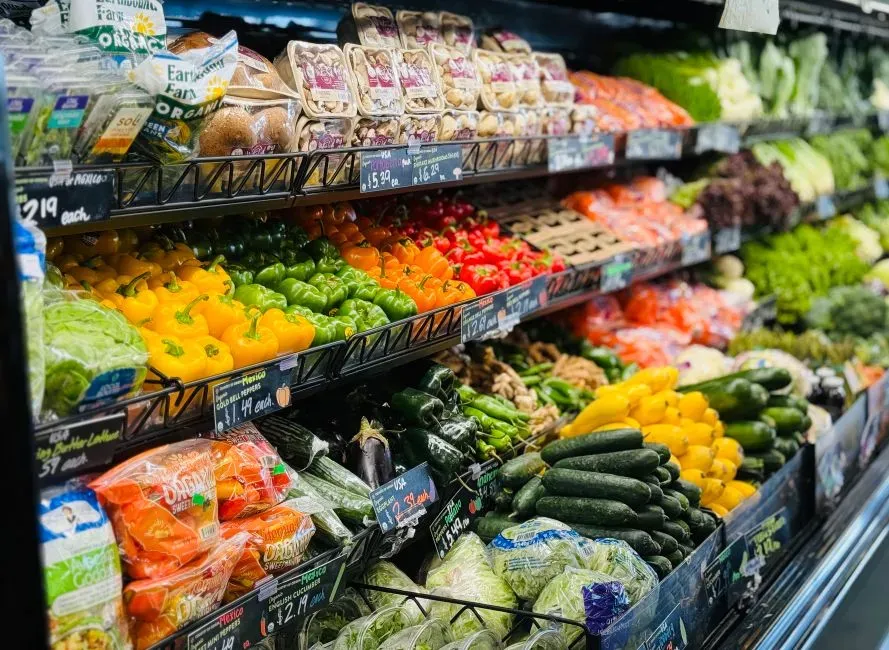
6. Familiar East Coast chains vanish, replaced by names you have never heard of (Image Credits: Pexels)
Publix, Wegmans, ShopRite, and Stop and Shop simply do not exist west of the Rockies. In their place are chains built specifically for California, Oregon, and Washington shoppers, most of which never bothered expanding eastward. A detailed rundown of the region's grocery landscape noted that these chains were chosen because they only exist in California, Oregon, and Washington, having never expanded eastward, so they remain exclusive to the West Coast.
Names like Gelson's, Bristol Farms, Stater Bros, and Nugget Markets dominate certain neighborhoods, and East Coast transplants often spend their first few months just figuring out which store carries what. Ralphs alone currently has 182 total locations across California, more than any other chain on the region's list. It is a reminder that grocery shopping in America is far less standardized than most people assume.
7. Kombucha taps, poke bars, and bulk bins are just normal now
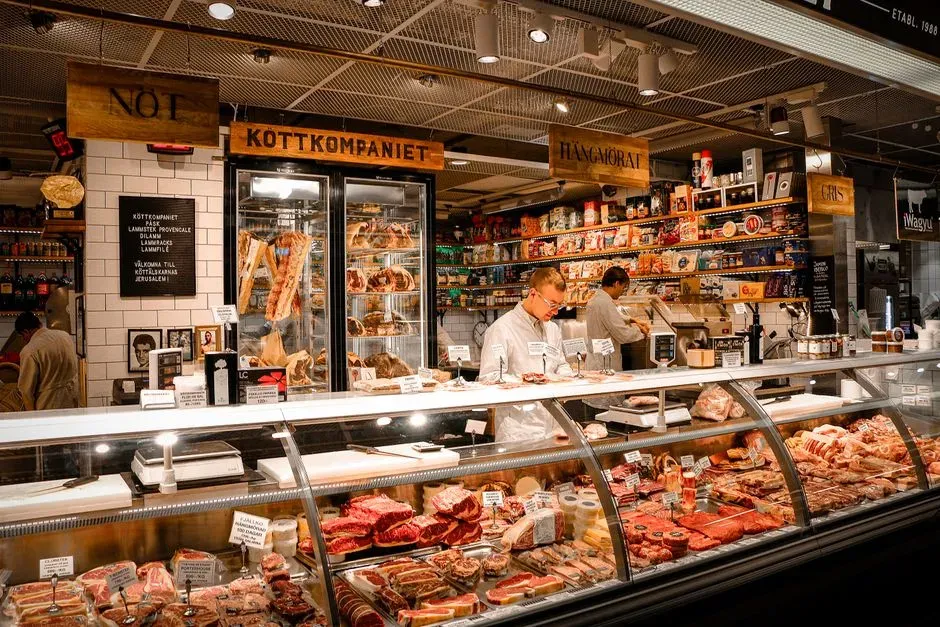
7. Kombucha taps, poke bars, and bulk bins are just normal now (Image Credits: Pexels)
Grocery stores on the West Coast tend to treat prepared and specialty food sections as a core part of the shopping trip rather than an afterthought. Stater Bros, a Southern California staple, includes stations like a bakery, poké bar, sushi section, rotisserie chicken, soup and salad bar, on-tap kombucha and cold brew bar, and floral department.
Smaller regional chains push this even further. Nugget Markets, based in Northern California, stocks a bakery, deli, specialty cheeses with over 400 varieties currently, prepared foods, premade sandwiches, smoothies, freshly-squeezed juices, coffee, lots of wine, and a selection of imported ethnic food. For someone used to a straightforward supermarket layout back east, it can feel like walking into a small food hall rather than a place to grab milk and bread.
None of these differences are going to ruin anyone's trip, but they explain why a routine grocery run can feel oddly disorienting the first few times. Most visitors adjust within a week or two, tote bag in hand, CRV charges no longer a surprise. What sticks with people longer is the realization that something as ordinary as buying groceries can look genuinely different depending on which coast you happen to be standing on.