
Asking for a box at a fine dining restaurant is one of those small moments that reveals a lot about dining etiquette, and it trips people up more often than you'd think. The rules are different here than at a casual burger joint, shaped by unspoken expectations around pacing, presentation, and the chef's intent. Below are seven common missteps diners make when the check arrives and the food is still on the table.
1. Asking for a box before the meal is officially over
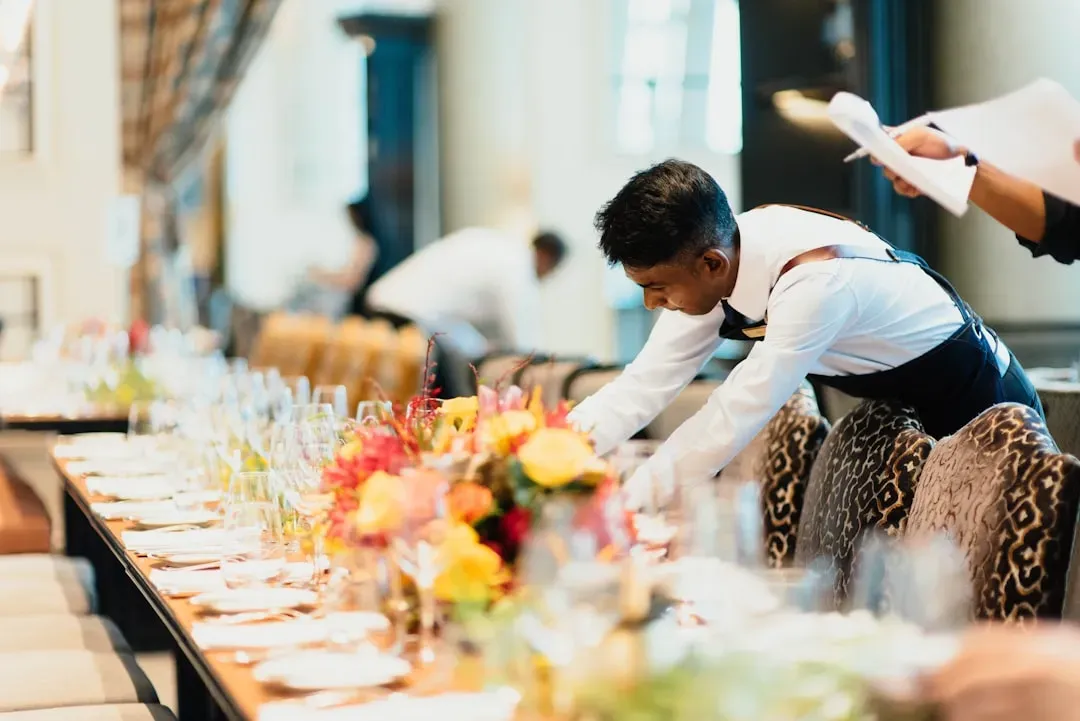
1. Asking for a box before the meal is officially over (Image Credits: Unsplash)
Timing matters more than most diners realize. Fine dining service moves through deliberate courses, and jumping ahead by requesting a container mid meal disrupts the rhythm the kitchen and front of house staff have carefully choreographed. Servers are trained to read the table, and an early request can signal impatience in a setting built around unhurried pacing.
The better move is to wait until dessert plates are cleared or the check has been presented. At that point, staff expect the question and can respond smoothly without breaking the flow of service for other tables nearby. Patience here isn't just polite, it keeps the whole dining room operating the way it's designed to.
2. Assuming every fine dining restaurant offers to go boxes
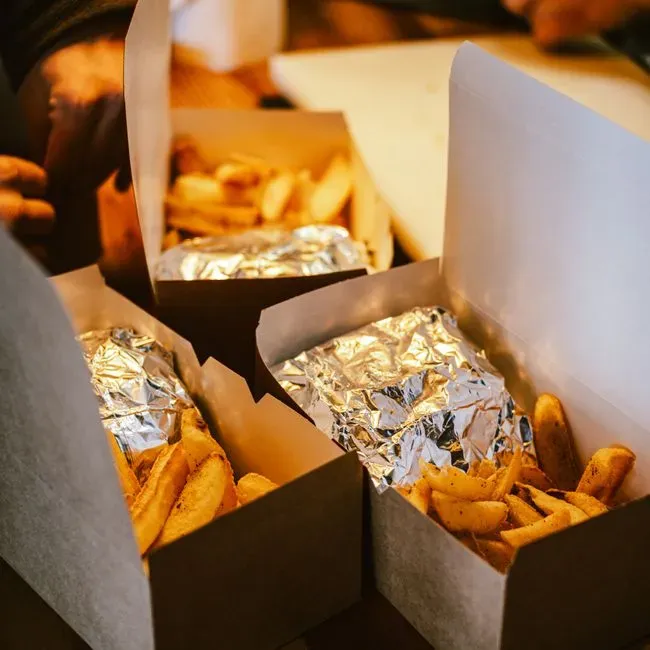
2. Assuming every fine dining restaurant offers to go boxes (Image Credits: Pexels)
Not every upscale restaurant hands out containers as a matter of course, and some genuinely don't offer them at all. High end tasting menu spots in particular often skip this option entirely, since dishes are frequently plated with sauces, foams, or temperature sensitive elements that don't survive transport. Chefs in this category tend to view the finished plate as a complete, one time experience rather than something meant to be extended.
Diners who assume boxing up leftovers is universal can end up mildly embarrassed when a server politely explains it isn't available. It helps to gauge the restaurant's style before assuming, since a multi course tasting menu carries very different norms than a steakhouse or seafood house where large portions are common and boxes are standard practice.
3. Requesting a box for shared or communal plates

3. Requesting a box for shared or communal plates (Image Credits: Pexels)
Family style and shared plate dining has become increasingly common in upscale restaurants over the past few years, and it creates a gray area around leftovers. When multiple people have been eating off the same platter, deciding who takes the extra portion home can feel awkward, and asking the server to sort it out puts them in an uncomfortable spot. This is especially true when the check has already been split or the group hasn't clearly agreed on who ordered what.
The cleaner approach is for the group to quietly settle the question themselves before flagging a server. A simple check in with tablemates avoids putting staff in the middle of a decision that isn't really theirs to make. It also keeps the transition from meal to takeout box feeling natural rather than transactional.
4. Packing up the box at the table yourself
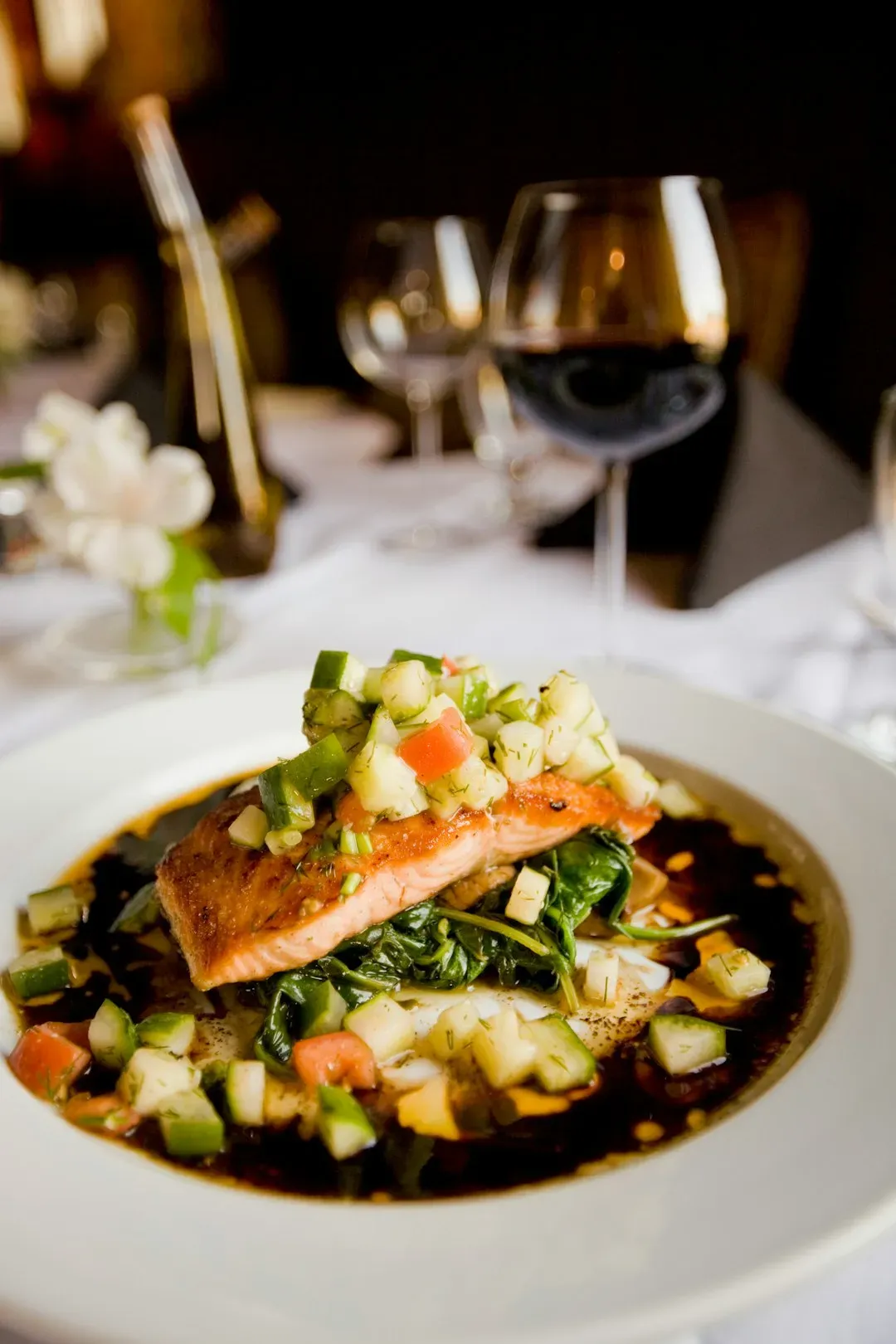
4. Packing up the box at the table yourself (Image Credits: Unsplash)
In many fine dining settings, the expectation is that staff handle the transfer of food into containers, not the guest. Reaching across the table to scrape sauce or rearrange food into a to go box in front of other diners can feel out of step with the restaurant's overall presentation standards, particularly in dimly lit or more formal dining rooms. Servers are generally trained to do this tableside or take the plate back to a service station, which keeps the process discreet.
Letting the server manage this step isn't about helplessness, it's about matching the room's tempo. Most fine dining staff are used to the request and can package food quickly and neatly, often better than a guest could manage with limited table space and cutlery still in play. It also avoids the slightly awkward visual of active plate rearranging happening mid conversation.
5. Boxing up food that was never meant to travel
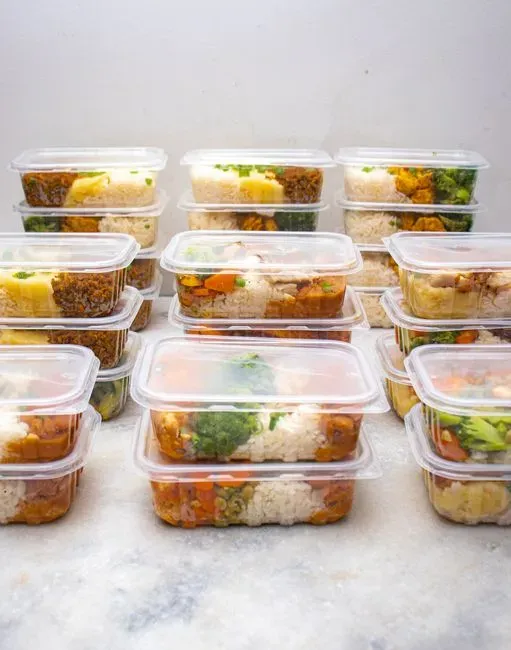
5. Boxing up food that was never meant to travel (Image Credits: Pexels)
Certain dishes simply don't hold up outside the restaurant, and asking for them anyway sets an expectation the kitchen can't meet. Delicate items like a soufflé, a perfectly seared piece of fish, or anything built around temperature contrast, such as a warm dessert with a cold ice cream component, tend to fall apart within minutes of being boxed. Chefs put real thought into serving temperature and texture, and that engineering rarely survives a car ride home.
Bread, dry proteins, and sturdier sides generally travel fine, but sauces and delicate garnishes usually don't reheat or hold well. A server can often give an honest read on what's worth taking versus what will just end up in the trash the next day. Trusting that guidance tends to save both the food and the disappointment of a soggy reheated dish.
6. Treating the box like a doggy bag from a casual restaurant
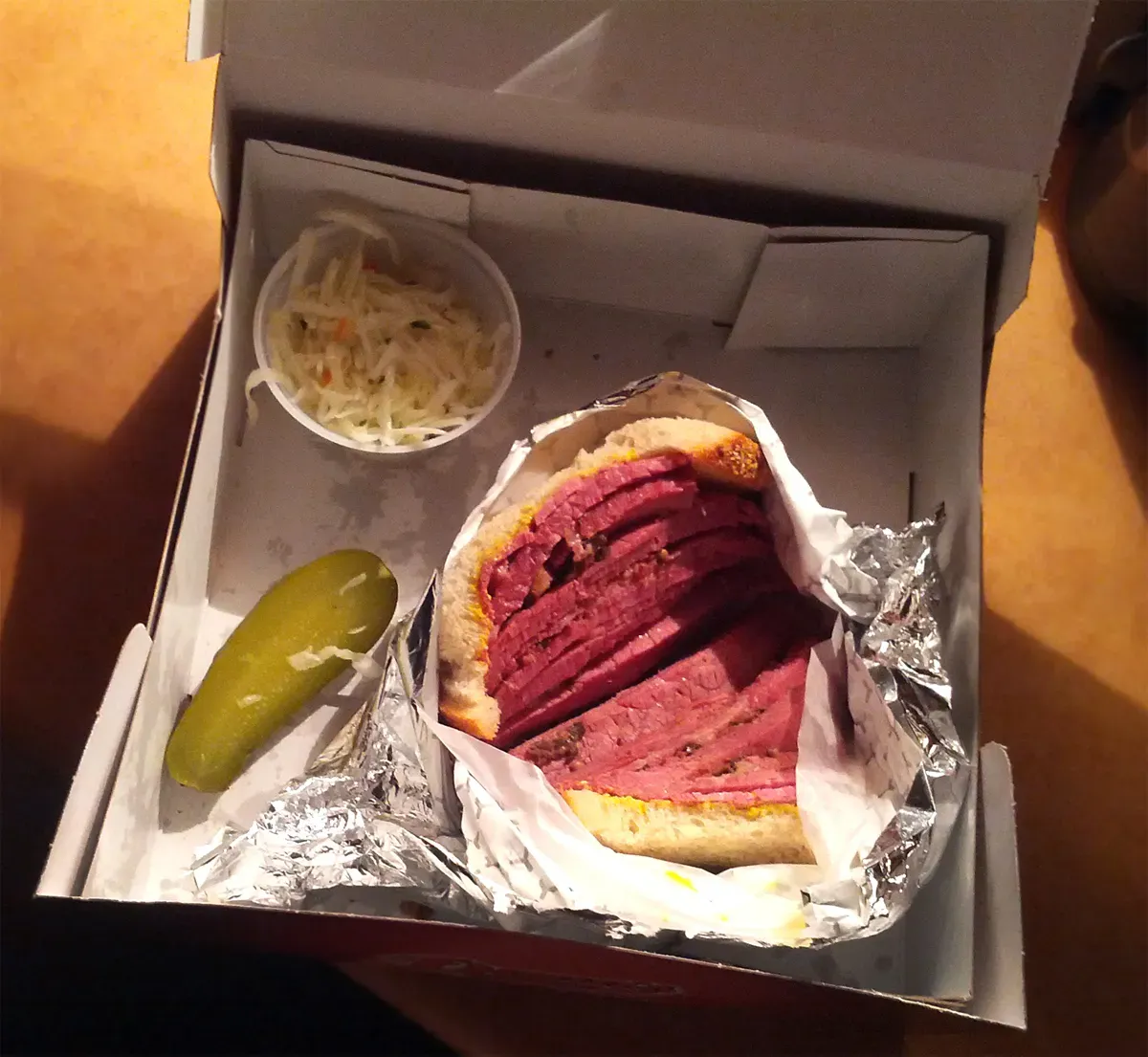
6. Treating the box like a doggy bag from a casual restaurant (By Gates of Ale, <a href="https://commons.wikimedia.org/w/index.php?curid=32875590" target="_blank" rel="noopener">CC BY-SA 3.0</a>)
The plain styrofoam clamshell that works fine at a diner doesn't really fit the tone of a restaurant charging premium prices for a curated experience. Many fine dining establishments now use branded containers, wax paper wraps, or small paper bags instead of generic plastic, partly as an extension of their overall presentation. Treating the process too casually, like waving down a server and asking for "a doggy bag" in the middle of a quiet dining room, can feel a bit jarring against the restaurant's tone.
A quieter, more low key request tends to land better in this setting. Something as simple as asking discreetly whether the remaining food can be packed up achieves the same result without disrupting the ambiance other guests are paying for as well. The container itself might look different, but the etiquette of asking calmly stays consistent.
7. Forgetting that boxing wine or unfinished cocktails is a different rule entirely
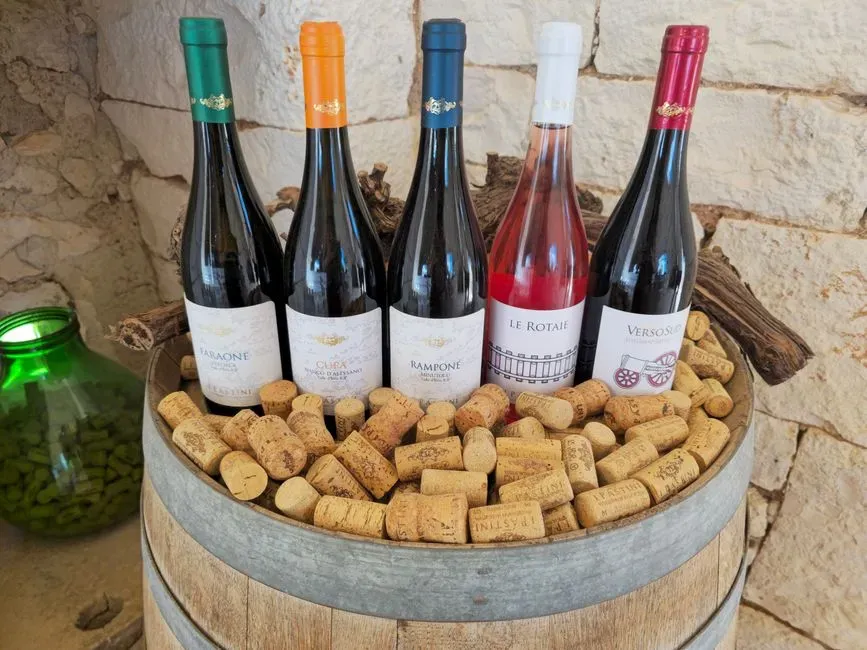
7. Forgetting that boxing wine or unfinished cocktails is a different rule entirely (Image Credits: Pexels)
Diners sometimes assume the same to go logic applies to unfinished drinks, but alcohol is governed by an entirely separate set of rules. Many states in the US do allow restaurants to cork and bag a partially finished bottle of wine for takeout, thanks to laws expanded in a number of states, though the specifics vary significantly by state and municipality. Cocktails and unfinished glasses of wine by the glass, on the other hand, are almost never eligible to leave the premises due to open container laws.
Fine dining restaurants that do allow bottle takeout typically require it to be resealed with a cork, placed in a bag, and often need the receipt attached as proof of purchase for the ride home. Assuming a to go cocktail or a splash of a shared bottle can simply be carried out the door is a common mistake, and one that can put both the guest and the restaurant at legal risk. Checking with staff about local rules before assuming anything about alcohol takeout is always the safer route.