
Summer cookouts have a way of exposing who actually knows their way around a grill and who's just winging it. A burger looks simple enough: meat, heat, bun, done. Yet so many backyard cooks make the same avoidable errors that turn a potentially great burger into a dry, flavorless disc of regret. Here's a rundown of the missteps that separate the confident grillers from the ones still guessing.
1. Overworking the meat when forming patties
1. Overworking the meat when forming patties (Image Credits: Unsplash)
There's a strong urge to knead ground beef like bread dough, squeezing and pressing it into a tight, uniform ball before shaping it into a patty. That instinct is exactly wrong. Overhandling the meat compacts the protein fibers, and once that happens, the burger turns dense and rubbery no matter how carefully it's cooked afterward.
The better approach is to handle the meat as little as possible. Gently form the patty, leave the surface a little loose and craggy, and stop touching it the moment it holds its shape. A light touch keeps the texture tender and lets the burger stay juicy through cooking.
2. Skipping the thumbprint in the center
2. Skipping the thumbprint in the center (Image Credits: Unsplash)
Ground beef patties are notorious for puffing up in the middle as they cook, since the outer edges firm up faster than the center and the whole patty contracts inward. Skip this step and you end up with a burger shaped more like a baseball than something that fits neatly on a bun. It's a small detail that gets overlooked constantly, yet it makes a visible difference in the final result.
The fix is simple: press a shallow indentation into the center of each patty with a thumb or the back of a spoon before it hits the grill. That dimple compensates for the shrinkage, so the burger ends up flat and even rather than domed and awkward to eat.
3. Using meat that's too lean
3. Using meat that's too lean (Image Credits: Pexels)
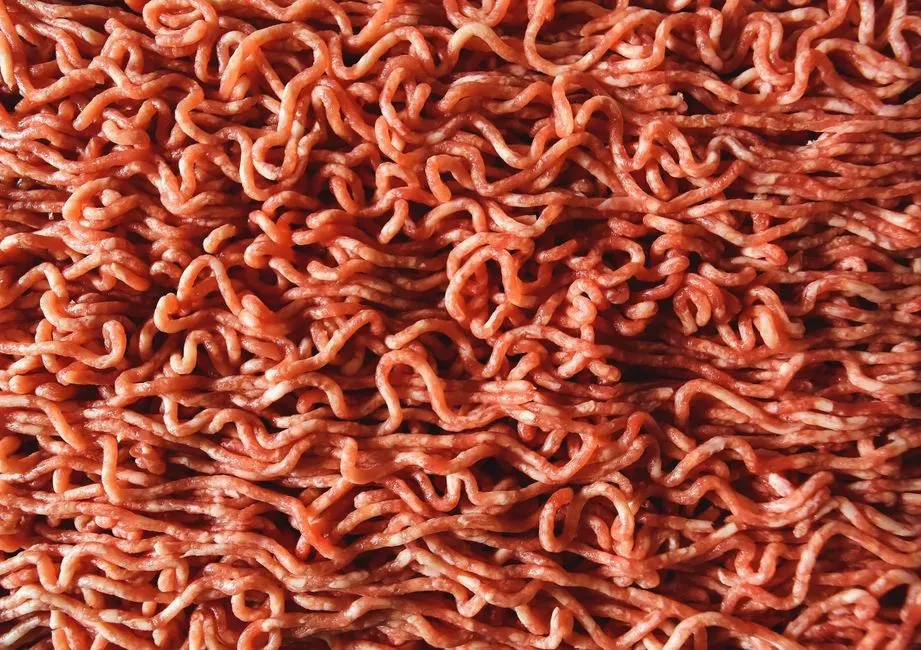
Reaching for the leanest ground beef on the shelf seems like the healthier, smarter choice, but it usually backfires when grilling burgers. Fat is what carries flavor and keeps the meat moist as it cooks, so anything much leaner than an 80/20 blend of meat to fat tends to dry out fast over direct heat. The result is a burger that tastes chalky no matter how well it's seasoned.
An 80/20 or even 75/25 ratio is generally considered the sweet spot for backyard grilling. That extra fat renders during cooking, bastes the meat from the inside, and helps develop the kind of char and flavor that leaner blends simply can't produce on their own.
4. Pressing down on the patty with a spatula
4. Pressing down on the patty with a spatula (Image Credits: Pexels)
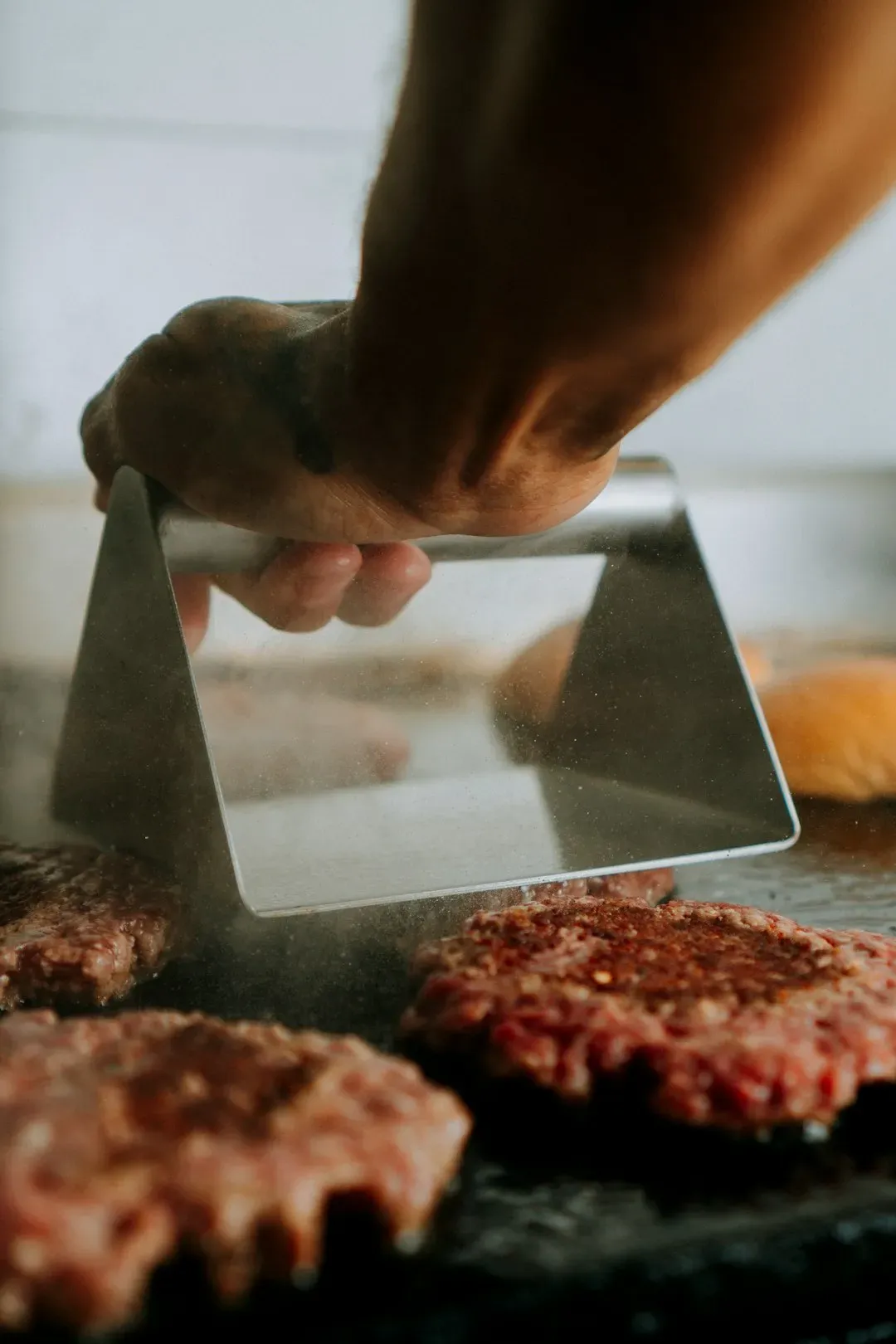
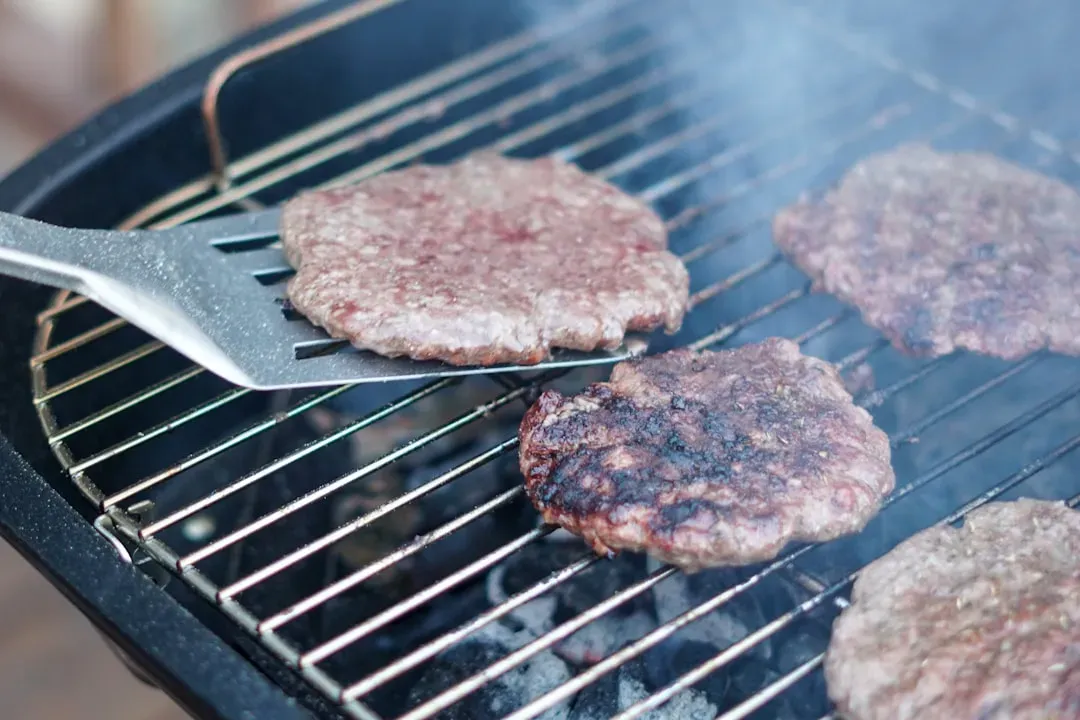
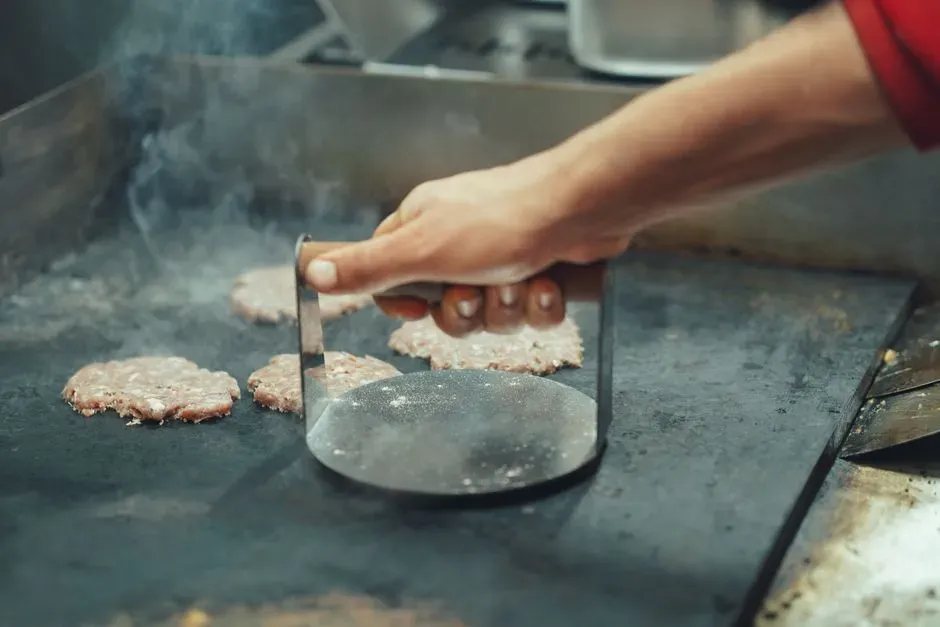
It's one of the most common sights at any backyard grill: someone smashing a spatula down on a burger mid-cook, sending a satisfying hiss of steam and fat into the coals. It looks dramatic, but it's actively working against a good result. That pressure squeezes out the juices that are supposed to stay inside the meat, leaving the burger drier than it needs to be.
Smash burgers are a different technique entirely, one that involves flattening thin patties only once, right at the start, on a very hot surface. For a standard thicker backyard burger, though, the rule is to leave it alone. Flip it once or twice, but resist the temptation to press, poke, or flatten it while it's cooking.
5. Not letting the grill get hot enough first
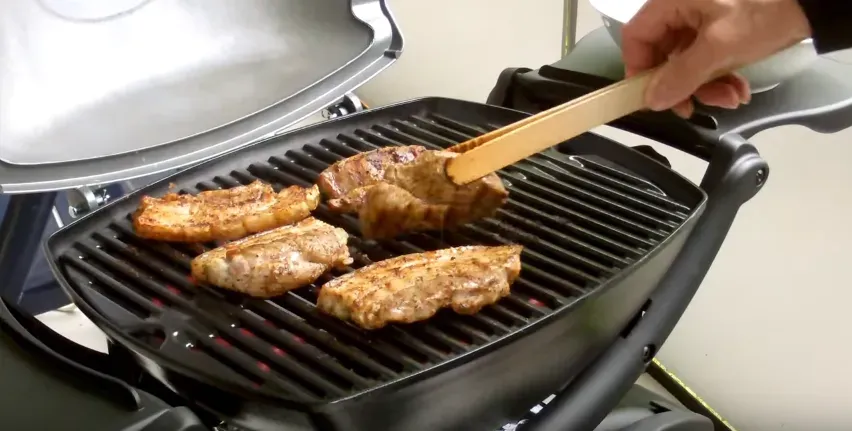
5. Not letting the grill get hot enough first (By Tourni Abha, <a href="https://commons.wikimedia.org/w/index.php?curid=47230618" target="_blank" rel="noopener">CC0</a>)
Throwing burgers onto a grill that hasn't fully preheated is a recipe for pale, unevenly cooked patties that stick to the grates. Without enough heat, the exterior never develops that browned, slightly crisp crust that gives a burger real flavor through the Maillard reaction. Instead, the meat just sort of steams in place, losing moisture without gaining any char.
Most grilling guides recommend preheating for at least ten to fifteen minutes before cooking, aiming for a surface temperature somewhere around four hundred to four hundred fifty degrees Fahrenheit for standard burgers. That head start ensures a proper sear forms quickly, locking in juices rather than letting them slowly seep out over prolonged cooking time.
6. Guessing doneness instead of checking it
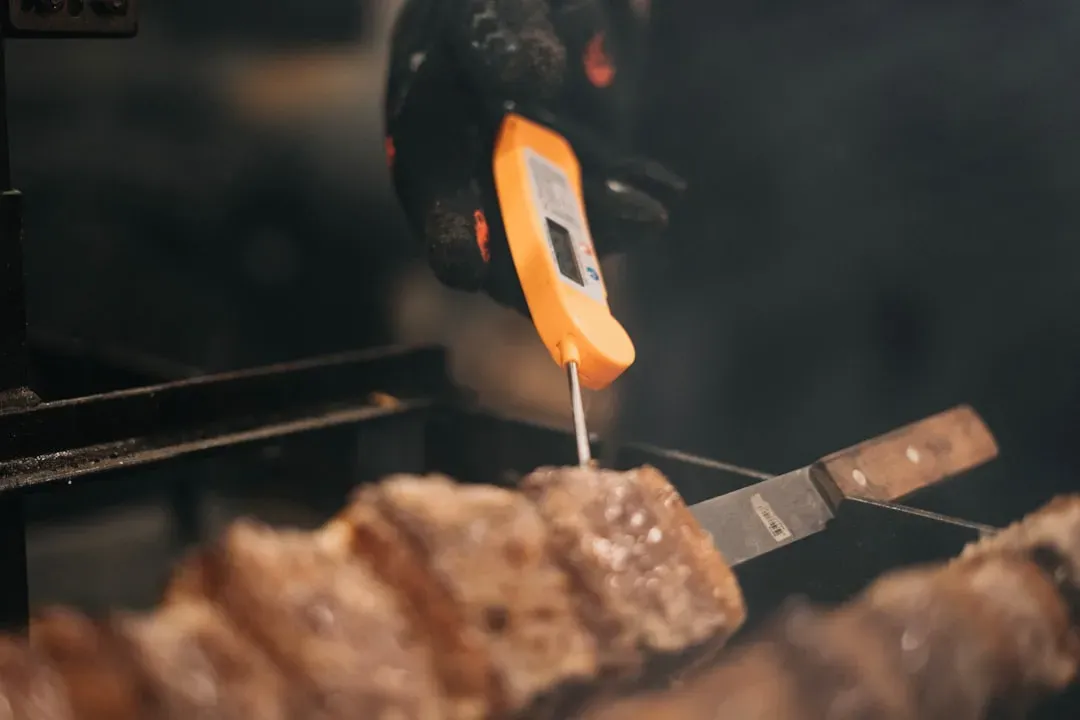
6. Guessing doneness instead of checking it (Image Credits: Unsplash)
Cutting into a burger to check if it's done, or worse, just eyeballing the color and hoping for the best, is one of the clearest signs of an inexperienced cook. Color alone is an unreliable indicator, since ground beef can look done on the outside while still being underdone in the middle, or appear pink even after reaching a safe temperature. Guessing also means the meat is at risk of overcooking while someone tries to figure out what's going on inside.
The USDA recommends cooking ground beef to an internal temperature of 160 degrees Fahrenheit to eliminate harmful bacteria, and the only reliable way to confirm that is with an instant-read meat thermometer. Inserting it into the thickest part of the patty takes just a few seconds and removes all the guesswork, which is exactly the kind of small habit that separates a confident cook from someone just hoping for the best.
7. Seasoning only at the very end
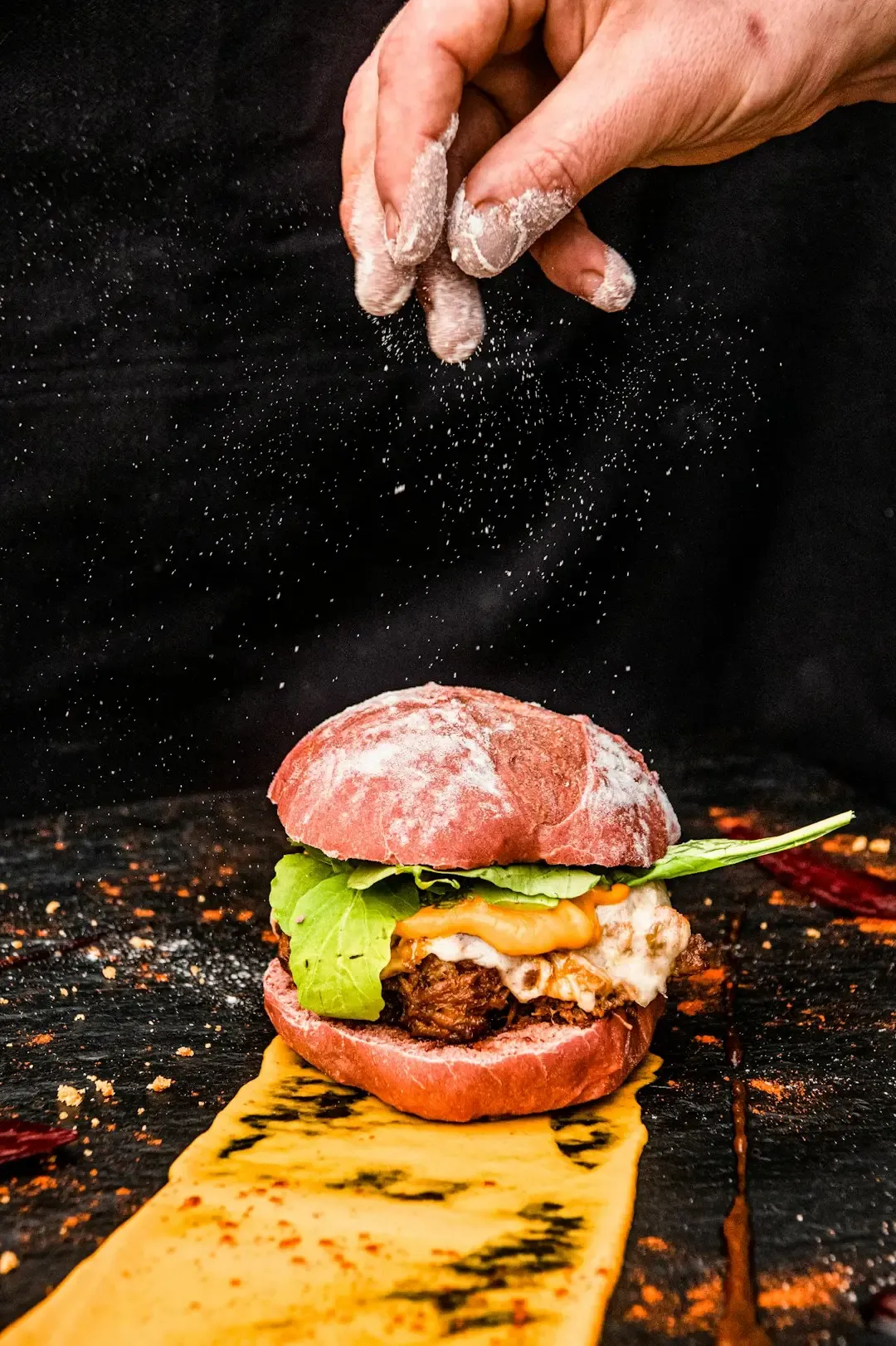
7. Seasoning only at the very end (Image Credits: Unsplash)
Waiting until a burger is nearly finished cooking to add salt and pepper means the seasoning sits on the surface instead of actually flavoring the meat. Ground beef benefits from salt applied before or right as the patty hits the grill, since it has time to dissolve slightly and season the meat more evenly as it cooks. Adding it too late leaves the interior bland even if the outside tastes fine.
At the same time, salting the meat too far in advance and letting it sit can also draw out moisture if left for a long stretch, so timing matters. Seasoning generously right before cooking, on both sides, tends to give the best balance of flavor and juiciness without drying out the patty in the process.
8. Toasting the bun as an afterthought, or not at all
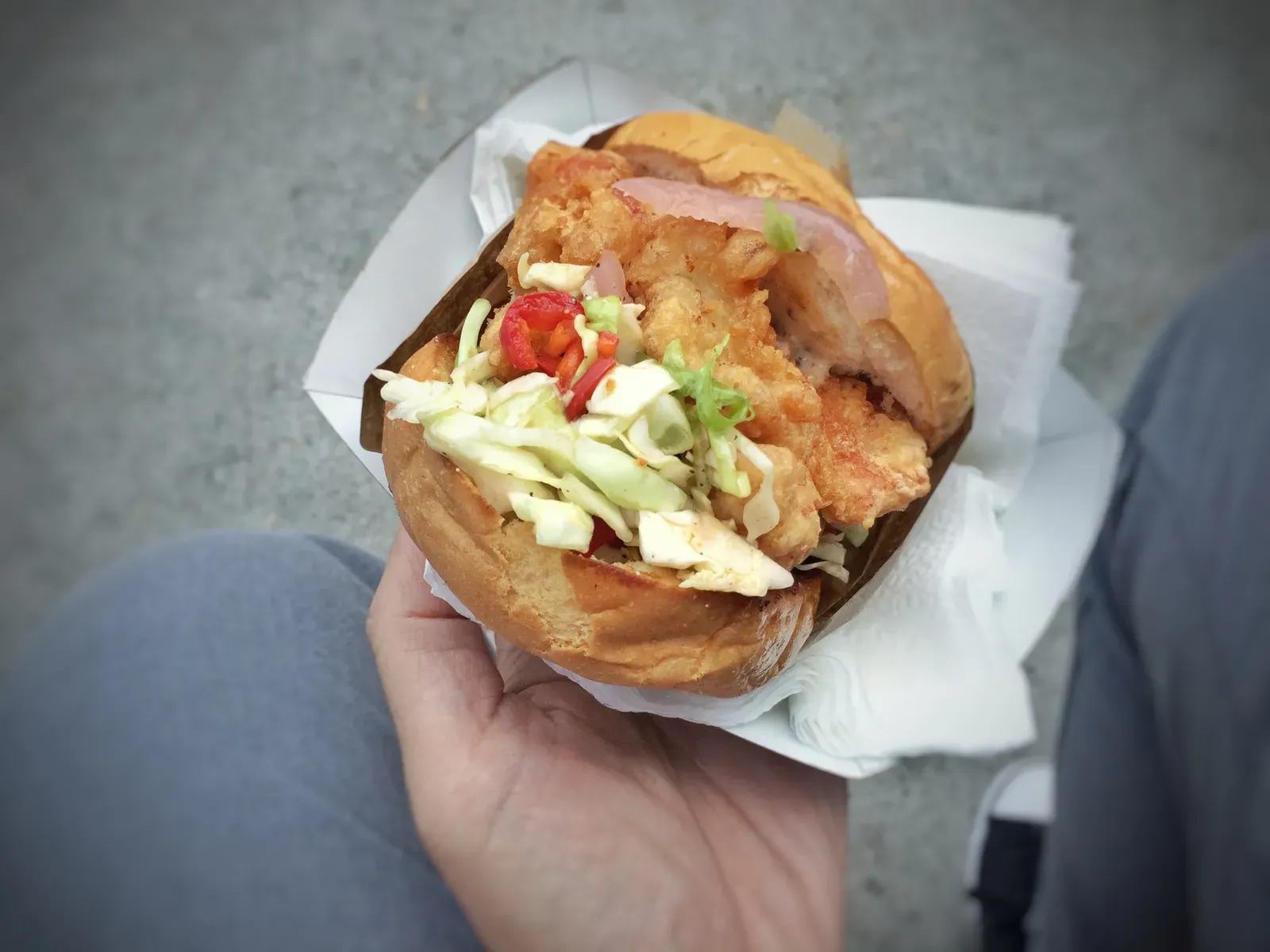
8. Toasting the bun as an afterthought, or not at all (The Original Free Range LA Chicken Sandwich: Tempura Fried Free Range Chicken, Fresno Chili Coleslaw, Whole Grain Honey Mustard Sauce on a Toasted Portuguese Bun, <a href="https://commons.wikimedia.org/w/index.php?curid=101595751" target="_blank" rel="noopener">CC BY 2.0</a>)
A soft, untoasted bun might seem harmless, but it often turns soggy the moment it touches a juicy patty, sauce, or a slice of tomato. That sogginess undermines the whole eating experience, no matter how well the burger itself was cooked. Skipping this step is a small oversight that has an outsized effect on the final bite.
Toasting the cut side of the bun on the grill for thirty seconds to a minute, just until it picks up light grill marks and a bit of crispness, solves this easily. It adds a subtle crunch, helps the bun hold up structurally, and takes almost no extra time or effort during the cooking process.
9. Overcrowding the grill or flipping too often
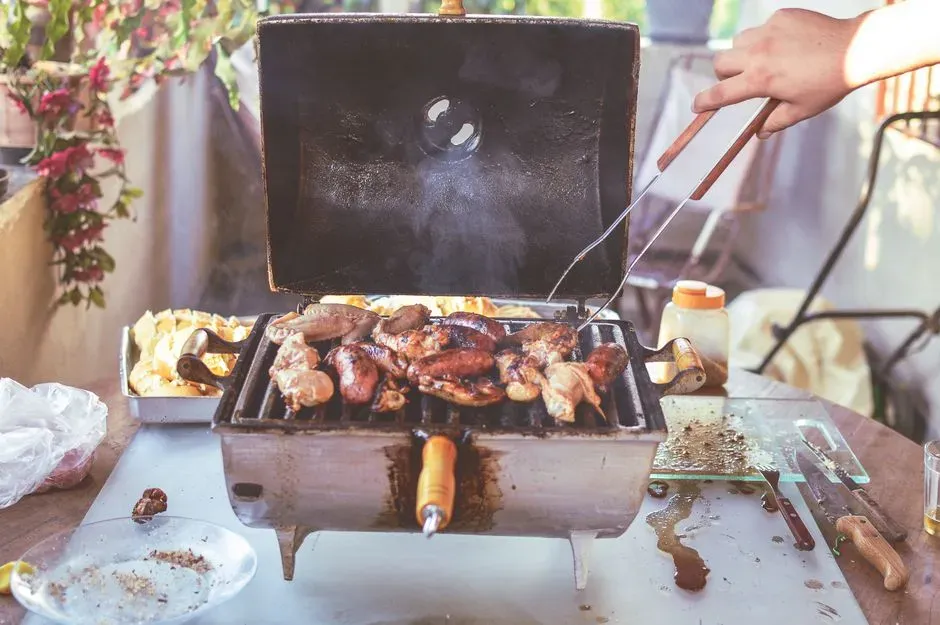
9. Overcrowding the grill or flipping too often (Image Credits: Pexels)
Trying to cook too many burgers at once, especially on a smaller grill, drops the overall surface temperature and leads to uneven cooking across the batch. Combine that with constant flipping, which many home cooks do out of nervousness, and the patties never get enough uninterrupted contact time with the heat to form a proper crust. The result is burgers that are pale, inconsistent, and often overcooked in the center by the time the outside finally browns.
Giving each patty enough space on the grates, and flipping just once or twice total, allows for even heat distribution and a better sear. Patience here matters more than most people expect; resisting the urge to constantly check and flip is one of the simplest ways to noticeably improve the final result.
Avoiding these nine mistakes doesn't require expensive equipment or years of grilling experience, just a bit more attention to timing, temperature, and technique. Small adjustments, like using a thermometer instead of guessing or resisting the spatula press, add up to a noticeably better burger. The difference between an amateur result and a genuinely great one usually comes down to these details rather than the recipe itself.