
There's a particular kind of nervousness that comes with watching your child walk to the corner store alone for the first time, or ride the bus without you sitting three rows back. It's not quite fear, and it's not quite pride either. It sits somewhere in between, and for a growing number of parents, that discomfort has become the whole point of an experiment worth trying.
Across the country, families are quietly testing what happens when they hand their kids a little more rope than instinct says is safe. The results, backed by a decade of developmental research and a wave of new state laws, tend to surprise the parents more than the kids.
The discomfort is often a signal, not a warning
The discomfort is often a signal, not a warning (Image Credits: Unsplash)
Most parents who try giving their child more independence describe the same odd sensation: their body tenses up before their brain can even explain why. That reaction isn't irrational, but it's also not always a reliable guide to actual risk. A University of Michigan Health poll found that more than 4 in 5 parents believe independence is important for kids, but many don't parent that way.
The gap between what parents believe and what they actually allow says something about how fear has outpaced statistics. Children today are, by most safety measures, growing up in a far less dangerous world than their parents did. Yet the anxiety attached to letting them out of sight hasn't shrunk to match. That mismatch is exactly where the discomfort lives, and it's worth sitting with rather than immediately obeying.
What the research on risky play actually shows
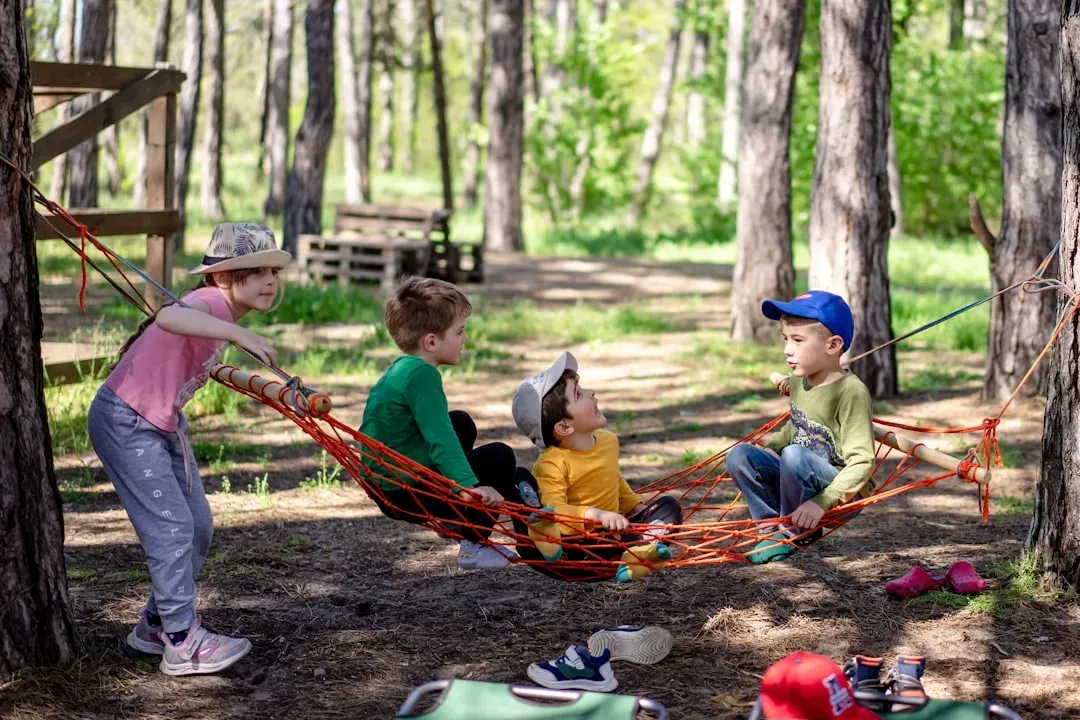
What the research on risky play actually shows (Image Credits: Unsplash)
Developmental psychologist Mariana Brussoni at the University of British Columbia has spent years studying what happens when children are allowed to climb higher, wander farther, and play with a bit more uncertainty. Her research found that children who engage in outdoor play are more physically active and less sedentary, and navigating challenges and risks in outdoor play helps children build skills gradually and on their own terms. That gradual exposure, not sudden freedom, is what seems to matter most.
A systematic review Brussoni led with colleagues examined dozens of studies on this topic directly. The review found that risky outdoor play was positively associated with physical activity and social health, and negatively associated with sedentary behaviours, with other research pointing to associations with risk management, self-confidence, mental health, and independence. None of this suggests recklessness works. It suggests that a little manageable uncertainty does something structured supervision alone cannot.
How much freedom kids actually lost, and when
How much freedom kids actually lost, and when (Image Credits: Unsplash)
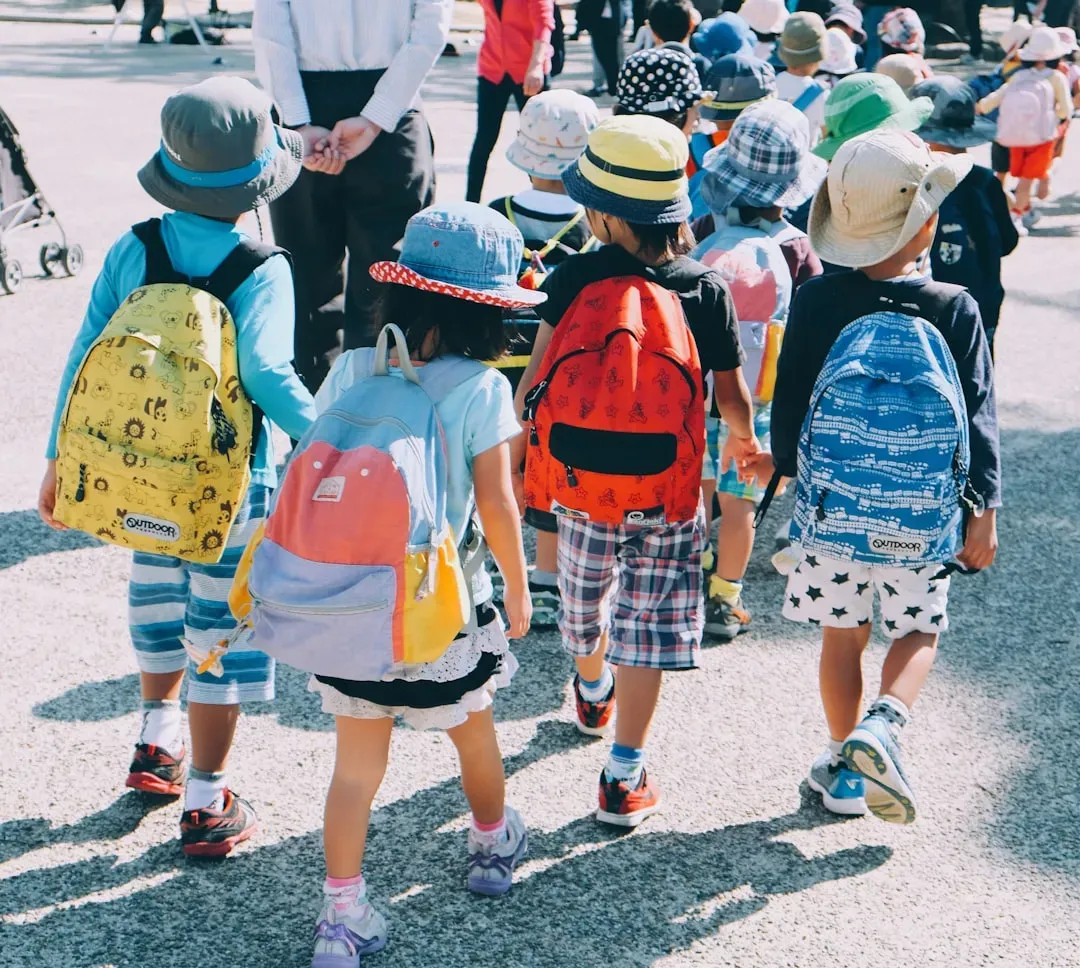
It helps to have a number to anchor the feeling that childhood has changed. About 10 percent of kids walked or biked to school in 2017, down from 42 percent in 1969. That's not a gradual drift; it's a near collapse of a habit that used to be unremarkable.
Researchers looking at the same activity found the decline even sharper among younger children specifically. Only 13 percent of students ages 6 to 14 get themselves to school today, according to a 2018 report, even though walking to school was once so commonplace that kindergarten teachers expected it of their 5 and 6 year old students. The shift happened gradually enough that most parents never made a conscious decision to stop it. It simply became normal to drive, then unusual not to.
The link between independence and mental health
The link between independence and mental health (Image Credits: Unsplash)
The timing of the independence decline lines up uncomfortably well with rising rates of childhood anxiety, a connection researchers have started to take seriously rather than treat as coincidence. Social psychologist Jonathan Haidt, whose work on adolescent mental health has shaped much of this conversation, has argued that removing risk from childhood came at a real cost. His 2025 bestseller The Anxious Generation calls for passage of reasonable childhood independence legislation, arguing that the government's job is to protect children from abuse, not from the everyday activities of childhood.
Lenore Skenazy, who founded the nonprofit Let Grow after facing public backlash for letting her nine year old ride the New York City subway alone, makes a related point. She argues that today's parents rarely allow their kids to experience the joys of independence, and that this contributes to rising anxiety. The claim isn't that independence cures anxiety outright. It's that constant supervision quietly teaches children they can't be trusted to handle the world, and that lesson sticks.
When the law started catching up

When the law started catching up (Image Credits: Unsplash)
For years, the biggest obstacle to giving kids more freedom wasn't fear of strangers. It was fear of a neighbor calling the police. In 2015, two Maryland parents were charged with child neglect for letting their 6 and 10 year olds walk home alone from a park, and a Florida mother was arrested the year before for letting her 7 year old walk home alone, though both sets of charges were later dropped.
Cases like these pushed states to rewrite vague neglect statutes that left too much room for interpretation. As of April 2026, thirteen states have passed "Reasonable Childhood Independence" laws, including Utah, Texas, Oklahoma, Colorado, Virginia, Connecticut, Illinois, Montana, Georgia, Florida, Missouri, Indiana, and Kansas. Utah started the trend back in 2018, and the momentum has only built since, with support crossing party lines in nearly every state that has taken it up.
Where the line sits between independence and neglect
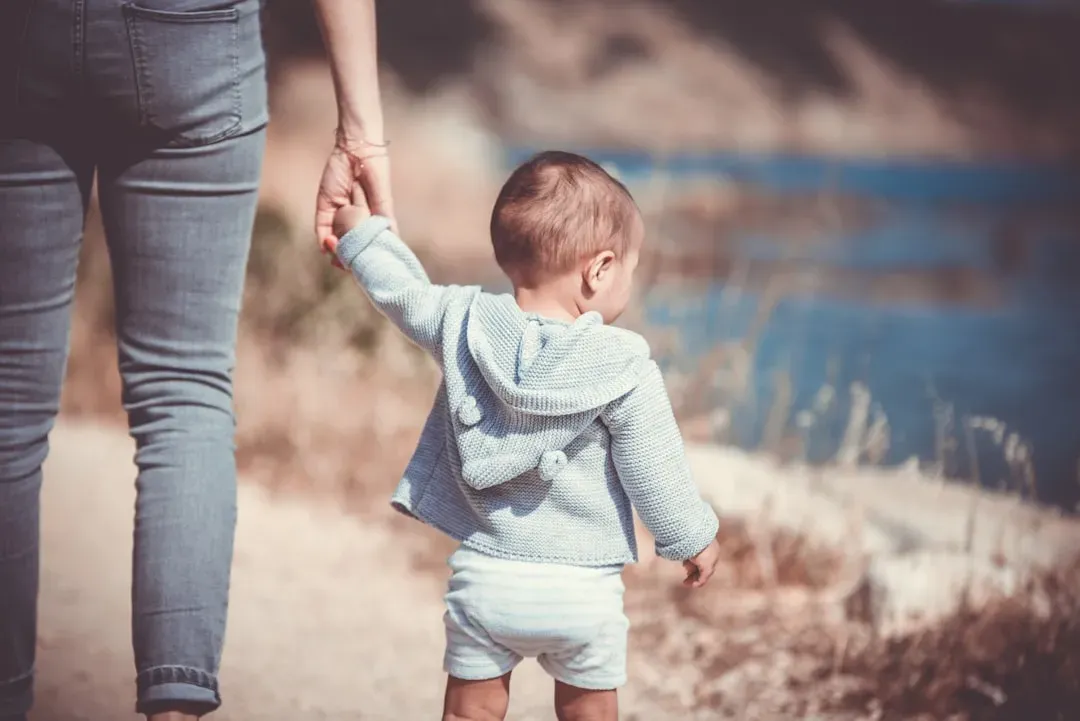
Where the line sits between independence and neglect (Image Credits: Unsplash)
None of this research or legislation argues that supervision doesn't matter. The distinction that keeps coming up among child welfare experts is between allowing developmentally appropriate freedom and simply checking out. Family therapist Gwen Felton describes free-range parenting as not a free will to do whatever a child wants, but freely allowing a child to experience life consequences at a younger age than most typical parenting styles, with parents still teaching skills and setting boundaries.
That difference matters legally, too. Utah's law states that walking to school, playing outside, or staying home alone are not neglectful, as long as the child is well fed, clothed, and cared for, and the activities match the child's age and development. The bar isn't abandonment versus supervision. It's whether a child's basic needs are met while they're given room to practice being capable.
What small acts of trust look like in practice
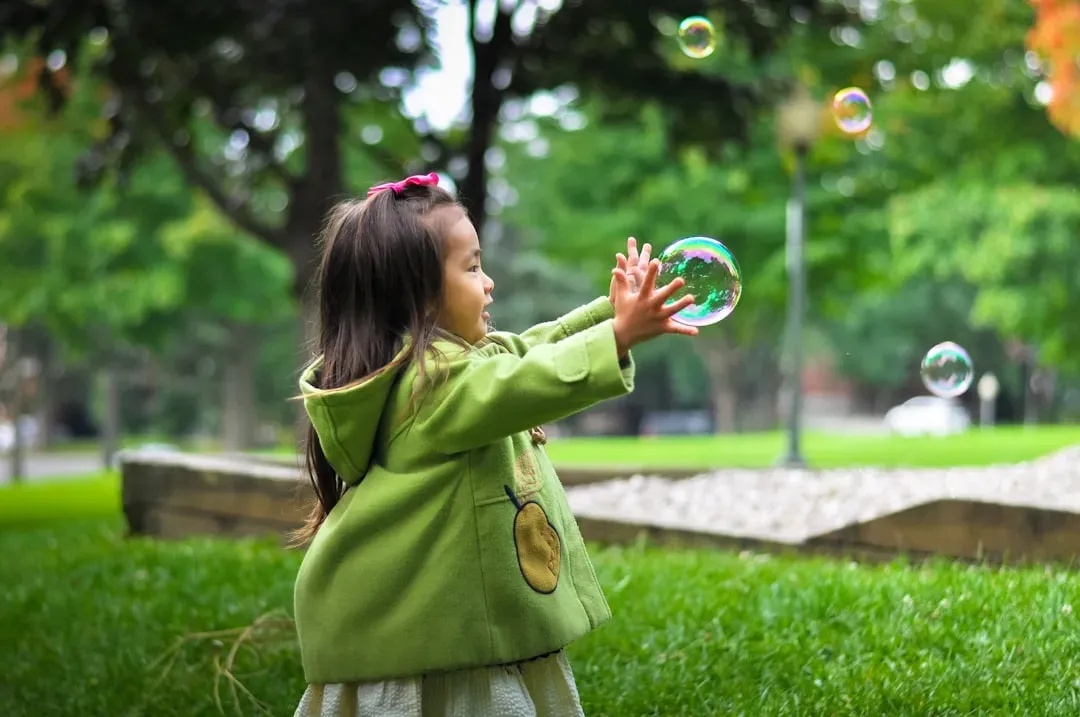
What small acts of trust look like in practice (Image Credits: Unsplash)
Giving a child more independence rarely means throwing them into the deep end. It usually starts small: letting a ten year old walk two blocks to a friend's house, or letting an eight year old order for themselves at a restaurant while a parent watches from a nearby table. Brussoni's research points out that this kind of gradual exposure is what actually builds competence. She suggests that walking a child to school while pointing out potential dangers along the way helps them gradually reach a point where they have enough knowledge to stay safe, building confidence and preparing them for solo adventures.
The activities that fall under most state independence laws are strikingly mundane once you list them out. Utah's law narrows the definition of child neglect to allow a child whose basic needs are met and who is of sufficient age and maturity to engage in independent activities, including going to school, playing outside, going to stores, or staying home alone. None of it sounds dramatic on paper. It only feels significant because so few families still do it.
How children change when given real responsibility

How children change when given real responsibility (Image Credits: Unsplash)
Parents who follow through on giving their kids more unsupervised time tend to notice a shift that's hard to quantify but easy to see. A parent writing about raising a teenager with this kind of freedom described the moment friends reacted with surprise upon learning her fourteen year old was simply at the mall with friends unsupervised. She noted that she'd stopped writing about it as noteworthy because it started to seem more commonplace, wondering if surely the majority of thirteen year olds are afforded at least this much freedom. That reaction, of surprise at something once ordinary, captures how far the baseline has shifted.
Advocates at Let Grow frame the payoff in terms of visible confidence rather than abstract skill building. The organization says it sees kids gain the confidence, resilience, and social skills needed for success when they have the chance to do some things on their own. Parents who've tried it often describe a similar arc: initial worry, then a child who stands a little taller after solving a small problem without an adult stepping in.
The social pressure that keeps parents from letting go
The social pressure that keeps parents from letting go (Image Credits: Unsplash)
Even parents who intellectually agree with all of this research often hesitate, and the hesitation isn't really about their own child. It's about judgment from other adults. Skenazy has described this dynamic directly, noting that the fear driving most hesitant parents isn't really about danger to the child. She says she hears from parents who'd love to let their kid walk to the park but are afraid, not of predators, but of someone calling 911 because they think the child is neglected.
That fear has real consequences for how families organize their time and how much trust they extend to their own kids. Legal advocate Diane Redleaf has argued that laws protecting reasonable independence exist specifically to remove that chilling effect. She says free range laws give reassurance to parents who want to give their children reasonable independence, so they can do so without fear of being labeled a criminal, a child abuser, or a bad parent. Removing the legal risk doesn't eliminate the social awkwardness of being the parent whose kid is out alone, but it does take away the most serious consequence.
The takeaway
The takeaway (Image Credits: Unsplash)
The discomfort of giving a child more freedom than feels natural rarely disappears entirely, even for parents who've done it for years. What changes is the parent's relationship to that discomfort. It stops feeling like a warning sign and starts feeling more like the ordinary friction of watching a kid grow into someone capable.
The research and the legislation both point toward the same modest conclusion. Kids tend to rise to the level of trust they're given, provided that trust is matched to their age and paired with the basics of care. The uneasy feeling doesn't need to vanish before a parent tries it. It just needs to stop being mistaken for proof that something is wrong.