
Scroll through enough interior design accounts and you start to believe that calm is a decor choice. Soft linen, a single ceramic vase, light pouring through gauzy curtains. Then you look up from your phone at your own living room, with its mail pile and tangled charger cords, and something doesn't add up.
That gap between the feed and the room you're sitting in isn't just about tidiness. It's a mix of psychology, lighting tricks, and a few uncomfortable facts about how our brains process the spaces we actually live in versus the ones we merely look at.
The photo is a moment, the room is a life
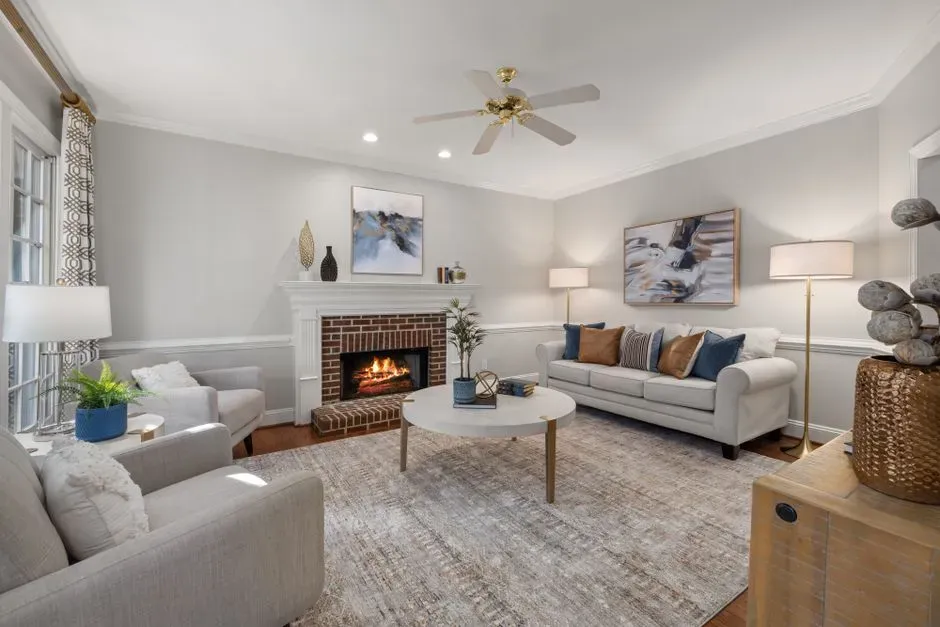
The photo is a moment, the room is a life (Image Credits: Pexels)
A styled photograph captures roughly one thirtieth of a second in a space that otherwise exists for twenty four hours a day. Someone moved the laundry basket out of frame, closed a cabinet, and waited for the light to hit at a flattering angle before pressing the shutter. What you're seeing is a controlled sample, not a representative average of how that room actually functions.
Your own home, by contrast, has to hold every version of your day at once. It's where you eat breakfast in a rush, where the dog sheds, where a kid's homework spreads across the table an hour before dinner. Comparing a lived-in room to a staged frame is a bit like comparing a highlight reel to a full game.
Clutter genuinely raises your stress hormones
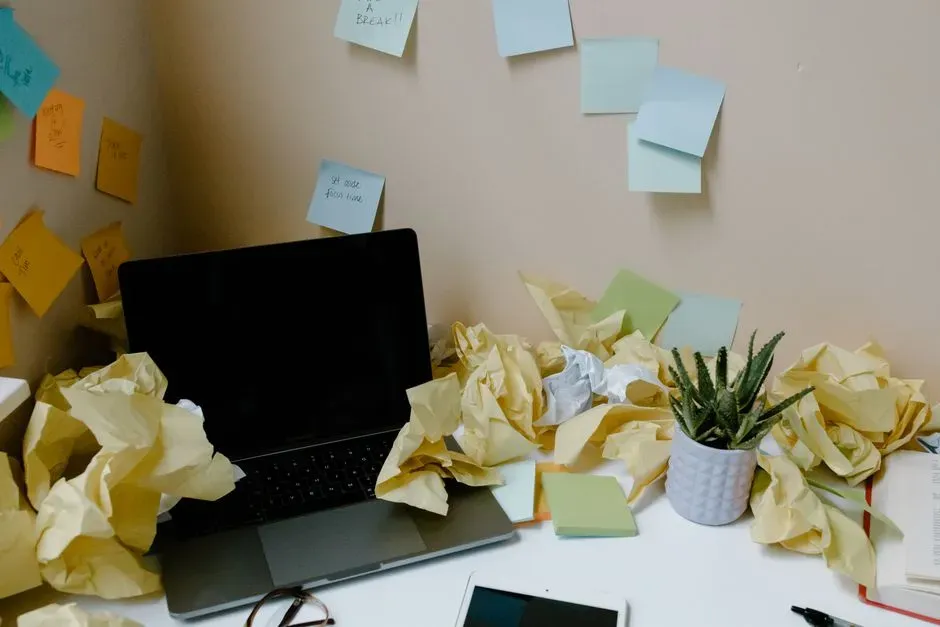
Clutter genuinely raises your stress hormones (Image Credits: Pexels)
This isn't just a feeling people describe to sound relatable. Researchers at UCLA's Center on Everyday Lives of Families spent time inside the homes of thirty two middle class, dual income families in Los Angeles and found clutter to be such an overwhelming problem that it elevated stress hormone levels, especially in mothers. The team tracked this through saliva samples, measuring diurnal cortisol as families narrated video tours of their own homes.
A related 2010 study on dual income couples with children found something similarly specific. When the wife viewed a home as cluttered, her cortisol rates rose throughout the day, while those not experiencing a clutter problem saw their cortisol levels drop. In other words, the mess itself, not just the work of cleaning it, appears to leave a physical trace on the body.
Your brain can't edit a room the way a camera can

Your brain can't edit a room the way a camera can (Image Credits: Unsplash)
A camera lens decides in advance what belongs in the frame. Your visual system doesn't get that luxury. Princeton neuroscientist Sabine Kastner has spent two decades studying attention, and her research found that the more objects present in the visual field, the harder the brain has to work to filter them out, tiring it over time and reducing its ability to function.
Kastner's experiments also showed that the brain struggles to fully block out objects it isn't focused on, meaning a cluttered side table quietly draws attention even while you're trying to relax on the couch. Multiple stimuli in a room actually compete for neural representation by mutually suppressing their evoked activity throughout visual cortex. A photograph never has to fight this battle. Your living room, full of half read books and stray cables, fights it constantly.
Online spaces reset what "normal" looks like
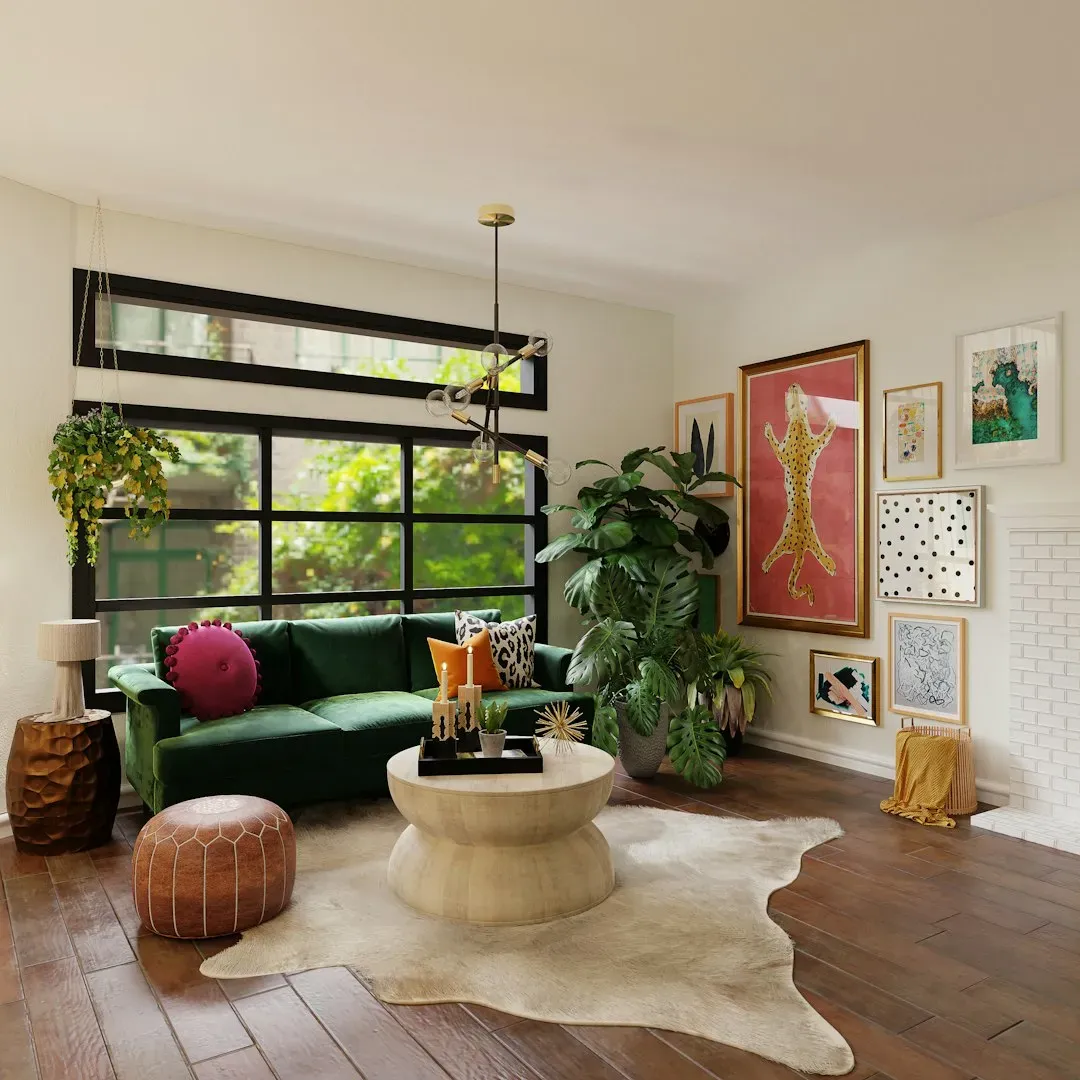
Online spaces reset what "normal" looks like (Image Credits: Unsplash)
Interior inspiration used to come from magazines you saw a handful of times a month. Now it arrives dozens of times a day, and it's shaping expectations especially among younger adults. One UK study of two thousand adults found that 65 percent of 18 to 24 year olds and 52 percent of 25 to 34 year olds use Instagram for interior ideas, making it the most popular source of inspiration for these age groups.
That constant exposure has an odd side effect. Rather than building confidence, it seems to unsettle it. The same research found that only 20 percent of British adults have a clear sense of interior style, though this confidence is roughly twice as high among younger adults. When your visual baseline is reset every time you open an app, your own rooms have less chance to simply feel finished.
Most of the mental work never shows up in a photo

Most of the mental work never shows up in a photo (Image Credits: Pexels)
A tidy shelf in a photo hides the fact that someone decided where every object on it should live, remembered to buy the right container, and found time to arrange it between other responsibilities. Researchers describe this invisible labor as mental load, and studies on household stress consistently find that women carry the bulk of this cognitive work, from noticing what needs attention to remembering, delegating, and researching solutions.
None of that shows up in a square image with good lighting. What you see online is the finished output of dozens of small decisions, not the ongoing mental accounting that keeps a home functioning. Your own space feels less calm partly because you're still carrying that invisible workload while the picture you're comparing it to has already had it resolved.
Light does more heavy lifting than any product
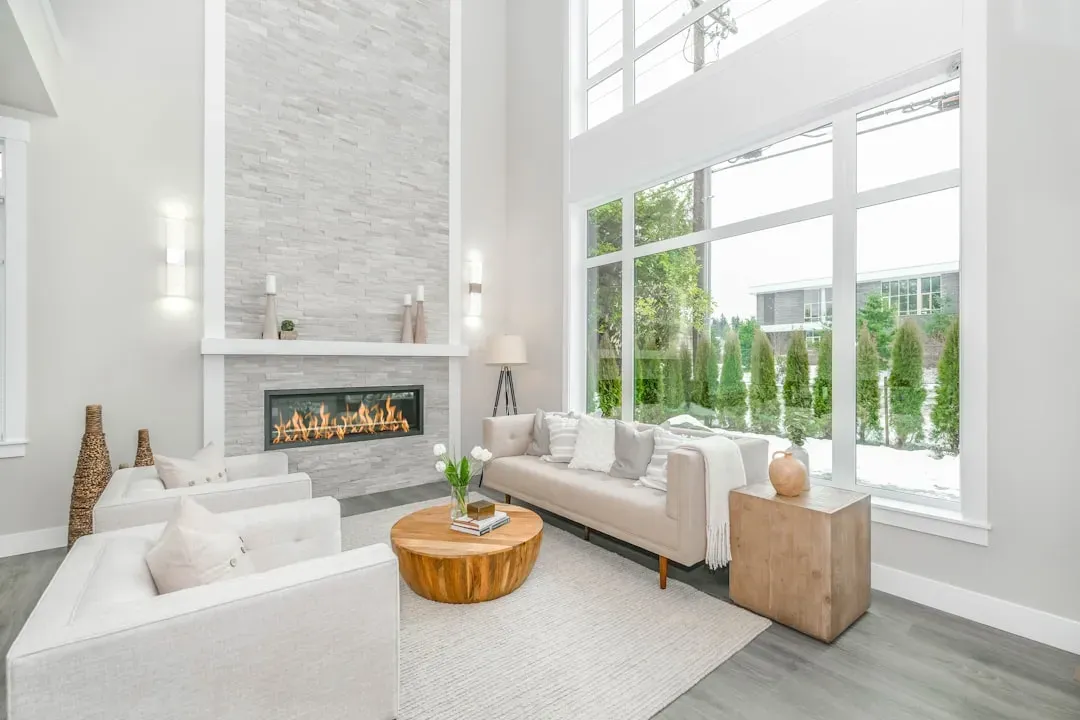
Light does more heavy lifting than any product (Image Credits: Unsplash)
Professional interior photography relies heavily on natural light, often shot at specific hours when the sun hits a room at its most flattering angle. Harsh overhead bulbs, mismatched color temperatures, and shadows in corners are usually edited out or avoided entirely during a shoot. Your own home runs on whatever light happens to exist at seven in the morning or nine at night, which rarely matches that curated window.
This matters more than most people realize, because lighting changes how a space is perceived almost as much as the furniture inside it. A room with warm, evenly distributed light can look restful even with ordinary furnishings, while the same room under a single bright overhead bulb can look sterile or chaotic regardless of how tidy it is. Chasing the aesthetic of a photo without addressing the lighting behind it is often why efforts to recreate a look fall flat.
You stop noticing your own mess over time

You stop noticing your own mess over time (Image Credits: Unsplash)
There's a psychological phenomenon at play in cluttered homes that has nothing to do with laziness. Objects that stay in the same place long enough become part of the visual background, effectively invisible to the person who lives there, even though a first time visitor would spot them instantly. This is one reason a home can feel calm right after a deep clean and then quietly drift back toward chaos without anyone noticing exactly when it happened.
It also explains why looking at your own space through a phone camera can be so jarring. The photo forces a kind of forced noticing, flattening the room into a single frame the way a stranger would see it. Suddenly the pile you'd stopped registering becomes the first thing your eye lands on, which is often the moment people decide their home doesn't measure up to what they've been scrolling past all week.
A calm looking room isn't necessarily a functional one

A calm looking room isn't necessarily a functional one (Image Credits: Pexels)
Many of the homes that circulate online are optimized for stillness rather than use. Coffee tables with nothing on them, kitchen counters cleared of every appliance, closets shot before anyone actually needed to find something in a hurry. These spaces often prioritize the appearance of order over the practical friction of daily life, which is a different goal entirely from making a home easier to live in.
A genuinely functional home tends to look a little busier, because it's built around how people actually move through their day. Chargers near outlets, shoes by the door, a junk drawer that exists specifically so surfaces elsewhere stay clear. Judging your space against a still life rather than a working environment sets up a comparison that was never quite fair to begin with.
Small, consistent habits do more than one big overhaul
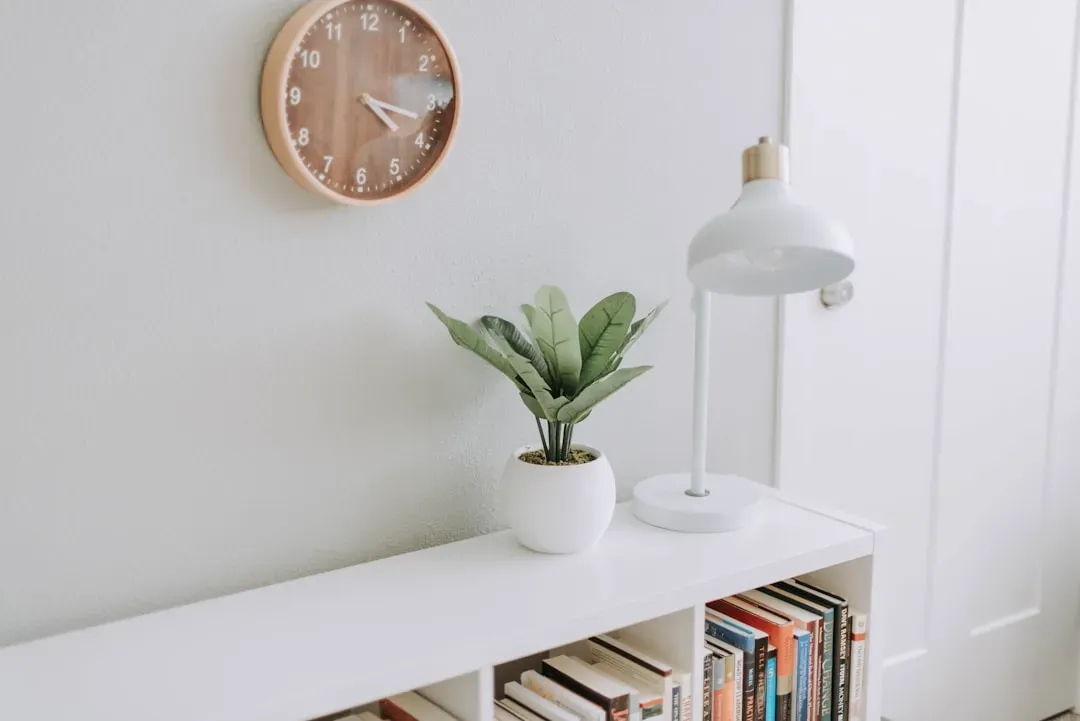
Small, consistent habits do more than one big overhaul (Image Credits: Unsplash)
The instinct after a frustrating scroll session is often to attempt a total reset, buying new storage bins and rearranging entire rooms in a weekend. Research on clutter and behavior suggests smaller, steadier habits tend to hold up better over time than dramatic one time efforts. A University of Minnesota study found that participants working in clean spaces were twice as likely to choose nutritious snacks and donate money compared with those in cluttered rooms, suggesting that self control and environment are closely linked.
That link works both ways, which is encouraging. Clearing a single surface, dealing with mail the day it arrives, or spending ten minutes resetting a room before bed can lower the visual noise your brain has to process without requiring a full renovation. These habits won't produce a photograph worth posting, but they tend to produce something more useful, a home that feels lighter to actually live in.
The takeaway on comparing rooms to feeds
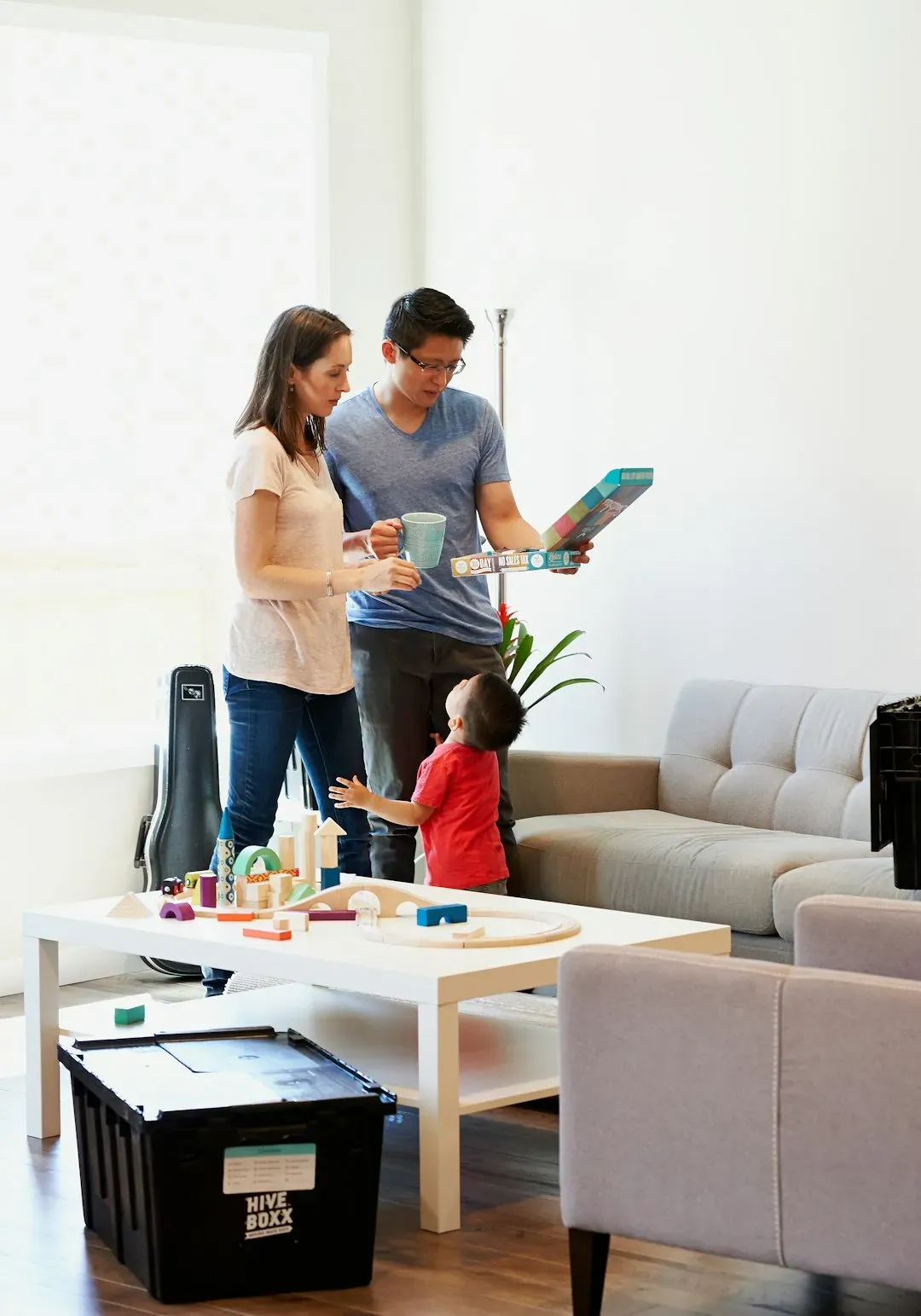
The takeaway on comparing rooms to feeds (Image Credits: Unsplash)
The distance between a styled photo and a lived-in home was never really a fair contest. One is built for a single glance, the other has to survive an entire life. Recognizing that difference doesn't fix clutter or invent free time, but it does remove a source of pressure that was never grounded in how homes, or people, actually work day to day.