
You bought the containers. You watched the videos. You even blocked off Sunday afternoon with good intentions and a grocery bag full of chicken breast and broccoli. Yet by Wednesday, half the containers are still untouched in the fridge, and you’re back to ordering takeout while telling yourself you’ll try again next week.
Meal prep sounds simple on paper, but the reality is messier. Most people don’t fail because they lack discipline. They fail because the system they’re using doesn’t match how they actually live, eat, or think about food. Here’s what’s really going wrong, and what tends to fix it.
You're Copying Someone Else's System
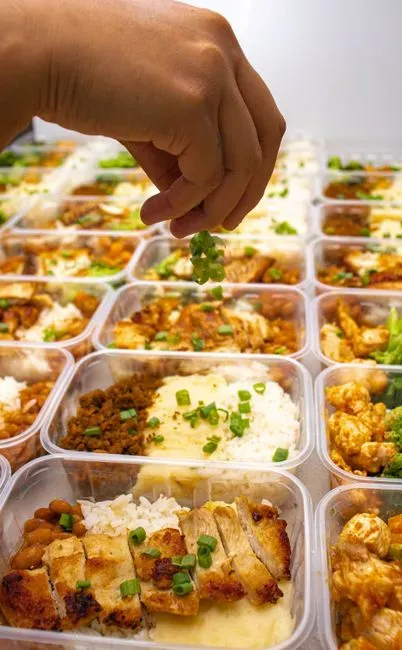
You're Copying Someone Else's System (Image Credits: Pexels)
A lot of meal prep advice comes from fitness influencers who eat the same five meals on repeat and have very specific macro goals. That approach works for them because their lifestyle supports it. It often falls apart for someone with a family, a demanding job, or just a normal appetite for variety.
Borrowing someone else's rigid template without adjusting it to your own schedule, taste preferences, or household size is one of the fastest ways to burn out. The fix isn't more discipline. It's building a system around your actual week, not an idealized one you saw online.
You're Prepping Food You Don't Actually Want to Eat
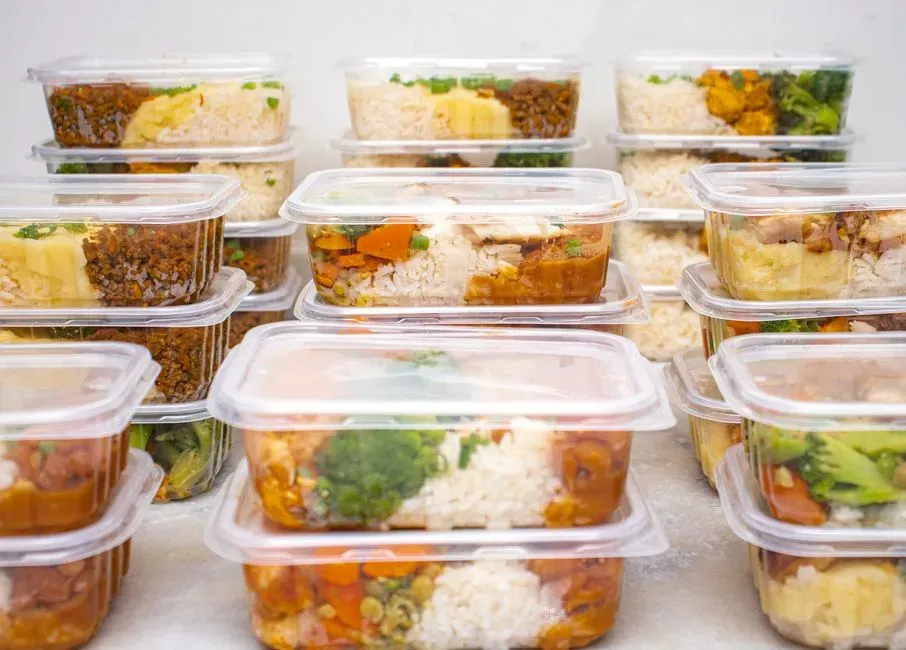
You're Prepping Food You Don't Actually Want to Eat (Image Credits: Pexels)
Plain grilled chicken and steamed vegetables look great in a meal prep photo, but if the thought of eating the same bland thing four days in a row makes you dread lunch, you're setting yourself up to skip it. Food that isn't enjoyable gets pushed to the back of the fridge regardless of how nutritious it is.
This is less about weak willpower and more about basic human behavior. People consistently choose immediate satisfaction over delayed benefit, which is why flavor matters just as much as macros. Adding sauces, spices, or rotating two or three different proteins can make the difference between food you look forward to and food you force down.
You're Prepping Too Much Variety at Once
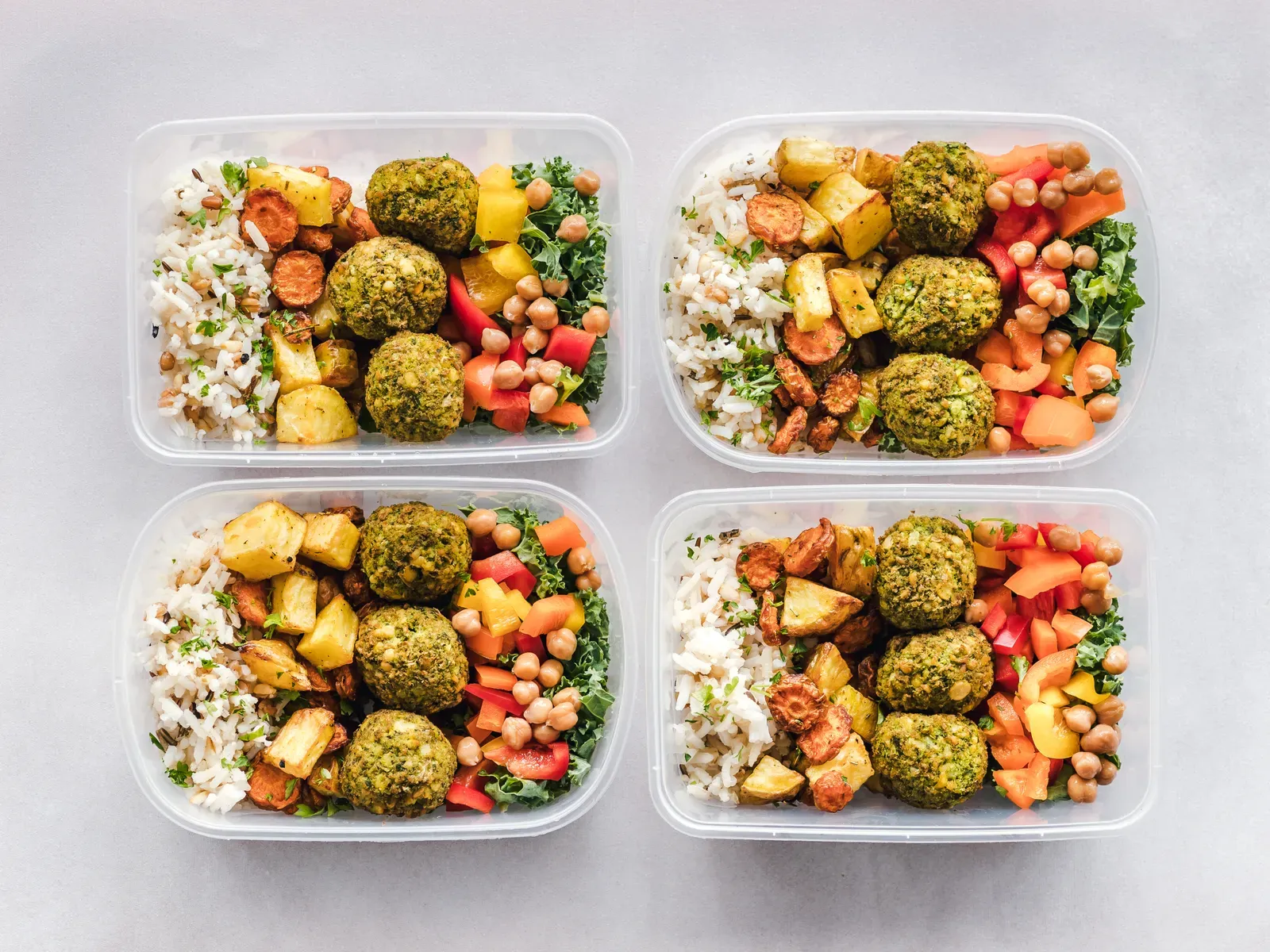
You're Prepping Too Much Variety at Once (Meal prep recipe, <a href="https://commons.wikimedia.org/w/index.php?curid=83080789" target="_blank" rel="noopener">CC BY 2.0</a>)
On the flip side, some people go overboard trying to avoid boredom and end up prepping five completely different meals in one session. This sounds appealing until you're standing in the kitchen for four hours managing multiple recipes, sauces, and cook times all at once.
Complexity is often the real reason prep day gets skipped altogether. A more sustainable approach is picking two or three base proteins, two starches, and a couple of vegetables, then mixing and matching them into different combinations throughout the week. Variety doesn't have to mean starting from scratch every single day.
Your Containers Aren't Actually Practical
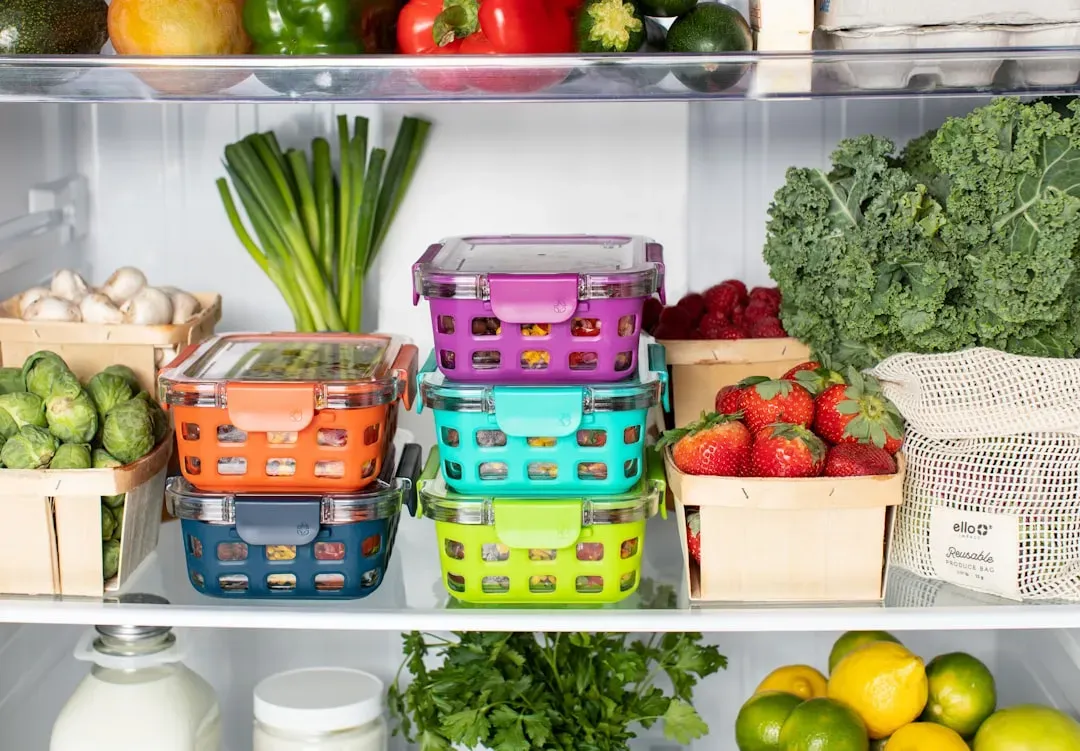
Your Containers Aren't Actually Practical (Image Credits: Unsplash)
Glass containers look nice on a kitchen counter, but they're heavy, take up more freezer space, and can crack if you're not careful with hot-to-cold transitions. Meanwhile, cheap plastic containers stain, warp in the microwave, and often don't seal well enough to prevent leaks in a bag.
The container itself seems like a small detail, but it affects whether prepped food stays appetizing or turns into a soggy, freezer-burned mess. Look for stackable containers with actual airtight seals, and separate wet and dry components when packing so things like rice and sauce don't turn into mush by day three.
You're Not Accounting for How Food Actually Holds Up
You're Not Accounting for How Food Actually Holds Up (Image Credits: Pexels)
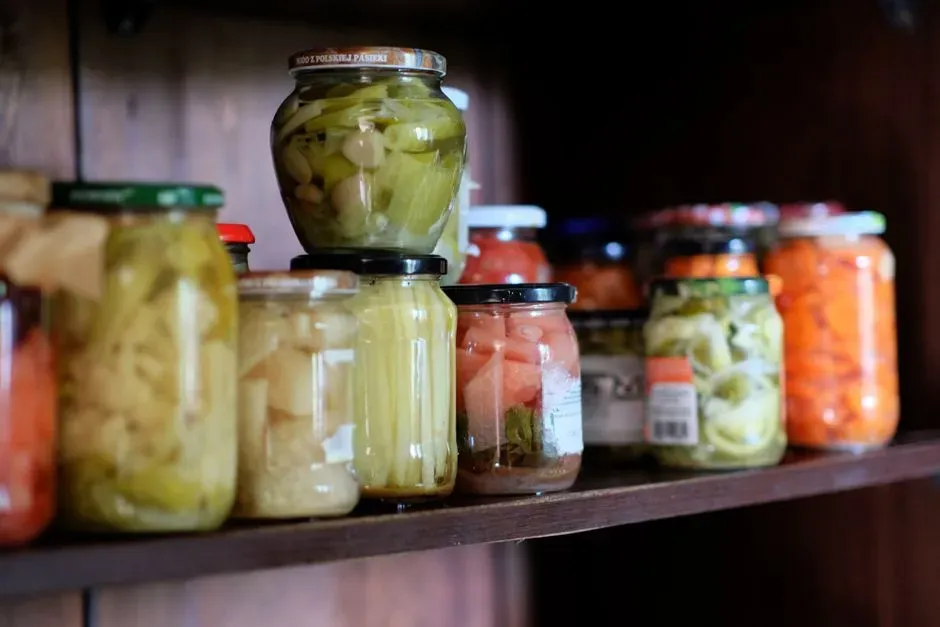
Not all food reheats or stores the same way. Leafy greens wilt, fried foods lose their texture, and some sauces separate after a few days in the fridge. According to USDA food safety guidelines, most cooked leftovers are only safe to eat for three to four days when refrigerated properly, which means a Sunday prep session doesn't always stretch cleanly through Friday.
This is why meals with rice, roasted vegetables, and proteins that reheat well tend to survive the week better than delicate salads or anything breaded. Splitting your prep into a mid-week refresh, even just chopping a few extra vegetables on Wednesday, can extend freshness without requiring a full second cooking session.
You're Ignoring Your Own Schedule Volatility
You're Ignoring Your Own Schedule Volatility (Image Credits: Unsplash)
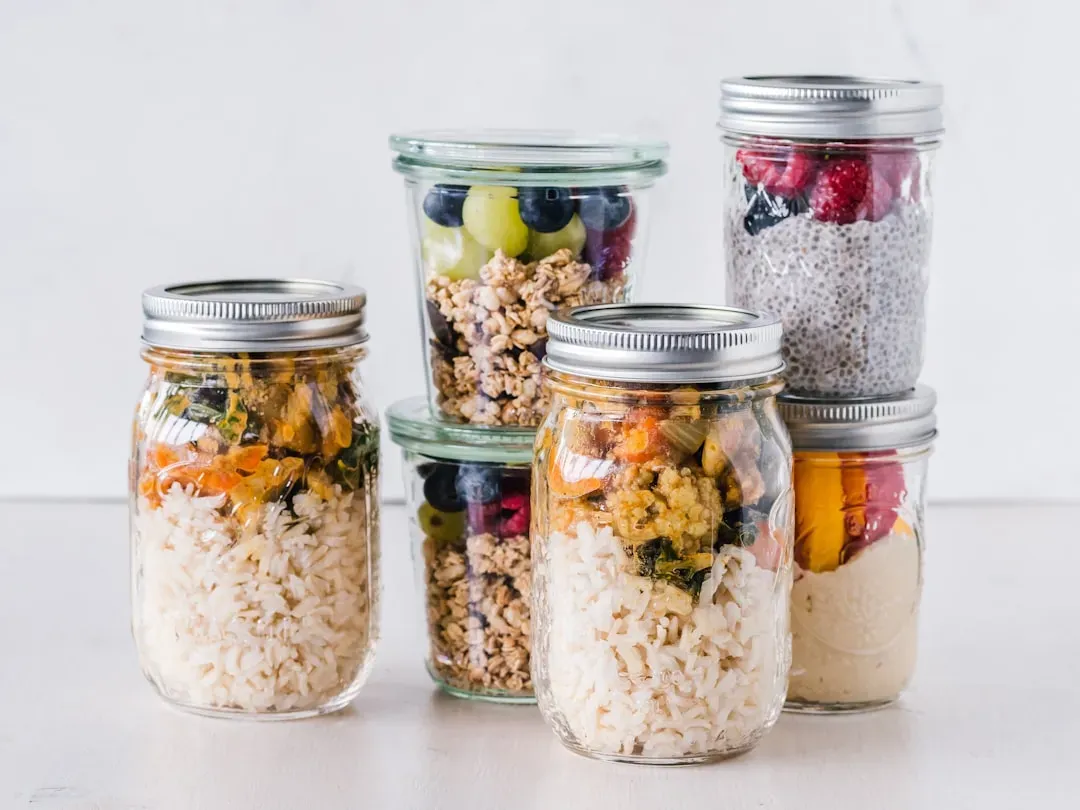
Meal prep assumes a level of predictability that many weeks simply don't have. Late meetings, social plans, and unexpected errands all compete with the neatly planned lunch sitting in your bag. When life shifts, rigid meal plans often get abandoned entirely instead of adjusted.
A more resilient approach is building in a buffer, prepping enough for four days instead of seven and treating the extra days as flexible. That way, one disrupted day doesn't spiral into skipping the entire system for the rest of the week.
You're Underestimating Portion Sizes

You're Underestimating Portion Sizes (Image Credits: Pexels)
It's easy to eyeball portions during prep and end up with containers that are either too small to be satisfying or so large that eating them feels like a chore. Both extremes push people back toward grabbing something else instead of eating what they made.
Using a kitchen scale for even a few weeks helps calibrate what an actual serving looks like for your appetite, not a generic recommendation. Once you know your real portion needs, prepping becomes far more accurate and far less wasteful.
You Never Built In a Backup Plan
You Never Built In a Backup Plan (Image Credits: Pexels)
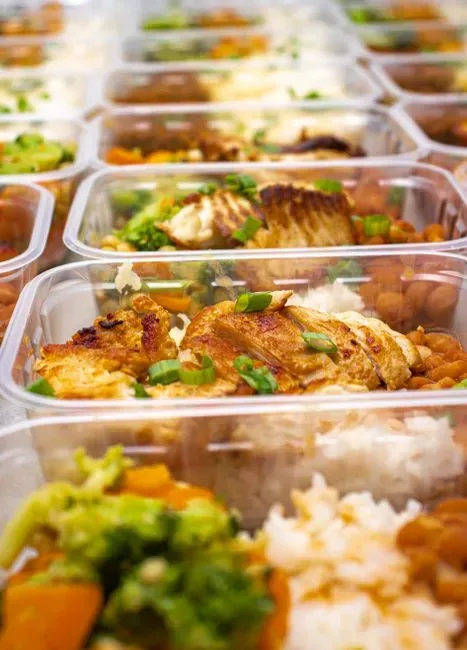
Even a solid meal prep routine has weeks where something goes wrong. Groceries don't get bought, the stove breaks, or you simply run out of energy on a Sunday. Without a fallback, one bad week often turns into abandoning the whole habit.
Keeping a small stock of frozen meals, canned proteins, or quick-assembly options like pre-cooked grains and rotisserie chicken gives you a safety net. This isn't a failure of the system. It's what keeps the system alive during the weeks that don't go according to plan.
You're Treating It as All or Nothing
You're Treating It as All or Nothing (Meal prep container, <a href="https://commons.wikimedia.org/w/index.php?curid=83080792" target="_blank" rel="noopener">CC BY 2.0</a>)
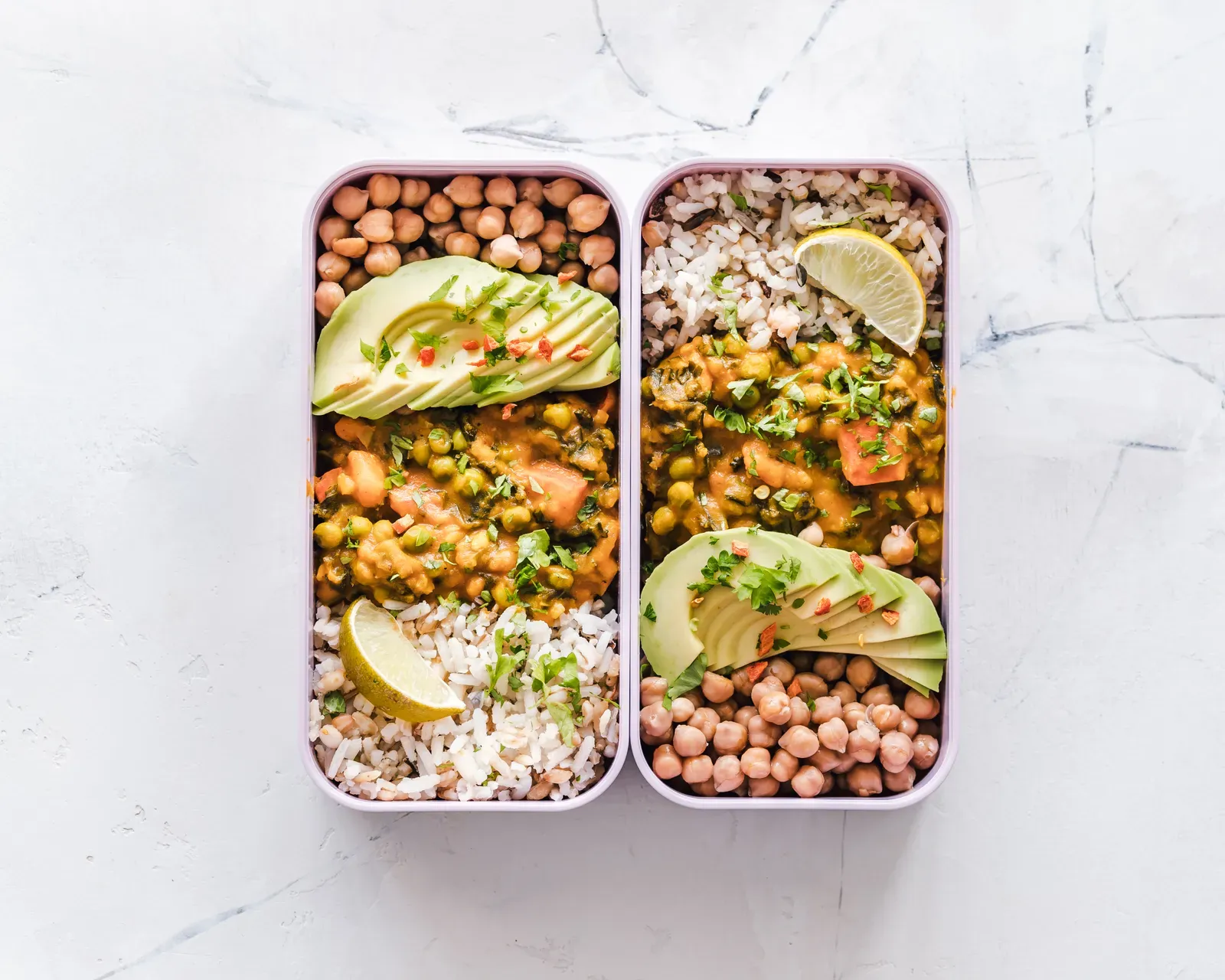
Many people quit meal prep entirely after one bad week, as if missing a few days means the whole approach doesn't work for them. This all-or-nothing mindset is one of the biggest reasons people cycle in and out of meal prep instead of sticking with it long term.
Prepping just two or three meals a week is still meaningfully better than prepping zero. Behavioral research on habit formation consistently shows that flexible, partial consistency tends to outlast rigid perfectionism, which burns out fast when reality doesn't cooperate.
You Haven't Adjusted for the Season or Your Changing Goals

You Haven't Adjusted for the Season or Your Changing Goals (istolethetv, Flickr, <a href="https://creativecommons.org/licenses/by/2.0/" target="_blank" rel="noopener">CC BY 2.0</a>)
The meals that worked for you in January might feel completely wrong by summer, and the goals that shaped your prep last year may have shifted entirely. Sticking with an outdated system just because it used to work is a quiet reason many people fall off without realizing why.
Revisiting your meal prep setup every few months, swapping in seasonal produce or adjusting portions as your activity level changes, keeps the routine relevant instead of stale. Meal prep isn't a one-time setup. It's a habit that needs occasional recalibration to keep working.