
Most people have a version of the same plan. Paycheck comes in, bills get paid, groceries get bought, and whatever survives at the end of the month is supposed to become savings. It sounds reasonable on paper, but for a huge share of households, that leftover amount rarely shows up at all.
The numbers back this up in a way that's hard to ignore. Recent surveys show a big chunk of Americans still can't handle even a modest surprise bill, and the gap isn't about willpower so much as the order in which money gets used. There's a simple fix, and it has nothing to do with cutting out coffee or living on beans and rice.
Why Saving "What's Left" Almost Never Works

Why Saving "What's Left" Almost Never Works (Image Credits: Pexels)
The math sounds fine until you actually live it. Spending naturally expands to match whatever is sitting in the checking account, so if nothing gets pulled out first, nothing tends to survive until the end of the month. This isn't a character flaw. It's just how cash flow behaves when there's no barrier between "available" and "spendable."
The data reflects this pattern clearly. Just 47% of Americans indicate they have sufficient liquidity or access to funds to cover a $1,000 emergency expense, according to Bankrate's most recent survey. That's not a small gap. It means more than half the country is one car repair or medical bill away from real financial stress.
The Pay Yourself First Mindset Shift
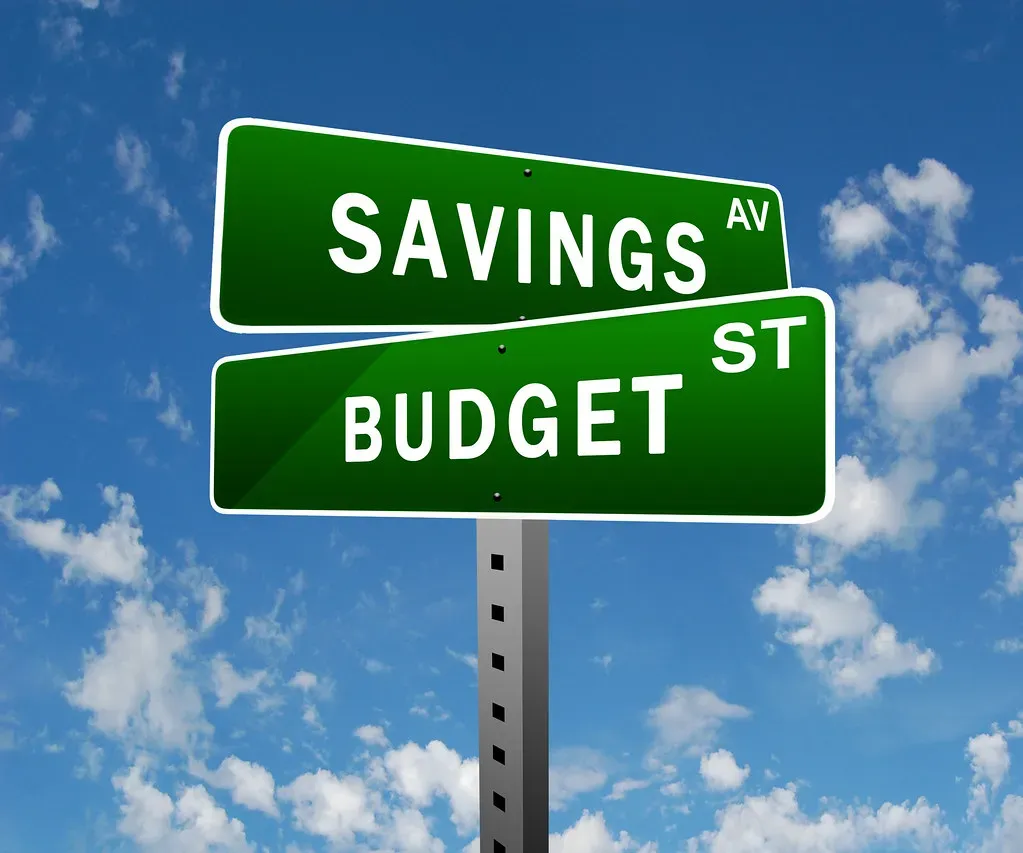
The Pay Yourself First Mindset Shift (401(K) 2013, Flickr, <a href="https://creativecommons.org/licenses/by-sa/2.0/" target="_blank" rel="noopener">CC BY-SA 2.0</a>)
The alternative is simple to describe, even if it takes some adjustment to actually live by. Instead of saving whatever survives the month, you save first and let everything else adjust around that number. It's the same income, just a different sequence.
This isn't a new idea, but it's proving more relevant than ever given how tight household budgets have become. The Bureau of Economic Analysis reports a 4.9 percent personal saving rate for 2025, reflecting the portion of disposable income households typically set aside after taxes and spending. That number sounds modest because it is. Most households aren't failing at math, they're failing at sequencing.
Automate the Transfer on Payday
Automate the Transfer on Payday (Image Credits: Unsplash)
Willpower is an unreliable savings strategy. Automation removes the decision entirely, which is exactly the point. Set up a transfer that moves money into savings the same day your paycheck lands, before you've had a chance to see it as "extra."
Financial writers have been recommending this for years, and the logic hasn't changed. If building up your emergency savings is a top financial goal, one practical tip is to set up an automatic transfer from your paycheck directly into your emergency fund, for example splitting $500 a month into $250 per biweekly paycheck. The specific numbers matter less than the habit of never seeing that money as available to spend in the first place.
Start With a Percentage, Not a Fixed Number
Start With a Percentage, Not a Fixed Number (Image Credits: Pexels)
A flat dollar amount can feel arbitrary and, worse, unsustainable when income fluctuates. A percentage scales with you. Whether you bring home two thousand dollars or six thousand in a given month, taking a consistent slice keeps the habit intact without requiring constant recalculation.
Even a modest percentage compounds meaningfully over time, especially with today's savings rates working in your favor. As of January 2026, many online high-yield savings accounts are offering roughly 4.5% to 5.0% APY, far above the FDIC's national average savings rate of about 0.39%. That gap between a basic bank account and a high-yield one is often the difference between money that barely grows and money that actually works for you.
Give Every Dollar a Separate Job
Give Every Dollar a Separate Job (Image Credits: Pexels)
One lump sum labeled "savings" tends to get raided the moment something unexpected comes up, because there's no friction stopping you. Splitting savings into purpose-specific accounts, emergency fund, car repairs, holiday spending, creates that friction naturally. You have to consciously decide to dip into the vacation fund to cover a plumbing bill, and that small pause often changes behavior.
This separation also makes it easier to track progress toward specific goals rather than watching one vague number rise and fall. Most Americans consider their emergency funds separate from their regular savings accounts, with many saying they tapped into that fund to cover holiday spending instead. Keeping categories genuinely separate, not just mentally separate, tends to prevent that kind of drift.
Treat Savings Like a Bill You Can't Skip
Treat Savings Like a Bill You Can't Skip (Image Credits: Pexels)
Rent doesn't get skipped because you felt like eating out more this month. Savings deserves the same non-negotiable status, at least for the portion you've decided to set aside first. Once it's automated and mentally reclassified as an obligation rather than a leftover, it stops competing with discretionary spending altogether.
The financial pressure making this harder shouldn't be understated either. Persistent inflation eroding real purchasing power, elevated housing costs and rising consumer debt burdens have squeezed disposable income for many households heading into 2026. Treating savings as fixed rather than flexible is one of the few ways to protect it from that squeeze.
Build Your Emergency Fund Before Chasing Other Goals
Build Your Emergency Fund Before Chasing Other Goals (lendingmemo_com, Flickr, <a href="https://creativecommons.org/licenses/by/2.0/" target="_blank" rel="noopener">CC BY 2.0</a>)
It's tempting to jump straight into investing or a big savings goal like a house down payment. But without a cushion, any unexpected expense forces you to pull from those other goals or go into debt to cover it. An emergency fund isn't glamorous, but it's the foundation everything else sits on.
The gap between where people are and where they'd like to be is significant right now. When asked how much they'd like to have saved for emergencies, the median amount listed is $10,000, yet actual balances tell a very different story. Among those who have an emergency fund, the median balance is $5,000, just half of what was reported a year earlier. That decline matters, and it's a reminder that even people who've started saving can lose ground if the habit isn't protected.
Handle Irregular Income With a Buffer Month

Handle Irregular Income With a Buffer Month (Image Credits: Pexels)
Freelancers, gig workers, and anyone on commission face a real challenge with pay yourself first, because there's no steady paycheck to skim from. The workaround is building a one-month buffer, essentially living off last month's income while this month's earnings go straight into savings and bills for the following month.
Once that buffer exists, the timing problem mostly disappears. You're no longer guessing what a good month versus a bad month means for your savings rate, because you're always working with income that's already settled. It takes longer to set up than a simple payroll deduction, but it solves the same underlying problem for people whose income doesn't arrive on a predictable schedule.
Let Small Increases Compound Over Time

Let Small Increases Compound Over Time (Image Credits: Pexels)
Nobody needs to jump from saving nothing to saving twenty percent of their income overnight. Small, regular increases, even just one percentage point every few months, tend to stick better than dramatic changes that get abandoned within weeks. The goal is building a habit that survives contact with real life, not a perfect number on a spreadsheet.
There's also a generational shift worth noting here. More younger Americans say they are building up their emergency savings, with about 65% of those ages 44 and under reporting they have an emergency fund, up from 58% the year before, and more than three-fourths of those ages 18 to 24 having emergency savings, the highest of any age group surveyed. That trend suggests the pay-yourself-first approach is gaining traction, particularly among people early in their financial lives who have more runway to let small habits compound.
Where This Leaves You
Where This Leaves You (Image Credits: Pexels)
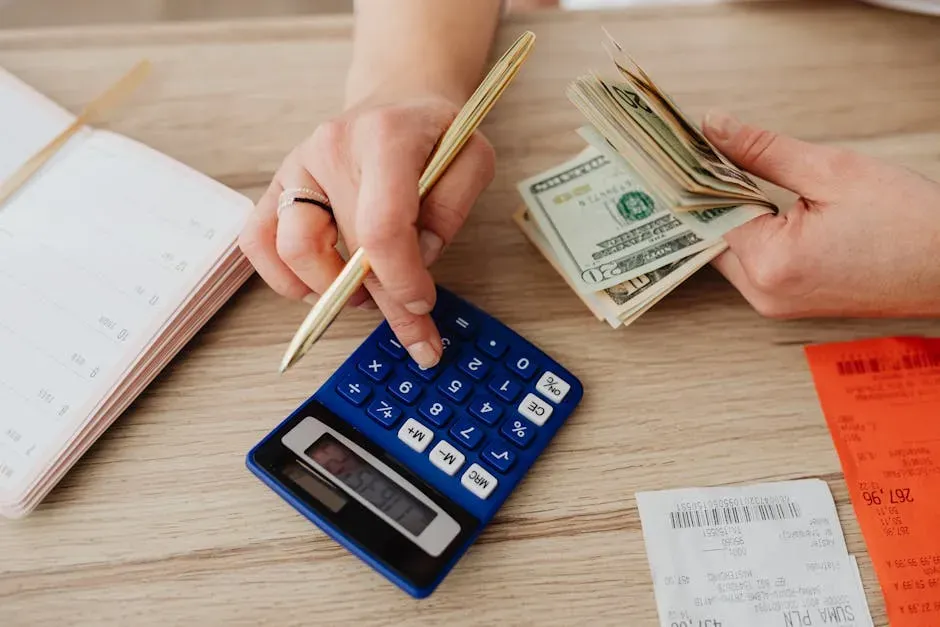
Saving "what's left" isn't really a strategy at all. It's a default, and defaults tend to favor whatever is easiest in the moment, which is almost always spending. Flipping the order, saving first and adjusting spending around it, turns a passive hope into an active decision made once and repeated automatically after that.
None of this requires a dramatic overhaul of your finances or a sudden windfall. It just requires moving the moment of decision earlier, before the money has a chance to feel spendable. That one shift in timing is doing more work than most people realize.